


How Mycotoxins Are Produced: 9 Essential Insights on Mold Species, Conditions, and Detection Methods
In Dubai’s humid climate, understanding How Mycotoxins Are produced: mold species, conditions, and detection methods is crucial for protecting indoor health. These toxic compounds from molds like Aspergillus and Stachybotrys thrive in water-damaged villas, contributing to respiratory issues and oxidative stress. This comprehensive how-to guide provides step-by-step protocols drawn from my experience building Saniservice’s microbiology lab, helping you detect and prevent mycotoxin risks effectively.[1][5]
Whether you’re a homeowner in Sharjah or a facility manager in Abu Dhabi, mastering these insights empowers root-cause analysis over superficial cleaning. We’ll cover production mechanisms, key species, optimal conditions—especially relevant to UAE’s air-conditioned environments—and practical detection methods you can apply immediately.[2][4]
Understanding How Mycotoxins Are Produced: Mold Species, Conditions, and Detection Methods
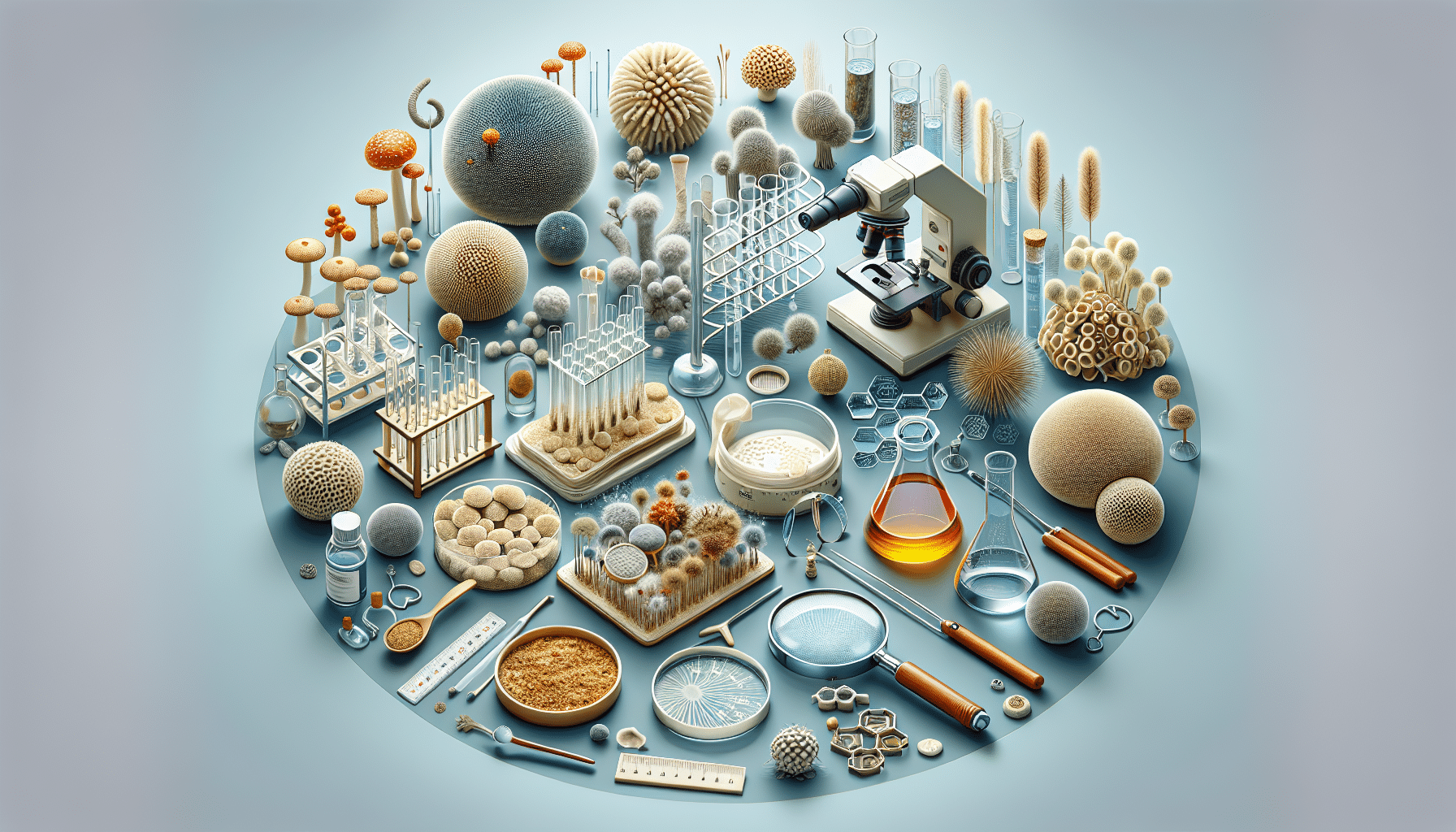
Mycotoxins are secondary metabolites produced by filamentous fungi during their reproductive phase, not essential for growth but aiding survival.[2][5] In indoor settings like UAE villas, they emerge post-primary mold growth when conditions stabilise. Key producers include Aspergillus, Penicillium, Fusarium, and Stachybotrys, thriving on cellulose-rich materials such as gypsum board in humid, 25-40°C environments.[1][3]
How mycotoxins are produced involves genetic pathways activated by stress, producing toxins like aflatoxins or trichothecenes. Detection requires targeted sampling since not all molds toxify equally—only mycotoxigenic strains do.[2] This foundational knowledge guides our step-by-step process.
Step 1: Identify Mycotoxin-Producing Mold Species in How Mycotoxins Are Produced
Begin by cataloguing common indoor mycotoxin producers. Aspergillus flavus and A. parasiticus generate aflatoxins B1 and G1, potent carcinogens optimal at 25-37°C.[3][4] Penicillium species like P. viridicatum produce ochratoxin A, linked to kidney damage, while Stachybotrys chartarum yields satratoxins and roridins on wet building materials.[1][5]
Key Species Table for UAE Contexts
| Mold Species | Mycotoxins | Indoor Prevalence in Dubai |
|---|---|---|
| Aspergillus flavus | Aflatoxins B1, G1 | High in HVAC, grains |
| Penicillium spp. | Ochratoxin A, Patulin | Water-damaged walls |
| Stachybotrys chartarum | Satratoxins, Roridins | Cellulose in villas |
| Fusarium spp. | Fumonisins | Leaks, high RH |
| Alternaria spp. | Alternariol | Surfaces, produce |
Tip: In my Saniservice investigations, Stachybotrys dominates hidden growth behind skirting boards in air-conditioned Dubai homes.[1]
Step 2: Analyse Conditions Triggering How Mycotoxins Are Produced: Mold Species, Conditions
Mycotoxin production peaks in the secondary growth phase after biomass accumulation.[2] Critical factors: water activity (a_w) above 0.85, relative humidity (RH) over 70%, temperatures 20-40°C, and pH 4-7.[1][2] Substrates like damp plaster or wood furnish nutrients via cellulose breakdown.
In UAE, constant AC creates microclimates: cold walls condense humid air (dew point ~15°C), fostering Aspergillus at wall-floor junctions.[3] Stressors like nutrient scarcity or competition trigger toxin genes.
Conditions Checklist
- Monitor RH >70% for 48+ hours
- Temperature 25-35°C
- Organic substrates (paper, wood)
- Low airflow, poor ventilation
Step 3: Master Mycotoxin Biosynthesis Pathways in How Mycotoxins Are Produced
Mycotoxins form via polyketide, terpenoid, or amino acid pathways. Aflatoxins arise from nor-1 to O-methylsterigmatocystin in Aspergillus, needing 10-40°C.[1] Trichothecenes in Stachybotrys inhibit protein synthesis, biosynthesised under high RH on wet materials.[5]
Not all strains produce: only 40-70% of A. flavus are aflatoxigenic due to genetic variation.[2][7] Indoor molds like Penicillium yield low concentrations except on ideal substrates.[1]
Step 4: Conduct Environmental Assessments for Detection Methods in How Mycotoxins Are Produced
Gather data: use thermal imaging to spot moisture anomalies (>20% higher than ambient). Measure RH, temperature with hygrometers (aim for <60% RH indoors). Document water history—leaks common in Ras Al Khaimah villas.[4]
Visual cues: black spots (Stachybotrys), green patches (Aspergillus). This preps for sampling in how mycotoxins are produced detection.[1]
Step 5: Implement Air and Surface Sampling Techniques for Detection Methods
Air sampling: Use spore traps or impingers at 28.3 L/min for 5-10 minutes in suspect rooms. Surface: Tape lifts or swabs from 100 cm² areas.[1] In Dubai protocols, sample HVAC filters first—mycotoxins aerosolise here.[5]
Materials needed: Sterile swabs, spore trap cassettes (AED 50-100 each), vacuum pump. Collect controls from clean areas.
Step 6: Use Laboratory Analysis for Mycotoxin Confirmation in Detection Methods
Extract via methanol, analyse with HPLC-MS/MS for ppb sensitivity—detects aflatoxin B1 at 0.1 µg/kg.[1][3] Microscopy IDs species; ELISA kits screen (AED 500/test).[2]
In our Saniservice lab, tandem MS confirms satratoxins from Stachybotrys, vital for UAE’s hidden mold cases.[1]
Step 7: Interpret Results and Assess Risks in How Mycotoxins Are Produced
Elevated spores (>500/m³) plus mycotoxins indicate active production. Risk: AFB1 >20 ppb signals remediation.[6] Cross-reference species-conditions match, e.g., Aspergillus + high RH confirms pathway activation.[2]
Step 8: Prevent Mycotoxin Production in UAE Homes
Maintain RH <55% with dehumidifiers (AED 1,500+). Fix leaks within 24 hours, improve ventilation (ACH >4). Use antimicrobial coatings on high-risk surfaces.[4]
Step 9: Verify Remediation Success with Detection Methods
Post-clean: Re-sample air/surfaces, confirm <100 spores/m³, no mycotoxins. Monitor quarterly in humid seasons (June-September).
<h2 id="expert-tips-for-mycotoxin-management-in-dub”>Expert Tips for Mycotoxin Management in Dubai
- Prioritise thermal bridges in villas—common mycotoxin hotspots.
- Combine HVAC servicing with IAQ tests (AED 2,000-5,000).
- For families, test water tanks—biofilms amplify risks.
- Reference WHO guidelines for thresholds.[6]
Conclusion: Mastering How Mycotoxins Are Produced
By following these steps on how mycotoxins are produced: mold species, conditions, and detection methods, UAE residents safeguard health against invisible threats. From species ID to lab verification, proactive science prevents exposure. Consult certified experts like IAC2 professionals for complex cases—your indoor environment deserves it.[1][2][5]

JV de Castro, IAC2
JV de Castro is the Chief Technology Officer at Saniservice, where he leads innovation in indoor environmental sciences, IT infrastructure, and digital transformation. With over 20 years of experience spanning architecture, building science, technology management, digital media architecture, and consultancy, he has helped organizations optimize operations through smart solutions and forward-thinking strategies. JV holds a Degree in Architecture, a Masters of Research in Anthropology, an MBA in Digital Communication & Media, along with certifications in mold, building sciences and advanced networking. Passionate about combining technology, health, and sustainability, he continues to drive initiatives that bridge science, IT, and business impact.
![Common Mold Spots in Grocery Store HVAC Systems - Inspection of air handler compartments and coils for mold growth [END]](https://indoorsciences.ae/wp-content/uploads/2025/12/common-mold-spots-in-grocery-store-hvac-systems-10-1766546140.png)

Leave a Reply