


And Mycotoxin Sampling Methods: Test For Hidden Mould: Air,
In Dubai’s humid climate, hidden mould thrives behind walls, in air conditioning units, and under floors, often causing respiratory and neurological health effects without visible signs. Learning How to test for hidden mould: air, surface and mycotoxin sampling methods is essential for UAE homeowners and property managers. This guide provides step-by-step instructions drawn from my experience building Saniservice’s microbiology lab, where we’ve investigated countless villa cases in Dubai and Abu Dhabi.
These methods reveal mould you can’t see, linking building defects like thermal bridging to contamination. Whether in Jumeirah villas or Sharjah apartments, proper testing prevents costly remediation starting at AED 5,000. Follow these protocols for evidence-based results.
Why Test for Hidden Mould in UAE Homes
Hidden mould in air-conditioned Dubai residences often stems from condensation at wall-floor junctions due to thermal bridging, a common issue in rapid UAE construction. Symptoms like persistent coughs or fatigue signal exposure, as mould spores trigger oxidative stress and inflammation[1][2].
Testing uncovers these threats before they escalate. In my Saniservice investigations, we’ve found Aspergillus behind skirting boards in 70% of odour complaints, proving how to test for hidden mould: air, surface and mycotoxin sampling methods prevents health crises and AED 10,000+ remediation costs.
Preparing for How to Test for Hidden Mould: Air, Surface and Mycotoxin Sampling Methods
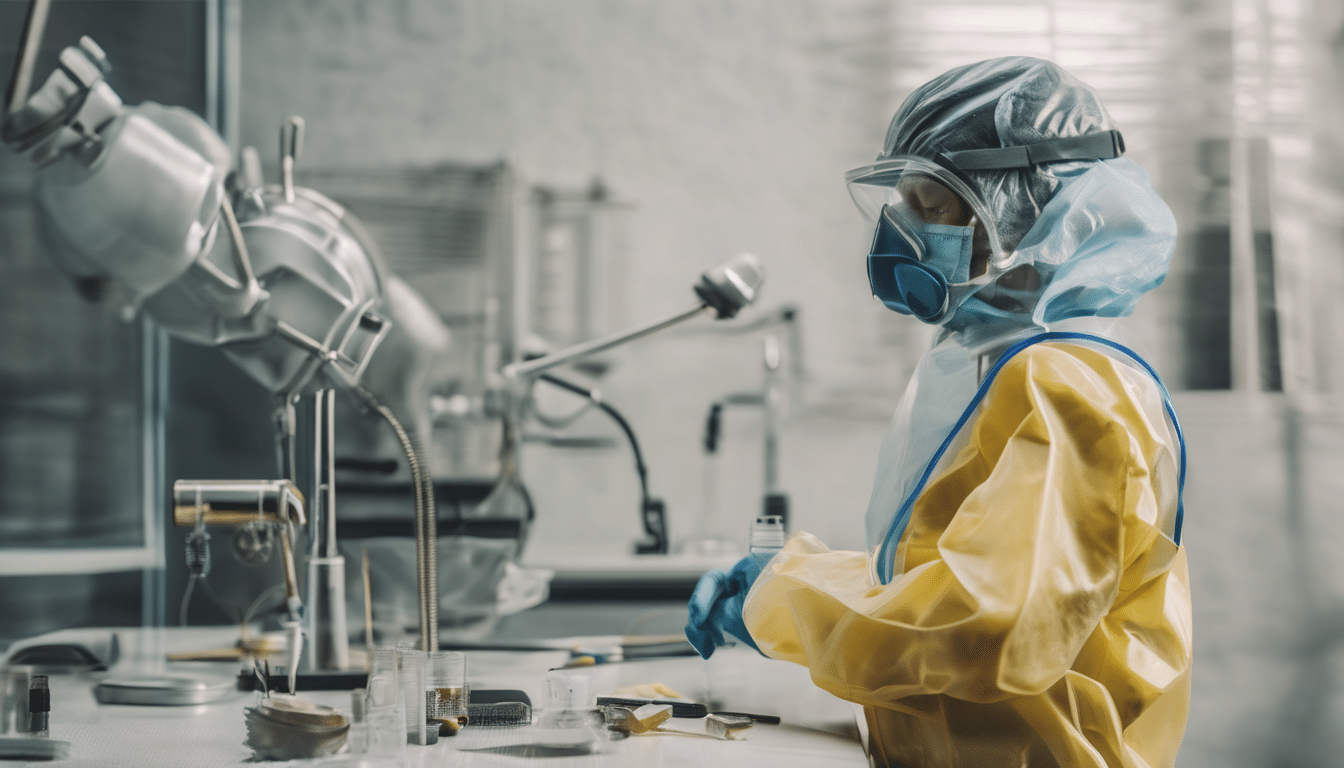
Gather essential tools: spore trap cassettes, sterile swabs, tape lifts, moisture metre, infrared camera, and lab submission kits (AED 200-500). Wear N95 masks, gloves, and goggles to avoid contamination[4].
Site Assessment Steps
- Document musty odours, health symptoms, and water history (e.g., AC leaks common in Ras Al Khaimah summers).
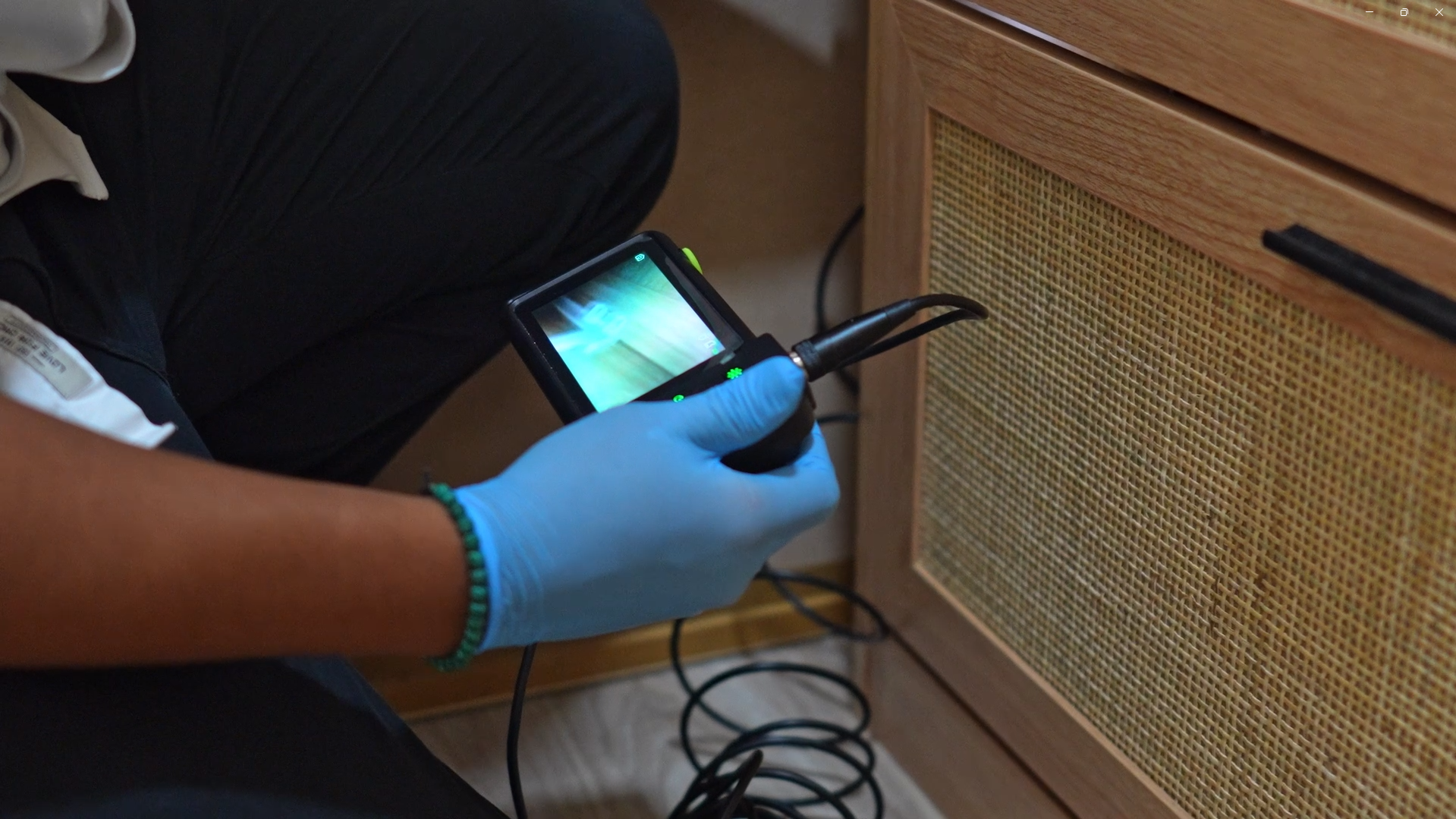
- Use infrared thermography at 20-25°C to spot cold spots indicating moisture[2][7].
- Measure humidity; levels above 60% RH signal risk in UAE’s 40°C+ outdoors[8].
Control samples from outdoor air in Dubai’s Palm Jumeirah ensure accurate comparisons[1].
Air Sampling Methods in How to Test for Hidden Mould: Air, Surface and Mycotoxin Sampling Methods
Air sampling captures airborne spores from hidden sources, ideal for HVAC or wall cavities in Abu Dhabi villas. It reveals if indoor levels exceed outdoor baselines, indicating amplification[1][2].
Step-by-Step Air Sampling Protocol
- Select a calibrated pump (e.g., 15 L/min flow rate) and spore trap cassettes[4].
- Place indoors at 1-1.5m height in complaint areas like bedrooms; run for 5 minutes[2].
- Sample outdoors simultaneously for control; include a blank cassette[5].
- For wall cavities, drill 1cm holes, insert tubing, and pump air (non-viable method preferred)[2].
- Seal and ship to AIHA-accredited labs like those we use at Saniservice (results in 48 hours, AED 300/sample)[4].
Viable vs non-viable: Non-viable counts total spores; viable cultures live ones. In UAE, non-viable suits hidden mould detection[6].
Surface Sampling Techniques in How to Test for Hidden Mould: Air, Surface and Mycotoxin Sampling Methods
Surface sampling targets suspect areas or dust, confirming hidden growth via settled spores. Tape lifts and swabs excel for non-porous surfaces in Jeddah apartments[1][5].
Tape Lift Method
- Press clear adhesive tape (2.5cm) firmly on 10cm² area (e.g., behind removed skirting)[5].
- Lift gently, fold sticky sides together, label with date and location (e.g., 15/12/2025, Dubai villa wall).
- Include control from clean surface[3].
Swab Sampling
- Moisten sterile swab with buffer, rub 10cm² defined area (visible discolouration or odour source)[1].
- Return to tube, break at score line[6].
- Lab cultures reveal species like Stachybotrys[5].
Bulk sampling cuts porous material (e.g., carpet edge) for deep analysis, revealing penetration depth[2].
Mycotoxin Sampling Protocols in How to Test for Hidden Mould: Air, Surface and Mycotoxin Sampling Methods
Mycotoxins are toxic metabolites from moulds like black mould, causing neurological effects. Test when air/surface shows toxigenic species (e.g., Aspergillus flavus common in Riyadh humidity)[1].
Collection and Analysis
- From bulk/dust samples: Collect 50g dust via HEPA vacuum into sterile bag[2].
- Air: Use high-volume samplers with filters for mycotoxin extraction (specialist labs, AED 800+)[5].
- Surface: Swab suspicious HVAC filters or insulation[4].
- Lab uses ELISA or LC-MS/MS for detection (limits: 1-5 ppb)[1].
In our Dubai lab, we’ve linked mycotoxins to oxidative stress in 40% of severe cases[2].
Professional vs DIY: How to Test for Hidden Mould: Air, Surface and Mycotoxin Sampling Methods
DIY kits (AED 100-300) offer petri dishes or swabs but lack calibration, yielding false negatives 50% of time[6]. Pros use protocols like ours: visual + moisture + multi-sample[4].
For UAE villas, hire IAC2-certified experts (AED 2,000-5,000) for wall cavity access and lab verification. DIY suits preliminaries; pros confirm[3].
Interpreting Results from How to Test for Hidden Mould: Air, Surface and Mycotoxin Sampling Methods
Air: Indoor spores > outdoor or >500 spores/m³ signals issue; prioritise hydrophilic moulds[1][5]. Surface: >1,000 CFU/cm² active growth[2].
Mycotoxins: Any detectable levels warrant remediation. Compare to EPA guidelines; retest post-fix verifies clearance[7]. In Fujairah cases, we’ve cleared villas via targeted fixes.
Expert Tips for How to Test for Hidden Mould in UAE Climates
- Focus AC drip pans; UAE chillers breed mould at 18°C coils[2].
- Use thermal imaging pre-sampling; spots 10-15°C differentials[7].
- Post-ramadan humidity spikes demand testing[8].
- Combine methods: Air + surface + mycotoxin for 95% accuracy[4].
Conclusion
Mastering how to test for hidden mould: air, surface and mycotoxin sampling methods empowers UAE residents to safeguard health in humid, AC-reliant homes. From air pumps to mycotoxin labs, these steps uncover root causes like hygrothermal failures. Act now—test, remediate, and breathe safer in Dubai or Riyadh.

JV de Castro, IAC2
JV de Castro is the Chief Technology Officer at Saniservice, where he leads innovation in indoor environmental sciences, IT infrastructure, and digital transformation. With over 20 years of experience spanning architecture, building science, technology management, digital media architecture, and consultancy, he has helped organizations optimize operations through smart solutions and forward-thinking strategies. JV holds a Degree in Architecture, a Masters of Research in Anthropology, an MBA in Digital Communication & Media, along with certifications in mold, building sciences and advanced networking. Passionate about combining technology, health, and sustainability, he continues to drive initiatives that bridge science, IT, and business impact.


Leave a Reply