


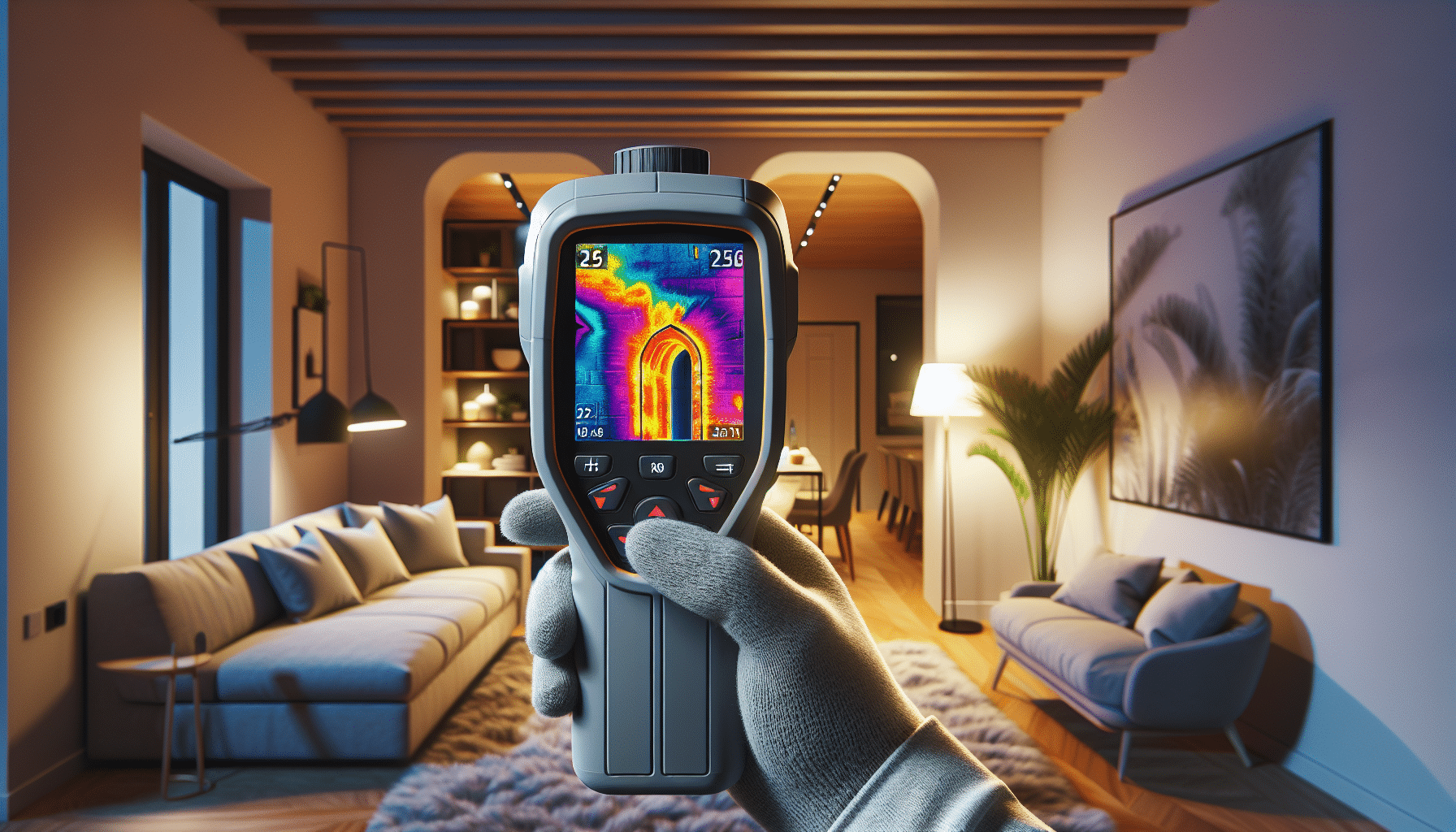
Imaging In Uae Homes: Hidden Mold Detection Methods Using
Understanding Hidden Mold Detection Methods Using Thermal Imaging In Uae Homes is essential. In Dubai’s climate, mould doesn’t announce itself with obvious black spots on your bathroom tiles. Instead, it thrives in the invisible spaces behind your walls, within your HVAC systems, and beneath your carpets—growing silently whilst your family breathes contaminated air. Hidden mould detection methods using thermal imaging in UAE homes have revolutionised how we identify these dangerous colonies before they cause serious health problems or structural damage.
The reality is sobering: you could be living with significant mould contamination right now without knowing it. Traditional visual inspections catch perhaps 10% of actual mould problems. The remaining 90% lurks in cavities, concealed spaces, and wall assemblies where the human eye cannot reach. This is where thermal imaging becomes absolutely essential. This relates directly to Hidden Mold Detection Methods Using Thermal Imaging In Uae Homes.
At Saniservice’s Indoor Sciences Division, we’ve investigated hundreds of Dubai homes where comprehensive thermal imaging revealed mould contamination that had completely escaped previous inspections. The technology isn’t just helpful—it’s transformative for protecting your family’s health and your property’s integrity.
Hidden Mold Detection Methods Using Thermal Imaging In Uae Homes – Why Thermal Imaging Matters for Hidden Mould Detection in UA
Hidden mould detection methods using thermal imaging represent a fundamental shift in how we approach indoor environmental health. Mould requires moisture to grow, and moisture creates measurable temperature differences that thermal cameras can detect with extraordinary precision.
The critical advantage is non-invasiveness. Traditional detection methods often require destructive testing—cutting into walls, pulling up carpets, dismantling HVAC systems. Thermal imaging reveals problems without damage, allowing you to confirm contamination before committing to remediation expenses. When considering Hidden Mold Detection Methods Using Thermal Imaging In Uae Homes, this becomes clear.
In Dubai’s arid climate, thermal imaging becomes even more valuable. The contrast between air-conditioned interior spaces and the building envelope creates distinctive thermal signatures. Mould growth zones often appear as cooler regions where condensation accumulates on surfaces—patterns that thermal cameras capture with remarkable clarity.
The Health Imperative
Airborne mould spores from hidden contamination trigger respiratory issues, allergic reactions, and oxidative stress in occupants. Children, elderly residents, and immunocompromised individuals face heightened risks. Early detection through thermal imaging-based investigation can prevent months or years of health deterioration. The importance of Hidden Mold Detection Methods Using Thermal Imaging In Uae Homes is evident here.
The Property Protection Angle
Mould doesn’t just affect health—it destroys building materials. Structural integrity compromises, material degradation accelerates, and remediation costs escalate exponentially once contamination spreads. Early detection saves tens of thousands of AED in prevention versus late-stage remediation.
Hidden Mold Detection Methods Using Thermal Imaging In Uae Homes – Understanding How Thermal Imaging Works for Mould Detection
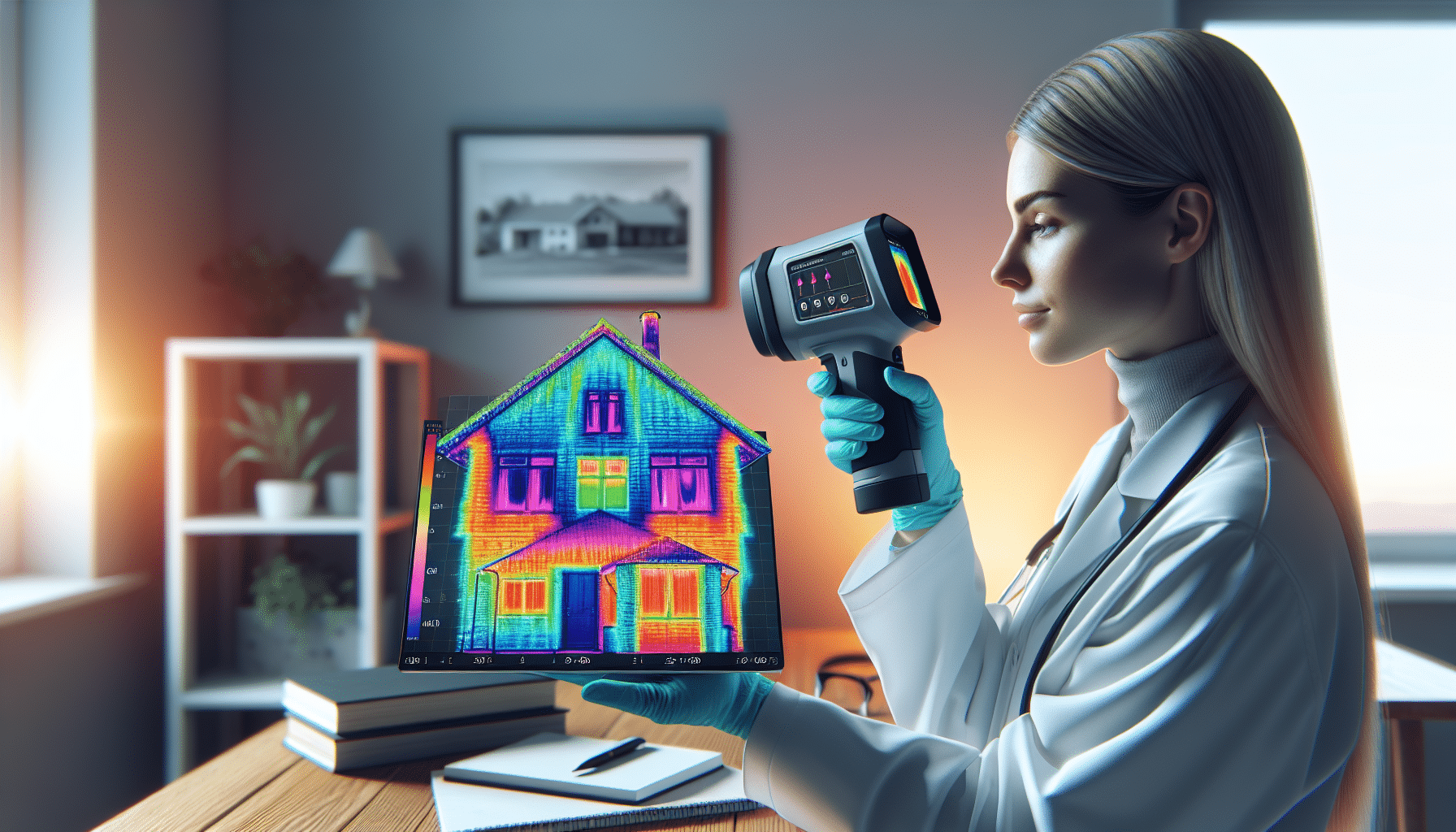
Thermal imaging cameras detect infrared radiation (heat) emitted by all objects. Rather than seeing visible light like human eyes, thermal cameras measure temperature differences and convert them into visual images where warmer areas appear in one colour and cooler areas in another. Understanding Hidden Mold Detection Methods Using Thermal Imaging In Uae Homes helps with this aspect.
This matters for mould because moisture accumulation creates measurable temperature anomalies. When water infiltrates building materials or condensation forms on surfaces, those areas become thermally distinct from surrounding dry areas. A thermal camera can detect temperature differences as subtle as 0.02 degrees Celsius—far below what causes visible mould growth but precisely at the threshold where moisture accumulation begins.
Thermal Camera Capabilities in UAE Context
Professional-grade thermal cameras used in Dubai for hidden mould detection methods offer resolution that consumer-level cameras cannot match. Expert-level thermal imaging detects extremely subtle temperature variations—critical for identifying early-stage moisture problems before visible mould colonies develop. Hidden Mold Detection Methods Using Thermal Imaging In Uae Homes factors into this consideration.
The performance difference matters significantly. Entry-level cameras detect approximately 1.5°C temperature differences on painted surfaces. Professional-grade equipment detects differences of 0.02°C or better, revealing moisture problems that inferior equipment misses completely.
Why Interpretation Matters
Raw thermal images require expert interpretation. Not every cold spot indicates mould. Thermal bridges (structural elements that conduct heat differently than surrounding materials) create cold spots without moisture. True moisture issues show distinctive patterns: gradual temperature transitions, asymmetrical distributions, and patterns matching building geometry rather than random spots. This relates directly to Hidden Mold Detection Methods Using Thermal Imaging In Uae Homes.
Hidden Mold Detection Methods Using Thermal Imaging In Uae Homes – UAE Climate Challenges: Why Hidden Mould Thrives in Desert H
Dubai’s climate creates unique conditions that favour hidden mould growth despite the region’s extreme aridity. This paradox confuses many property owners: “How can mould grow in the desert?”
The answer lies in air conditioning. When external air at 45°C and 15% humidity enters your villa and gets cooled to 22°C, the relative humidity skyrockets to nearly 80%—ideal for mould growth. Simultaneously, this cold indoor air encounters warmer building surfaces, creating condensation at wall-floor junctions, thermal bridges, and concealed areas. When considering Hidden Mold Detection Methods Using Thermal Imaging In Uae Homes, this becomes clear.
Thermal Bridging in UAE Construction
Many UAE properties feature construction defects that exacerbate thermal bridging. Concrete slabs meeting exterior walls without thermal breaks create perpetually cold junction zones. Within these zones, surface temperatures drop below the dew point during air conditioning operation, moisture condenses continuously, and mould colonies establish themselves where thermal cameras first detect temperature anomalies.
HVAC System Moisture Problems
Air conditioning systems remove moisture from interior air but concentrate that moisture in condensate lines and drain pans. Poorly maintained HVAC systems develop biofilm within ductwork and plenum spaces—invisible contamination that hidden mould detection methods using thermal imaging can identify by observing thermal anomalies in duct routes and return air paths. The importance of Hidden Mold Detection Methods Using Thermal Imaging In Uae Homes is evident here.
Water Storage Tank Issues
Many Dubai villas store water in roof tanks or underground cisterns. Temperature differentials between tank surfaces and surrounding spaces create distinctive thermal signatures. Thermal imaging reveals insulation defects, structural leaks, and biofilm accumulation—early indicators of contamination before health problems emerge.
8 Critical Hidden Mould Detection Methods Using Thermal Imaging
Method 1: Condensation Surface Mapping
Thermal imaging reveals where surface temperatures drop below the dew point during air conditioning operation. These condensation zones—where mould colonies preferentially establish—appear as cooler regions on thermal images. Technicians map these areas systematically throughout the property, identifying high-risk zones before visible contamination develops. Understanding Hidden Mold Detection Methods Using Thermal Imaging In Uae Homes helps with this aspect.
Method 2: Thermal Bridge Identification
Structural elements like concrete beams, steel columns, and window frames conduct heat differently than surrounding materials. These thermal bridges create distinctive cold patterns on thermal images. Technicians distinguish between simple thermal bridges and moisture-related cold spots by correlating thermal images with architectural drawings and moisture meter readings.
Method 3: Wall-Floor Junction Assessment
The junction between exterior walls and concrete slabs represents a critical vulnerability in UAE properties. Hidden mould detection methods using thermal imaging excel at identifying temperature anomalies at these junctions—the first indicator of hygrothermal dysfunction and condensation accumulation. Systematic thermal scanning of perimeter wall-floor junctions throughout your property reveals high-risk contamination zones. Hidden Mold Detection Methods Using Thermal Imaging In Uae Homes factors into this consideration.
Method 4: HVAC Ductwork Thermal Mapping
Mould often grows within HVAC systems where moisture condenses inside ducts and plenum spaces. Thermal imaging reveals unusual thermal patterns along ductwork routes, indicating insulation failures, condensation zones, or biofilm accumulation. These patterns guide technicians to perform targeted destructive investigation only where thermal imaging indicates contamination.
Method 5: Window and Door Frame Analysis
Infiltration around windows and doors allows moisture into wall cavities. Thermal imaging reveals temperature anomalies around window perimeters, indicating air leakage paths and moisture accumulation zones. This analysis guides weatherisation improvements that prevent future mould problems. This relates directly to Hidden Mold Detection Methods Using Thermal Imaging In Uae Homes.
Method 6: Hidden Cavity Wall Assessment
Moisture can accumulate within cavity walls without any exterior indication. Thermal imaging from interior spaces reveals thermal patterns suggesting moisture presence in cavities. When combined with focused moisture meter readings in suspicious areas, thermal imaging guides minimally invasive borescope inspection to confirm hidden contamination.
Method 7: Roof and Ceiling Plenum Scanning
Mould grows extensively in roof cavities and ceiling plenums where poor ventilation combines with thermal bridging. Thermal imaging of ceiling surfaces from below reveals temperature anomalies indicating roof moisture infiltration or plenum biofilm growth. These early-stage indicators allow prevention before structural damage or indoor air contamination becomes severe. When considering Hidden Mold Detection Methods Using Thermal Imaging In Uae Homes, this becomes clear.
Method 8: Pressure Differential Analysis
Building pressure imbalances drive moisture movement through wall cavities. Thermal imaging, combined with pressure diagnostics, reveals how air leakage pathways carry moisture into building assemblies. This integrated analysis identifies root causes rather than just visible symptoms, enabling remediation that prevents recurrence.
The Integration Approach: Combining Thermal Imaging with Other Diagnostics
Thermal imaging alone provides valuable information but achieves maximum effectiveness when integrated with complementary diagnostic methods. This integrated approach defines professional hidden mould detection methods using thermal imaging in UAE homes. The importance of Hidden Mold Detection Methods Using Thermal Imaging In Uae Homes is evident here.
Moisture Meter Confirmation
When thermal imaging reveals suspicious temperature anomalies, moisture meters provide quantitative confirmation. Non-invasive moisture meters can assess water content in building materials at depths up to 20 millimetres. Thermal anomalies correlating with elevated moisture readings confirm genuine contamination versus thermal bridging artefacts.
Air Quality Assessment
Thermal imaging reveals where mould could be growing. Air quality testing confirms whether mould spores are actually circulating in your home’s atmosphere. Elevated airborne spore counts combined with thermal imaging locations pinpoint active contamination sources requiring immediate remediation. Understanding Hidden Mold Detection Methods Using Thermal Imaging In Uae Homes helps with this aspect.
Surface and Air Sampling
Thermal imaging guides targeted microbiological sampling. Rather than random testing throughout your home, technicians concentrate sampling efforts on areas thermal imaging identified as high-risk. Laboratory analysis confirms mould species, spore viability, and mycotoxin presence—essential information for designing effective remediation protocols.
Architectural Analysis
Understanding how your home was constructed proves essential for interpreting thermal imaging results. Building plans reveal structural elements that create thermal bridges, ductwork layouts that explain thermal patterns, and design features that predispose your property to moisture problems. Architectural analysis transforms thermal images from interesting pictures into actionable intelligence. Hidden Mold Detection Methods Using Thermal Imaging In Uae Homes factors into this consideration.
Real-World Case Studies: Hidden Mould Detection Methods in Dubai Properties
The Villa Behind the Skirting Board
A luxury villa in a prestigious Dubai community presented with persistent musty odours despite immaculate housekeeping. Visual inspection revealed nothing. Thermal imaging of perimeter walls identified distinctive temperature anomalies at wall-floor junctions throughout the property. Further investigation revealed extensive mould growth behind skirting boards—invisible to occupants but revealed immediately by thermal imaging.
The root cause: thermal bridging at the concrete slab-exterior wall junction created perpetually cold surfaces where condensation accumulated during air conditioning operation. Remediation addressed both the biological contamination and the building defect that created it. Thermal breaks installed at vulnerable junctions eliminated the condensation source, and occupants’ health symptoms resolved completely within weeks. This relates directly to Hidden Mold Detection Methods Using Thermal Imaging In Uae Homes.
The HVAC System Biofilm Discovery
An office building in Abu Dhabi experienced unexplained respiratory complaints from staff. Building management initially assumed outdoor air quality issues. Thermal imaging of HVAC ductwork and plenum spaces revealed unusual thermal patterns suggesting biofilm accumulation within the system. Targeted borescope investigation confirmed extensive microbial growth coating internal duct surfaces.
Hidden mould detection methods using thermal imaging guided cleaning efforts precisely to contaminated zones, avoiding unnecessary ductwork disruption. Post-remediation air quality testing confirmed complete resolution of airborne spore contamination. Staff respiratory symptoms disappeared within days of completed remediation. When considering Hidden Mold Detection Methods Using Thermal Imaging In Uae Homes, this becomes clear.
The Water Tank Contamination Case
A Sharjah residential community discovered E. coli contamination in water testing. Thermal imaging of roof-mounted storage tanks revealed temperature anomalies indicating compromised insulation and structural defects. Further investigation confirmed water infiltration into tank structures and biofilm formation within storage compartments—the source of bacterial contamination affecting dozens of households.
Thermal imaging enabled rapid identification of the contamination source, guiding emergency remediation that prevented health crises. Regular thermal monitoring of tank structures now prevents recurrence. The importance of Hidden Mold Detection Methods Using Thermal Imaging In Uae Homes is evident here.
Professional Standards and Certification for Thermal Mould Detection
Not all thermal imaging technicians possess expertise in interpreting results for hidden mould detection. Professional standards and certifications distinguish qualified practitioners from those simply pointing cameras at walls.
IAC2 Certification Requirements
The International Association of Certified Indoor Air Consultants (IAC2) sets rigorous standards for professionals conducting mould investigations. IAC2-certified practitioners undergo extensive training in building science, thermal imaging interpretation, moisture dynamics, and mycology. Only IAC2-certified professionals should conduct comprehensive hidden mould detection methods using thermal imaging in your property. Understanding Hidden Mold Detection Methods Using Thermal Imaging In Uae Homes helps with this aspect.
Building Science Certification
Professional building scientists understand how structures perform thermally and hygrothermally. This expertise proves essential for distinguishing genuine moisture problems from benign thermal bridges. Building Science Certification through InterNACHI or similar organisations demonstrates rigorous training in building physics and diagnostic methodology.
Thermal Camera Proficiency
Operating thermal cameras requires more than pointing equipment. Professionals must understand emissivity variations between materials, environmental factors affecting thermal patterns, thermal gradient interpretation, and error sources that create false positives. Manufacturers like FLIR offer certification programmes for professionals using professional-grade thermal imaging equipment. Hidden Mold Detection Methods Using Thermal Imaging In Uae Homes factors into this consideration.
Laboratory Capabilities
When hidden mould detection methods using thermal imaging identify suspicious areas, confirmation through microbiological analysis becomes essential. Reputable service providers operate in-house microbiology laboratories ensuring sample chain-of-custody, rapid turnaround, and accurate species identification. Saniservice’s Indoor Sciences Division operates the UAE’s only mould remediation company with accredited on-site microbiological laboratory facilities.
Protecting Your Home: Taking Action After Detection
Interpretation and Reporting
Professional thermal imaging investigations conclude with detailed reports explaining findings in non-technical language. Quality reports distinguish between genuine mould concerns and benign thermal patterns, quantify risk levels, and prioritise remediation based on health implications and property damage potential. This relates directly to Hidden Mold Detection Methods Using Thermal Imaging In Uae Homes.
Expect comprehensive reports including thermal images with annotated findings, architectural analysis explaining root causes, recommendations for remediation and prevention, monitoring protocols for verification, and timeline projections for execution.
Remediation Planning
Armed with precise thermal imaging data, remediation specialists design targeted interventions addressing root causes rather than symptoms. Remediation may involve cleaning visible contamination, treating concealed growth through injected remediation agents, replacing contaminated materials, improving ventilation, installing thermal breaks, adjusting humidity levels, or modifying building systems. When considering Hidden Mold Detection Methods Using Thermal Imaging In Uae Homes, this becomes clear.
Effective remediation in UAE properties typically costs between AED 5,000 and AED 50,000 depending on contamination extent and root cause complexity. Prevention-focused remediation prevents exponentially costlier problems from developing.
Prevention and Ongoing Monitoring
After remediation, prevention becomes paramount. Building modifications address moisture sources. HVAC systems receive optimised settings maintaining humidity below 60%. Regular monitoring with thermal imaging every 12 months ensures early detection of any recurrence, preventing mould re-establishment.
When to Call Professionals
Contact qualified professionals for thermal imaging assessment if you observe: persistent musty or stale odours without obvious source, unexplained health symptoms improving away from home, condensation on windows or walls, history of water infiltration or flooding, visual mould on surfaces, or HVAC efficiency decline.
In Dubai, Abu Dhabi, Sharjah, and throughout the UAE, professional hidden mould detection methods using thermal imaging should be your first diagnostic step—not your last resort.
Expert Insights: Key Takeaways for UAE Property Owners
Thermal imaging reveals what your eyes cannot see. Comprehensive thermal assessment identifies mould before visible contamination appears, allowing preventive intervention that protects health and property.
UAE climate creates unique challenges. Desert heat combined with aggressive air conditioning creates condensation conditions favouring mould growth. Thermal imaging accounts for these regional realities in assessment and remediation design.
Professional certification matters. Ensure technicians hold IAC2 certification or equivalent qualifications. Amateur thermal imaging produces false positives, false negatives, and misinterpretation that wastes money on unnecessary work whilst missing genuine problems.
Integration produces accuracy. Thermal imaging combined with moisture meters, air quality testing, and microbiological analysis provides comprehensive understanding impossible through any single method.
Root cause investigation prevents recurrence. Identifying why mould is growing—condensation, infiltration, poor ventilation, thermal bridging—enables remediation preventing future contamination. Surface cleaning without root cause analysis virtually guarantees recurrence.
Early detection saves significantly. Identifying contamination when it covers a few square metres costs far less than addressing problems spreading across entire structures. Annual thermal monitoring represents wise investment in property protection.
Conclusion
Hidden mould detection methods using thermal imaging in UAE homes represents the convergence of building science, diagnostic technology, and regional expertise. In Dubai’s unique climate, where condensation hidden behind walls and inside HVAC systems creates serious health and property risks, thermal imaging becomes not merely helpful but essential for comprehensive indoor environmental assessment.
The technology itself is remarkable—cameras detecting temperature variations smaller than a degree, revealing moisture problems invisible to human eyes. But the true power emerges through expert interpretation by qualified professionals who understand building physics, regional climate challenges, and mycological science. This expertise transforms raw thermal data into actionable intelligence protecting your family’s health and your property’s value.
Whether you’re concerned about unexplained health symptoms, investigating musty odours, or conducting pre-purchase due diligence, professional hidden mould detection methods using thermal imaging provide the diagnostic clarity necessary for informed decision-making. In the UAE market, only qualified professionals with IAC2 certification and in-house laboratory capabilities can deliver the comprehensive assessment your property deserves. Understanding Hidden Mold Detection Methods Using Thermal Imaging In Uae Homes is key to success in this area.

JV de Castro, IAC2
JV de Castro is the Chief Technology Officer at Saniservice, where he leads innovation in indoor environmental sciences, IT infrastructure, and digital transformation. With over 20 years of experience spanning architecture, building science, technology management, digital media architecture, and consultancy, he has helped organizations optimize operations through smart solutions and forward-thinking strategies. JV holds a Degree in Architecture, a Masters of Research in Anthropology, an MBA in Digital Communication & Media, along with certifications in mold, building sciences and advanced networking. Passionate about combining technology, health, and sustainability, he continues to drive initiatives that bridge science, IT, and business impact.



Leave a Reply