Systems for Schools Design for Healthy Indoor Air Quality
Understanding Proper Ventilation Systems for Schools
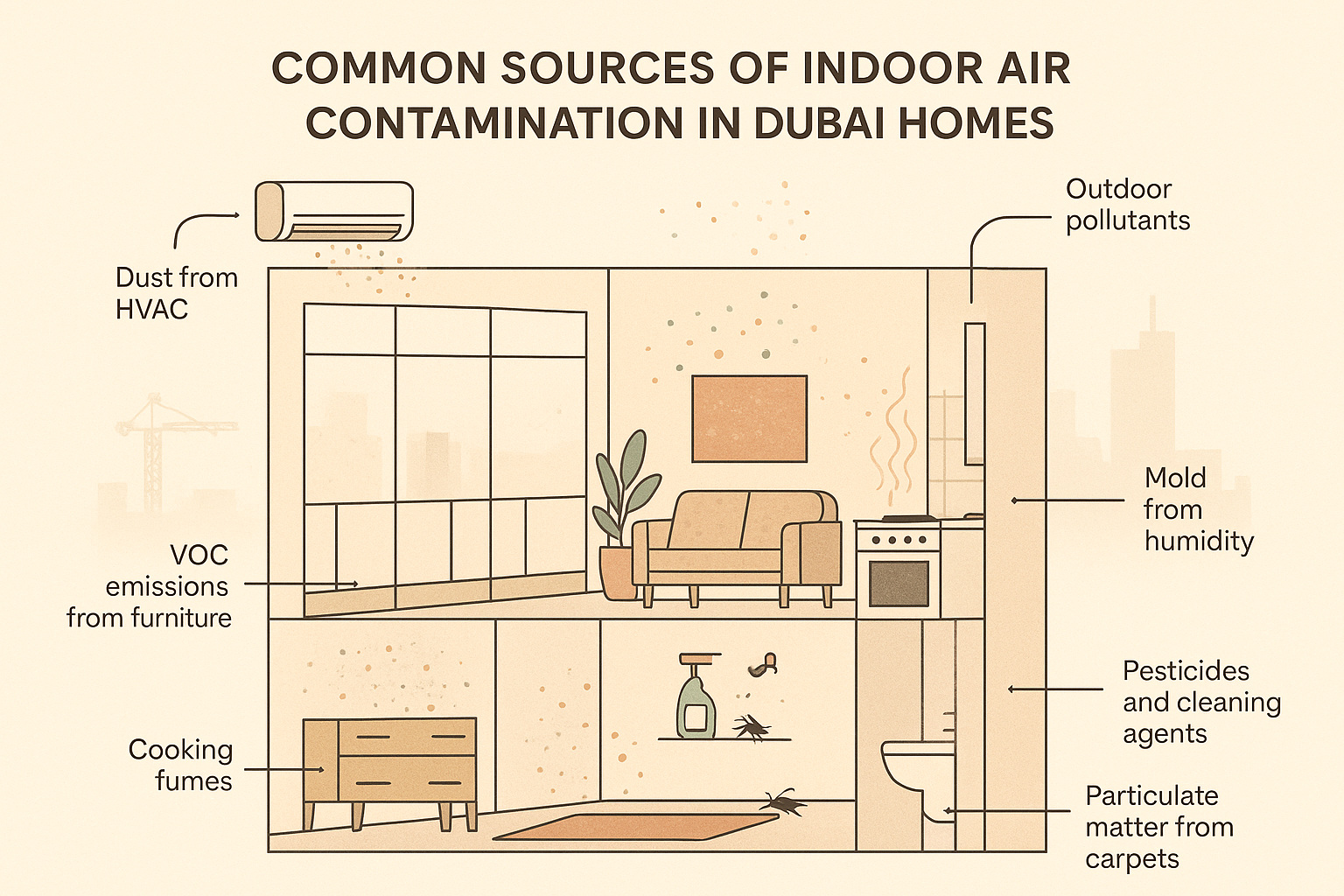
Proper ventilation systems are crucial for ensuring healthy indoor environments in schools. Inadequate ventilation can lead to poor air circulation, which increases the risk of mold growth, dust accumulation, and exposure to volatile organic compounds (VOCs) from classroom materials. This relates directly to systems for schools design and the effectiveness of ventilation planning.
The Importance of Proper Ventilation
Proper ventilation systems are not just about ensuring fresh air; they involve a comprehensive approach that addresses the unique challenges of indoor environments, making systems for schools design a critical factor in indoor air quality management.
The design of a proper ventilation system must consider factors such as building size, occupancy levels, climate conditions, and specific health risks.
Design Elements of Ventilation Systems
Proper ventilation systems should be designed to maintain appropriate temperature and humidity levels, reduce excess moisture, control airborne contaminants, and ensure adequate air exchange rates, all of which are core principles of effective systems for schools design.
By addressing these elements, we can create a healthier indoor environment that supports academic performance and overall well-being.
Air Intake and Exhaust
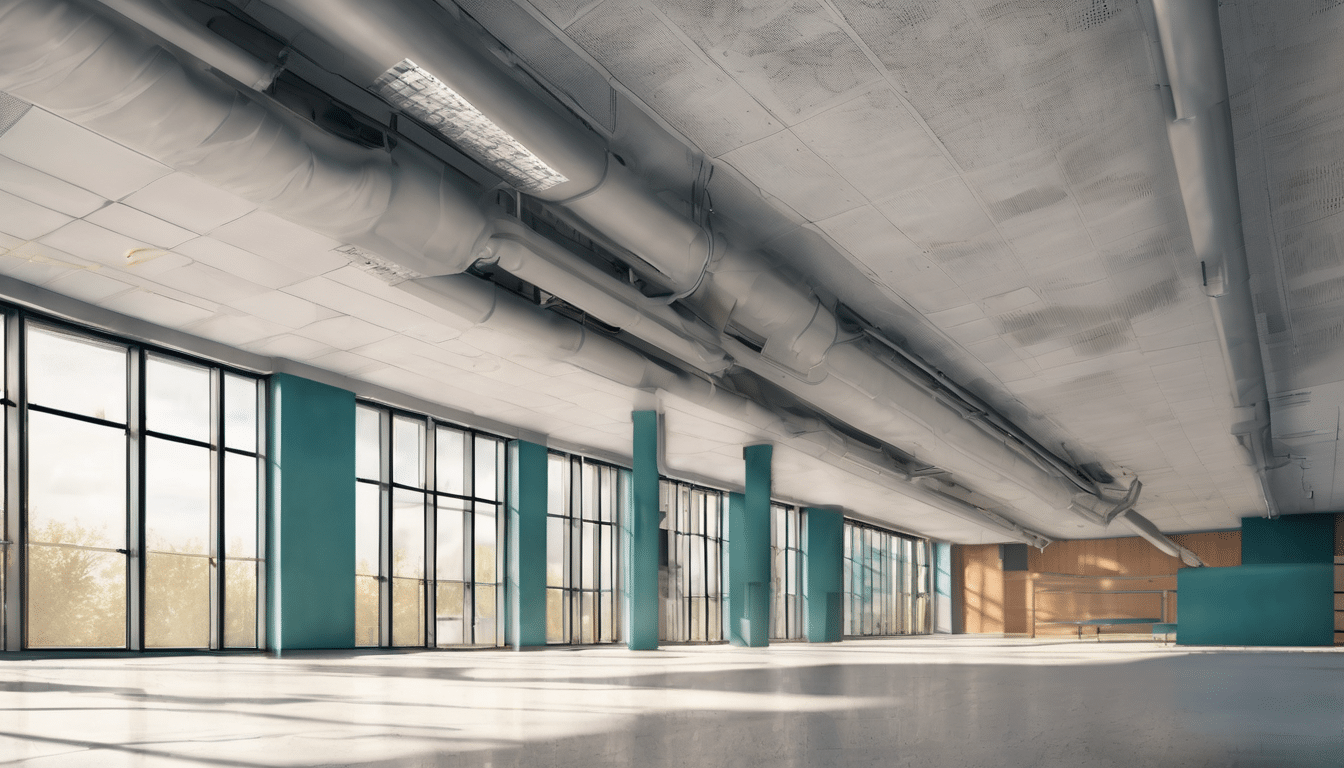
Proper ventilation systems must have effective air intake and exhaust mechanisms to ensure continuous fresh air circulation. Air intakes should be strategically placed to minimize dust and pollutant exposure, while exhausts need to be located to remove stale air from high-occupancy areas.
Air Filtration
Air filtration is another critical component of proper ventilation systems. Filters can remove particles like dust, pollen, and mold spores from the air, improving overall indoor air quality. High-efficiency particulate air (HEPA) filters are particularly effective in capturing small particles that can impact health.
Air Quality Monitoring in Schools
Continuous monitoring of Indoor Air Quality is crucial for identifying and addressing potential issues before they become serious health concerns, especially when evaluating systems for schools design and ventilation performance.
Schools can implement real-time sensors and data loggers to track parameters such as temperature, humidity, carbon dioxide levels, particulate matter, and VOCs. When considering Proper Ventilation Systems For Schools: Design, this becomes clear.
The Role of Monitoring Tools
These systems provide valuable insights into the effectiveness of the ventilation system and help identify areas that require improvement. For instance, if CO2 levels remain high despite adequate ventilation, it may indicate a need for more frequent air exchanges or additional exhaust points in crowded spaces.
Mold Prevention and Control Through Ventilation
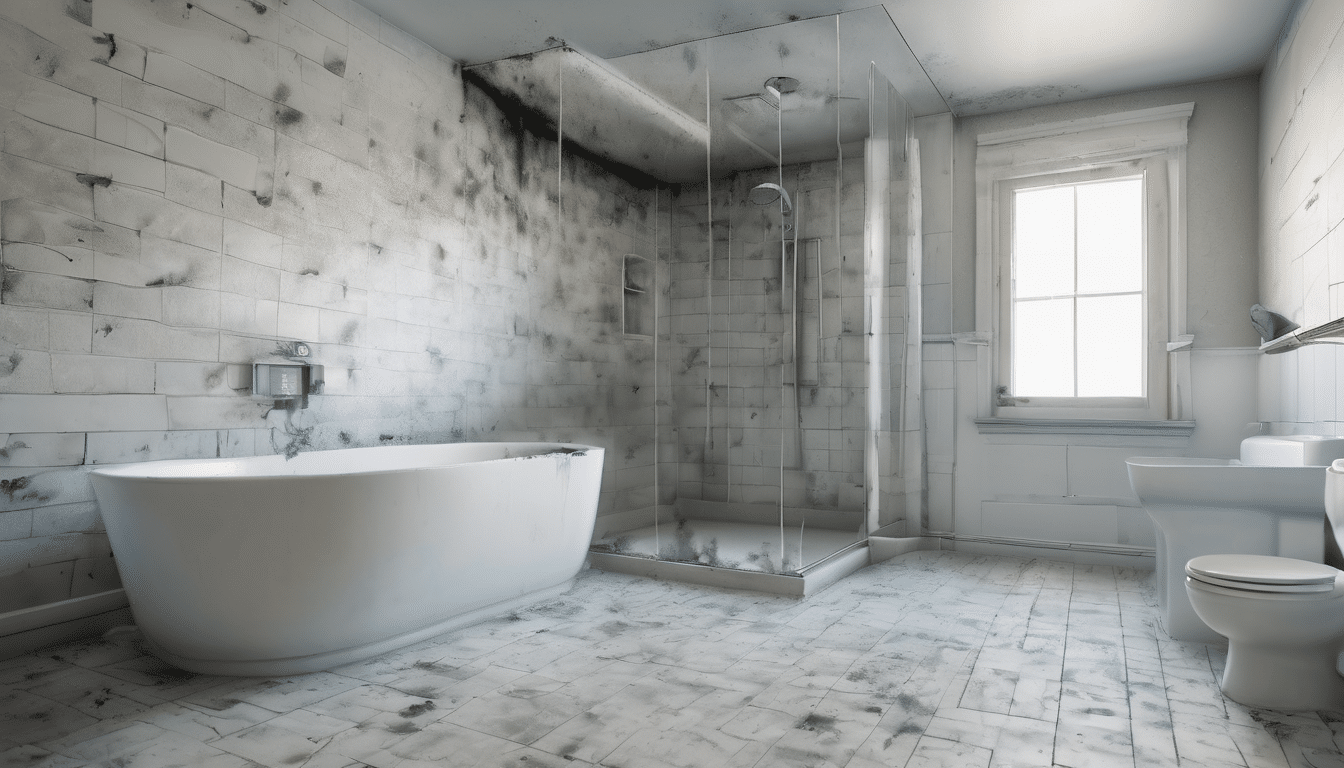
Mold growth is a significant indoor environmental issue, especially in humid climates like those found in Dubai. Proper ventilation can help prevent mold by reducing moisture accumulation and promoting dry conditions that are inhospitable to fungal growth, reinforcing the importance of systems for schools design in moisture control.
Moisture Management
Ventilation systems should be designed to manage moisture effectively. This includes ensuring proper drainage around the building, sealing gaps where moisture can enter (such as around windows and doors), and using dehumidifiers in high-risk areas like bathrooms and kitchens.
Examples of Proper Ventilation System Design
In a recent case study conducted at a school in Dubai, the existing ventilation system was assessed using thermal imaging and air quality monitoring as part of a broader review of systems for schools design.
The results revealed several areas with high humidity levels, including classrooms with large windows that allowed moisture to accumulate on cold surfaces.
Solution Implemented
To address this issue, the school implemented a combination of strategies:
1. Improved Air Filtration: High-efficiency HEPA filters were installed in key areas to capture mold spores and other particulates.
2. Enhanced Exhaust Points: Additional exhaust fans were added to high-moisture areas like bathrooms and science labs.
3. Operable Windows: To allow for natural ventilation during cooler months, operable windows were retrofitted with energy-efficient glazing. The importance of systems for schools design is evident here, particularly in improving ventilation efficiency and indoor air quality outcomes.
Expert Tips for Schools
Regular Maintenance: Schedule routine inspections and maintenance of all ventilation systems, including filters, ducts, and exhaust fans.
Training Programs: Educate teachers and administrative staff on the importance of proper ventilation and how to identify signs of poor air quality.
Monitoring Tools: Invest in real-time monitoring tools to track indoor air parameters and make data-driven decisions about system adjustments.
Energy Efficiency: Opt for energy-efficient HVAC systems that can maintain optimal indoor conditions while minimizing utility costs.
FAQ Section
- How often should ventilation systems be checked?
- Ventilation systems should be inspected at least twice a year, with more frequent checks during periods of high occupancy or after significant weather events.
Can natural ventilation alone provide adequate air quality in schools?While natural ventilation can be beneficial, it may not always be sufficient, especially in hot and humid climates. Mechanical systems are often necessary to maintain consistent indoor conditions.
What are the signs of poor ventilation in a school?Poor ventilation can lead to issues such as musty odors, high levels of CO2, excessive moisture on surfaces, and an increase in respiratory symptoms among students and staff.
Conclusion
Proper ventilation systems are essential for maintaining healthy indoor environments in schools. By considering design elements like air intake and exhaust, filtration, air exchange rates, and moisture management, schools can create spaces that promote academic success and overall well-being. Regular monitoring and maintenance are key to ensuring these systems operate effectively and address any emerging issues. Understanding systems for schools design is key to developing effective ventilation strategies that support healthy learning environments.

JV de Castro, IAC2
JV de Castro is the Chief Technology Officer at Saniservice, where he leads innovation in indoor environmental sciences, IT infrastructure, and digital transformation. With over 20 years of experience spanning architecture, building science, technology management, digital media architecture, and consultancy, he has helped organizations optimize operations through smart solutions and forward-thinking strategies. JV holds a Degree in Architecture, a Masters of Research in Anthropology, an MBA in Digital Communication & Media, along with certifications in mold, building sciences and advanced networking. Passionate about combining technology, health, and sustainability, he continues to drive initiatives that bridge science, IT, and business impact.