


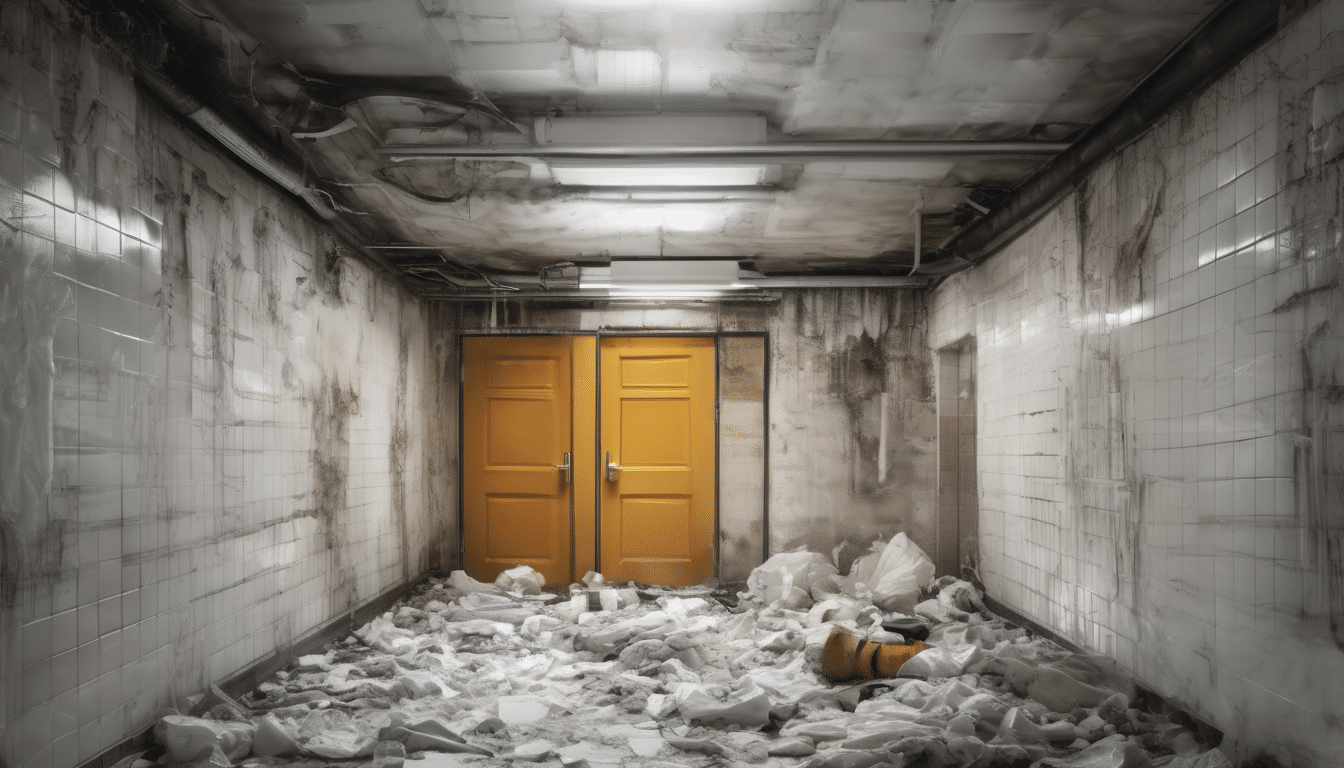
Why You Should Care: Hidden Contamination In Buildings
—
TITLE—
Understanding Hidden Contamination in Buildings: Why You Should Care
—
META—
Hidden contamination in buildings can lead to serious health issues. Learn why a thorough assessment is crucial for protecting your family’s wellbeing. This relates directly to Hidden Contamination In Buildings: Why You Should Care.
—
EXCERPT—
In the hidden corners of our homes and offices, there may be dangerous contaminants that go unnoticed until it’s too late. Hidden contamination in buildings not only poses significant health risks but also affects property values and occupant comfort. This article will guide you through why a comprehensive assessment is essential to uncover these hidden threats.
—
—
—
Introduction to Hidden Contamination in Buildings
Hidden contamination in buildings can be a silent threat, lurking behind walls, beneath floors, and within HVAC systems. These contaminants are often invisible to the naked eye but can have serious implications for health and property value. As homes and commercial spaces become more complex with advanced construction techniques and materials, the risk of hidden contamination increases.
—
Understanding Hidden Contamination in Buildings: Why You Should Care
Understanding Hidden Contamination in Buildings: Why You Should Care
Hidden contamination can be a critical issue for both homeowners and property managers. The problem is multifaceted, involving biological, chemical, and physical factors that contribute to indoor air quality (IAQ) issues.
—
Biological Contaminants
Mold, bacteria, viruses, dust mites, and other biological agents can thrive in hidden areas of buildings. Mold, for example, can grow behind walls, under floors, or in HVAC systems, leading to respiratory issues, allergies, and even toxic mold exposure.
—
Chemical Contaminants
Chemical contaminants such as volatile organic compounds (VOCs), formaldehyde, and other off-gassing chemicals can accumulate in hidden spaces. These chemicals can have long-term health effects, including respiratory problems and neurological issues.
—
Physical Contaminants
Physical contaminants like lead paint dust or asbestos fibers can be released into the air when building materials deteriorate unnoticed. These particles can cause severe health problems if inhaled.
—
Common Types of Hidden Contamination
Hidden contamination can take many forms, and identifying them requires a thorough investigation. Some common types include:
Hidden Contamination In Buildings: Why You Should Care – Common Types of Hidden Contamination
1. Mold and Fungi
Mold is one of the most common hidden contaminants found in buildings. It thrives in damp, humid environments and can produce mycotoxins that are harmful to human health.
—
2. Bacteria and Viruses
Bacterial colonies can form in areas with poor ventilation or where water damage has occurred. Viruses can also be present in hidden spaces, especially if there is a history of illness in the building.
—
3. Dust Mites and Allergens
Dust mites are tiny insects that thrive in warm, humid conditions. Their droppings can trigger allergic reactions and asthma symptoms, making them a significant health concern in hidden areas like carpets and mattresses.
—
4. VOCs and Chemical Off-gassing
Volatile organic compounds (VOCs) and other chemicals from materials used in construction or renovations can off-gas over time, causing indoor air pollution and health issues.
—
5. Lead Paint Dust and Asbestos Fibers
Lead paint dust is a common issue in older buildings, while asbestos fibers can be released during renovation work. Both pose serious health risks if not properly managed.
—
Signs and Symptoms of Hidden Contamination
Recognizing hidden contamination early is crucial to prevent long-term damage. Here are some signs that may indicate the presence of hidden contaminants:
Hidden Contamination In Buildings: Why You Should Care – Signs and Symptoms of Hidden Contamination
1. Unusual Odors
Musty, moldy, or chemical odors can be an early indicator of hidden contamination.
—
2. Allergic Reactions and Respiratory Issues
Sneezing, coughing, watery eyes, and other allergy symptoms may suggest the presence of mold, dust mites, or bacteria.
—
3. Water Damage Signs
Water stains, peeling paint, or soft spots in walls can indicate hidden water damage that supports microbial growth.
—
4. Health Issues Among Occupants
Persistent coughing, headaches, fatigue, and other unexplained health issues may be linked to indoor contaminants.
—
Why You Should Order a Phase 1 Environmental Assessment
A comprehensive phase 1 environmental assessment is essential for uncovering hidden contamination in buildings. This professional service evaluates the property’s past and present conditions to identify potential risks.
Why You Should Order a Phase 1 Environmental Assessment
1. Comprehensive Evaluation
A phase 1 assessment covers all aspects of the building, including structural integrity, HVAC systems, and water management.
—
2. Identifying Potential Hazards
This evaluation can uncover hidden hazards that may not be visible during routine inspections or cleaning.
—
3. Protecting Health and Safety
Identifying contaminants early helps prevent health issues for occupants and reduces the risk of property damage.
—
4. Preserving Property Value
A clean, healthy building is more attractive to buyers and can maintain its value over time.
—
Preventing and Managing Hidden Contamination
Prevention and management are crucial steps in dealing with hidden contamination. Here’s how you can protect your home or office from these threats:
Preventing and Managing Hidden Contamination
1. Regular Maintenance
Regularly inspecting the building for signs of water damage, mold growth, or other issues is essential.
—
2. Proper Ventilation
Ensuring adequate ventilation in all areas can help reduce humidity levels and prevent mold growth.
—
3. Professional Cleaning Services
Hiring professionals to clean hidden areas like HVAC systems and attics can uncover and remove contaminants before they cause health problems.
—
4. Regular Testing
Regular indoor air quality testing can identify potential issues early, allowing for prompt action.
—
5. Prompt Remediation
Addressing any identified contamination immediately is crucial to prevent further damage and protect occupant health.
—
Expert Tips for Dealing with Hidden Contamination
Here are some expert tips to help you deal with hidden contamination effectively:
1. Hire a Professional Inspector
A qualified indoor environmental professional can perform detailed inspections and identify hidden hazards that may not be apparent to the naked eye.
—
2. Implement Regular Maintenance Programs
Develop a routine maintenance schedule for your building, focusing on high-risk areas like HVAC systems and plumbing fixtures.
—
3. Use High-Quality Filters in HVAC Systems
Installing high-efficiency particulate air (HEPA) filters can help remove microscopic particles from the air, reducing allergens and other contaminants.
—
4. Improve Humidity Control
Use dehumidifiers or humidifiers to maintain optimal humidity levels, which can prevent mold growth.
—
5. Educate Occupants About Indoor Air Quality
Informing occupants about the importance of good indoor air quality and how they can contribute to maintaining a healthy environment is crucial.
—
FAQ Section
1. Q: What is a phase 1 environmental assessment?
A phase 1 environmental assessment involves an initial inspection to identify potential contamination risks in buildings, focusing on past and present conditions.
—
2. Q: How often should I have my home inspected for hidden contaminants?
It’s recommended to conduct regular inspections, especially after significant renovations or if occupants experience unexplained health issues.
—
3. Q: Can I do a DIY inspection for hidden contamination?
While self-inspections can be useful, professional inspectors are better equipped to identify and address complex issues.
—
Conclusion
Hidden contamination in buildings is a serious concern that requires careful attention and management. By understanding the risks associated with hidden contaminants, you can take proactive steps to protect your home or office from these threats. A comprehensive phase 1 environmental assessment is an essential tool for uncovering hidden dangers, ensuring a healthier indoor environment. Understanding Hidden Contamination In Buildings: Why You Should Care is key to success in this area.

JV de Castro, IAC2
JV de Castro is the Chief Technology Officer at Saniservice, where he leads innovation in indoor environmental sciences, IT infrastructure, and digital transformation. With over 20 years of experience spanning architecture, building science, technology management, digital media architecture, and consultancy, he has helped organizations optimize operations through smart solutions and forward-thinking strategies. JV holds a Degree in Architecture, a Masters of Research in Anthropology, an MBA in Digital Communication & Media, along with certifications in mold, building sciences and advanced networking. Passionate about combining technology, health, and sustainability, he continues to drive initiatives that bridge science, IT, and business impact.




Leave a Reply