Carbon Dioxide Levels And Their Impact On Indoor Air Quality
Understanding Carbon Dioxide Levels And Their Impact On Indoor Air Quality is key to success in this area.
Table of Contents
- Understanding Carbon Dioxide Levels and Their Impact on Indoor Air Quality
- Sources of Carbon Dioxide in Indoor Environments
- Measurement Methods for Carbon Dioxide
- Health Impacts of High Carbon Dioxide Levels
- Impact on Productivity and Health
- VOC Testing and Carbon Dioxide Measurement
- Strategies for Controlling Carbon Dioxide Levels
- Carbon Dioxide Sampling and Analysis
- Carbon Dioxide Impact on Residential Environments
- Carbon Dioxide and Radon Connection
- Expert Tips for Managing Carbon Dioxide Levels
- FAQ Section
- Conclusion
Understanding Carbon Dioxide Levels and Their Impact on Indoor Air Quality
Understanding Carbon Dioxide Levels And Their Impact On Indoor Air Quality is essential. Carbon dioxide is a naturally occurring gas that is essential for life. However, in enclosed indoor environments, the concentration of CO2 can rise due to human activities such as breathing, cooking, and heating. Excessive levels of CO2 can lead to poor air quality, which has significant implications for health and productivity.
Sources of Carbon Dioxide in Indoor Environments
CO2 is generated through various activities within indoor spaces. The primary sources include:
- Breathing: Occupants exhale CO2, which increases the concentration in enclosed areas.
- Cooking and Heating: These processes release CO2 as a byproduct of combustion.
- Microbial Activity: Bacteria and other microorganisms can produce CO2 during their metabolic activities.
Measurement Methods for Carbon Dioxide
To monitor CO2 levels, several methods are available:
- Portable CO2 Meters: Handheld devices that provide real-time readings and can be used in various indoor environments.
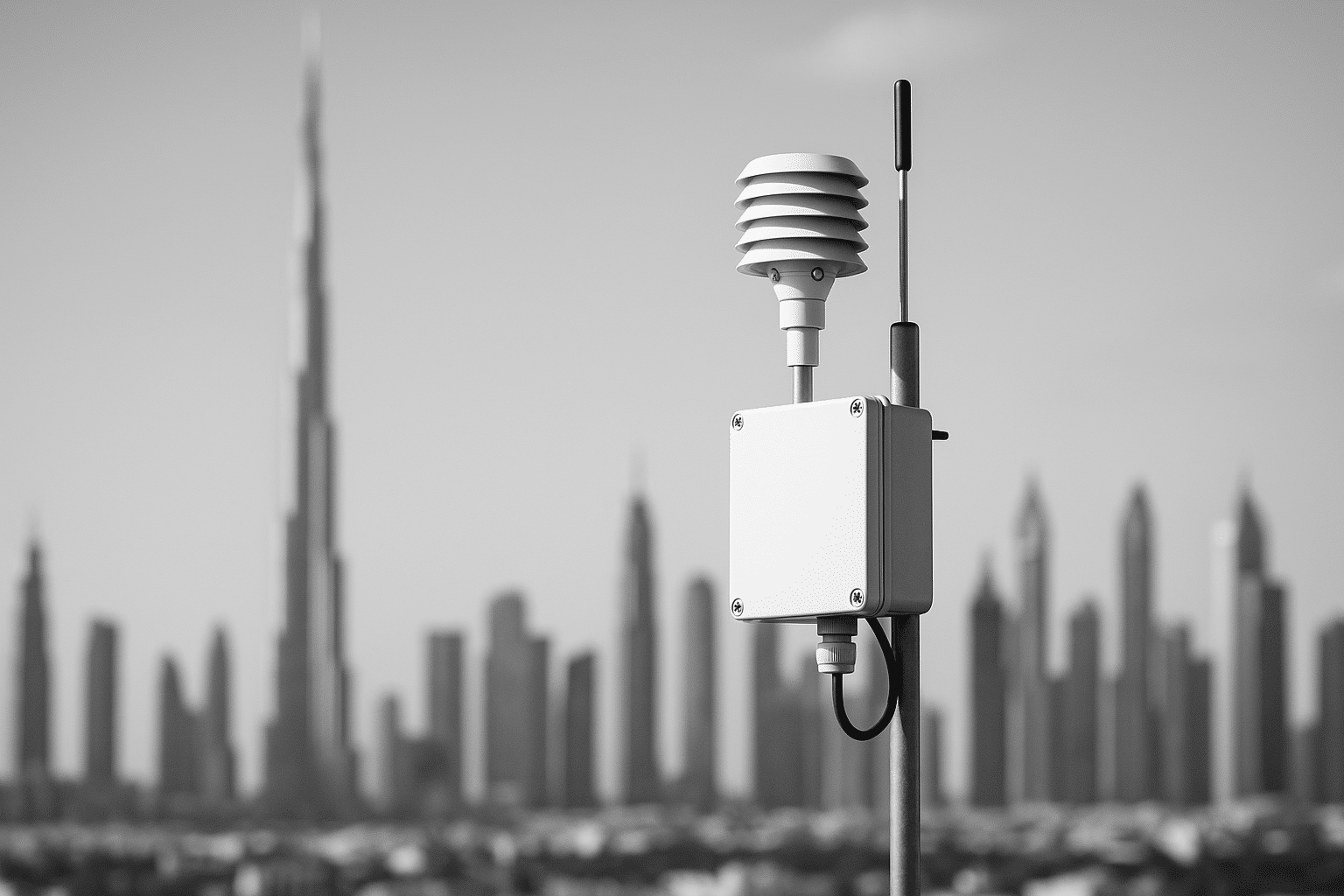
- Digital Sensors: Integrated into HVAC systems to continuously monitor CO2 levels and trigger ventilation adjustments.
- Manual Sampling: Collecting samples using syringes or bags for later analysis in a laboratory setting.
Health Impacts of High Carbon Dioxide Levels
Exposure to elevated CO2 levels can have several adverse effects on human health:
- Mild Irritation: Low concentrations may cause eye and throat irritation.
- Drowsiness and Fatigue: Moderate increases in CO2 levels can lead to drowsiness, fatigue, and reduced cognitive performance.
- Hypoxia Symptoms: Severe cases of high CO2 concentrations can result in hypoxia symptoms such as headaches, nausea, and disorientation.
VOC Testing and Carbon Dioxide Measurement
While VOCs (volatile organic compounds) are often the focus of indoor air quality assessments, CO2 levels should also be considered as they can impact overall air quality. Both measurements complement each other in providing a holistic view of indoor air conditions. This relates directly to Carbon Dioxide Levels And Their Impact On Indoor Air Quality.
Impact on Productivity and Health
High CO2 levels can significantly affect productivity and health:
- Cognitive Function Decline: Studies have shown that elevated CO2 concentrations reduce cognitive performance, leading to decreased productivity.
- Mental Fatigue: Prolonged exposure to high CO2 levels can cause mental fatigue and reduced alertness.
- Respiratory System Stress: High CO2 levels can stress the respiratory system, especially in individuals with pre-existing conditions such as asthma or chronic obstructive pulmonary disease (COPD).
VOC and Carbon Dioxide Testing in the Office
Offices are particularly vulnerable to high CO2 levels due to limited ventilation. Implementing regular testing for both VOCs and CO2 can help maintain a healthy work environment:
- Testing Frequency: Conduct tests at least once a month or as recommended by local regulations.
- Monitoring Systems: Install continuous monitoring systems to ensure real-time data on both VOCs and CO2 levels.
- Action Plan: Develop an action plan for addressing high CO2 levels, including adjusting ventilation settings and increasing plant density in the office.
Strategies for Controlling Carbon Dioxide Levels
Effective strategies to control CO2 levels include:
- Increase Ventilation Rates: Enhance natural ventilation by opening windows and doors, or use mechanical ventilation systems.
- Improve Air Exchange: Ensure proper air exchange rates in HVAC systems to reduce CO2 accumulation.
- Implement Carbon Dioxide Sensors: Use digital sensors to monitor CO2 levels and automatically adjust ventilation as needed.
- Promote Green Spaces: Incorporate indoor plants that can help absorb CO2 through photosynthesis, improving overall air quality.
Carbon Dioxide Sampling and Analysis
Regular sampling and analysis are essential for understanding the dynamics of CO2 levels:
- Sampling Techniques: Use syringes or bags to collect air samples from different areas of the indoor space.
- Laboratory Analysis: Send collected samples to a certified laboratory for accurate measurement and analysis.
- Data Interpretation: Analyze results to identify patterns and trends, which can inform ventilation adjustments and other control measures.
Carbon Dioxide Impact on Residential Environments
Residences are also affected by high CO2 levels, especially in homes with poor ventilation:
- Ventilation Systems: Ensure that residential HVAC systems have adequate exhaust and supply airflows to maintain proper CO2 levels.
- Nighttime Ventilation: Consider installing timers or smart devices to control ventilation during less occupied periods, such as nighttime.
- Energy Efficiency: Balance energy efficiency with proper ventilation by using programmable thermostats and fans that can be set to operate based on CO2 levels.
Carbon Dioxide and Radon Connection
While not directly related, both CO2 and radon are important indicators of indoor air quality. Monitoring for one often complements monitoring the other: When considering Carbon Dioxide Levels And Their Impact On Indoor Air Quality, this becomes clear.
- Radon Testing: Conduct regular radon testing to ensure safety in residential environments.
- Multidisciplinary Approach: Adopt a multidisciplinary approach that considers both CO2 and radon levels for comprehensive indoor air quality management.
Expert Tips for Managing Carbon Dioxide Levels
Here are some practical tips to manage CO2 levels effectively:
- Regular Testing: Perform regular CO2 testing in all indoor spaces, including offices and residences.
- Optimize Ventilation Systems: Ensure HVAC systems operate efficiently by optimizing ventilation rates and air exchange.
- Use Smart Devices: Employ smart thermostats and fans that can adjust based on CO2 levels to maintain optimal indoor air quality.
- Incorporate Greenery: Introduce indoor plants that can help absorb CO2, enhancing the overall air quality.
- Monitor Occupant Behavior: Encourage practices like regular window opening and use of carbon dioxide sensors to ensure proper ventilation.
FAQ Section
Here are some frequently asked questions about managing CO2 levels:
- Q: How often should I test for CO2 in my home or office?
- A: It is recommended to perform tests at least once a month, especially during peak occupancy times.
Q: Are there any legal requirements for monitoring CO2 levels in indoor environments?
A: While specific regulations vary by region, many countries recommend or require regular testing in public buildings and workplaces to ensure compliance with health and safety standards.
The importance of Carbon Dioxide Levels And Their Impact On Indoor Air Quality is evident here.
Q: Can high CO2 levels cause long-term health issues?
A: Prolonged exposure to elevated CO2 levels can lead to chronic health problems such as respiratory irritation, headaches, and cognitive decline. Regular monitoring is crucial to prevent these issues.
Conclusion
Managing carbon dioxide levels in indoor environments is essential for maintaining a healthy living or working space. By understanding the sources of CO2, implementing effective measurement methods, and adopting strategies to control it, you can significantly improve air quality and enhance overall health and productivity. Regular testing, optimized ventilation systems, and smart devices are key components of a comprehensive approach to managing CO2 levels. Understanding Carbon Dioxide Levels And Their Impact On Indoor Air Quality helps with this aspect.

JV de Castro, IAC2
JV de Castro is the Chief Technology Officer at Saniservice, where he leads innovation in indoor environmental sciences, IT infrastructure, and digital transformation. With over 20 years of experience spanning architecture, building science, technology management, digital media architecture, and consultancy, he has helped organizations optimize operations through smart solutions and forward-thinking strategies. JV holds a Degree in Architecture, a Masters of Research in Anthropology, an MBA in Digital Communication & Media, along with certifications in mold, building sciences and advanced networking. Passionate about combining technology, health, and sustainability, he continues to drive initiatives that bridge science, IT, and business impact.