Common Dubai Indoor Air Pollutants and Sources Explained
Common Dubai Indoor Air Pollutants and Sources refer to the specific contaminants and their origins that affect indoor air quality in Dubai‘s unique climate and built environment. These pollutants range from biological agents like mould and bacteria to chemical compounds from building materials and particulate matter from the desert environment. Understanding these Common Dubai Indoor Air Pollutants and Sources is essential for homeowners, facility managers, and health-conscious residents who want to maintain optimal indoor air quality in a region where air conditioning creates sealed environments that can concentrate contaminants.
The UAE’s rapid urban development, combined with its desert climate and high humidity levels, creates distinctive challenges for indoor air quality. Many residents spend up to 90% of their time indoors, making the identification and management of Common Dubai Indoor Air Pollutants and Sources a critical health consideration. From high-rise apartments to luxury villas, these contaminants can affect respiratory health, trigger allergies, and impact overall wellbeing if not properly addressed through scientific investigation and targeted remediation strategies.
Understanding Common Dubai Indoor Air Pollutants and Sources
Common Dubai Indoor Air Pollutants and Sources represent a complex interplay between the region’s climate, construction practices, and lifestyle factors. The extreme outdoor temperatures that frequently exceed 40°C during summer months force residents to keep windows closed and rely heavily on air conditioning systems. This creates sealed indoor environments where pollutants can accumulate to concentrations 2-5 times higher than outdoor levels, according to environmental health research.
The architectural design of many Dubai properties, particularly those with limited natural ventilation pathways, contributes significantly to the persistence of Common Dubai Indoor Air Pollutants and Sources. Modern construction materials, combined with the rapid pace of development in the Emirates, often result in buildings that trap contaminants rather than allowing for adequate air exchange. This problem is particularly pronounced in properties that underwent quick construction to meet Dubai’s rapid urbanization demands.
The Dubai Climate Factor
Dubai’s unique climate plays a crucial role in shaping Common Dubai Indoor Air Pollutants and Sources. The combination of high outdoor temperatures and humidity levels creates ideal conditions for biological growth while simultaneously limiting natural ventilation opportunities. The temperature differential between air-conditioned interiors and the harsh external environment can reach 20-25°C, creating thermal bridging issues that lead to condensation and moisture problems within building assemblies.
Common Dubai Indoor Air Pollutants And Sources – Biological Contaminants in Dubai Indoor Environments
Biological contaminants represent some of the most significant Common Dubai Indoor Air Pollutants and Sources, particularly mould species that thrive in the region’s climate. The constant operation of air conditioning systems creates condensation that, when combined with Dubai’s high humidity levels, provides ideal conditions for microbial growth. We have identified Aspergillus, Penicillium, and Cladosporium as the most prevalent mould genera in Dubai properties through our laboratory analysis.
These biological Common Dubai Indoor Air Pollutants and Sources often originate from hidden areas within building structures. Behind skirting boards, within wall cavities, and underneath flooring materials, moisture accumulation creates micro-environments where mould colonies can develop undetected. The problem is particularly acute in properties where thermal bridging occurs at junctions between building elements, creating cold surfaces where condensation forms regularly despite the overall dry desert climate.
Dust Mites and Allergens
Dust mites represent another significant biological component of Common Dubai Indoor Air Pollutants and Sources, thriving in the upholstery, bedding, and carpeting of Dubai homes. These microscopic organisms feed on human skin cells and prefer environments with relative humidity above 50%, which many air-conditioned spaces maintain. Their faecal particles become airborne and can trigger allergic reactions and asthma symptoms in sensitive individuals.
Common Dubai Indoor Air Pollutants And Sources – Chemical Pollutants in UAE Buildings
Chemical pollutants form a substantial category within Common Dubai Indoor Air Pollutants and Sources, with volatile organic compounds (VOCs) being particularly prevalent. These compounds off-gas from building materials, furnishings, cleaning products, and even personal care items. Formaldehyde, benzene, and toluene are among the most frequently detected VOCs in Dubai indoor environments, with concentrations often exceeding World Health Organisation guidelines.
The rapid turnover of rental properties in Dubai contributes significantly to these Common Dubai Indoor Air Pollutants and Sources. Frequent repainting, new furniture installation, and renovation activities introduce fresh sources of chemical emissions into indoor spaces. Many imported building materials and furnishings contain higher levels of VOC-emitting compounds than would be permitted in their countries of manufacture, creating persistent indoor air quality challenges.
| Chemical Pollutant | Common Sources in Dubai | Health Impacts |
|---|---|---|
| Formaldehyde | Particleboard, MDF furniture, adhesives | Respiratory irritation, carcinogenic risk |
| Benzene | Paints, solvents, attached garages | Blood disorders, increased cancer risk |
| Toluene | Paint thinners, nail polish, cleaning agents | Neurological effects, liver damage |
| Xylene | Printers, photographic developing | Headaches, respiratory issues |
Particulate Matter in Dubai Indoor Air
Particulate matter constitutes a major component of Common Dubai Indoor Air Pollutants and Sources, with PM2.5 and PM10 particles presenting particular concerns for respiratory health. Dubai’s desert environment generates substantial airborne dust that infiltrates buildings through ventilation systems, doorways, and window seals. These particles carry not only mineral components but also biological contaminants and chemical pollutants adsorbed onto their surfaces.
The construction boom across Dubai and the broader UAE contributes significantly to these Common Dubai Indoor Air Pollutants and Sources. Ongoing development projects generate fine particulate matter that can travel considerable distances and penetrate building envelopes. Indoor activities such as cooking, cleaning, and even walking on carpets can resuspend settled particles, creating continuous exposure scenarios for building occupants.
Vehicle Emission Contributions
Traffic emissions represent an important source of particulate matter among Common Dubai Indoor Air Pollutants and Sources, particularly in properties located near major roadways. Diesel particles from construction equipment and vehicle traffic contain polycyclic aromatic hydrocarbons and other toxic compounds that can infiltrate buildings. Properties with underground parking facilities often experience elevated levels of vehicle-related pollutants through elevator shafts and ventilation pathways.
Humidity-Related Pollutants in Dubai Climate
Humidity-related issues create unique challenges within Common Dubai Indoor Air Pollutants and Sources, despite Dubai’s desert climate. The combination of high outdoor humidity levels (often exceeding 80% during certain seasons) and aggressive air conditioning creates condensation problems that many property owners underestimate. This moisture accumulation leads to biological growth and chemical reactions that degrade indoor air quality.
The temperature differential between Dubai’s extreme outdoor heat and air-conditioned interiors creates thermal bridges where condensation occurs persistently. These Common Dubai Indoor Air Pollutants and Sources often develop in building elements with poor insulation, around window frames, and at structural junctions. The resulting moisture supports mould growth and increases the off-gassing rate of certain chemical pollutants from building materials.
Relative Humidity Management
Maintaining optimal relative humidity levels between 40-60% represents a critical strategy for controlling Common Dubai Indoor Air Pollutants and Sources. Many Dubai hvac systems struggle with humidity control, focusing primarily on temperature regulation. This can result in spaces that feel cool but maintain humidity levels conducive to dust mite proliferation and mould growth, particularly in less frequently occupied rooms or areas with poor air circulation.
Building Material Sources of Indoor Pollutants
Building materials constitute fundamental Common Dubai Indoor Air Pollutants and Sources, with many construction products emitting chemicals for months or years after installation. The rapid pace of development in Dubai has sometimes prioritized speed over material selection, leading to the use of products with high emission rates. We have documented cases where newly constructed properties required extensive ventilation periods before becoming habitable without health concerns.
Imported materials represent a significant proportion of these Common Dubai Indoor Air Pollutants and Sources, with varying standards and regulations governing their production. Some materials that meet regulatory requirements in their countries of origin may still emit chemicals at levels that become problematic in Dubai’s sealed building environments. The lack of comprehensive labelling requirements for chemical emissions further complicates material selection for health-conscious developers and homeowners.
Composite Wood Products
Composite wood products including medium-density fibreboard (MDF) and particleboard are particularly significant Common Dubai Indoor Air Pollutants and Sources. These materials, commonly used in cabinetry, furniture, and interior finishes, typically contain urea-formaldehyde resins that continue to off-gas for extended periods. The emission rates increase with temperature and humidity, creating higher concentrations in Dubai’s climate than might occur in cooler regions.
HVAC System Contributions to Indoor Pollution
HVAC systems represent both a control mechanism and a source among Common Dubai Indoor Air Pollutants and Sources. Poorly maintained air conditioning systems can distribute contaminants throughout buildings while simultaneously creating environments conducive to biological growth. The cooling coils, drain pans, and ductwork of HVAC systems provide ideal conditions for microbial proliferation when not properly maintained.
Ductwork contamination constitutes a significant aspect of Common Dubai Indoor Air Pollutants and Sources, with dust accumulation, mould growth, and even pest infestations occurring in neglected systems. The design of many Dubai HVAC systems incorporates flexible ducting that can develop internal condensation problems, particularly when insulation becomes compromised. Regular inspection and cleaning of these systems is essential for preventing them from becoming amplifiers rather than controllers of indoor pollutants.
Filter Efficiency Limitations
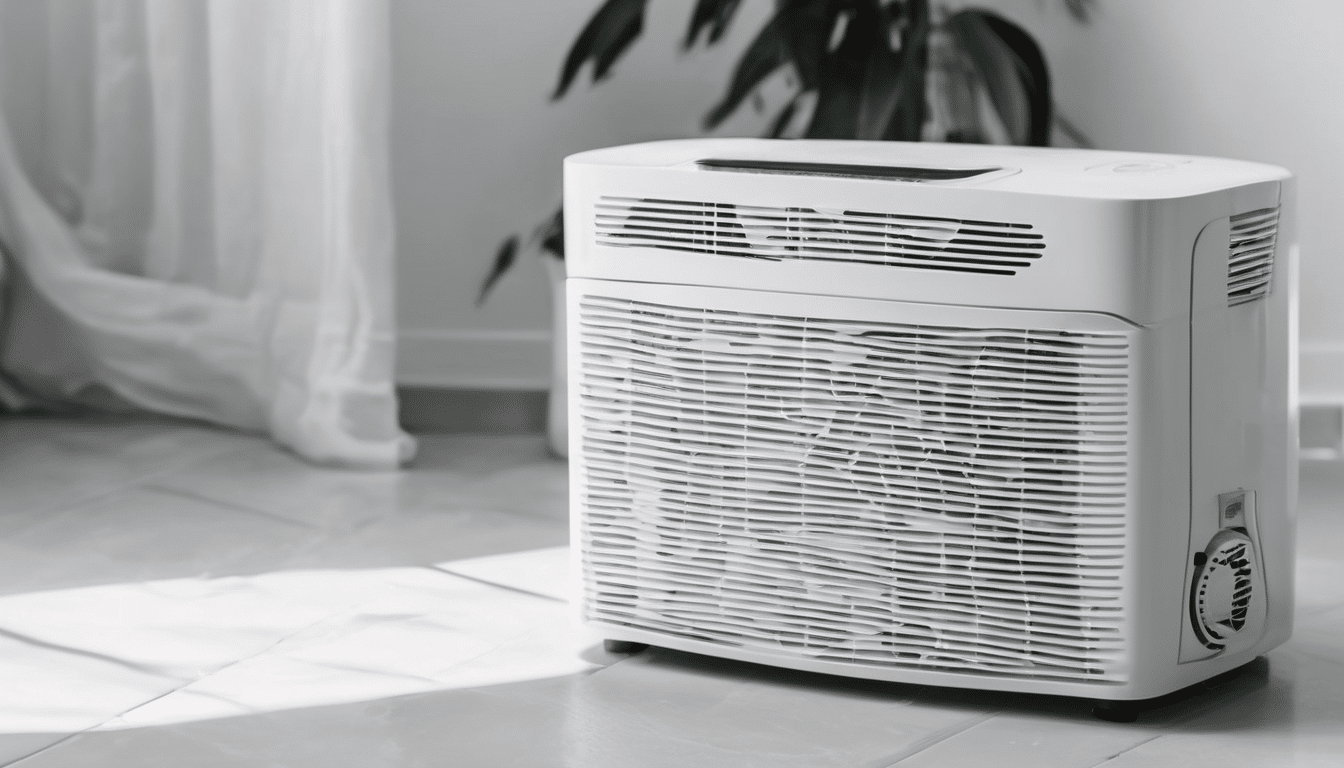
Standard HVAC filters installed in many Dubai properties provide limited protection against Common Dubai Indoor Air Pollutants and Sources. Most basic filters capture only larger particles while allowing fine particulate matter, chemical vapours, and microbial contaminants to pass through. Upgrading to higher-efficiency particulate air (HEPA) filters and incorporating activated carbon layers can significantly reduce the circulation of these pollutants throughout indoor spaces.
Expert Tips for Reducing Common Dubai Indoor Air Pollutants
Effectively managing Common Dubai Indoor Air Pollutants and Sources requires a systematic approach based on scientific principles rather than temporary solutions. Our experience with hundreds of Dubai properties has demonstrated that addressing root causes rather than symptoms provides the most sustainable improvements to indoor air quality. The following strategies have proven effective for reducing exposure to Common Dubai Indoor Air Pollutants and Sources.
First, implement regular HVAC maintenance including professional cleaning of coils, drain pans, and ductwork. This addresses biological sources of Common Dubai Indoor Air Pollutants and Sources at their point of amplification. Second, upgrade filtration to MERV 13 or higher filters that capture finer particles while maintaining adequate airflow. Third, control humidity levels through properly sized dehumidification systems or HVAC adjustments to maintain 40-60% relative humidity.
Fourth, select low-VOC materials when renovating or furnishing properties to reduce chemical Common Dubai Indoor Air Pollutants and Sources. Fifth, improve ventilation through balanced mechanical systems or strategic window opening during cooler periods. Sixth, address moisture intrusion points through proper building envelope maintenance and repair. Seventh, use air purifiers with HEPA and activated carbon filtration in frequently occupied spaces. Eighth, conduct regular indoor air quality testing to identify specific Common Dubai Indoor Air Pollutants and Sources requiring targeted intervention.
Frequently Asked Questions
What are the most dangerous Common Dubai Indoor Air Pollutants and Sources?
The most hazardous Common Dubai Indoor Air Pollutants and Sources include mould species that produce mycotoxins, fine particulate matter that penetrates deep into lungs, and chemical pollutants like formaldehyde with known carcinogenic properties. The combination of these pollutants in sealed environments creates particular concern for children, elderly residents, and those with respiratory conditions.
How often should I test for Common Dubai Indoor Air Pollutants and Sources?
We recommend annual testing for Common Dubai Indoor Air Pollutants and Sources for most residential properties, with more frequent testing (quarterly) for properties with known issues or sensitive occupants. Testing should include particle counts, VOC levels, humidity measurements, and microbial sampling to provide a comprehensive assessment of indoor air quality.
Can air purifiers eliminate all Common Dubai Indoor Air Pollutants and Sources?
While high-quality air purifiers significantly reduce many Common Dubai Indoor Air Pollutants and Sources, they cannot address all contamination issues. Purifiers effectively remove particulate matter and some chemical vapours but cannot eliminate pollutants originating from building materials or hidden mould growth. A comprehensive approach addressing both ventilation and source control is necessary for optimal results.
How does Dubai’s climate affect Common Dubai Indoor Air Pollutants and Sources?
Dubai’s climate significantly influences Common Dubai Indoor Air Pollutants and Sources through high outdoor temperatures that necessitate sealed buildings, humidity levels that support biological growth, and desert dust that infiltrates indoor spaces. The extreme temperature differential between indoors and outdoors creates condensation issues that are unique to the region’s climate conditions.
Are new buildings safer from Common Dubai Indoor Air Pollutants and Sources?
New buildings often have higher levels of chemical Common Dubai Indoor Air Pollutants and Sources due to off-gassing from construction materials, furnishings, and finishes. While they may have fewer biological contamination issues initially, proper ventilation and material selection are crucial for maintaining healthy indoor air quality in newly constructed properties.
Understanding Common Dubai Indoor Air Pollutants and Sources represents the foundation for creating healthier indoor environments in the UAE’s unique climate. By recognizing the specific contaminants that affect Dubai properties and their originating sources, residents and facility managers can implement targeted strategies that address root causes rather than symptoms. From biological contaminants thriving in air conditioning systems to chemical pollutants off-gassing from building materials, each category of Common Dubai Indoor Air Pollutants and Sources requires specific intervention approaches.
The combination of scientific testing, proper building maintenance, and informed material selection provides the most effective defense against Common Dubai Indoor Air Pollutants and Sources. Regular monitoring of indoor air quality parameters allows for early detection of issues before they become significant health concerns. As Dubai continues to develop and refine its built environment, attention to these Common Dubai Indoor Air Pollutants and Sources will play an increasingly important role in ensuring that indoor spaces support rather than compromise occupant health and wellbeing.

JV de Castro, IAC2
JV de Castro is the Chief Technology Officer at Saniservice, where he leads innovation in indoor environmental sciences, IT infrastructure, and digital transformation. With over 20 years of experience spanning architecture, building science, technology management, digital media architecture, and consultancy, he has helped organizations optimize operations through smart solutions and forward-thinking strategies. JV holds a Degree in Architecture, a Masters of Research in Anthropology, an MBA in Digital Communication & Media, along with certifications in mold, building sciences and advanced networking. Passionate about combining technology, health, and sustainability, he continues to drive initiatives that bridge science, IT, and business impact.