


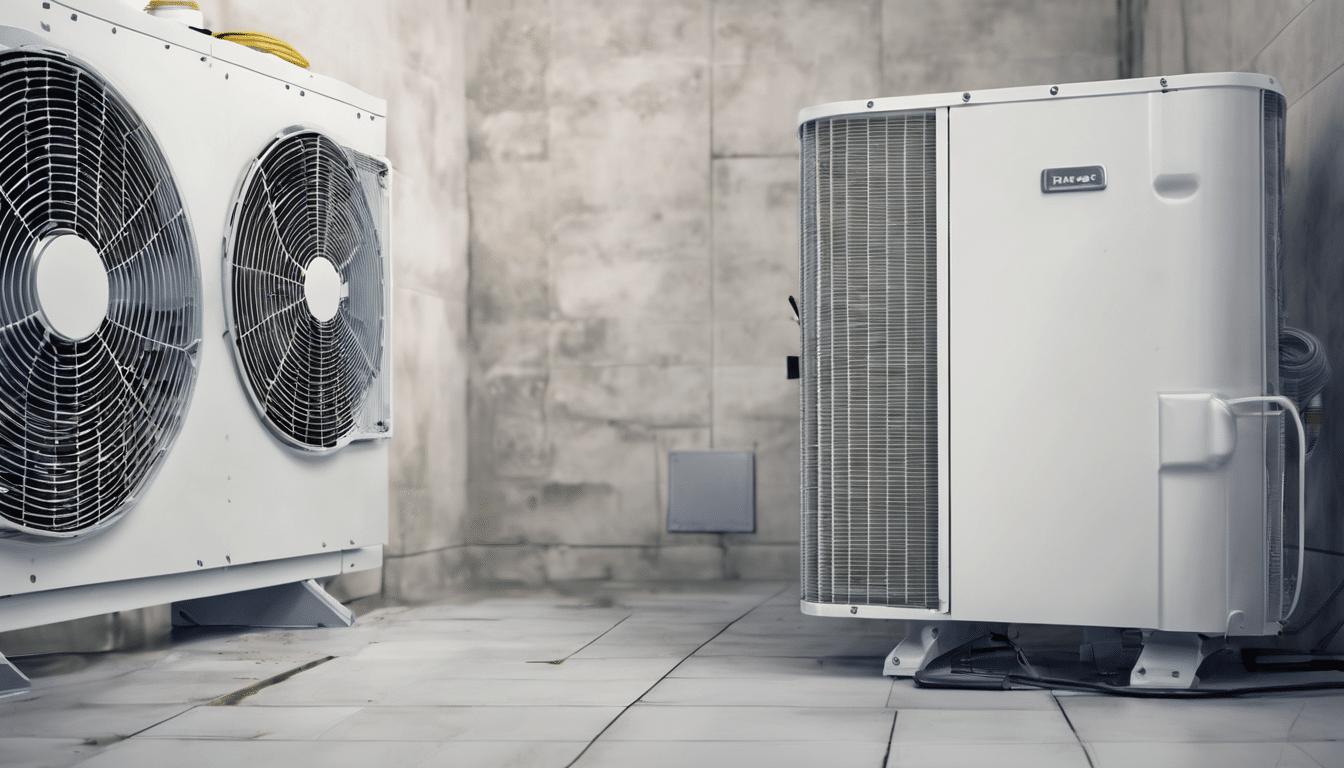
For Indoor Air Quality: HVAC Maintenance Best Practices
Introduction to HVAC Maintenance Best Practices for Indoor Air Quality
Understanding HVAC Maintenance Best Practices For Indoor Air Quality is essential. Heating, Ventilation, and Air Conditioning (HVAC) systems are essential components of modern buildings. They not only regulate temperature but also play a critical role in maintaining indoor air quality, which directly impacts the health and comfort of occupants. This guide will provide you with the best practices for HVAC maintenance specifically tailored to Dubai’s climate conditions.
Understanding HVAC Maintenance Best Practices for Indoor Air Quality
Proper maintenance is the cornerstone of effective HVAC operation and indoor air quality. Regular checks can prevent costly repairs, improve energy efficiency, and ensure a comfortable environment. For buildings in Dubai, where extreme temperatures are common, maintaining an optimal HVAC system becomes even more critical.
What Are the Benefits of HVAC Maintenance?
Regular maintenance ensures that your HVAC system operates efficiently and effectively. Some key benefits include:
- Avoiding breakdowns: Regular servicing can prevent unexpected failures, which are more common in hot climates like Dubai.
- Improving energy efficiency: Well-maintained systems use less energy to function optimally, reducing utility bills and environmental impact.
- Enhancing indoor air quality: Clean filters and properly functioning components reduce the presence of allergens, bacteria, and other contaminants in the air.
HVAC Maintenance Best Practices For Indoor Air Quality – Cost of HVAC Maintenance and Its Impact on Indoor Air Quality
The cost of maintaining an HVAC system can vary based on several factors. However, investing in regular maintenance yields significant long-term benefits that far outweigh the initial expenditure. Here’s a breakdown of typical costs:
| Service Type | AED Cost Range (per year) |
|---|---|
| Annual maintenance checkup | AED 500 – AED 1,200 |
| Filter replacement (every 3-6 months) | AED 200 – AED 500 per filter |
| Cleaning and inspecting the ductwork (annually or biennially) | AED 800 – AED 1,500 |
While these costs may seem high at first glance, consider that poor maintenance can lead to more frequent repairs and higher energy bills. Proper maintenance ensures a balanced indoor environment, contributing to overall health and well-being. This relates directly to Hvac Maintenance Best Practices For Indoor Air Quality.
Maintenance Schedule Recommendations for HVAC Systems in Dubai
Creating a regular maintenance schedule is essential to ensure your HVAC system operates efficiently throughout the year. Here’s a recommended maintenance timeline:
- Pre-season checkup (late January): Prepare your system for the upcoming summer by having it inspected and cleaned.
- Mid-summer servicing (May – June): Address any issues that arise during the hottest months, ensuring a smooth transition into autumn.
- End-of-season maintenance checkup (September – October): Check for wear and tear, update filters, and ensure everything is working optimally before winter.
Filter Replacement and Cleaning: Key to Clean Air
The air filter is one of the most crucial components of your HVAC system. Regular cleaning or replacement can drastically improve indoor air quality, especially in buildings where allergies are a concern. When considering HVAC Maintenance Best Practices For Indoor Air Quality, this becomes clear.
- Replace filters every 3-6 months: This frequency helps maintain optimal filtration and prevents dust from recirculating into the living spaces.
- Clean or replace HVAC components quarterly: Including coils, condensate pans, and evaporator areas can extend the life of your system and improve efficiency.
Regular inspections are vital for identifying potential issues that could compromise indoor air quality. Key inspection points include:
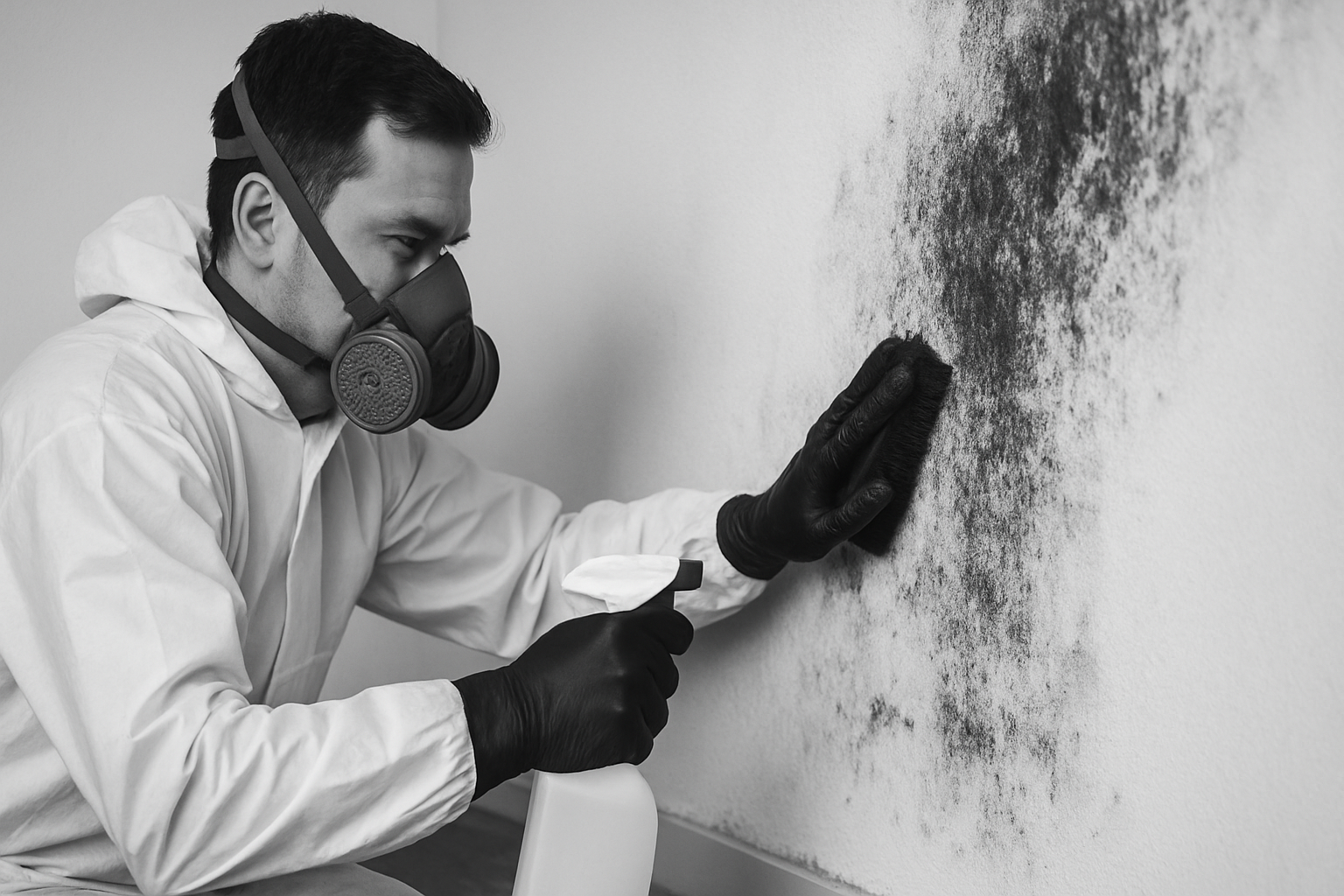
- Check for mold and mildew growth: Moisture is a breeding ground for molds, which can severely affect air quality.
- Inspect ductwork for leaks or damage: Leaks in the duct system can lead to unfiltered air entering your living space, reducing overall air quality.
Replacing Old Systems with Energy-Efficient Ones: The Long-Term Benefits
Upgrading to an energy-efficient HVAC system can provide numerous benefits, especially in the long run. Here’s what you should consider: The importance of HVAC Maintenance Best Practices For Indoor Air Quality is evident here.
- Energy Star-rated units: These systems use less energy and are more cost-effective over time.
- Variable-speed motors: These can adjust airflow as needed, leading to improved comfort and lower energy consumption.
- Sealed heat exchangers: Modern systems have tighter seals that reduce energy loss through the flue.
While initial costs may be higher, these upgrades pay off in terms of reduced utility bills and extended system life. For instance, replacing a 10-year-old HVAC with an Energy Star model can save AED 500 – AED 700 annually on energy consumption.
Professional Services for HVAC Maintenance and Remediation
While DIY maintenance is possible, professional services offer several advantages:
- Expert diagnosis: Professionals can identify issues that might be overlooked during self-maintenance checks.
- Quality parts and materials: Using genuine, high-quality components ensures your system operates as intended.
- Comprehensive cleaning and repair: Professional teams have the tools and expertise to clean or replace complex components like heat exchangers.
At Saniservice, our team provides comprehensive HVAC maintenance services that include regular inspections, filter changes, and system diagnostics. Contact us today for a no-obligation consultation and tailored recommendations for your specific needs.
Expert Tips for Better Air Quality in Your Home or Office
Here are some additional tips to enhance the air quality in your home or office:
- Use HEPA filters: High-efficiency particulate air (HEPA) filters can capture allergens and other small particles, improving indoor air quality.
- Increase ventilation: Proper cross-ventilation can help remove stale air and bring in fresh outdoor air, reducing the concentration of pollutants indoors.
- Use natural cleaning products: Chemical cleaners can release VOCs into the air; opt for eco-friendly alternatives to minimize indoor pollution.
Frequently Asked Questions (FAQs)
- Q: How often should I change my HVAC filters?
- A: Filters should be changed every 3-6 months, or more frequently if you have pets or allergies.
Q: Can indoor air quality affect health?
A: Yes, poor indoor air quality can lead to respiratory issues, headaches, and other health problems. Regular maintenance is crucial.
Q: What signs indicate a need for HVAC system replacement?
A: Signs include frequent breakdowns, high energy bills, unusual noises, or reduced efficiency in cooling or heating.
Understanding HVAC Maintenance Best Practices For Indoor Air Quality helps with this aspect.
Conclusion: Key Takeaways for HVAC Maintenance
Proper maintenance of your HVAC system is essential to ensure clean and healthy indoor air quality. By following the best practices outlined in this guide, you can prevent costly repairs, improve energy efficiency, and create a comfortable living environment. Regular inspections, timely filter replacements, and professional services are key steps towards maintaining optimal indoor conditions. Hvac Maintenance Best Practices For Indoor Air Quality factors into this consideration.
For more information or tailored advice, contact Saniservice today to schedule an HVAC maintenance checkup for your home or office in Dubai, Abu Dhabi, Sharjah, Ajman, Fujairah, Ras Al Khaimah, Riyadh, Jeddah, and other areas of the UAE. We are here to help you breathe easy and live comfortably. Understanding Hvac Maintenance Best Practices For Indoor Air Quality is key to success in this area.

JV de Castro, IAC2
JV de Castro is the Chief Technology Officer at Saniservice, where he leads innovation in indoor environmental sciences, IT infrastructure, and digital transformation. With over 20 years of experience spanning architecture, building science, technology management, digital media architecture, and consultancy, he has helped organizations optimize operations through smart solutions and forward-thinking strategies. JV holds a Degree in Architecture, a Masters of Research in Anthropology, an MBA in Digital Communication & Media, along with certifications in mold, building sciences and advanced networking. Passionate about combining technology, health, and sustainability, he continues to drive initiatives that bridge science, IT, and business impact.

Leave a Reply