


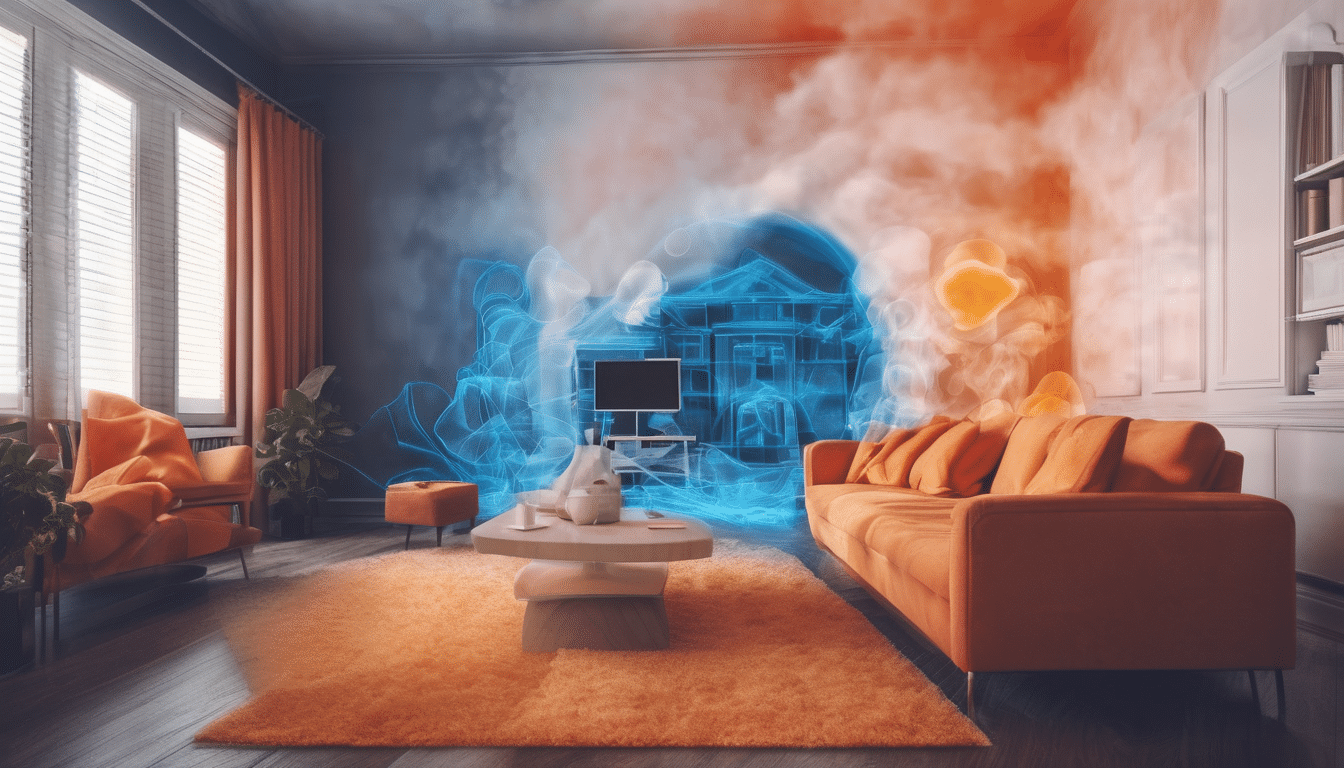
Using Thermal Imaging In: Indoor Air Quality Analysis
Understanding Indoor Air Quality Analysis Using Thermal Imaging In is essential. —
—
—
Introduction
Indoor air quality (IAQ) is a critical aspect of our health and wellbeing. Poor IAQ can lead to various health issues ranging from respiratory problems to allergies and even long-term illnesses. In the context of the United Arab Emirates, particularly in cities like Dubai, indoor environments often face unique challenges due to factors such as high humidity levels during winter, air conditioning systems, and rapid urban development.
In this article, we will delve into how thermal imaging can be used for indoor air quality analysis. We will explore its application in identifying hidden issues affecting your home or commercial property, with a focus on the specific challenges faced by residents of Dubai, Abu Dhabi, Sharjah, Ajman, Fujairah, and Ras Al Khaimah.
—
Table of Contents
—
Understanding Indoor Air Quality Analysis Using Thermal Imaging in
Thermal imaging, also known as thermography, is a non-invasive and visual representation of the temperature distribution across an object or environment. It has proven to be an effective tool for identifying hidden issues that could compromise indoor air quality in buildings.
In Dubai, UAE, where high humidity levels during winter months can lead to condensation and moisture-related problems, thermal imaging is particularly useful. By using this technology, we can identify areas of the building that are prone to moisture accumulation and potential mold growth, which directly impact IAQ.
—
Benefits of Thermal Imaging in IAQ Analysis
Thermal imaging offers several advantages when it comes to indoor air quality analysis:
- Early Detection: It allows for early detection of moisture-related issues, which can prevent the growth of mold and other harmful biological contaminants.
- Precise Location: Thermal imaging can precisely locate areas with abnormal temperature patterns, often indicating hidden water leaks or condensation points.
- No Destructive Testing: It provides a non-destructive method for investigating indoor environments without causing damage to the building structure.
- Data-Driven Decisions: The data collected can be used to make informed decisions about remediation and prevention strategies.
—
Hidden Mold Investigation Techniques Using Thermal Imaging
Mold growth in indoor environments is often hidden, making it challenging to locate and remediate. However, thermal imaging can reveal these hidden issues by detecting temperature variations that are indicative of moisture accumulation. This relates directly to Indoor Air Quality Analysis Using Thermal Imaging In.
Detecting Moisture Issues
Thermal imaging cameras can identify areas where the temperature is lower than surrounding surfaces due to increased moisture content. This technique helps in pinpointing locations where condensation may be occurring, which could lead to mold growth.
Visualizing Mold Growth
In some cases, thermal imaging can also visualize the extent of mold growth by highlighting areas with higher moisture levels. This information is invaluable for understanding the severity and spread of contamination before it becomes a widespread problem.
—
Radon Testing and Remediation Using Thermal Imaging
Radon, a radioactive gas that can cause lung cancer, is another significant indoor air quality concern. While thermal imaging may not directly detect radon, it can assist in identifying areas where radon may be entering the building.
Identifying Radon Infiltration Points
Thermal imaging can help identify points of entry for radon by detecting temperature differences at the foundation or basement levels. By locating these areas, we can recommend appropriate remediation measures to reduce exposure.
—
Water Quality Contamination Sources Using Thermal Imaging
Thermal imaging is also useful in identifying sources of water contamination that can affect indoor air quality. This includes issues related to water storage tanks, plumbing leaks, and hidden moisture behind walls or floors. When considering Indoor Air Quality Analysis Using Thermal Imaging In, this becomes clear.
Water Storage Tank Inspection
Water tanks are often overlooked but can be a significant source of contamination if not properly maintained. Thermal imaging can help in detecting biofilm formation, sediment accumulation, and other issues that may compromise water quality. Understanding Indoor Air Quality Analysis Using Thermal Imaging In helps with this aspect.
—
Practical Applications and Tips for Indoor Air Quality Analysis Using Thermal Imaging in Dubai Villas
Here are some practical applications and tips for using thermal imaging to enhance indoor air quality analysis in your home or commercial property:
- Regular Inspections: Conduct regular thermal imaging inspections, especially during periods of high humidity.
- Identify Cold Spots: Focus on areas with cold spots as they are more likely to have moisture accumulation and mold growth potential.
- Monitor Changes Over Time: Repeated inspections can help track changes in temperature patterns, indicating the presence of new issues or the resolution of existing ones.
- Combine with Other Tools: Use thermal imaging alongside other IAQ testing methods for a comprehensive analysis.
—
FAQ Section
Q1: Can thermal imaging alone fully diagnose indoor air quality issues?
A1: No, while thermal imaging is an excellent tool for identifying moisture-related problems, it should be used in conjunction with other IAQ testing methods to provide a comprehensive analysis.
Q2: How often should I conduct thermal imaging inspections?
A2: Inspections should be conducted at least annually, or more frequently during periods of high humidity and after major weather events.
Q3: Is thermal imaging expensive?
A3: The initial cost of a thermal imaging camera can be high, but the long-term benefits in terms of early detection and prevention make it a worthwhile investment for property owners. Indoor Air Quality Analysis Using Thermal Imaging In factors into this consideration.
—
Conclusion
Thermal imaging offers a powerful tool for understanding and improving indoor air quality. By using this technology, homeowners and building managers can identify hidden issues that may compromise IAQ before they become significant problems. Regular inspections and combining thermal imaging with other testing methods can help ensure a healthy and comfortable living or working environment.
At Saniservice, we use the latest in thermal imaging to provide comprehensive indoor air quality analysis services. Our team of experts is dedicated to helping you maintain a safe and healthy indoor environment through advanced diagnostics and remediation strategies.
—
—
Introduction
Indoor air quality (IAQ) is a critical aspect of our health and wellbeing. Poor IAQ can lead to various health issues ranging from respiratory problems to allergies and even long-term illnesses. In the context of the United Arab Emirates, particularly in cities like Dubai, indoor environments often face unique challenges due to factors such as high humidity levels during winter, air conditioning systems, and rapid urban development.
In this article, we will delve into how thermal imaging can be used for indoor air quality analysis. We will explore its application in identifying hidden issues affecting your home or commercial property, with a focus on the specific challenges faced by residents of Dubai, Abu Dhabi, Sharjah, Ajman, Fujairah, and Ras Al Khaimah.
Understanding Indoor Air Quality Analysis Using Thermal Imaging in
Thermal imaging, also known as thermography, is a non-invasive and visual representation of the temperature distribution across an object or environment. It has proven to be an effective tool for identifying hidden issues that could compromise indoor air quality in buildings.
In Dubai, UAE, where high humidity levels during winter months can lead to condensation and moisture-related problems, thermal imaging is particularly useful. By using this technology, we can identify areas of the building that are prone to moisture accumulation and potential mold growth, which directly impact IAQ.
Benefits of Thermal Imaging in IAQ Analysis
Thermal imaging offers several advantages when it comes to indoor air quality analysis: The importance of Indoor Air Quality Analysis Using Thermal Imaging In is evident here.
- Early Detection: It allows for early detection of moisture-related issues, which can prevent the growth of mold and other harmful biological contaminants.
- Precise Location: Thermal imaging can precisely locate areas with abnormal temperature patterns, often indicating hidden water leaks or condensation points.
- No Destructive Testing: It provides a non-destructive method for investigating indoor environments without causing damage to the building structure.
- Data-Driven Decisions: The data collected can be used to make informed decisions about remediation and prevention strategies.
Radon Testing and Remediation Using Thermal Imaging
Radon, a radioactive gas that can cause lung cancer, is another significant indoor air quality concern. While thermal imaging may not directly detect radon, it can assist in identifying areas where radon may be entering the building.
Identifying Radon Infiltration Points
Thermal imaging can help identify points of entry for radon by detecting temperature differences at the foundation or basement levels. By locating these areas, we can recommend appropriate remediation measures to reduce exposure.
Water Quality Contamination Sources Using Thermal Imaging
Thermal imaging is also useful in identifying sources of water contamination that can affect indoor air quality. This includes issues related to water storage tanks, plumbing leaks, and hidden moisture behind walls or floors.
Water Storage Tank Inspection
Water tanks are often overlooked but can be a significant source of contamination if not properly maintained. Thermal imaging can help in detecting biofilm formation, sediment accumulation, and other issues that may compromise water quality.
Practical Applications and Tips for Indoor Air Quality Analysis Using Thermal Imaging in Dubai Villas
Here are some practical applications and tips for using thermal imaging to enhance indoor air quality analysis in your home or commercial property:
- Regular Inspections: Conduct regular thermal imaging inspections, especially during periods of high humidity.
- Identify Cold Spots: Focus on areas with cold spots as they are more likely to have moisture accumulation and mold growth potential.
- Monitor Changes Over Time: Repeated inspections can help track changes in temperature patterns, indicating the presence of new issues or the resolution of existing ones.
- Combine with Other Tools: Use thermal imaging alongside other IAQ testing methods for a comprehensive analysis.
FAQ Section
Q1: Can thermal imaging alone fully diagnose indoor air quality issues?
A1: No, while thermal imaging is an excellent tool for identifying moisture-related problems, it should be used in conjunction with other IAQ testing methods to provide a comprehensive analysis.
Q2: How often should I conduct thermal imaging inspections?
A2: Inspections should be conducted at least annually, or more frequently during periods of high humidity and after major weather events.
Q3: Is thermal imaging expensive?
A3: The initial cost of a thermal imaging camera can be high, but the long-term benefits in terms of early detection and prevention make it a worthwhile investment for property owners.
Conclusion
Thermal imaging offers a powerful tool for understanding and improving indoor air quality. By using this technology, homeowners and building managers can identify hidden issues that may compromise IAQ before they become significant problems. Regular inspections and combining thermal imaging with other testing methods can help ensure a healthy and comfortable living or working environment.
At Saniservice, we use the latest in thermal imaging to provide comprehensive indoor air quality analysis services. Our team of experts is dedicated to helping you maintain a safe and healthy indoor environment through advanced diagnostics and remediation strategies.
—
—

JV de Castro, IAC2
JV de Castro is the Chief Technology Officer at Saniservice, where he leads innovation in indoor environmental sciences, IT infrastructure, and digital transformation. With over 20 years of experience spanning architecture, building science, technology management, digital media architecture, and consultancy, he has helped organizations optimize operations through smart solutions and forward-thinking strategies. JV holds a Degree in Architecture, a Masters of Research in Anthropology, an MBA in Digital Communication & Media, along with certifications in mold, building sciences and advanced networking. Passionate about combining technology, health, and sustainability, he continues to drive initiatives that bridge science, IT, and business impact.




Leave a Reply