


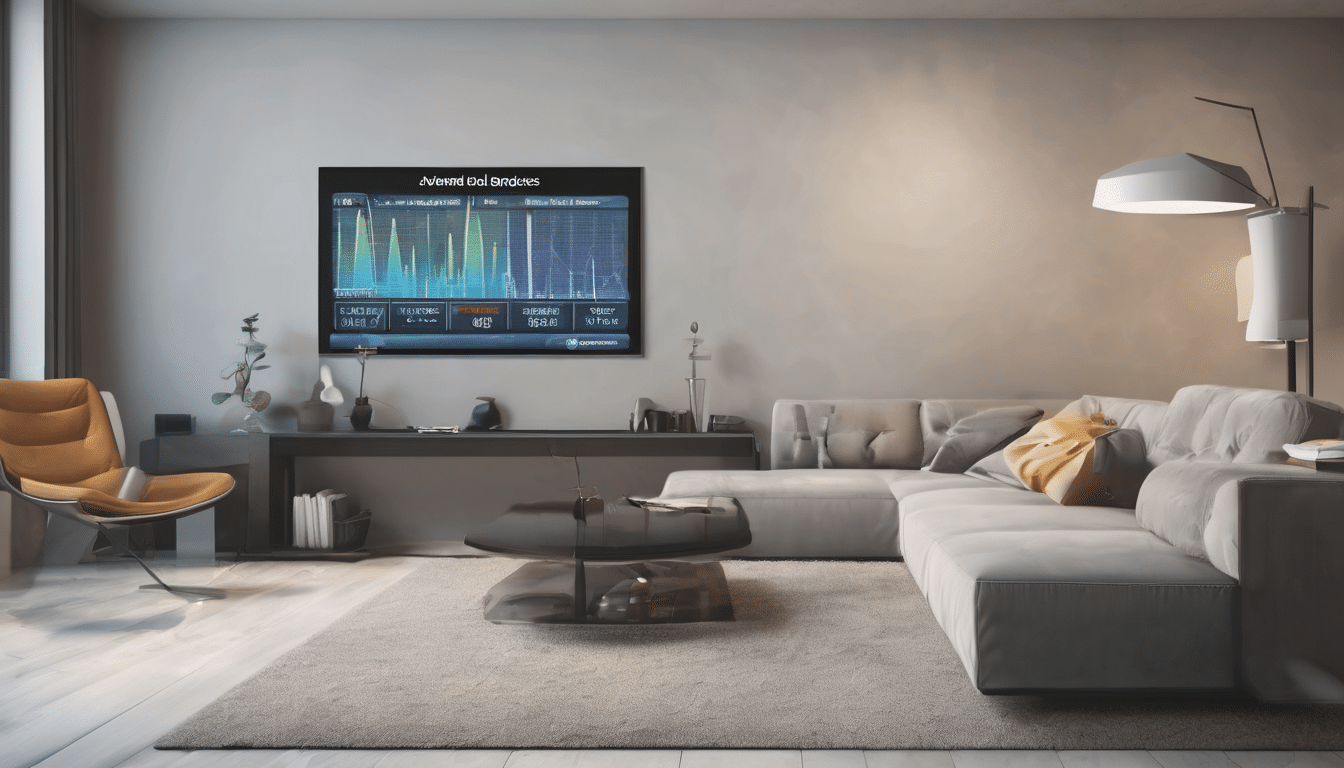
Advanced Features To Look For In 2026 IAQ Monitoring Devices
Understanding Advanced Features to Look For In 2026 IAQ Monitoring Devices is essential.
Advanced Features to Look For in 2026 IAQ Monitoring Devices
In the rapidly evolving landscape of indoor air quality (IAQ) monitoring, it is essential for both homeowners and professionals to understand what features are crucial for their needs. As we move into 2026, advancements in technology will bring about new capabilities that can significantly enhance the effectiveness and reliability of IAQ devices. This article delves into these advanced features, providing a comprehensive guide on what to look for when choosing an IAQ monitoring device. This relates directly to Advanced Features To Look For In 2026 IAQ Monitoring Devices.
Table of Contents
Features Overview
Understanding the advanced features to look for in 2026 IAQ monitoring devices is essential for making an informed decision. This section presents a clear, non-duplicated overview of the key capabilities that distinguish next-generation indoor air quality monitors.
Real-Time Monitoring and Alerts
Real-time monitoring enables continuous tracking of indoor air quality conditions. Devices equipped with advanced sensors can instantly detect changes in parameters such as particulate matter (PM2.5/PM10), volatile organic compounds (VOCs), carbon dioxide (CO₂), temperature, and humidity. When predefined thresholds are exceeded, users receive immediate alerts, allowing quick corrective action.
Example: In a Dubai villa monitored by Saniservice, a real-time IAQ device detected a sudden rise in CO₂ levels caused by inadequate ventilation. Instant alerts allowed the homeowner to respond promptly, restoring comfort and air quality.
Multi-Parameter Sensing Capabilities
Multi-parameter sensing allows a single device to measure several air quality indicators simultaneously, providing a complete picture of indoor conditions. This integrated approach ensures that different pollution sources are identified and addressed together rather than in isolation.
Example: In a residential property in Abu Dhabi, a multi-parameter IAQ monitor detected elevated particulate matter alongside increased mold spore indicators. The combined data enabled a more accurate diagnosis and targeted remediation.
Cloud Storage and Data Analytics
Cloud connectivity allows 2026 IAQ monitoring devices to store historical data and generate meaningful insights over time. Through mobile apps or web dashboards, users can review trends, visualize long-term patterns, and receive data-driven recommendations for improving indoor air quality.
Example: A family in Sharjah used cloud-based analytics to track persistent humidity fluctuations. Over time, the data revealed a recurring moisture pattern linked to a roof leak, which was resolved before mold developed.
Smart HVAC Integration
Smart HVAC integration enhances IAQ management by automating system responses based on real-time air quality data. When pollutants rise, the monitoring device can signal the HVAC system to increase ventilation, adjust filtration, or modify operating cycles.
Example: In a Dubai office building, IAQ monitors integrated with the HVAC system automatically boosted filtration during nearby construction activities, maintaining healthy indoor conditions without manual intervention.
Remote Access and Control
Remote access enables users to monitor and manage 2026 IAQ monitoring devices from anywhere using mobile or web-based platforms. This feature is especially valuable for property managers overseeing multiple units or homeowners who travel frequently.
Example: A property manager in Abu Dhabi remotely monitored air quality across several residential units, ensuring consistent indoor standards during maintenance and occupancy changes.
Compatibility with Smart Home Devices
Compatibility with smart home ecosystems enhances convenience and system coordination. 2026 IAQ monitoring devices that integrate with platforms such as Google Home or Amazon Alexa allow centralized control of related systems, including air purifiers, humidifiers, and dehumidifiers.
Example: A homeowner in Sharjah used smart home integration to manage air purification and humidity control through a single interface, maintaining stable indoor conditions throughout the day.
User-Friendly Interface
A clear and intuitive interface ensures that users of all technical levels can easily understand IAQ data. Effective designs include simple dashboards, color-coded alerts, and easy-to-read charts that highlight trends and anomalies.
Example: An elderly couple in Abu Dhabi benefited from an IAQ device with large text, clear icons, and color alerts, enabling them to respond confidently to air quality changes.
Expert Tips for Choosing the Right Device
- Identify Your Needs: Determine which parameters matter most (PM2.5, VOCs, CO₂, humidity).
- Verify Compatibility: Ensure integration with existing smart home or HVAC systems.
- Assess Data Capabilities: Look for strong cloud storage and analytics features.
- Review Reliability: Read verified user reviews to evaluate accuracy and durability.
Frequently Asked Questions
Q: Can IAQ monitoring devices detect all pollutants?
A: Most advanced devices detect PM2.5/PM10, VOCs, CO₂, temperature, and humidity. Coverage may vary by model.
Q: How often do sensors need replacement?
A: Sensor lifespans typically range from one to three years, depending on manufacturer guidelines and usage conditions.
Q: Are IAQ devices suitable for commercial environments?
A: Yes. Many IAQ monitoring devices are designed for both residential and commercial applications, offering scalable performance.
Conclusion
Selecting the right IAQ monitoring device is a critical step toward healthier indoor environments. Features such as real-time monitoring, multi-parameter sensing, cloud analytics, smart HVAC integration, remote access, smart home compatibility, and user-friendly interfaces define the most effective devices available in 2026 IAQ monitoring devices. By understanding these capabilities, homeowners and facility managers can confidently choose solutions that match their specific needs and environments.

JV de Castro, IAC2
JV de Castro is the Chief Technology Officer at Saniservice, where he leads innovation in indoor environmental sciences, IT infrastructure, and digital transformation. With over 20 years of experience spanning architecture, building science, technology management, digital media architecture, and consultancy, he has helped organizations optimize operations through smart solutions and forward-thinking strategies. JV holds a Degree in Architecture, a Masters of Research in Anthropology, an MBA in Digital Communication & Media, along with certifications in mold, building sciences and advanced networking. Passionate about combining technology, health, and sustainability, he continues to drive initiatives that bridge science, IT, and business impact.



Leave a Reply