


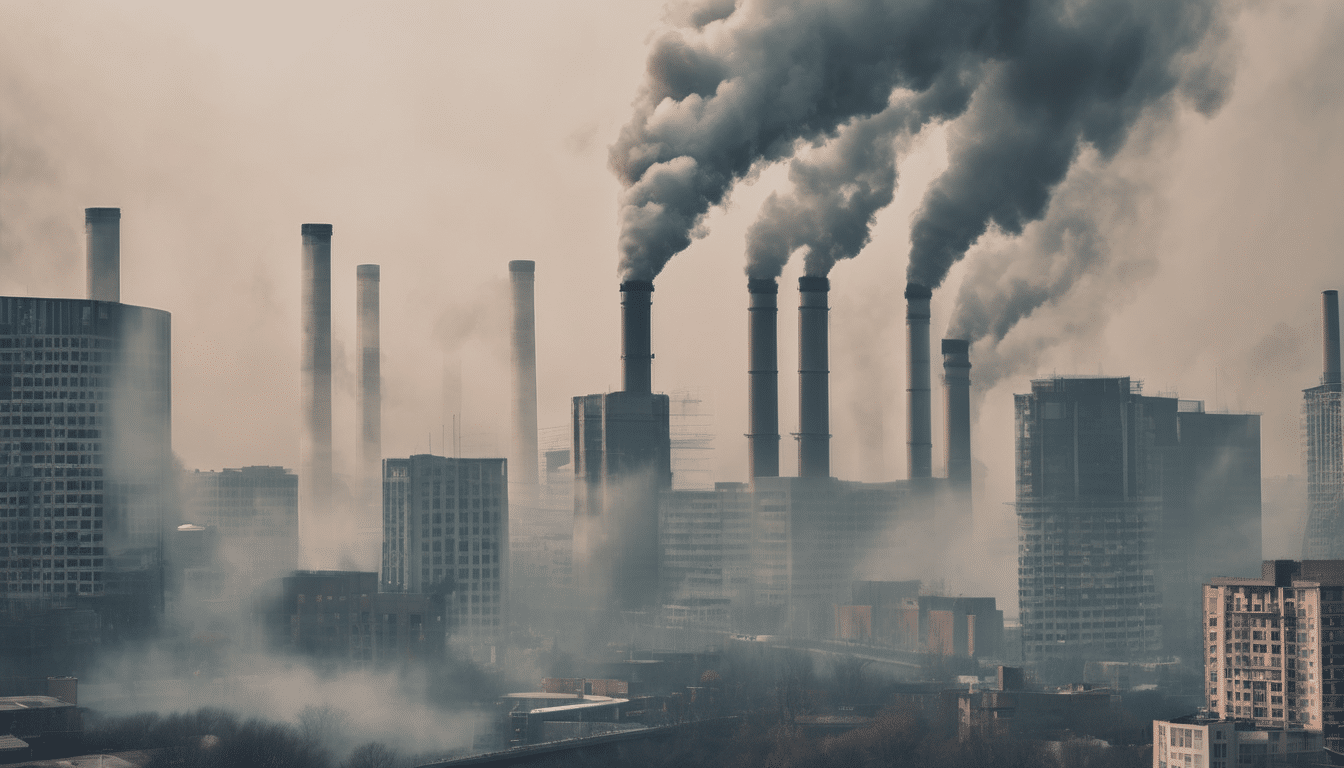
Environmental And Health Impacts Of Air Pollution
Introduction to Air Pollution
Environmental and Health Impacts of Air Pollution A Review is a crucial topic that has gained increasing attention due to its far-reaching consequences. This guide aims to provide a comprehensive understanding of the various dimensions of air pollution, covering both its environmental and health impacts. From industrial emissions to vehicular exhaust, this article will explore how these pollutants affect our lives, ecosystems, and overall well-being.
Indoor Sciences specializes in analyzing and addressing air quality concerns, providing expert guidance on pollution mitigation and indoor environmental health.
Table of Contents
- Types of Air Pollutants
- Formation Mechanisms and Sources
- Environmental Impacts of Air Pollution
- Health Effects on Human Health
- Economic and Social Impact
- Mitigation Strategies
- Expert Tips for Reducing Pollution
- Frequently Asked Questions (FAQs)
- Conclusion on Air Pollution
Types of Air Pollutants
Understanding the types of air pollutants is essential to comprehending their sources and impacts in any air pollution a review. Common air pollutants include:
- Particulate matter (PM)
- Nitrogen oxides (NOx)
- Sulfur dioxide (SO2)
- Ozone (O3)
- Carbon monoxide (CO)
- Volatile organic compounds (VOCs)
Each has unique characteristics, formation processes, and effects on both the environment and human health.
Particulate Matter (PM)
Particulate matter (PM) includes solid particles and liquid droplets suspended in air. PM can be classified into two categories:
- Fine particulates (PM2.5) – Diameters less than 2.5 micrometers
- Coarse particulates (PM10) – Diameters between 2.5 and 10 micrometers
These particles can originate from natural sources like dust storms or human activities such as industrial emissions and vehicle exhaust.
Nitrogen Oxides (NOx) and Sulfur Dioxide (SO2)
Nitrogen Oxides (NOx):
- Primarily generated by combustion of fossil fuels
- Found in vehicles, power plants, and industrial processes
- Major contributor to smog formation
Sulfur Dioxide (SO2):
- Emitted from burning sulfur-containing fuels
- Produced by coal and oil combustion
- Natural sources include volcanic eruptions
Ozone
Ozone (O3) is a secondary pollutant formed through photochemical reactions between NOx, VOCs, and sunlight. Ground-level ozone is harmful to human health and plants, while stratospheric ozone protects the Earth from ultraviolet radiation.
Carbon Monoxide (CO)
Carbon monoxide (CO) is a colorless, odorless gas produced by incomplete combustion of fossil fuels. It can accumulate in enclosed spaces and poses significant risks to human health, particularly for individuals with pre-existing conditions.
Volatile Organic Compounds (VOCs)
VOCs are a diverse group of organic chemicals that easily vaporize at room temperature. Common sources include:
- Paints and solvents
- Cleaning products
- Building materials
- Personal care products
VOCs contribute to the formation of ground-level ozone and have direct health effects on humans.
Formation Mechanisms and Sources
The formation of air pollutants is complex and often involves multiple sources and mechanisms. Understanding these processes helps in developing effective mitigation strategies for any comprehensive air pollution a review.
Primary Emissions
Primary emissions are directly released into the atmosphere from their source:
- Industrial Activities • Factories release NOx, SO2, and particulate matter • Power plants contribute significant pollution loads • Manufacturing processes emit various pollutants
- Transportation • Vehicles emit CO, NOx, and VOCs • Diesel engines are significant sources of NOx • Aviation and maritime transport contribute to emissions
- Agricultural Activities • Livestock farming produces ammonia (NH3) emissions • Fertilizer use releases nitrogen compounds • Field burning adds particulate matter
Secondary Reactions
Secondary reactions occur when primary emissions undergo chemical transformations:
- Ozone Formation – NOx and VOCs react with sunlight to form ground-level ozone
- Multiphase Reactions – Pollutants undergo chemical reactions leading to secondary particulate matter formation
- Photochemical Processes – Sunlight drives complex atmospheric chemistry
Environmental Impacts of Air Pollution
The environmental impacts covered in this air pollution a review are far-reaching and affect ecosystems, climate change, and overall biodiversity at local, regional, and global scales.
Climate Change and Global Warming
Greenhouse gases contribute to global warming through several mechanisms:
- CO2, methane (CH4), and nitrous oxide (N2O) trap heat in the atmosphere
- Rising global temperatures affect weather patterns
- Air pollution affects cloud formation and surface albedo
- Feedback loops accelerate climate change impacts
Acid Rain
Formation process of acid rain:
- SO2 and NOx emissions released into atmosphere
- React with water, oxygen, and other chemicals
- Form sulfuric acid (H2SO4) and nitric acid (HNO3)
- Fall as precipitation (acid rain)
Impacts of acid rain:
- Damages vegetation and soil quality
- Acidifies lakes and streams
- Harms aquatic ecosystems
- Corrodes buildings and infrastructure
Photochemical Smog
Ozone formation in the presence of NOx, VOCs, and sunlight leads to photochemical smog:
- Common in urban areas with high vehicular emissions
- Reduces visibility significantly
- Contributes to respiratory issues
- Affects plant growth and crop yields
Health Effects on Human Health
The health effects explored in this air pollution a review are extensive and can range from mild discomfort to severe chronic conditions.
Respiratory Issues
Exposure to air pollutants causes various respiratory problems:
- Coughing and wheezing
- Shortness of breath
- Asthma attacks and exacerbations
- Increased risk of COPD (Chronic Obstructive Pulmonary Disease)
- Higher lung cancer rates with long-term exposure
Cardiovascular Disease
Air pollution affects cardiovascular health through multiple pathways:
- Increases blood pressure
- Alters heart rate variability
- Promotes atherosclerotic plaque formation
- Increases risk of myocardial infarction (heart attack)
- Elevates stroke risk
Neurological Issues
Exposure to air pollutants can have detrimental effects on the brain:
- Cognitive decline and memory impairment
- Increased risk of neurodegenerative diseases like Alzheimer’s
- Developmental delays in children
- Particulate matter can cross the blood-brain barrier
- Affects mental health and mood disorders
Economic and Social Impact
The economic and social impacts discussed in this air pollution a review are significant and extend beyond healthcare costs.
Healthcare Costs
Air pollution contributes to substantial healthcare expenses:
- Increased hospital admissions
- More emergency room visits
- Higher medical treatment costs
- Affects public health budgets
- Increases insurance premiums
In the UAE, air pollution-related healthcare costs can range from AED 10,000 to AED 20,000 per year for individuals with respiratory conditions.
Productivity Loss
Economic impacts of reduced productivity:
- Increased absenteeism from work
- Reduced work capacity and efficiency
- Decreased cognitive function
- Lower overall workforce productivity
In Dubai, surveys indicate that up to 15% of employees report taking sick leave due to air quality issues, with estimated annual losses of AED 2 million.
Quality of Life Impacts
Air pollution significantly affects daily life:
- Reduced outdoor recreational activities
- Negative impacts on mental health
- Limited social interactions
- Decreased property values in polluted areas
Studies in Abu Dhabi show a 10% decline in park visits during high-pollution days.
Mitigation Strategies
Effective mitigation of air pollution requires a multi-faceted approach as outlined in this air pollution a review:
Policy and Regulation
Government interventions are crucial:
- Implement stringent emission standards for industries
- Enforce vehicle emission requirements
- Set building efficiency standards
- Monitor and report air quality data publicly
The UAE’s National Environmental Strategy 2056 aims to improve air quality by 20% within the next decade.
Technological Innovations
Advancements in clean technology:
- Solar and wind power reduce fossil fuel dependence
- Electric vehicles minimize transportation emissions
- Efficient HVAC systems improve indoor air quality
- Green building practices incorporate sustainable materials
- Carbon capture and storage technologies
Public Awareness and Participation
Community engagement drives change:
- Education programs about air pollution risks
- Encouraging sustainable behaviors (carpooling, public transport)
- Supporting environmentally responsible businesses
- Tree planting and urban greening initiatives
- Citizen science air quality monitoring projects
Expert Tips for Reducing Pollution
Indoor Sciences recommends these practical steps to reduce your personal contribution to air pollution:
- Use Public Transportation – Opt for buses, trams, or trains to significantly lower individual emissions
- Carpool – Share rides with colleagues or neighbors to reduce vehicles on the road
- Support Clean Energy – Invest in renewable energy sources like solar panels for your home or business
- Avoid Open Burning – Refrain from burning waste or leaves which release harmful pollutants
- Use Eco-friendly Products – Choose cleaning and personal care products low in VOCs
- Maintain Your Vehicle – Regular maintenance ensures optimal engine performance and lower emissions
- Plant Trees – Urban vegetation helps filter air pollutants and provides oxygen
Frequently Asked Questions (FAQs)
Q: How can I monitor air quality in my home? A: Invest in a reliable indoor air quality monitor to track pollutants like PM2.5, CO, and VOCs. Many devices provide real-time data and alerts. Indoor Sciences offers professional air quality assessment services.
Q: What are the most effective ways to reduce outdoor pollution? A: Support policies that enforce emission standards for industries and vehicles. Participate in community clean-up initiatives and advocate for green spaces in urban areas.
Q: How does air pollution impact climate change? A: Air pollutants like CO2, CH4, and N2O contribute to global warming by trapping heat in the atmosphere. Reducing emissions from all sources is crucial for mitigating climate change.
Q: Can air pollution be completely eliminated? A: While complete elimination may not be feasible, significant reductions can be achieved through comprehensive policies and technological advancements. Success requires a multi-sectoral approach involving governments, businesses, and individuals.
Q: What is the air quality like in Dubai and the UAE? A: The UAE experiences varying air quality levels due to desert dust, industrial activities, and vehicular emissions. Regular monitoring and mitigation efforts are ongoing to improve conditions.
Conclusion on Air Pollution
Environmental and health impacts of air pollution a review reveals profound and far-reaching consequences. Understanding the sources, mechanisms, and effects of pollutants is crucial for developing effective mitigation strategies. By implementing policy changes, technological innovations, and public awareness campaigns, we can work towards cleaner air and healthier communities.

JV de Castro, IAC2
JV de Castro is the Chief Technology Officer at Saniservice, where he leads innovation in indoor environmental sciences, IT infrastructure, and digital transformation. With over 20 years of experience spanning architecture, building science, technology management, digital media architecture, and consultancy, he has helped organizations optimize operations through smart solutions and forward-thinking strategies. JV holds a Degree in Architecture, a Masters of Research in Anthropology, an MBA in Digital Communication & Media, along with certifications in mold, building sciences and advanced networking. Passionate about combining technology, health, and sustainability, he continues to drive initiatives that bridge science, IT, and business impact.



Leave a Reply