


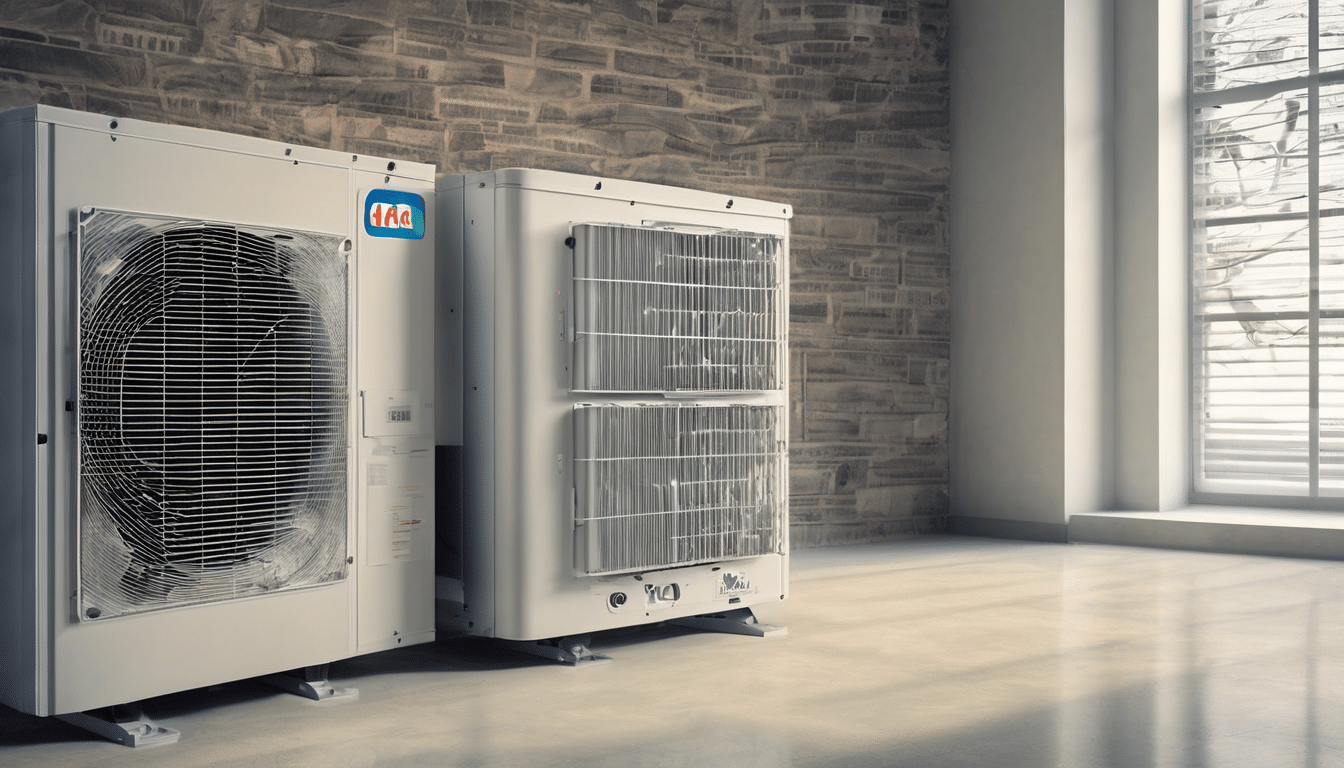
Indoor Environmental Quality: Hvac/r Monitoring Systems For
Understanding Hvac/r Monitoring Systems For Indoor Environmental Quality (iaq is essential. —
HVAC/R Monitoring Systems for Indoor Environmental Quality (IAQ)
Introduction
Indoor Environmental Quality (IAQ) is a critical aspect of modern building design and maintenance. Poor IAQ can lead to various health issues among occupants, including respiratory problems, allergies, and even more severe conditions like asthma and lung cancer. HVAC/R (Heating, Ventilation, Air-Conditioning, Refrigeration) systems play a pivotal role in maintaining healthy indoor environments. However, ensuring optimal IAQ requires sophisticated monitoring and control strategies. This comprehensive guide delves into the critical components of HVAC/R Monitoring Systems for Indoor Environmental Quality (IAQ), providing insights from both technical and practical perspectives.
—
Table of Contents
—
Understanding HVAC/R Monitoring Systems for Indoor Environmental Quality (IAQ)
HVAC/R systems are essential for maintaining a comfortable and healthy indoor environment. However, these systems can also contribute to poor IAQ if not properly managed. HVAC/R monitoring systems provide the necessary tools to measure and control various parameters that affect IAQ, such as temperature, humidity, carbon dioxide levels, and particulate matter.
These systems typically include sensors, data acquisition devices, communication networks, and user interfaces. The goal is to ensure that indoor air quality meets or exceeds regulatory standards while optimizing energy efficiency and occupant comfort.
—
Components of IAQ Monitoring Systems
IAQ monitoring systems are composed of several key components:
– Sensors: These detect various parameters such as temperature, humidity, carbon dioxide levels, particulate matter (PM2.5/PM10), volatile organic compounds (VOCs), and mold spores.
Types of Sensors Used in HVAC/R
– Data Acquisition Devices: Collect data from sensors and transmit it to a central hub or cloud-based platform for analysis.
– Communication Networks: Transfer data between different components of the system, allowing real-time monitoring and remote access.
– User Interfaces: Provide visual representations of IAQ parameters, facilitating easy interpretation and management by facility managers and building occupants.
—
Benefits and Importance of IAQ Monitoring
The benefits of implementing HVAC/R monitoring systems for IAQ are numerous:
1. Health Protection: Ensures that indoor air quality meets or exceeds safety standards, reducing the risk of respiratory issues, allergies, and other health problems.
2. Energy Efficiency: Optimizes HVAC system performance to maintain comfortable temperatures while minimizing energy consumption.
3. Cost Savings: Identifies inefficiencies in the HVAC/R systems, leading to reduced maintenance costs and lower utility bills.
4. Regulatory Compliance: Helps comply with local and international building codes and standards related to indoor air quality.
5. Occupant Comfort: Enhances overall comfort levels by maintaining optimal temperature and humidity conditions.
—
Real-World Case Study: A Dubai Residential Villa
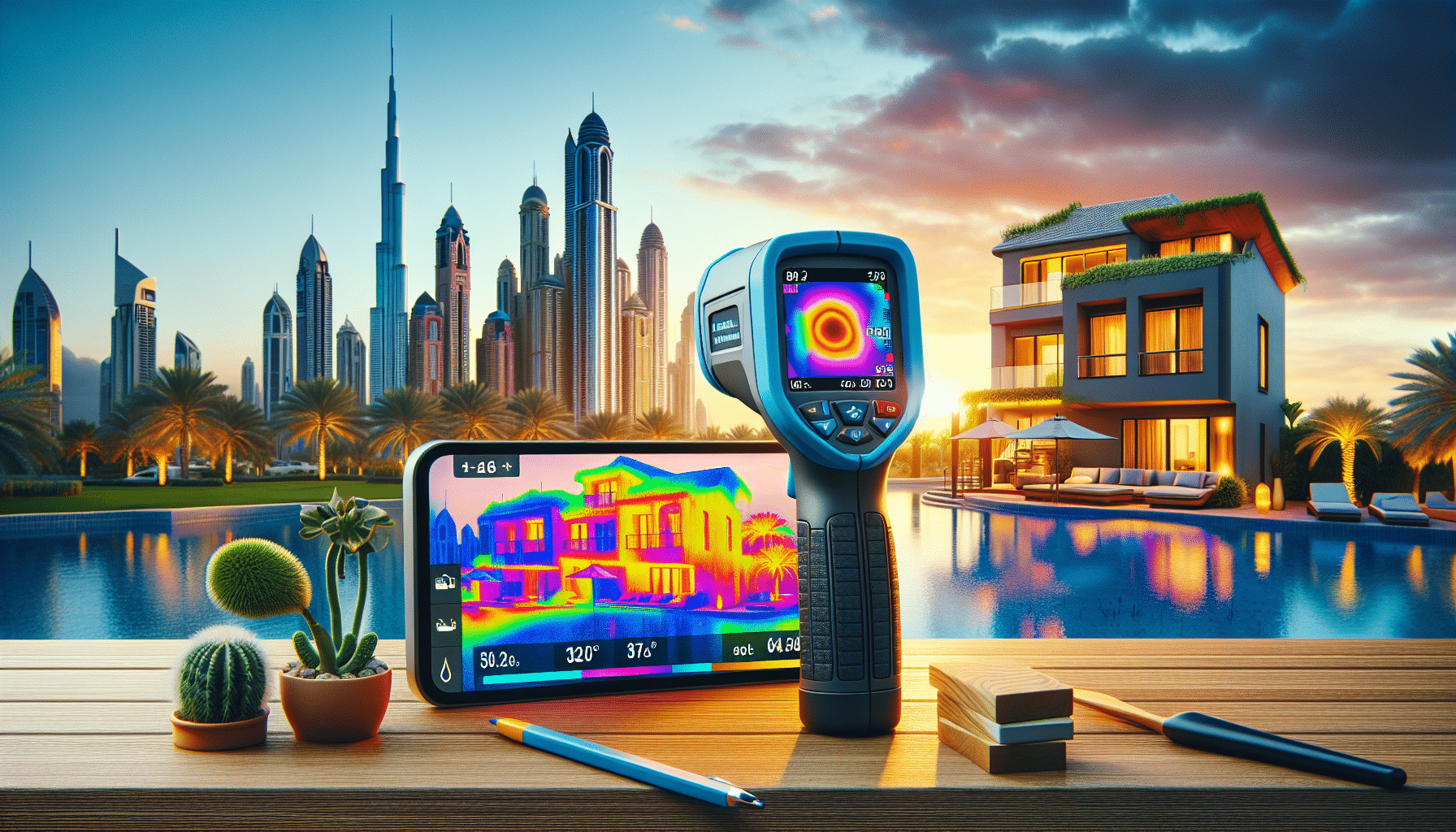
A recent case study involving a luxury residential villa in Dubai highlighted the critical importance of IAQ monitoring systems. The villa experienced chronic respiratory symptoms among its occupants, despite regular cleaning and maintenance practices.
Upon investigation, it was found that the HVAC/R system was not properly managing moisture levels, leading to condensation and mold growth behind wall cavities. By implementing an advanced IAQ monitoring system, the root cause of the issue was identified, allowing for targeted remediation efforts.
—
Tips for Implementing HVAC/R Monitoring Systems
To ensure successful implementation of HVAC/R monitoring systems:
1. Conduct a Detailed Assessment: Identify specific IAQ issues and prioritize sensors based on their impact.
2. Choose Reliable Sensors: Invest in high-quality sensors that provide accurate readings over extended periods.
3. Integrate with Existing Systems: Ensure seamless integration with existing HVAC/R infrastructure to avoid disruptions.
4. Regular Maintenance: Schedule regular calibration and maintenance checks to ensure optimal performance.
5. User-Friendly Interface: Select a system with an intuitive user interface for easy monitoring by non-technical personnel.
6. Data Analytics: Leverage advanced analytics tools to gain deeper insights into IAQ patterns and trends.
—
FAQ Section
1. Q: How do HVAC/R monitoring systems benefit occupants’ health?
– A: By continuously measuring and controlling key IAQ parameters, these systems help reduce exposure to harmful pollutants and maintain a healthy indoor environment.
2. Q: Are there any specific challenges associated with implementing IAQ monitoring in Gulf climates?
– A: Yes, the high humidity levels can create condensation issues that need to be addressed through proper sensor placement and HVAC system optimization.
3. Q: Can IAQ monitoring systems also improve energy efficiency?
– A: Absolutely! By optimizing HVAC operations based on real-time data, these systems help reduce energy waste and lower utility bills.
—
Conclusion
HVAC/R monitoring systems are indispensable tools for maintaining optimal indoor environmental quality (IAQ). By integrating advanced sensors, robust communication networks, and intuitive user interfaces, these systems ensure that buildings provide healthy environments while optimizing energy efficiency. Whether it’s a residential villa in Dubai or an office building in Riyadh, the implementation of such systems can significantly enhance occupant comfort and well-being.
—
Tags
HVAC/R Monitoring Systems, Indoor Environmental Quality (IAQ), IAQ Sensors, HVAC Optimization, Building Automation, Dubai, United Arab Emirates, Saudi Arabia
—
Alt Text
“HVAC/R Monitoring Systems for Indoor Environmental Quality (IAQ) – A comprehensive system designed to monitor and control key indoor air quality parameters.”
—THE END—
[Your article title] Understanding Hvac/r Monitoring Systems For Indoor Environmental Quality (iaq is key to success in this area.

JV de Castro, IAC2
JV de Castro is the Chief Technology Officer at Saniservice, where he leads innovation in indoor environmental sciences, IT infrastructure, and digital transformation. With over 20 years of experience spanning architecture, building science, technology management, digital media architecture, and consultancy, he has helped organizations optimize operations through smart solutions and forward-thinking strategies. JV holds a Degree in Architecture, a Masters of Research in Anthropology, an MBA in Digital Communication & Media, along with certifications in mold, building sciences and advanced networking. Passionate about combining technology, health, and sustainability, he continues to drive initiatives that bridge science, IT, and business impact.



Leave a Reply