


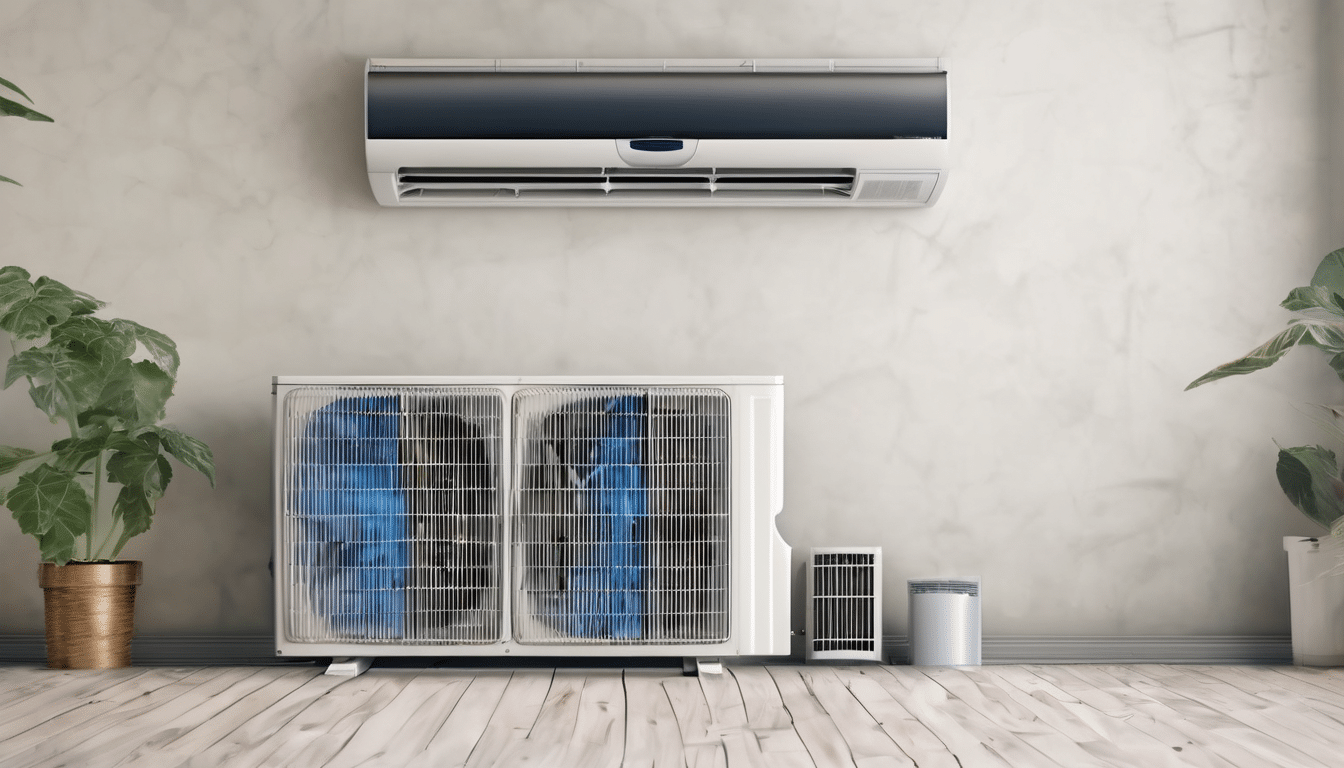
HVAC System Impact on Indoor Air Quality Explained for UAE
HVAC System Impact on indoor air quality represents the comprehensive influence that heating, ventilation, and air conditioning systems exert on the health, comfort, and safety of indoor environments. In Dubai’s extreme climate, where residents spend approximately 90% of their time indoors with air conditioning running constantly, understanding this relationship becomes critical for maintaining healthy living spaces. The HVAC system impact on Indoor Air Quality extends beyond temperature control to encompass humidity management, airborne particle filtration, and ventilation efficiency.
Throughout my twelve years with Saniservice’s Indoor Sciences division, I’ve investigated countless cases where improper HVAC operation directly caused serious indoor air quality issues. From mold contamination spreading through ductwork to chemical off-gassing from poorly maintained systems, the HVAC system impact on indoor air quality often determines whether a home supports health or contributes to respiratory problems, allergic reactions, and other health concerns.
Understanding HVAC System Impact on Indoor Air Quality
The HVAC system impact on indoor air quality begins with understanding the multiple functions these systems perform. Beyond temperature control, HVAC systems manage humidity levels, filter airborne particles, introduce fresh air, and circulate existing air throughout buildings. Each component contributes differently to the overall HVAC system impact on indoor air quality.
In Dubai’s sealed building environment, the HVAC system essentially becomes the lungs of your home or office. It breathes in air, processes it, and distributes it throughout the space. When functioning properly, this creates a healthy indoor environment. However, when components fail or maintenance is neglected, the HVAC system impact on indoor air quality can become negative, distributing contaminants rather than removing them.
Key Components and Their Roles
The filtration system represents the first line of defense in managing HVAC system impact on indoor air quality. Filters capture dust, pollen, mold spores, and other particulate matter. In our desert environment, filters work exceptionally hard to remove fine sand particles that constantly infiltrate buildings. The efficiency of these filters directly determines how effectively the system protects indoor air quality.
Hvac System Impact On Indoor Air Quality – Dubai Climate Challenges for HVAC Performance
The extreme Dubai climate creates unique challenges for maintaining positive HVAC system impact on indoor air quality. With outdoor temperatures frequently exceeding 40°C and humidity levels that can reach 90% during summer months, HVAC systems operate under constant strain. This extreme operation significantly affects the HVAC system impact on indoor air quality.
High humidity represents one of the most significant factors affecting HVAC system impact on indoor air quality in the UAE. When systems cannot properly remove moisture from the air, humidity levels rise indoors, creating ideal conditions for mold growth and dust mite proliferation. We frequently encounter properties where humidity levels exceed 70% despite air conditioning running continuously, indicating serious issues with the HVAC system impact on indoor air quality.
Temperature differentials between intensely chilled interiors and scorching exterior environments also affect HVAC system impact on indoor air quality. These extremes can cause condensation within wall cavities and ductwork, leading to hidden mold growth that the system then distributes throughout the building. Proper insulation and vapor barriers are essential for maintaining positive HVAC system impact on indoor air quality in these conditions.
Hvac System Impact On Indoor Air Quality: Common Contaminants from HVAC Systems
Understanding the specific contaminants that affect HVAC system impact on indoor air quality helps homeowners identify potential problems. Through our microbiology laboratory analysis, we’ve identified several common issues that negatively affect HVAC system impact on indoor air quality in Dubai properties.
Microbial contamination represents the most significant threat to positive HVAC system impact on indoor air quality. Mold growth within ductwork, drip pans, and cooling coils can release spores and mycotoxins into the air stream. Bacterial growth, particularly Legionella in poorly maintained systems, poses serious health risks. The dark, moist environment of HVAC systems creates perfect breeding grounds for these microorganisms when maintenance is inadequate.
Chemical contaminants also affect HVAC system impact on indoor air quality. Dust accumulation in ducts can contain pesticides, heavy metals, and other environmental pollutants. Off-gassing from construction materials, cleaning products, and personal care products can be circulated throughout buildings. In poorly ventilated spaces, these chemicals concentrate and significantly degrade the HVAC system impact on indoor air quality.
Ventilation Importance in UAE Buildings
Proper ventilation plays a crucial role in maintaining positive HVAC system impact on indoor air quality. In energy-efficient UAE buildings designed to minimize air leakage, mechanical ventilation becomes essential for introducing fresh air and exhausting stale air. The ventilation component of your HVAC system impact on indoor air quality cannot be overstated.
Many Dubai properties suffer from inadequate ventilation rates, leading to buildup of carbon dioxide, volatile organic compounds, and other indoor-generated pollutants. The American Society of Heating, Refrigerating and Air-Conditioning Engineers recommends minimum ventilation rates of 15-20 cubic feet per minute per person for acceptable indoor air quality. Unfortunately, many local systems fall short of these standards, negatively affecting HVAC system impact on indoor air quality.
Energy recovery ventilation systems offer an excellent solution for maintaining positive HVAC system impact on indoor air quality while managing energy costs. These systems precondition incoming air using energy from exhaust air, reducing the cooling load while ensuring adequate fresh air supply. For Dubai homeowners concerned about both air quality and energy consumption, these systems significantly improve overall HVAC system impact on indoor air quality.
HVAC Maintenance Best Practices
Regular maintenance represents the most effective strategy for ensuring positive HVAC system impact on indoor air quality. Based on our extensive field experience, we’ve developed specific maintenance protocols that maximize HVAC system impact on indoor air quality in Dubai’s challenging environment.
Filter replacement stands as the single most important maintenance activity affecting HVAC system impact on indoor air quality. We recommend high-efficiency particulate air (HEPA) filters or minimum efficiency reporting value (MERV) 13-rated filters for optimal particle capture. In Dubai’s dusty environment, filters should be checked monthly and replaced at least quarterly to maintain positive HVAC system impact on indoor air quality.
Professional duct cleaning every 2-3 years significantly improves HVAC system impact on indoor air quality by removing accumulated dust, mold, and other contaminants. Coil cleaning and drain pan maintenance prevent microbial growth that can negatively affect HVAC system impact on indoor air quality. System balancing ensures proper air distribution throughout the property, preventing stagnant air zones where pollutants can accumulate.
System Upgrade Considerations for Better Air Quality
For older properties or systems with persistent air quality issues, upgrades may be necessary to improve HVAC system impact on indoor air quality. Several technological advancements can significantly enhance your system’s ability to maintain healthy indoor environments.
Ultraviolet germicidal irradiation systems installed in ductwork can dramatically improve HVAC system impact on indoor air quality by eliminating microbial contaminants. These UV lights target mold, bacteria, and viruses, preventing their growth and distribution through the air stream. For properties with humidity problems, dedicated dehumidification systems can supplement existing HVAC equipment to maintain optimal 40-50% humidity levels.
Smart thermostats with air quality monitoring capabilities represent another upgrade that improves HVAC system impact on indoor air quality. These devices can automatically adjust ventilation rates based on pollutant levels, ensuring optimal air quality with minimal energy waste. For Dubai homeowners investing in indoor health, these upgrades provide measurable improvements to HVAC system impact on indoor air quality.
Air Quality Monitoring Solutions
Regular monitoring provides essential data for understanding and optimizing HVAC system impact on indoor air quality. Several monitoring approaches help homeowners track their system’s performance and identify issues before they affect health.
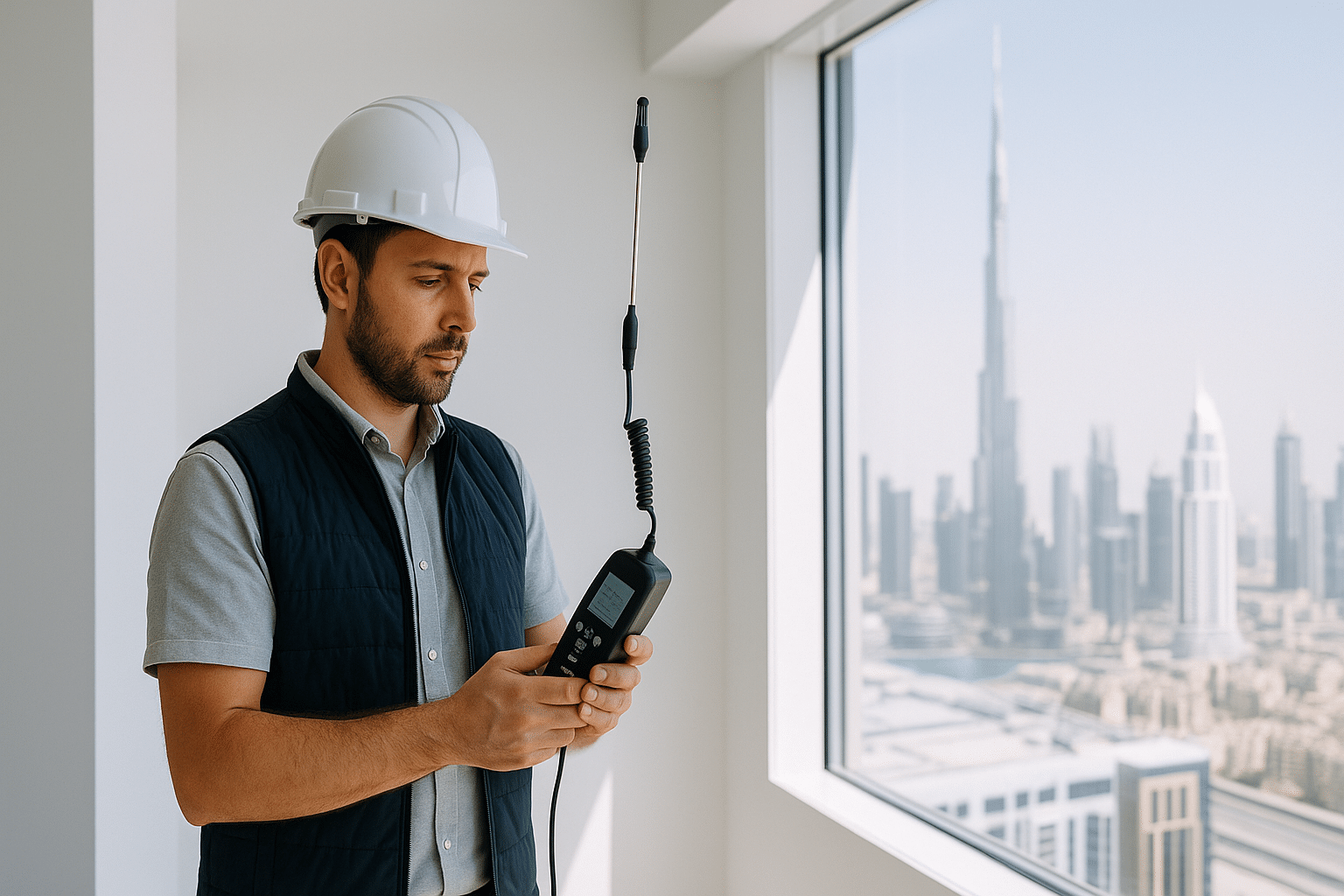
Continuous monitoring devices measure key parameters including particulate matter, volatile organic compounds, carbon dioxide, temperature, and humidity. These devices provide real-time feedback on HVAC system impact on indoor air quality, alerting homeowners to problems as they develop. Professional assessment including air sampling and surface testing offers comprehensive analysis of HVAC system impact on indoor air quality, identifying specific contaminants and their sources.
Thermal imaging represents another valuable tool for assessing HVAC system impact on indoor air quality. By identifying temperature differentials and moisture issues within building assemblies, thermal imaging can reveal hidden problems affecting system performance. This non-invasive technique has proven invaluable in our investigations of problematic HVAC system impact on indoor air quality.
Expert Tips for Healthier Indoor Air
Based on twelve years of investigating indoor environmental issues across the UAE, I’ve developed several practical recommendations for optimizing HVAC system impact on indoor air quality:
- Schedule professional HVAC maintenance every six months to ensure optimal system performance and identify issues early
- Upgrade to MERV 13 or higher filters to capture smaller particles including mold spores and fine dust
- Install carbon monoxide detectors near HVAC equipment and sleeping areas to detect combustion gases
- Use standalone air purifiers in bedrooms and main living areas to supplement whole-house filtration
- Monitor indoor humidity levels with hygrometers, maintaining 40-50% relative humidity to prevent mold growth
- Ensure bathroom and kitchen exhaust fans vent directly outdoors to remove moisture and pollutants at source
- Consider UV air purification systems for properties with recurrent mold issues or immune-compromised occupants
- Seek professional air quality testing if occupants experience persistent respiratory symptoms or unexplained illnesses
Frequently Asked Questions
How often should HVAC filters be changed in Dubai homes?
In Dubai’s dusty environment, standard filters should be checked monthly and replaced every 2-3 months. Higher efficiency filters may last 4-6 months depending on usage and outdoor conditions. Properties near construction sites or desert areas may require more frequent changes to maintain positive HVAC system impact on indoor air quality.
Can HVAC systems spread mold throughout a building?
Yes, contaminated HVAC systems can significantly distribute mold spores throughout properties. We frequently encounter cases where hidden mold growth in ductwork or evaporator coils has been spreading spores to every room. Professional inspection and cleaning are essential when mold is suspected.
What are the signs of poor HVAC system impact on indoor air quality?
Common indicators include musty odors when the system operates, excessive dust accumulation, visible mold growth around vents, persistent humidity problems, and health symptoms that improve when leaving the property. Professional assessment can identify specific issues affecting your system’s performance.
How much does professional duct cleaning cost in Dubai?
Professional duct cleaning for a typical villa ranges from AED 1,500 to AED 4,000 depending on system size, accessibility, and level of contamination. This investment significantly improves HVAC system impact on indoor air quality and should be performed every 2-3 years.
Are smart HVAC systems worth the investment for air quality?
Smart systems with air quality monitoring capabilities provide excellent value for health-conscious homeowners. These systems automatically adjust ventilation based on pollutant levels, ensuring optimal air quality while managing energy consumption. Prices typically range from AED 3,000 to AED 8,000 for installation.
The HVAC system impact on indoor air quality represents one of the most significant factors determining health and comfort in UAE homes. Through proper maintenance, strategic upgrades, and regular monitoring, homeowners can ensure their systems contribute to rather than detract from indoor environmental quality. As Dubai continues to develop and climate challenges intensify, understanding and optimizing HVAC system impact on indoor air quality will remain essential for creating healthy living spaces.

JV de Castro, IAC2
JV de Castro is the Chief Technology Officer at Saniservice, where he leads innovation in indoor environmental sciences, IT infrastructure, and digital transformation. With over 20 years of experience spanning architecture, building science, technology management, digital media architecture, and consultancy, he has helped organizations optimize operations through smart solutions and forward-thinking strategies. JV holds a Degree in Architecture, a Masters of Research in Anthropology, an MBA in Digital Communication & Media, along with certifications in mold, building sciences and advanced networking. Passionate about combining technology, health, and sustainability, he continues to drive initiatives that bridge science, IT, and business impact.



Leave a Reply