Test For Mold In Dubai Apartments: Complete Guide
Living in Dubai apartments presents unique challenges when it comes to mold detection and prevention. The combination of high humidity, constant air conditioning, and modern building materials creates ideal conditions for mold growth that often goes unnoticed until health symptoms appear. As someone who has spent over a decade building Dubai’s only indoor environmental microbiology lab at Saniservice, I’ve developed specialized protocols for how to test for mold in Dubai apartments that address the specific conditions of our desert climate and construction practices.
Understanding How to Test for mold in Dubai apartments requires recognizing that our buildings behave differently than those in temperate climates. The constant battle between outdoor heat and indoor cooling creates condensation points, while sealed environments trap moisture and contaminants. This guide will walk you through the complete process of how to test for mold in Dubai apartments, from initial visual inspection to advanced laboratory analysis, with special attention to the UAE-specific factors that make mold testing here both essential and unique.
Test For Mold In Dubai Apartments: Understanding Mold in Dubai Apartments
Mold growth in Dubai apartments follows distinct patterns that differ significantly from other regions. The combination of extreme outdoor temperatures reaching 45°C and indoor cooling maintained at 22-24°C creates dramatic temperature differentials that cause condensation. This moisture accumulation often occurs in hidden areas like behind walls, under flooring, and within HVAC systems where residents cannot see it developing.
The architectural design of many Dubai apartments contributes to mold problems through thermal bridging at wall-floor junctions and around window frames. These cold spots become condensation magnets, creating perfect microclimates for mold growth. Additionally, the widespread use of gypsum board and other moisture-retentive materials in construction provides ideal substrates for mold colonization when combined with the humidity generated by daily activities like cooking, showering, and even breathing.
Understanding how to test for mold in Dubai apartments begins with recognizing these climate-specific risk factors. The constant air conditioning required for most of the year means apartments remain sealed, trapping humidity and preventing natural ventilation. This creates an environment where relative humidity can easily exceed the 60% threshold that promotes mold growth, even in our desert climate where outdoor humidity levels are typically low.
<h2 id="signs-mold-presence”>Test For Mold In Dubai Apartments: Signs of Mold Presence in Your Apartment
Visual indicators provide the first clues when learning how to test for mold in Dubai apartments. Look for discolouration on walls, ceilings, and around windows that appears as black, green, or brown speckling. Pay particular attention to areas near air conditioning vents, behind furniture placed against exterior walls, and in bathrooms where moisture levels are naturally higher. These visual signs often indicate more extensive hidden growth within wall cavities or under flooring.
Common Visible Mold Locations
In Dubai apartments, mold frequently appears around window frames where condensation forms, in bathroom grouting and silicone seals, behind kitchen cabinets where plumbing leaks may occur, and on cold water pipes that sweat in the humid indoor environment. These areas require careful inspection during any assessment of how to test for mold in Dubai apartments.
Odour detection represents another critical aspect of how to test for mold in Dubai apartments. A musty, earthy smell that persists despite cleaning often indicates hidden mold growth. This odour comes from microbial volatile organic compounds (MVOCs) released by actively growing mold colonies. If you notice this smell intensifying when the air conditioning starts or when entering certain rooms, it’s time to investigate further using proper methods for how to test for mold in Dubai apartments.
Test For Mold In Dubai Apartments: DIY Mold Testing Methods for Dubai Residents
For residents beginning their journey of how to test for mold in Dubai apartments, several DIY methods can provide initial indications. Tape lift sampling involves pressing clear tape against suspicious surfaces and examining it under magnification for mold structures. This method works well for visible growth but cannot determine species or quantify contamination levels. It represents a basic first step in learning how to test for mold in Dubai apartments.
DIY air sampling kits available in UAE hardware stores typically include petri dishes with growth media. These settle plates capture airborne spores when left open for specified periods. However, these kits have significant limitations for proper how to test for mold in Dubai apartments protocols. They cannot differentiate between indoor and outdoor spores, provide no quantification, and require laboratory analysis for accurate identification—which most DIY kits lack.
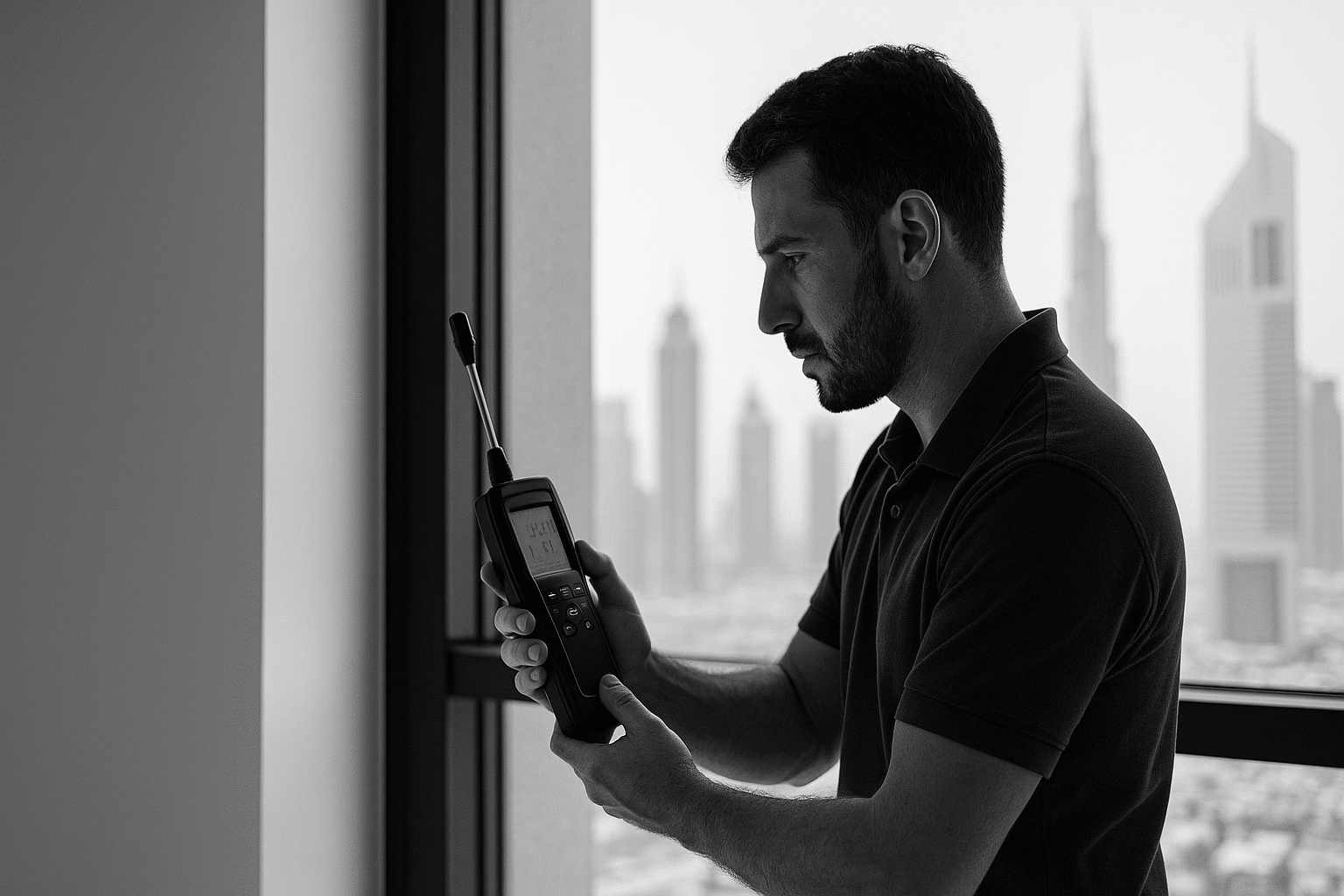
The most effective DIY approach to how to test for mold in Dubai apartments involves moisture mapping using affordable moisture meters available for around AED 200-400. These devices measure moisture content in building materials, helping identify hidden dampness that could support mold growth. By systematically testing walls, floors, and ceilings, particularly near exterior walls and bathrooms, residents can identify problem areas before visible mold appears. This proactive moisture assessment forms a crucial part of any comprehensive strategy for how to test for mold in Dubai apartments.
Professional Mold Testing Approach
Professional how to test for mold in Dubai apartments follows rigorous protocols that combine architectural assessment with scientific analysis. The process begins with a comprehensive visual inspection using specialized lighting and magnification to identify subtle growth patterns. Professionals then use thermal imaging cameras to detect temperature variations that indicate moisture problems and hidden condensation points behind walls and under floors.
Air sampling represents a critical component of professional how to test for mold in Dubai apartments. Technicians use calibrated pumps to draw air through cassettes that capture spores on slides or filters. These samples undergo laboratory analysis to identify species and quantify concentrations. Surface sampling through tape lifts, swabs, or bulk material collection provides additional data about colonization levels and specific mold types present in the apartment.
The most advanced approach to how to test for mold in Dubai apartments involves environmental relative moldiness index (ERMI) testing, which analyzes dust samples for DNA from 36 different mold species. This method provides a comprehensive picture of the mold burden in an environment and can identify hidden contamination that air sampling might miss. At our Saniservice laboratory, we’ve found ERMI testing particularly valuable for Dubai apartments where hidden growth in HVAC systems and wall cavities is common.
Mold Testing Costs in Dubai Apartments
Understanding costs is essential when planning how to test for mold in Dubai apartments. Basic visual inspections from professional companies typically range from AED 500-800 for a standard one-bedroom apartment. More comprehensive assessments including air and surface sampling generally cost between AED 1,200-2,500 depending on the number of samples collected and the laboratory analysis required.
Advanced how to test for mold in Dubai apartments protocols involving thermal imaging, moisture mapping, and ERMI testing typically range from AED 3,000-5,000 for a complete assessment. These comprehensive evaluations provide the most accurate picture of mold conditions and are particularly recommended for apartments where residents experience health symptoms or where previous water damage has occurred. Many companies offer package deals for how to test for mold in Dubai apartments that include both inspection and follow-up testing after remediation.
When budgeting for how to test for mold in Dubai apartments, consider that professional testing represents an investment in health protection and property preservation. The cost of testing is typically significantly less than the expense of treating health problems caused by undetected mold exposure or repairing structural damage from prolonged moisture issues. Many testing companies in Dubai offer payment plans or package pricing for multiple units in the same building.
Interpreting Mold Test Results
Proper interpretation is crucial after completing how to test for mold in Dubai apartments. Laboratory reports typically include spore counts per cubic metre of air, with comparisons between indoor and outdoor samples. Elevated indoor levels, particularly of species like Aspergillus, Penicillium, or Stachybotrys, indicate an indoor amplification site that requires investigation and remediation.
Understanding species identification forms another critical aspect of interpreting how to test for mold in Dubai apartments results. Certain species like Aspergillus fumigatus or Stachybotrys chartarum (black mold) require more urgent attention due to their potential health impacts. However, even common species like Cladosporium or Alternaria can cause problems when present in elevated concentrations, particularly for sensitive individuals.
The context of results matters greatly in proper interpretation of how to test for mold in Dubai apartments. A slightly elevated spore count in a bathroom may be normal, while the same count in a bedroom warrants concern. Professional assessors consider building conditions, occupant health, and environmental factors when recommending action levels. This contextual interpretation represents why professional guidance proves valuable when learning how to test for mold in Dubai apartments effectively.
Mold Prevention Strategies for Dubai Apartments
Effective prevention completes the knowledge of how to test for mold in Dubai apartments. Maintaining indoor humidity below 60% using dehumidifiers or properly sized AC units represents the most crucial prevention measure. Regularly cleaning AC drip pans and ensuring proper drainage prevents moisture accumulation that often leads to mold growth in HVAC systems.
Ventilation strategies form another key element of mold prevention after learning how to test for mold in Dubai apartments. Using exhaust fans in bathrooms and kitchens, opening windows when outdoor humidity permits (typically early morning during winter months), and ensuring air circulation throughout the apartment all help reduce moisture accumulation. Furniture placement should allow air movement against exterior walls where condensation often occurs.
Regular maintenance inspections represent the final component of comprehensive how to test for mold in Dubai apartments prevention. Checking for plumbing leaks, ensuring proper sealing around windows and doors, and monitoring for condensation patterns help identify problems early. Many professional companies offer annual maintenance packages that include moisture mapping and visual inspection as part of ongoing how to test for mold in Dubai apartments protocols.
Expert Tips for Effective Mold Testing
Based on my experience developing how to test for mold in Dubai apartments protocols, I recommend testing during the summer months when humidity and AC use are highest. This reveals the worst-case scenario conditions and identifies problems that might not appear during cooler weather. Always test multiple locations including bedrooms, living areas, and utility spaces to get a comprehensive picture.
When conducting how to test for mold in Dubai apartments, focus on areas where thermal bridging occurs—typically where exterior walls meet floors and ceilings, around windows, and near AC vents. These locations experience the greatest temperature differentials and thus the most condensation. Use moisture meters to quantify dampness before it becomes visible mold.
For accurate how to test for mold in Dubai apartments results, avoid cleaning or disturbing areas for at least 24 hours before testing. Turn off air purifiers and avoid opening windows excessively, as this can affect air sampling results. Document testing locations with photographs and notes to correlate laboratory findings with specific apartment areas.
Frequently Asked Questions
How often should I test my Dubai apartment for mold? Annual testing is recommended, particularly before and after the summer season. Apartments with previous water damage or residents experiencing health issues should consider quarterly monitoring as part of their how to test for mold in Dubai apartments strategy.
Can I rely on DIY mold test kits available in UAE stores? While these kits can indicate presence, they lack the quantification and species identification needed for proper assessment. Professional how to test for mold in Dubai apartments provides accurate data for informed decision-making about remediation needs.
What health symptoms might indicate I need mold testing? Persistent respiratory issues, allergic reactions, headaches, or fatigue that improve when away from the apartment suggest possible mold exposure and warrant learning how to test for mold in Dubai apartments properly.
Understanding how to test for mold in Dubai apartments empowers residents to protect their health and property in our unique climate conditions. By combining visual inspection, moisture assessment, and scientific testing, you can identify problems early and implement effective solutions. Remember that proper how to test for mold in Dubai apartments involves both detection and prevention—regular monitoring and maintenance provide the best protection against the hidden mold problems that commonly affect apartments across the UAE.

JV de Castro, IAC2
JV de Castro is the Chief Technology Officer at Saniservice, where he leads innovation in indoor environmental sciences, IT infrastructure, and digital transformation. With over 20 years of experience spanning architecture, building science, technology management, digital media architecture, and consultancy, he has helped organizations optimize operations through smart solutions and forward-thinking strategies. JV holds a Degree in Architecture, a Masters of Research in Anthropology, an MBA in Digital Communication & Media, along with certifications in mold, building sciences and advanced networking. Passionate about combining technology, health, and sustainability, he continues to drive initiatives that bridge science, IT, and business impact.