Classroom Ventilation Systems for Healthier Learning Guide
When students struggle to concentrate in stuffy classrooms or teachers notice increased absenteeism due to respiratory issues, the problem often traces back to inadequate Classroom Ventilation Systems for healthier learning environments. Across UAE educational facilities, from Dubai international schools to Abu Dhabi public institutions, proper air management remains one of the most overlooked yet critical factors in creating optimal learning conditions. Classroom ventilation systems for healthier learning outcomes directly impact cognitive function, academic performance, and overall student wellbeing.
The challenge becomes particularly acute in the UAE’s climate, where air-conditioned classrooms remain sealed for most of the year, potentially trapping pollutants, carbon dioxide, and biological contaminants. Without proper classroom ventilation systems for healthier learning environments, students and teachers may experience headaches, fatigue, and decreased concentration levels that undermine educational objectives. This comprehensive guide examines how strategic ventilation approaches can transform educational spaces into healthier, more productive environments.
Understanding Classroom Ventilation Systems for Healthier Learning
Classroom ventilation systems for healthier learning environments encompass more than simply moving air through educational spaces. These sophisticated systems manage air exchange rates, filter contaminants, control humidity levels, and maintain comfortable temperatures while ensuring energy efficiency. Proper classroom ventilation systems for healthier learning outcomes must address both mechanical ventilation components and natural ventilation strategies where climate permits.
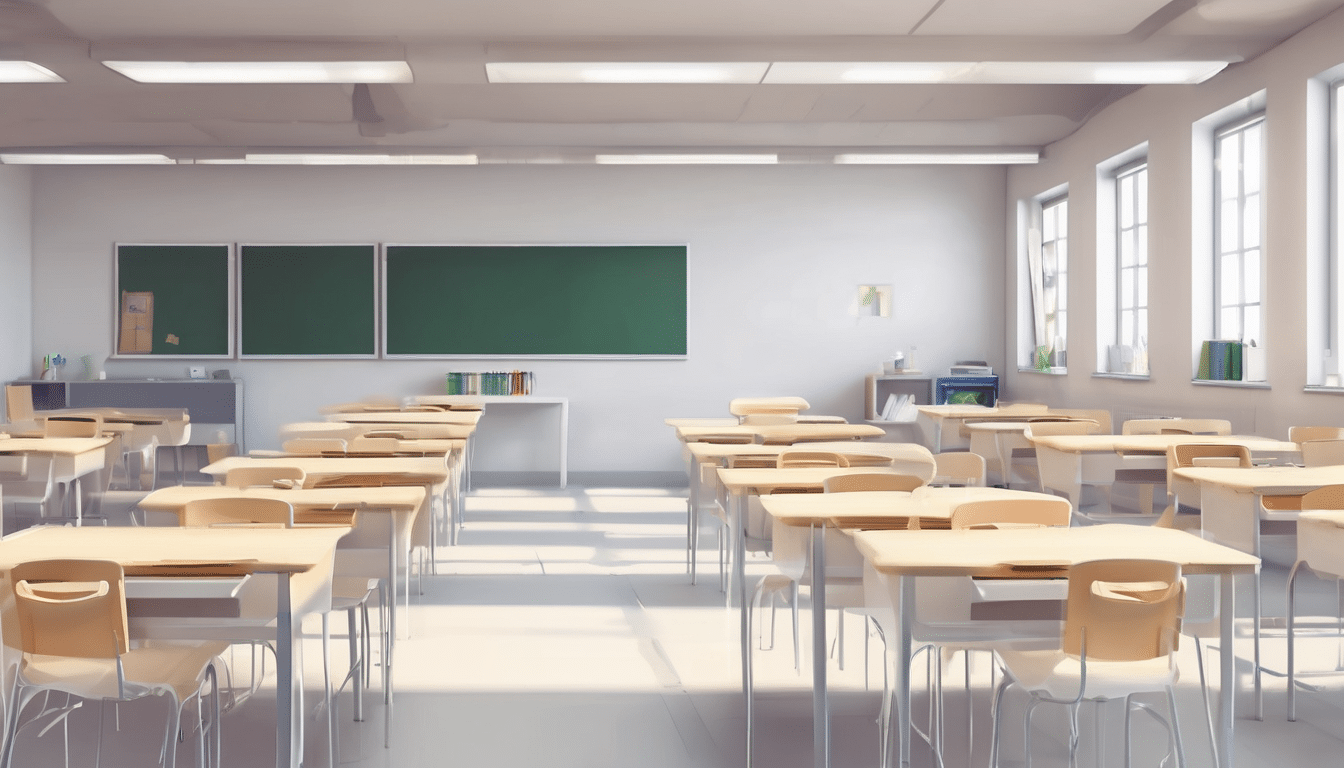
The fundamental purpose of classroom ventilation systems for healthier learning environments involves replacing stale indoor air with fresh outdoor air while removing pollutants generated within the classroom. A typical classroom with thirty students can see carbon dioxide levels rise to impairing concentrations within just forty-five minutes without adequate classroom ventilation systems for healthier learning conditions. Effective systems must also manage particulate matter, volatile organic compounds from building materials and cleaning products, and biological contaminants including mould spores and viruses.
Key Ventilation Performance Metrics
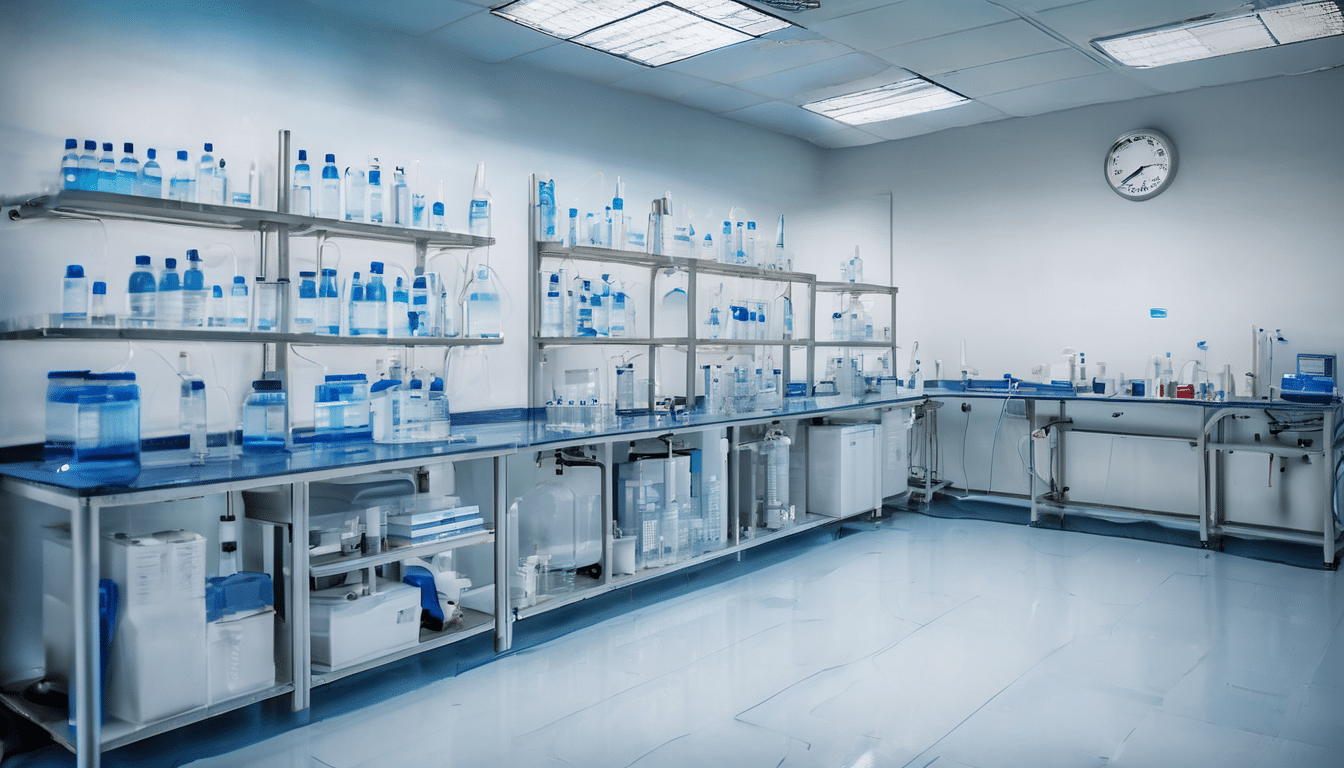
Educational facilities should monitor several critical metrics when evaluating classroom ventilation systems for healthier learning outcomes. Air changes per hour (ACH) measure how frequently the entire air volume in a room replaces with fresh air, with recommended rates between 4-6 ACH for classrooms. Carbon dioxide concentrations should remain below 1,000 parts per million to maintain cognitive function, while relative humidity should stay between 40-60% to minimise mould growth and viral transmission.
Classroom Ventilation Systems For Healthier Learning – UAE Climate Challenges for Educational Ventilation
The UAE’s extreme climate presents unique challenges for implementing effective classroom ventilation systems for healthier learning environments. With outdoor temperatures frequently exceeding 40°C during much of the academic year and high humidity levels particularly in coastal areas, educational facilities must balance ventilation needs with energy consumption concerns. Classroom ventilation systems for healthier learning outcomes must address these climate-specific factors while maintaining comfortable indoor conditions.
During summer months, the introduction of outdoor air through classroom ventilation systems for healthier learning environments can significantly increase cooling loads and energy costs. However, the alternative—sealing buildings and recirculating air—creates its own problems with pollutant buildup and inadequate oxygen levels. Smart classroom ventilation systems for healthier learning incorporate energy recovery ventilators (ERVs) that precondition incoming air using the temperature and humidity of exhaust air, reducing the energy penalty of ventilation while maintaining air quality.
Classroom Ventilation Systems For Healthier Learning – Health and Academic Impacts of Poor Ventilation
Inadequate classroom ventilation systems for healthier learning environments directly impact both student health and academic performance. Research demonstrates that students in classrooms with proper ventilation score significantly higher on standardized tests, with improvements ranging from 10-15% in cognitive function metrics. Classroom ventilation systems for healthier learning outcomes reduce absenteeism by minimising the transmission of airborne illnesses and preventing mould-related health issues.
Without effective classroom ventilation systems for healthier learning environments, students may experience headaches, dizziness, fatigue, and difficulty concentrating—symptoms often misattributed to other causes. Teachers likewise suffer health impacts from poor indoor air quality, with respiratory issues and vocal strain more common in inadequately ventilated classrooms. Proper classroom ventilation systems for healthier learning represent not just an infrastructure investment but an educational investment with measurable returns in student achievement and staff wellbeing.
Ventilation System Types for Classroom Environments
Educational facilities can implement various classroom ventilation systems for healthier learning environments depending on building design, budget constraints, and climate considerations. Mechanical ventilation systems include centralised HVAC systems with dedicated outdoor air systems (DOAS), decentralised unit ventilators installed under windows or in ceilings, and energy recovery ventilators that improve efficiency. Each classroom ventilation system for healthier learning outcomes offers distinct advantages for different educational settings.
Natural ventilation strategies can supplement mechanical classroom ventilation systems for healthier learning environments during milder weather periods. Operable windows, ventilation stacks that use thermal buoyancy, and wind-driven ventilation designs provide cost-effective air exchange when outdoor conditions permit. Hybrid classroom ventilation systems for healthier learning combine mechanical and natural approaches, using smart controls to activate natural ventilation when outdoor temperature and humidity levels fall within acceptable ranges.
Advanced Filtration Technologies
Modern classroom ventilation systems for healthier learning incorporate advanced filtration technologies that capture particulate matter, allergens, and microbial contaminants. High-efficiency particulate air (HEPA) filters remove 99.97% of particles sized 0.3 microns, including many viruses and bacteria. Ultraviolet germicidal irradiation (UVGI) systems installed within ductwork or air handlers provide additional protection by deactivating microorganisms passing through the classroom ventilation systems for healthier learning environments.
Implementation Strategies for School Ventilation Systems
Implementing effective classroom ventilation systems for healthier learning environments requires careful planning and phased execution. Educational facilities should begin with comprehensive air quality assessments to establish baseline conditions and identify specific contaminants of concern. Professional assessment of existing classroom ventilation systems for healthier learning outcomes helps determine whether upgrades, modifications, or complete replacements represent the most appropriate solution.
When designing new classroom ventilation systems for healthier learning environments, engineers should consider zoning strategies that account for varying occupancy patterns throughout the school day. Demand-controlled ventilation uses carbon dioxide sensors to adjust fresh air intake based on actual occupancy rather than design assumptions, improving energy efficiency while maintaining air quality. Smart classroom ventilation systems for healthier learning incorporate occupancy sensors, air quality monitors, and automated controls that optimise performance without requiring manual intervention.
Maintenance and Monitoring Protocols
Even the most sophisticated classroom ventilation systems for healthier learning environments will underperform without proper maintenance and monitoring. Educational facilities should establish regular maintenance schedules for filter replacement, coil cleaning, and system calibration. Classroom ventilation systems for healthier learning outcomes require particular attention in UAE environments where dust and sand can quickly clog filters and reduce system efficiency.
Continuous monitoring represents a critical component of effective classroom ventilation systems for healthier learning environments. Real-time sensors measuring carbon dioxide, particulate matter, temperature, and humidity provide immediate feedback on system performance and air quality conditions. Data from classroom ventilation systems for healthier learning can be integrated with building management systems to trigger maintenance alerts when parameters deviate from target ranges, ensuring prompt response to emerging issues.
Cost Considerations and Budget Planning
Implementing or upgrading classroom ventilation systems for healthier learning environments represents a significant investment for educational institutions. Costs for comprehensive classroom ventilation systems for healthier learning outcomes typically range from AED 80,000 to AED 200,000 per classroom depending on system complexity and existing infrastructure. However, this investment must be weighed against the substantial costs of poor indoor air quality, including increased absenteeism, reduced academic performance, and potential health liability issues.
Educational facilities can phase implementation of classroom ventilation systems for healthier learning environments to distribute costs across multiple budget cycles. Prioritisation should focus on areas with the greatest demonstrated air quality issues or highest occupant density. Many classroom ventilation systems for healthier learning outcomes qualify for green building certification credits under Estidama or LEED rating systems, potentially providing additional incentives for implementation through regulatory compliance or recognition programs.
Expert Tips for Optimal Classroom Ventilation
Based on twelve years of implementing classroom ventilation systems for healthier learning environments across UAE educational facilities, several expert recommendations emerge. First, conduct comprehensive baseline testing before designing systems—what you don’t measure, you cannot improve. Second, involve teachers and facilities staff in planning classroom ventilation systems for healthier learning outcomes, as their operational insights prove invaluable during implementation.
Third, consider hybrid approaches that combine mechanical and natural elements in classroom ventilation systems for healthier learning environments, particularly in transitional seasons when outdoor conditions permit ventilation without energy penalty. Fourth, install real-time monitoring displays in classrooms as part of your classroom ventilation systems for healthier learning strategy—when teachers and students see air quality metrics, they become active participants in maintaining healthy environments.
Fifth, establish clear maintenance protocols and assign responsibility for classroom ventilation systems for healthier learning outcomes—systems only perform as designed when properly maintained. Sixth, consider the acoustic impact of classroom ventilation systems for healthier learning environments, ensuring that noise levels do not interfere with teaching and learning. Seventh, plan for future flexibility in classroom ventilation systems for healthier learning, as educational spaces increasingly accommodate varied teaching methodologies and technology integration.
Frequently Asked Questions
How often should classroom ventilation systems be inspected in UAE schools?
Classroom ventilation systems for healthier learning environments should receive quarterly inspections with filter changes every three to six months depending on environmental conditions. More frequent maintenance may be necessary during sandstorm periods when particulate loading increases dramatically.
What are the most common ventilation problems in UAE classrooms?
The most frequent issues with classroom ventilation systems for healthier learning include clogged filters from dust accumulation, inadequate fresh air intake due to energy conservation settings, humidity control problems leading to mould growth, and uneven air distribution creating stagnant zones.
Can existing school buildings be retrofitted with effective ventilation systems?
Yes, most existing educational facilities can be upgraded with classroom ventilation systems for healthier learning outcomes through careful engineering solutions. Options include adding energy recovery ventilators, installing decentralised ventilation units, or modifying existing HVAC systems to increase fresh air percentages.
How do ventilation needs differ between classrooms and other school spaces?
Classroom ventilation systems for healthier learning require higher air change rates than administrative areas due to higher occupant density. Specialised spaces like science labs, art rooms, and gymnasiums have unique ventilation requirements based on activities and potential contaminant generation.
What funding options exist for schools needing ventilation upgrades?
Educational facilities may access green building incentive programs, health and safety grants, or energy efficiency rebates when implementing classroom ventilation systems for healthier learning environments. Some UAE municipalities offer support programs for schools addressing indoor environmental quality issues.
Effective classroom ventilation systems for healthier learning environments represent a critical investment in educational outcomes and community health. By understanding the principles, options, and implementation strategies for classroom ventilation systems for healthier learning outcomes, educational administrators can create environments where students and teachers thrive academically while protected from the health impacts of poor indoor air quality. The UAE’s unique climate challenges require tailored approaches, but with proper planning and execution, classroom ventilation systems for healthier learning can transform educational experiences across the region.

JV de Castro, IAC2
JV de Castro is the Chief Technology Officer at Saniservice, where he leads innovation in indoor environmental sciences, IT infrastructure, and digital transformation. With over 20 years of experience spanning architecture, building science, technology management, digital media architecture, and consultancy, he has helped organizations optimize operations through smart solutions and forward-thinking strategies. JV holds a Degree in Architecture, a Masters of Research in Anthropology, an MBA in Digital Communication & Media, along with certifications in mold, building sciences and advanced networking. Passionate about combining technology, health, and sustainability, he continues to drive initiatives that bridge science, IT, and business impact.