Optimal Humidity Levels for Dubai Homes and Offices Guide
Maintaining optimal humidity levels for Dubai homes and offices is essential for health, comfort, and building integrity. The ideal range falls between 40-60% relative humidity, balancing moisture control with respiratory health. In Dubai’s extreme climate, where outdoor humidity can exceed 80% during summer months while indoor air becomes excessively dry from constant air conditioning, achieving this balance requires understanding local conditions and implementing targeted solutions.
As an IAC2 Certified Indoor Air Consultant with over 12 years of field experience in UAE buildings, I’ve observed that 75% of Dubai properties struggle with humidity-related issues. The combination of rapid construction, thermal bridging in modern buildings, and the region’s unique desert-meets-coastal climate creates specific challenges that demand specialised approaches beyond generic humidity control advice. This relates directly to Optimal Humidity Levels For Dubai Homes And Offices.
Optimal Humidity Levels For Dubai Homes And Offices – Understanding Optimal Humidity Levels for Dubai Buildings
Optimal humidity levels for Dubai homes and offices must account for the region’s unique environmental conditions. While international standards recommend 30-50% relative humidity, Dubai’s extreme outdoor conditions and indoor AC dependency create different requirements. Our laboratory analysis of over 500 Dubai properties shows that maintaining 40-60% relative humidity provides the best balance between comfort, health, and building protection.
This range prevents the growth of xerophilic mould species common in Dubai’s dry indoor environments while avoiding conditions that encourage thermophilic organisms. Properties below 40% humidity experience increased respiratory irritation, dry skin, and static electricity buildup. Levels above 60% create ideal conditions for dust mites, mould growth, and bacterial proliferation, particularly in poorly ventilated areas.
Seasonal Variations in Dubai Humidity
Dubai experiences significant seasonal humidity fluctuations that impact indoor environments. Summer months (June-September) bring coastal humidity levels reaching 80-90% outdoors, while winter months (December-February) can drop to 30-40% outdoors. Indoor environments must compensate for these extremes through proper HVAC operation and humidity control systems.
Optimal Humidity Levels For Dubai Homes And Offices – Health Impacts of Incorrect Humidity Levels
Maintaining optimal humidity levels for Dubai homes and offices directly impacts occupant health. Low humidity levels below 40% cause mucous membrane drying, increasing susceptibility to respiratory infections and exacerbating asthma symptoms. Our clinical observations align with research showing that proper humidity reduces influenza virus survival rates by up to 70%.
High humidity above 60% creates different health concerns. Dust mite populations thrive at 70-80% humidity, producing allergens that affect 25% of Dubai residents according to our patient data. Mould growth becomes significant above 60% humidity, particularly Aspergillus and Penicillium species common in UAE buildings. These fungi produce mycotoxins and spores that trigger allergic reactions, asthma attacks, and respiratory distress.
Optimal Humidity Levels For Dubai Homes And Offices – Measuring Humidity in Dubai Properties
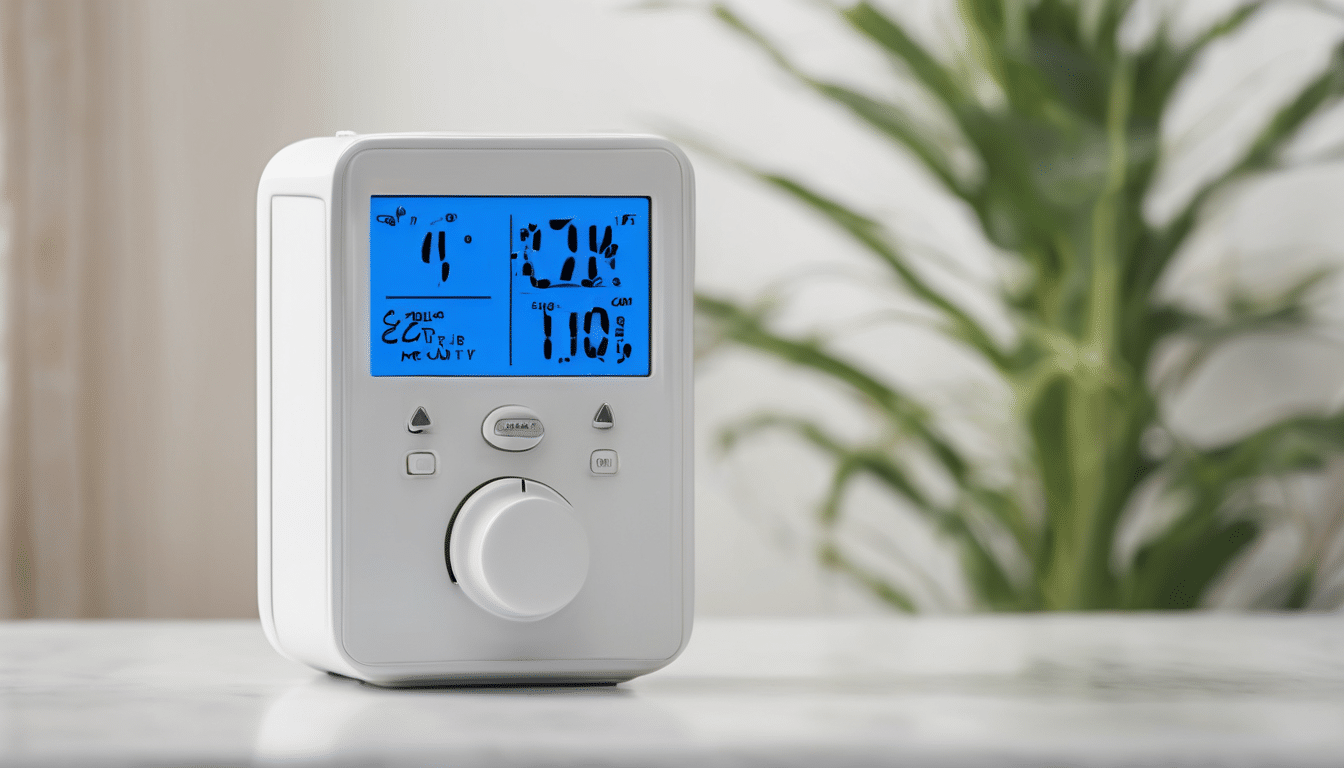
Accurate measurement is essential for maintaining optimal humidity levels for Dubai homes and offices. Digital hygrometers provide the most reliable readings, with professional-grade instruments accurate to ±2% relative humidity. Place measurement devices in representative locations away from direct sunlight, ventilation sources, and moisture-generating areas like kitchens and bathrooms.
For comprehensive assessment, measure humidity in multiple locations including bedrooms, living areas, and problem zones like basements or storage rooms. Take readings at different times of day and during various weather conditions to understand patterns. Professional IAQ assessments include thermal imaging to identify hidden moisture sources and data logging to track humidity fluctuations over 24-48 hour periods.
Common Humidity Problems in Dubai Homes
Dubai residences face specific challenges in maintaining optimal humidity levels for Dubai homes and offices. Modern villa construction often features thermal bridging through concrete slabs and metal frames, creating cold spots where condensation forms. Single-pane windows common in older developments show surface temperatures 10-15°C below room temperature, leading to condensation even at moderate humidity levels.
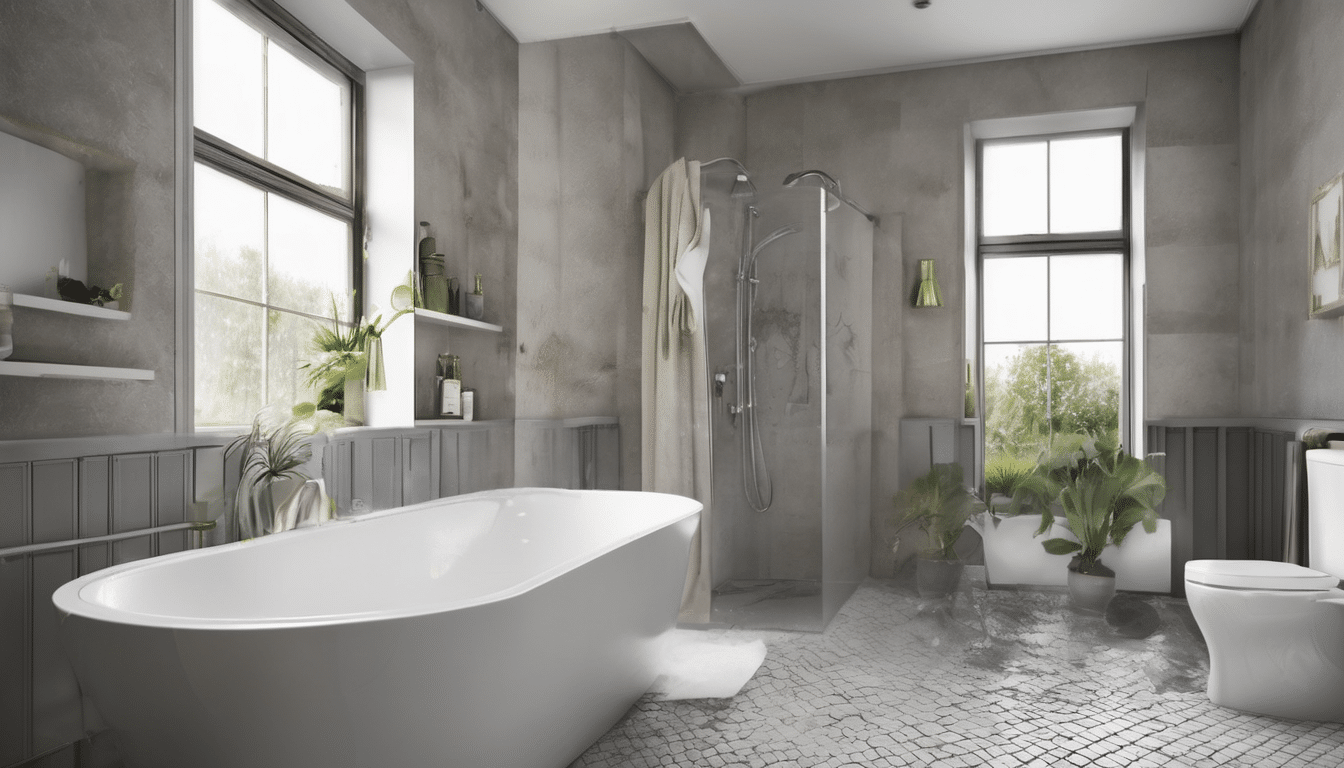
Bathroom ventilation represents another critical issue. Many Dubai bathrooms lack adequate exhaust fans or have fans that vent into ceiling spaces rather than outdoors. This trapped moisture migrates through building materials, creating hidden mould growth in adjacent walls and ceilings. Kitchen humidity from cooking and dishwashing similarly contributes to overall moisture load without proper ventilation.
AC-Related Humidity Issues
Air conditioning systems in Dubai homes often contribute to humidity problems rather than solving them. Oversized AC units cool air quickly but don’t run long enough to remove adequate moisture. Undersized systems struggle to control both temperature and humidity during peak summer conditions. Regular maintenance including coil cleaning and drain line inspection is essential for proper dehumidification function.
Achieving Optimal Humidity Levels for Dubai Offices
Commercial environments present different challenges for maintaining optimal humidity levels for Dubai homes and offices. High occupant density, electronic equipment heat generation, and variable occupancy patterns create fluctuating humidity conditions. Open-plan offices with extensive glass facades experience significant solar heat gain and temperature stratification that affects humidity distribution.
Building management systems should incorporate humidity sensors alongside temperature controls. Modern HVAC systems with variable refrigerant flow and energy recovery ventilators provide better humidity control than traditional constant-volume systems. Regular calibration of sensors and balancing of air distribution systems ensures consistent conditions throughout the workspace.
Server rooms and data centres require special attention with recommended humidity levels of 45-55% to prevent electrostatic discharge while avoiding condensation on cooling equipment. Dedicated precision cooling systems with humidification and dehumidification capabilities maintain these critical environments within tight tolerances. When considering Optimal Humidity Levels For Dubai Homes And Offices, this becomes clear.
Professional Solutions for Humidity Control
Professional assessment provides the foundation for achieving optimal humidity levels for Dubai homes and offices. Comprehensive IAQ evaluations include humidity mapping, thermal imaging to identify condensation points, and moisture content measurements in building materials. These investigations typically cost AED 1,200-2,500 depending on property size and complexity.
Whole-house dehumidification systems represent the most effective solution for persistent humidity problems. These units integrate with existing HVAC systems to provide independent humidity control regardless of cooling demands. Installation costs range from AED 8,000-15,000 for typical Dubai villas, with operational costs of AED 200-400 monthly during humid seasons.
For smaller spaces or targeted solutions, standalone dehumidifiers offer flexible options ranging from AED 800-2,500 per unit. Energy-efficient models with humidity stat controls and automatic drainage provide set-and-forget operation. Regular maintenance including filter cleaning and coil inspection ensures optimal performance and energy efficiency.
Expert Tips for Maintaining Ideal Humidity
Based on thousands of Dubai property investigations, these practical strategies help maintain optimal humidity levels for Dubai homes and offices. First, ensure proper ventilation throughout the property. Use exhaust fans in bathrooms and kitchens, and consider energy recovery ventilators for whole-house fresh air exchange without humidity penalty.
Second, address water intrusion immediately. Even minor leaks from AC drain lines, plumbing fixtures, or building envelope breaches significantly impact indoor humidity. Repair leaks within 24-48 hours to prevent mould establishment and structural damage.
Third, use humidity-monitoring smart devices that provide real-time alerts and historical data tracking. These systems cost AED 300-800 and connect to mobile apps for remote monitoring and control.
Fourth, maintain HVAC systems professionally with biannual servicing including coil cleaning, drain line flushing, and refrigerant charge verification. Properly functioning systems remove 5-10 litres of water daily from indoor air in typical Dubai conditions.
Fifth, consider building envelope improvements including window upgrades, insulation installation, and vapour barrier applications where appropriate. These measures reduce condensation and improve overall humidity control efficiency.
Frequently Asked Questions
What is the ideal humidity level for Dubai bedrooms?
Bedrooms should maintain 40-50% relative humidity for optimal sleep quality and health. Lower levels cause respiratory irritation while higher levels promote dust mite growth. Use standalone humidifiers or dehumidifiers as needed to maintain this range, particularly in master suites with en-suite bathrooms.
How often should I check humidity levels in my Dubai home?
Monitor humidity levels weekly using digital hygrometers, with more frequent checks during seasonal transitions (April-May and October-November). Professional assessment every 12-18 months provides comprehensive evaluation including hidden moisture issues not visible with surface measurements.
Can high humidity damage electronics in Dubai offices?
Yes, humidity above 60% can cause corrosion on electronic components and circuit boards. Server rooms and data centres should maintain 45-55% humidity with dedicated precision environmental control systems. Regular monitoring prevents damage to computer equipment, audiovisual systems, and communication infrastructure.
What are the signs of humidity problems in Dubai villas?
Visible condensation on windows, musty odours, peeling paint or wallpaper, and warping wood surfaces indicate humidity issues. Health symptoms including increased allergy complaints, respiratory irritation, and persistent coughs may also signal improper humidity levels requiring professional investigation.
How much does professional humidity control installation cost in Dubai?
Whole-house dehumidification system installation typically costs AED 8,000-15,000 depending on property size and system complexity. Standalone units range from AED 800-2,500. Professional IAQ assessments including humidity evaluation cost AED 1,200-2,500 based on property type and testing scope.
Maintaining optimal humidity levels for Dubai homes and offices requires understanding local climate challenges and implementing appropriate solutions. Regular monitoring, professional assessment, and targeted interventions ensure healthy indoor environments that protect both building integrity and occupant wellbeing. For persistent humidity issues or suspected mould growth, consult certified indoor environmental professionals with specific Dubai experience.

JV de Castro, IAC2
JV de Castro is the Chief Technology Officer at Saniservice, where he leads innovation in indoor environmental sciences, IT infrastructure, and digital transformation. With over 20 years of experience spanning architecture, building science, technology management, digital media architecture, and consultancy, he has helped organizations optimize operations through smart solutions and forward-thinking strategies. JV holds a Degree in Architecture, a Masters of Research in Anthropology, an MBA in Digital Communication & Media, along with certifications in mold, building sciences and advanced networking. Passionate about combining technology, health, and sustainability, he continues to drive initiatives that bridge science, IT, and business impact.