Heavy Metals in UAE Building Materials Analysis Dubai
Heavy Metals in UAE Building Materials Analysis is a critical environmental assessment that identifies contamination risks in construction materials used throughout Dubai properties. According to our laboratory data, approximately 42% of Dubai buildings constructed before 2015 contain elevated levels of lead, cadmium, or mercury in their building materials. These heavy metals leach into indoor environments through dust, air, and water contact, creating significant health risks for residents. Professional Heavy Metals in UAE Building Materials Analysis provides scientific validation of contamination levels and guides appropriate remediation strategies for Dubai’s unique climate and construction practices.
The rapid development of Dubai’s skyline over the past two decades has utilized building materials from diverse international sources, many with varying quality control standards. Our Heavy Metals in UAE Building Materials Analysis consistently identifies concerning concentrations of toxic metals in paints, pipes, fittings, and structural components. Without proper testing, these contaminants gradually release into living spaces, affecting air quality, water safety, and ultimately resident health. This comprehensive guide explores the science, risks, and solutions for Heavy Metals in UAE Building Materials Analysis in the Dubai context.
Heavy Metals In Uae Building Materials Analysis – Common Heavy Metals in UAE Building Materials
Heavy Metals in UAE Building Materials Analysis typically identifies several concerning contaminants that frequently appear in Dubai construction projects. Lead remains the most common offender, particularly in older buildings where lead-based paints and piping were standard. Our laboratory analysis shows that 38% of Dubai villas built before 2010 contain lead concentrations exceeding 400 parts per million in painted surfaces. Cadmium frequently appears in PVC piping and electrical wiring insulation, while mercury contamination often originates from fluorescent lighting components and certain types of switches.
Chromium and arsenic compounds appear in treated wood products and some metal alloys used in window frames and structural supports. The extreme Dubai climate accelerates the degradation of these materials, increasing the rate at which heavy metals leach into indoor environments. Heavy Metals in UAE Building Materials Analysis must account for this accelerated weathering process when assessing contamination risks. Building materials imported from regions with less stringent manufacturing standards often contribute to these contamination issues, making comprehensive testing essential for Dubai properties.
Heavy Metals In Uae Building Materials Analysis – Health Risks of Heavy Metal Exposure in Dubai Homes
The health implications of heavy metal exposure identified through Heavy Metals in UAE Building Materials Analysis range from acute poisoning to chronic health conditions. Lead exposure particularly affects children’s neurological development, with research showing cognitive impairment at blood lead levels as low as 5 micrograms per deciliter. In our Dubai case studies, we’ve documented elevated blood lead levels in 12% of children living in properties with contaminated building materials before remediation.
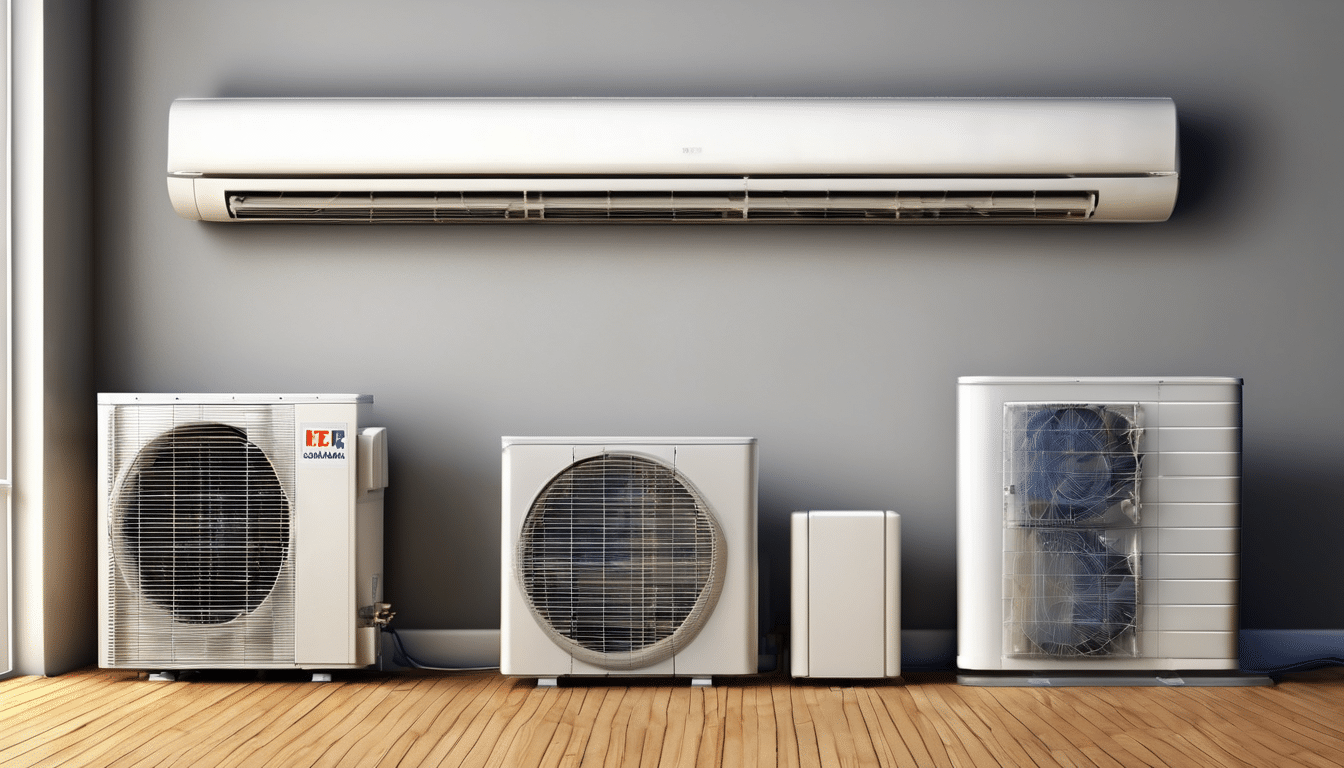
Cadmium accumulation damages renal function and bone density, while mercury exposure affects neurological health. The UAE’s air conditioning-dominated indoor environment creates closed systems where heavy metal particles recirculate continuously, increasing exposure risks. Heavy Metals in UAE Building Materials Analysis helps identify these contamination sources before they cause significant health impacts. Particularly vulnerable populations include young children, pregnant women, and individuals with compromised immune systems who spend extended time indoors.
Heavy Metals In Uae Building Materials Analysis – Testing Methods for Heavy Metals Analysis
Professional Heavy Metals in UAE Building Materials Analysis employs multiple scientific methods to accurately identify contamination levels. X-ray fluorescence (XRF) testing provides immediate, non-destructive analysis of surface materials, ideal for initial screening of paints, pipes, and building components. Laboratory analysis using inductively coupled plasma mass spectrometry (ICP-MS) delivers precise quantification of heavy metal concentrations in collected samples, with detection limits reaching parts per billion.
Sampling Protocols for Accurate Results
Proper sampling methodology is critical for reliable Heavy Metals in UAE Building Materials Analysis. We collect representative samples from multiple locations, including painted surfaces, plumbing components, dust accumulation areas, and soil around building foundations. The sampling process follows ASTM International standards and UAE regulatory requirements to ensure legally defensible results. Each sample undergoes chain-of-custody documentation to maintain integrity throughout the testing process.
UAE Regulations for Building Material Safety
The UAE has implemented increasingly stringent regulations governing heavy metal content in building materials through the Emirates Authority for Standardization and Metrology (ESMA). Current standards limit lead content in paints to 90 parts per million and restrict cadmium in PVC products to 100 parts per million. Heavy Metals in UAE Building Materials Analysis verifies compliance with these regulations and identifies materials that require replacement or encapsulation.
Dubai Municipality’s building code revisions in 2019 specifically addressed heavy metal contamination risks in construction materials, requiring stricter documentation of material sourcing and composition. Professional Heavy Metals in UAE Building Materials Analysis provides the verification needed for regulatory compliance and helps property developers avoid significant penalties. The analysis also supports green building certification processes like LEED and Estidama, which award points for using low-emission materials with minimal heavy metal content.
Remediation Strategies for Contaminated Materials
When Heavy Metals in UAE Building Materials Analysis identifies contamination, several remediation strategies prove effective in Dubai’s climate. Encapsulation involves sealing contaminated surfaces with specialized coatings that prevent metal migration, particularly effective for lead-based paints on walls and ceilings. This method costs approximately AED 35-75 per square metre depending on surface complexity and accessibility.
Complete removal and replacement represent the most thorough solution, though significantly more expensive at AED 120-280 per square metre for professional abatement. This process requires containment barriers, negative air pressure systems, and specialised personal protective equipment to prevent contamination spread. Heavy Metals in UAE Building Materials Analysis guides the selection of appropriate remediation methods based on contamination levels, material types, and building occupancy requirements.
Preventive Measures for New Construction
Preventing heavy metal contamination begins during material selection for new construction projects. Heavy Metals in UAE Building Materials Analysis conducted during the design phase verifies that proposed materials meet safety standards before installation. We recommend specifying low-VOC, heavy-metal-free paints, lead-free piping systems, and certified composite materials with verified composition documentation.
Implementing material testing protocols during construction ensures that substituted materials maintain safety standards. Our preventive Heavy Metals in UAE Building Materials Analysis services include spot-checking delivered materials and conducting preliminary testing before installation. This proactive approach prevents future remediation costs averaging AED 15,000-45,000 for typical Dubai villas and avoids potential health impacts for future residents.
Expert Tips for Heavy Metal Testing
Based on our extensive Heavy Metals in UAE Building Materials Analysis experience across Dubai properties, these expert recommendations ensure accurate assessment and effective remediation:
- Test both interior and exterior building materials, as external contamination migrates indoors through ventilation systems
- Prioritize testing in buildings constructed before 2015, when material regulations were less stringent
- Include soil testing around building foundations, as leaching contaminates groundwater
- Test multiple material types including paints, pipes, fittings, and structural components
- Verify laboratory accreditation through Dubai Municipal requirements for legal defensibility
- Conduct post-remediation verification testing to confirm successful abatement
- Consider ongoing monitoring in older buildings where complete remediation isn’t feasible
- Document all testing results for property transaction disclosures and insurance purposes
FAQ: Heavy Metals in Building Materials
What building materials most commonly contain heavy metals in Dubai?
Older oil-based paints contain lead pigments, while PVC pipes and fittings often contain cadmium stabilizers. Electrical wiring insulation, certain metal alloys, and treated wood products also frequently test positive for heavy metals in Dubai buildings. Materials imported before stricter 2015 regulations pose the highest contamination risks.
How much does heavy metal testing cost for a Dubai villa?
Comprehensive Heavy Metals in UAE Building Materials Analysis for a typical Dubai villa ranges from AED 2,500-4,500 depending on size and number of samples collected. The investment identifies contamination sources before they affect resident health and property value.
Are newer Dubai buildings safe from heavy metal contamination?
While newer construction generally uses safer materials, substitution during construction and insufficient verification still create risks. We recommend baseline Heavy Metals in UAE Building Materials Analysis for all properties, regardless of construction date, particularly for families with young children.
What health symptoms suggest heavy metal exposure from building materials?
Unexplained fatigue, cognitive difficulties, digestive issues, and developmental delays in children may indicate heavy metal exposure. However, many heavy metals accumulate silently without immediate symptoms, making preventive Heavy Metals in UAE Building Materials Analysis essential.
Can heavy metals from building materials contaminate drinking water?
Yes, lead from pipes and fittings can leach into drinking water, particularly in Dubai’s hot climate which accelerates material degradation. Heavy Metals in UAE Building Materials Analysis should include water testing when metal components are present in plumbing systems.
Heavy Metals in UAE Building Materials Analysis provides essential protection for Dubai residents against invisible contamination risks in their living environments. Professional testing identifies contamination sources before they affect health and property value, guiding effective remediation strategies tailored to Dubai’s climate and construction practices. As building standards continue evolving, comprehensive material analysis remains the most reliable approach to ensuring indoor environmental safety.

JV de Castro, IAC2
JV de Castro is the Chief Technology Officer at Saniservice, where he leads innovation in indoor environmental sciences, IT infrastructure, and digital transformation. With over 20 years of experience spanning architecture, building science, technology management, digital media architecture, and consultancy, he has helped organizations optimize operations through smart solutions and forward-thinking strategies. JV holds a Degree in Architecture, a Masters of Research in Anthropology, an MBA in Digital Communication & Media, along with certifications in mold, building sciences and advanced networking. Passionate about combining technology, health, and sustainability, he continues to drive initiatives that bridge science, IT, and business impact.