Dubai-Specific Air Quality Challenges and Solutions Guide
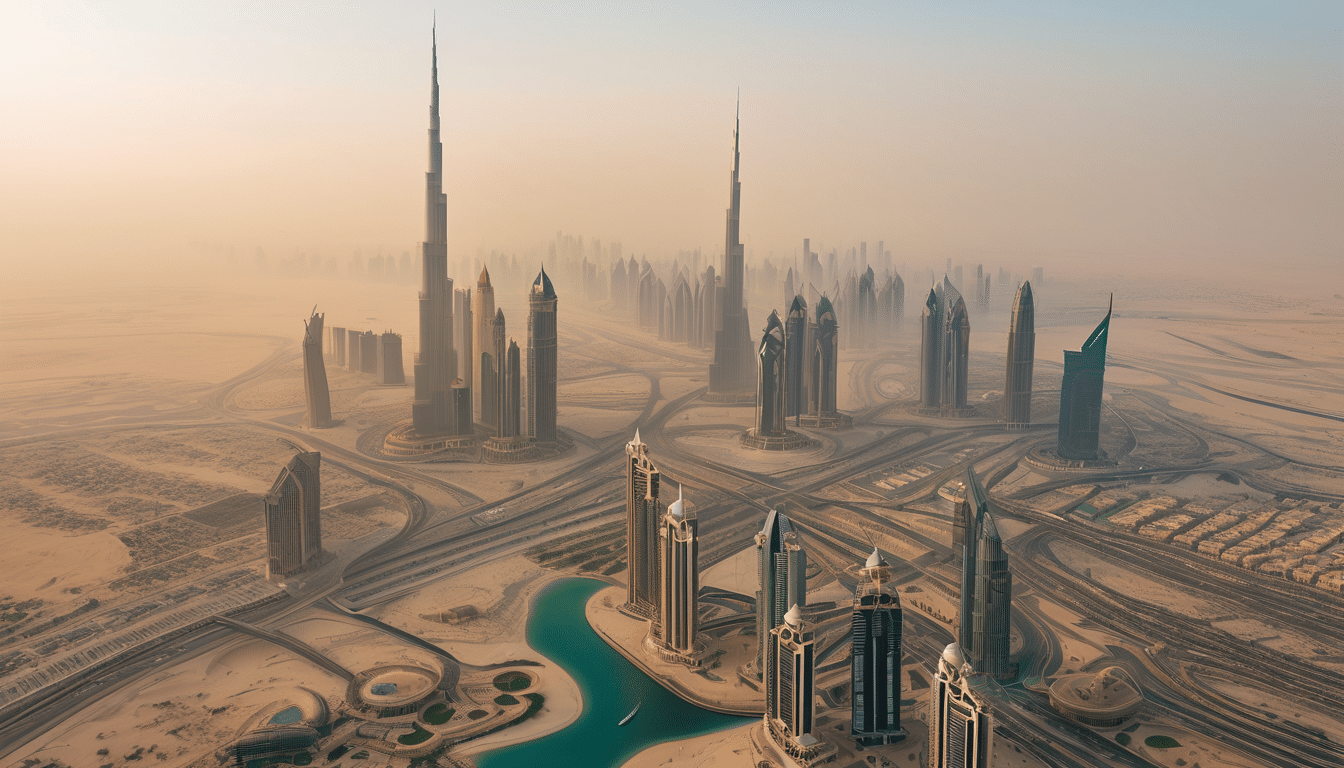
Dubai-Specific Air Quality challenges and solutions revolve around the unique interaction between desert climate conditions and modern building environments. The extreme outdoor temperatures, high humidity levels during certain seasons, and rapid urban development create distinctive indoor air quality profiles that differ significantly from temperate climates. Understanding these Dubai-specific air quality challenges and solutions requires recognising that air conditioning systems, while essential for comfort, become both the primary ventilation source and potential contamination pathway in sealed environments.
As an IAC2 Certified Indoor Air Consultant with over a decade of field experience in UAE buildings, I’ve documented how Dubai’s specific conditions create microbial ecosystems that don’t follow textbook patterns from other regions. The solutions we’ve developed at Saniservice’s indoor environmental laboratory address these unique challenges through climate-appropriate testing protocols and remediation strategies that account for local construction methods, ventilation practices, and occupant behaviours. This relates directly to Dubai-Specific Air Quality Challenges and Solutions.
Dubai-Specific Air Quality Challenges and Solutions – Understanding Dubai’s Unique Climate Impact on Indoor Air
Dubai-specific air quality challenges begin with the fundamental climate reality: outdoor air temperatures regularly exceed 45°C during summer months, while humidity levels can reach 80% or higher in coastal areas. This creates a paradox where buildings must remain sealed against extreme heat, yet internal moisture generation from occupants, cooking, and bathing creates ideal conditions for microbial growth if not properly managed. When considering Dubai-Specific Air Quality Challenges and Solutions, this becomes clear.
The constant operation of air conditioning systems introduces another layer of Dubai-specific air quality challenges. These systems cool air below its dew point, causing condensation that can accumulate in ducts, drain pans, and internal components. When maintenance intervals extend beyond what the local environment demands, these moist environments become breeding grounds for bacteria and mould species adapted to cooler, damp conditions.
Thermophilic Organisms in Desert Climates
Our laboratory analysis at Saniservice has identified thermophilic (heat-loving) organisms that thrive in Dubai’s specific conditions. Unlike mould species commonly found in temperate climates, these organisms have adapted to survive and proliferate in the temperature gradients created by AC systems switching between extreme outdoor heat and cooled indoor environments. The importance of Dubai-Specific Air Quality Challenges and Solutions is evident here.
Dubai-Specific Air Quality Challenges and Solutions – Common Dubai-Specific Air Quality Challenges in Residential
Dubai-specific air quality challenges manifest differently across various residential property types. High-rise apartments face distinct issues compared to villas, particularly regarding ventilation source, water storage systems, and building envelope performance. In tower buildings, centralised AC systems can distribute contaminants throughout multiple units, while negative pressure situations can draw unfiltered air from common areas into living spaces.
Villa properties present their own Dubai-specific air quality challenges related to water tank storage, rooftop AC unit placement, and often more significant temperature differentials between rooms. Our field investigations frequently identify microbial growth in ceiling spaces where cooled air meets hot roof surfaces, creating condensation points that remain hidden until professional assessment using thermal imaging and moisture mapping. Understanding Dubai-Specific Air Quality Challenges and Solutions helps with this aspect.
Dubai-Specific Air Quality Challenges and Solutions – HVAC Systems as Both Problem and Solution
The central role of HVAC systems in Dubai-specific air quality challenges cannot be overstated. These systems represent the lungs of sealed buildings, constantly circulating air through complex ductwork that can accumulate dust, microbial growth, and particulate matter if not properly maintained. The NADCA-accredited assessment methodology we employ examines not just visible surfaces but the entire air pathway from intake to distribution.
Proper solutions for these Dubai-specific air quality challenges involve more than superficial cleaning. They require addressing the entire ecosystem: ensuring drain pans function correctly, verifying that filters meet MERV ratings appropriate for local particulate levels, confirming that UV-C systems are properly sized and maintained, and validating that air exchange rates meet ASHRAE standards for the specific occupancy type. Dubai-Specific Air Quality Challenges and Solutions factors into this consideration.
Water Quality Considerations in Dubai Air Challenges
Dubai-specific air quality challenges extend beyond airborne particulates to include water-derived contaminants that become aerosolised. Central water storage tanks, common in many Dubai properties, can develop biofilm formations that release microorganisms into water supplies. When this water is used for humidification systems, cooling towers, or even routine activities like showering, these contaminants become part of the indoor air quality equation.
Our laboratory testing frequently identifies Legionella species and other water-borne bacteria in properties where tank maintenance has been overlooked. The solution involves comprehensive water testing paired with professional cleaning protocols that address not just the water itself but the points where water and air interact within the building environment. This relates directly to Dubai-Specific Air Quality Challenges and Solutions.
Building Materials and Off-Gassing in Dubai Climate
The rapid construction pace in Dubai creates unique Dubai-specific air quality challenges related to building materials and off-gassing. Many modern construction materials and furnishings release volatile organic compounds (VOCs) at accelerated rates when exposed to high temperatures. In sealed environments with limited air exchange, these compounds can accumulate to levels that affect occupant comfort and health.
Our VOC testing protocols identify specific chemical profiles that correlate with Dubai’s climate conditions, where temperature fluctuations cause materials to expand and contract, potentially releasing compounds that might remain stable in more temperate environments. Solutions involve targeted ventilation strategies, air purification with activated carbon filtration, and material selection guidance based on local climate performance data. When considering Dubai-Specific Air Quality Challenges and Solutions, this becomes clear.
Practical Solutions for Dubai-Specific Air Quality Challenges
Addressing Dubai-specific air quality challenges requires a systematic approach that begins with proper assessment. Rather than applying generic solutions, our methodology involves comprehensive testing that includes airborne particulate counts, microbial air sampling, surface sampling, VOC measurement, and thermal imaging to identify hidden moisture issues. This data-driven approach ensures solutions target the actual problems rather than perceived issues.
Effective solutions for Dubai-specific air quality challenges typically involve a combination of mechanical interventions, behavioural adjustments, and ongoing monitoring. This might include upgrading filtration systems, implementing humidity control measures, improving ventilation strategies, addressing water quality issues, and establishing maintenance protocols appropriate for Dubai’s specific environmental conditions. The importance of Dubai-Specific Air Quality Challenges and Solutions is evident here.
Professional Assessment for Dubai Air Quality Solutions
The most critical step in addressing Dubai-specific air quality challenges is engaging professional assessment before implementing solutions. Without proper testing and diagnosis, well-intentioned interventions might address symptoms rather than root causes, or worse, exacerbate existing problems. Our IAC2-certified consultants follow established protocols that consider the unique aspects of Dubai’s built environment.
Professional assessment for Dubai-specific air quality challenges typically includes visual inspection, thermal imaging, moisture mapping, air sampling for particulates and microbes, surface sampling, VOC measurement, and review of HVAC system performance. This comprehensive approach provides the data necessary to develop targeted solutions that will actually improve indoor air quality rather than simply providing temporary relief. Understanding Dubai-Specific Air Quality Challenges and Solutions helps with this aspect.
Expert Tips for Managing Dubai Indoor Air Quality
Based on thousands of property assessments, here are practical tips for addressing Dubai-specific air quality challenges:
- Schedule professional HVAC cleaning and maintenance before peak summer months when systems work hardest
- Use humidity monitors to maintain indoor levels between 40-60% to prevent microbial growth
- Upgrade air filters to MERV 11-13 ratings for better particulate capture without restricting airflow
- Ensure water tanks are cleaned and disinfected annually by certified professionals
- Open windows during cooler hours when outdoor pollution levels are lower to refresh indoor air
- Use exhaust fans in kitchens and bathrooms to remove moisture at source
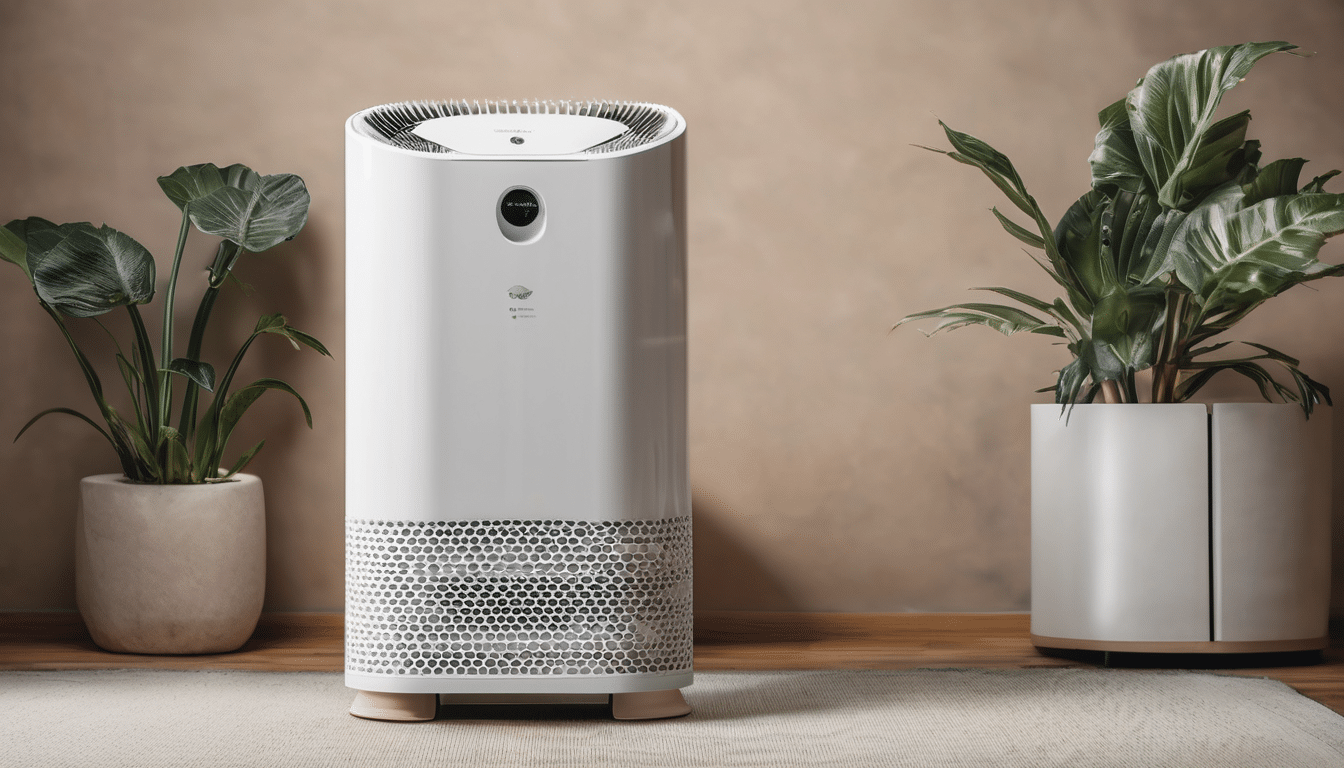
- Consider standalone air purifiers with HEPA and activated carbon filters for problem areas
- Address water leaks immediately to prevent hidden moisture issues that lead to microbial growth
Frequently Asked Questions
How often should Dubai homes have air quality testing?
Most Dubai homes benefit from annual air quality assessments, particularly before summer season when AC systems operate continuously. Properties with allergy sufferers, infants, or existing moisture issues may require more frequent monitoring to address Dubai-specific air quality challenges effectively. Dubai-Specific Air Quality Challenges and Solutions factors into this consideration.
What makes Dubai’s air quality challenges different from other cities?
Dubai-specific air quality challenges stem from the extreme temperature differentials, high humidity periods, reliance on sealed buildings with mechanical ventilation, and rapid construction timeline that can lead to material off-gassing issues not seen in more temperate climates with older building stock.
Can air purifiers solve Dubai’s indoor air quality problems?
While air purifiers with HEPA and activated carbon filters can significantly reduce particulates and VOCs, they address symptoms rather than root causes of Dubai-specific air quality challenges. Comprehensive solutions require identifying and eliminating contamination sources through professional assessment.
How does building age affect air quality in Dubai?
Newer Dubai buildings may experience more material off-gassing, while older properties often face accumulated contamination in HVAC systems and hidden moisture issues. Both present distinct Dubai-specific air quality challenges requiring different assessment and remediation approaches.
Are villa air quality issues different from apartment problems in Dubai?
Yes, villas typically have decentralised AC systems and water storage tanks that create different contamination pathways than high-rise apartments with centralised systems. Dubai-specific air quality challenges vary significantly by property type, requiring tailored assessment protocols.
Conclusion: Taking Control of Your Indoor Environment
Dubai-specific air quality challenges require understanding how our unique climate and building practices create distinctive indoor environments. Rather than applying generic solutions, successful air quality management begins with professional assessment that identifies the specific contaminants, sources, and pathways relevant to your property. The solutions we’ve developed through years of field research and laboratory analysis provide science-backed approaches to creating healthier indoor environments that account for Dubai’s particular conditions.
Whether you’re concerned about microbial growth, chemical off-gassing, particulate matter, or humidity control, addressing Dubai-specific air quality challenges begins with measurement and verification. By understanding what’s actually in your air rather than what might be there, you can implement targeted solutions that create measurable improvements in your indoor environment and overall wellbeing. Understanding Dubai-Specific Air Quality Challenges and Solutions is key to success in this area.

JV de Castro, IAC2
JV de Castro is the Chief Technology Officer at Saniservice, where he leads innovation in indoor environmental sciences, IT infrastructure, and digital transformation. With over 20 years of experience spanning architecture, building science, technology management, digital media architecture, and consultancy, he has helped organizations optimize operations through smart solutions and forward-thinking strategies. JV holds a Degree in Architecture, a Masters of Research in Anthropology, an MBA in Digital Communication & Media, along with certifications in mold, building sciences and advanced networking. Passionate about combining technology, health, and sustainability, he continues to drive initiatives that bridge science, IT, and business impact.