HAAD Requirements for HVAC System Maintenance Dubai
HAAD requirements for HVAC system maintenance constitute a comprehensive regulatory framework established by the Health Authority Abu Dhabi to ensure optimal indoor environmental conditions in healthcare facilities and commercial buildings throughout the UAE. These standards mandate regular inspection, cleaning, and maintenance protocols specifically designed for the region’s climate challenges, focusing on preventing microbial growth, maintaining proper ventilation rates, and ensuring filtration efficiency. Compliance with haad requirements for HVAC system maintenance is not merely administrative—it represents a fundamental commitment to occupant health, infection control, and building performance excellence.
The implementation of HAAD requirements for HVAC system maintenance becomes particularly critical in Dubai’s extreme climate, where HVAC systems operate continuously for most of the year. The combination of high outdoor temperatures and humidity levels creates unique challenges for maintaining indoor air quality standards. Proper adherence to HAAD requirements for HVAC system maintenance helps prevent the proliferation of pathogens, mould growth, and airborne contaminants that could compromise sensitive environments such as hospitals, clinics, and medical facilities.
Haad Requirements for HVAC System Maintenance – Core Components of HAAD HVAC Maintenance Standards
HAAD requirements for HVAC system maintenance encompass several critical components that building operators must address systematically. The regulations specify minimum frequencies for inspection and maintenance activities, with healthcare facilities typically requiring more rigorous schedules than commercial buildings. Documentation represents a fundamental aspect of compliance, requiring detailed records of all maintenance activities, filter changes, cleaning procedures, and any corrective actions taken.
Filter maintenance constitutes a central element of HAAD requirements for HVAC system maintenance. The standards specify minimum efficiency reporting value (MERV) ratings for different healthcare environments, with higher-risk areas requiring more efficient filtration. Regular filter inspection and replacement schedules are mandated, with documentation required for each filter change. The regulations also address proper filter installation techniques to prevent bypass air and ensure optimal performance.
Ventilation System Requirements
HAAD requirements for HVAC system maintenance include specific provisions for ventilation system performance. These standards mandate minimum outdoor air exchange rates tailored to different building types and occupancy levels. Regular verification of airflow volumes, pressure relationships between spaces, and ventilation effectiveness testing form essential components of compliance. In healthcare settings, maintaining proper pressure differentials between rooms prevents cross-contamination and supports infection control protocols.
Haad Requirements for HVAC System Maintenance – HAAD Compliance Inspection Protocols
Implementation of HAAD requirements for HVAC system maintenance involves structured inspection protocols that must be conducted at specified intervals. Visual inspections assess the physical condition of system components, including ductwork, coils, drain pans, and air handling units. These inspections identify potential contamination sources, moisture issues, or mechanical problems that could compromise system performance or air quality.
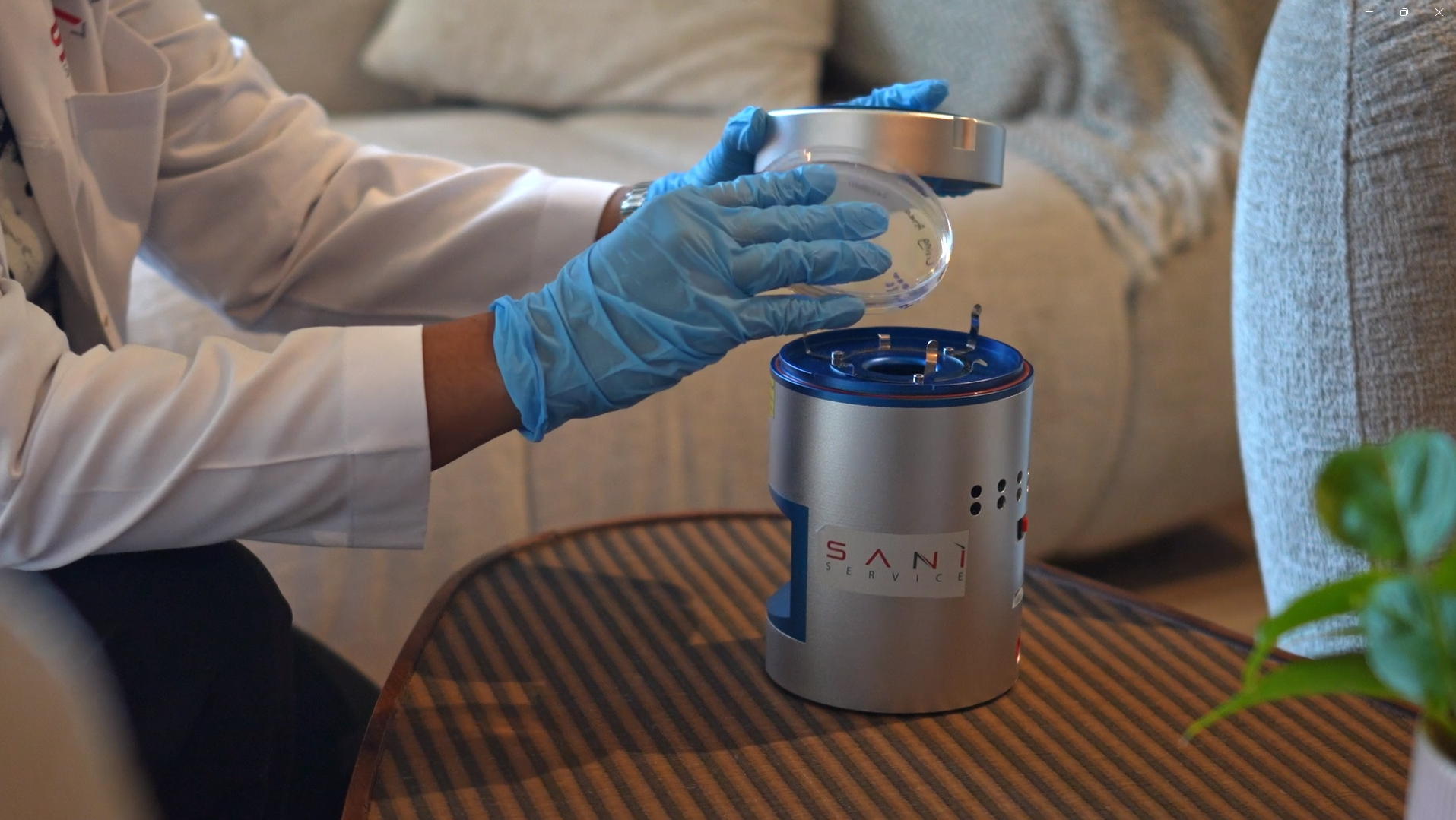
Microbiological assessment forms another critical aspect of HAAD requirements for HVAC system maintenance. Surface sampling of cooling coils, drain pans, and duct interiors helps identify microbial contamination before it becomes airborne. Air sampling may be required in healthcare environments to verify the effectiveness of infection control measures. These assessments must be conducted by qualified professionals using approved methodologies and laboratory analysis.
Haad Requirements for HVAC System Maintenance – Documentation and Record-Keeping Standards
HAAD requirements for HVAC system maintenance emphasise comprehensive documentation as evidence of compliance. Maintenance logs must detail all service activities, including dates, personnel involved, components addressed, and any issues identified. Filter replacement records must include manufacturer specifications, MERV ratings, installation dates, and removal dates for tracking purposes.
Corrective action documentation represents another essential component of HAAD requirements for HVAC system maintenance. When inspections identify deficiencies or non-compliance issues, detailed records must document the problem, proposed solution, implementation timeline, and verification of resolution. This documentation trail demonstrates due diligence and continuous improvement in maintaining indoor air quality standards.
HVAC Cleaning and Disinfection Protocols
HAAD requirements for HVAC system maintenance establish specific cleaning and disinfection protocols for different system components. Duct cleaning procedures must follow established industry standards, using methods that prevent contamination spread during the cleaning process. Chemical disinfectants must be approved for use in HVAC systems and applied according to manufacturer specifications to ensure effectiveness without damaging system components.
Coil cleaning represents a frequent requirement under HAAD requirements for HVAC system maintenance. Cooling coils require regular cleaning to maintain heat transfer efficiency and prevent microbial growth in the moist environment. Drain pan maintenance includes cleaning, disinfecting, and ensuring proper drainage to prevent standing water that could become a breeding ground for microorganisms.
Training and Competency Requirements
HAAD requirements for HVAC system maintenance specify minimum training and competency standards for personnel performing maintenance activities. Technicians must demonstrate understanding of HVAC system operation, contamination control principles, and proper cleaning techniques. Certification from recognised industry organisations may be required for certain maintenance activities, particularly in healthcare environments.
Supervisory oversight forms another important aspect of HAAD requirements for HVAC system maintenance. Qualified supervisors must review maintenance activities, verify compliance with procedures, and approve documentation before submission. This layered approach ensures quality control and maintains consistency in maintenance practices across different facilities and personnel.
Integration with Indoor Air Quality Management
HAAD requirements for HVAC system maintenance form part of a comprehensive indoor air quality management strategy. Regular monitoring of key parameters including temperature, humidity, carbon dioxide levels, and particulate concentrations provides data for evaluating system performance. This monitoring helps identify trends, anticipate maintenance needs, and demonstrate continuous compliance with air quality standards.
Preventive maintenance scheduling under HAAD requirements for HVAC system maintenance helps avoid unexpected system failures that could compromise indoor environmental conditions. Regular component inspection, lubrication, belt tension checks, and motor maintenance extend equipment life while maintaining optimal performance. This proactive approach reduces emergency repairs and ensures consistent delivery of conditioned air to occupied spaces.
Expert Tips for HAAD HVAC Compliance
Implementing HAAD requirements for HVAC system maintenance effectively requires strategic planning and consistent execution. Establish a comprehensive maintenance calendar that schedules all required activities throughout the year, accounting for seasonal variations in system operation. Develop checklists for each maintenance task to ensure consistency and completeness across different technicians and service events.
Maintain detailed inventory records of all filters, parts, and materials used in HVAC system maintenance. Track usage patterns to anticipate replacement needs and maintain adequate stock levels. Implement a document management system that organises maintenance records, inspection reports, and compliance documentation for easy retrieval during audits or inspections.
Conduct regular training sessions for maintenance staff to reinforce proper procedures, update on regulatory changes, and share lessons learned from previous maintenance activities. Foster collaboration between maintenance personnel, facility managers, and infection control professionals to address HVAC system issues from multiple perspectives.
Frequently Asked Questions
What are the penalty implications for non-compliance with HAAD requirements?
Non-compliance with HAAD requirements for HVAC system maintenance can result in regulatory citations, financial penalties, or operational restrictions for healthcare facilities. Regular audits ensure adherence to established standards, with documentation serving as primary evidence of compliance during inspections.
How often must HVAC systems be inspected under HAAD regulations?
HAAD requirements for HVAC system maintenance specify quarterly inspections for most healthcare facilities, with more frequent assessments for critical care areas. Commercial buildings typically require semi-annual inspections, though specific schedules may vary based on system type and usage patterns.
Can existing HVAC systems be upgraded to meet HAAD standards?
Existing HVAC systems can often be upgraded through filter improvements, ventilation enhancements, and control system modifications. Professional assessment determines the feasibility and scope of upgrades needed to achieve full compliance with current HAAD requirements for HVAC system maintenance.
Who is qualified to perform HAAD-compliant HVAC maintenance?
HAAD requirements for HVAC system maintenance specify that qualified personnel must possess appropriate certifications, training, and experience. NADCA-certified professionals, licensed mechanical engineers, and certified HVAC technicians typically meet the competency standards for performing compliant maintenance activities.
Do HAAD requirements apply to residential HVAC systems in Dubai?
While HAAD requirements for HVAC system maintenance primarily focus on healthcare and commercial facilities, the principles and standards provide valuable guidance for residential system maintenance. Dubai homeowners benefit from adopting similar maintenance practices to ensure optimal indoor air quality.
Implementation of HAAD requirements for HVAC system maintenance represents a proactive approach to indoor environmental management that benefits both building operators and occupants. The structured framework of inspections, cleaning protocols, and documentation practices ensures systems operate efficiently while maintaining air quality standards. For facilities subject to HAAD regulations, compliance demonstrates commitment to occupant health and safety through systematic maintenance of critical building systems.

JV de Castro, IAC2
JV de Castro is the Chief Technology Officer at Saniservice, where he leads innovation in indoor environmental sciences, IT infrastructure, and digital transformation. With over 20 years of experience spanning architecture, building science, technology management, digital media architecture, and consultancy, he has helped organizations optimize operations through smart solutions and forward-thinking strategies. JV holds a Degree in Architecture, a Masters of Research in Anthropology, an MBA in Digital Communication & Media, along with certifications in mold, building sciences and advanced networking. Passionate about combining technology, health, and sustainability, he continues to drive initiatives that bridge science, IT, and business impact.