HVAC systems and indoor air quality relationship Dubai
In Dubai’s extreme climate, the HVAC systems and indoor air quality relationship represents the most critical factor in determining whether your indoor environment supports wellness or contributes to discomfort. With buildings sealed against 45°C exterior temperatures and relying entirely on mechanical cooling for ten months of the year, your air conditioning system functions as your lungs—constantly circulating, filtering, and conditioning the air your family breathes. This relationship between mechanical systems and environmental health requires understanding beyond basic maintenance, particularly when laboratory analysis reveals how Dubai’s unique conditions create distinct contamination patterns not found in temperate climates.
The HVAC systems and indoor air quality relationship begins with recognising that your AC does more than cool air—it manages humidity, filters particulates, and creates pressure differentials that either contain or distribute contaminants. When this relationship functions optimally, residents experience consistent comfort without considering the mechanical systems working behind the scenes. When imbalances occur, the same systems that should protect indoor air quality become amplifiers of problems ranging from microbial growth to chemical off-gassing.
HVAC Systems and Indoor Air Quality Relationship – How HVAC Design Impacts Indoor Air Quality
The foundation of the HVAC systems and indoor air quality relationship lies in system design and installation. Dubai’s rapid construction timeline sometimes prioritises cooling capacity over air quality considerations, resulting in systems that achieve temperature targets while compromising on air exchange rates, humidity control, and filtration efficiency. Properly designed systems incorporate fresh air intake calibrated to occupancy levels, humidity control independent of temperature settings, and filtration capable of capturing the fine desert dust that permeates the region.
During property assessments, we frequently encounter systems where the HVAC systems and indoor air quality relationship has been compromised by design limitations. These include undersized ductwork creating velocity issues that stir settled dust, insufficient fresh air supply leading to carbon dioxide buildup, and condensation management systems unable to handle Dubai’s high external humidity levels during summer months. Each design limitation manifests in measurable air quality parameters that laboratory testing quantifies.
Common Design Flaws in Dubai Properties
Villa constructions often place AC units in direct sunlight, reducing efficiency and increasing strain on components. High-rise apartments frequently suffer from positive pressure imbalances that force conditioned air through building envelopes into wall cavities. Commercial buildings sometimes implement energy-saving measures that reduce fresh air introduction below ASHRAE standards. Each scenario represents a different breakdown in the HVAC systems and indoor air quality relationship requiring specific intervention strategies.
HVAC Systems and Indoor Air Quality Relationship – HVAC Maintenance and Air Quality Degradation
The most frequently observed issue in the HVAC systems and indoor air quality relationship involves deferred maintenance creating secondary contamination. Dubai’s dust load quickly overwhelms filters not changed quarterly, while condensation pans become breeding grounds for thermophilic organisms adapted to warm, moist environments. Ductwork accumulates biological growth when relative humidity exceeds 60% for prolonged periods—a common occurrence when systems cycle incorrectly.
Laboratory analysis of swab samples from poorly maintained systems regularly identifies Aspergillus, Penicillium, and Cladosporium species—organisms that thrive in the specific conditions created when maintenance lapses alter the HVAC systems and indoor air quality relationship. These fungi produce spores and microbial volatile organic compounds that circulate through living spaces, potentially triggering respiratory responses in sensitive individuals. The solution involves both remediation and systemic changes to prevent recurrence.
HVAC Systems and Indoor Air Quality Relationship – Filtration’s Role in Air Quality Management
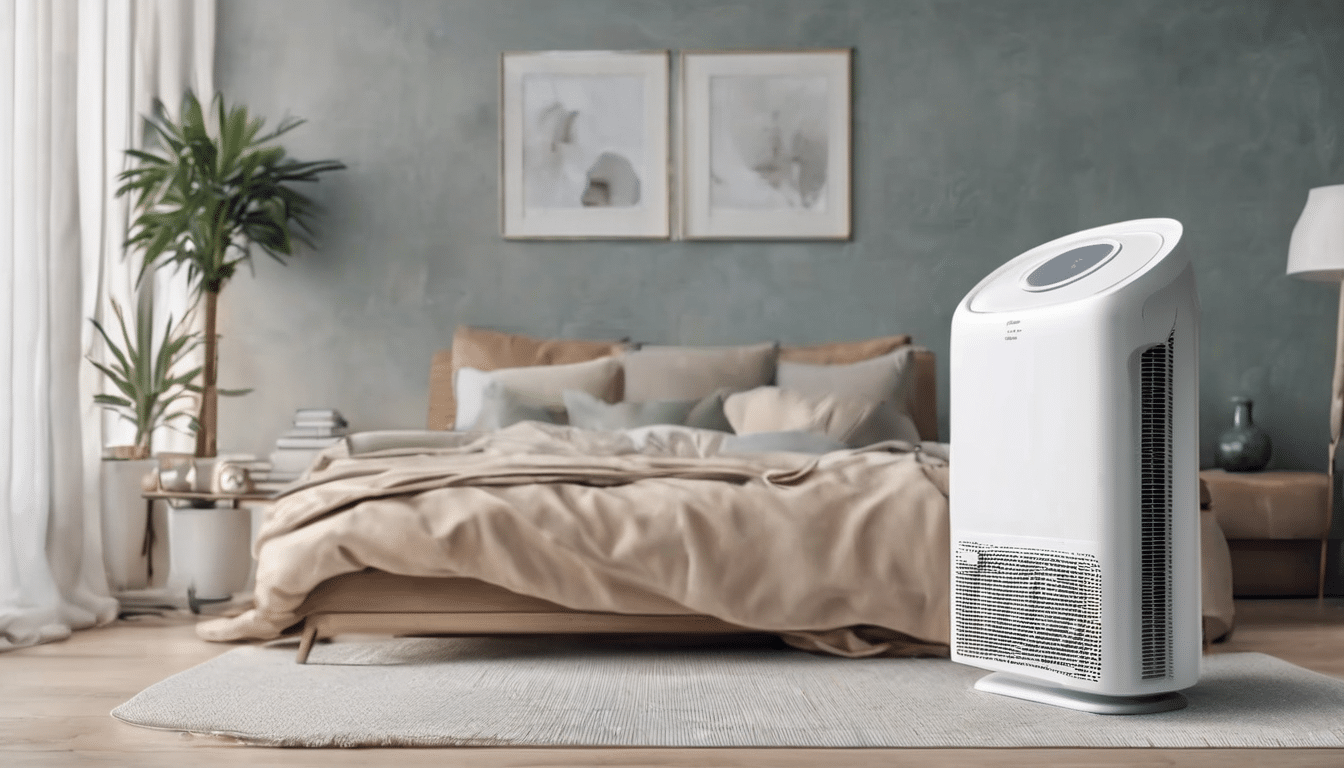
Filter selection represents the most direct intervention point in the HVAC systems and indoor air quality relationship. Standard fiberglass filters capture only larger particulates while allowing finer particles including mould spores, bacteria, and dust mites to pass through. Higher efficiency pleated filters capture smaller particulates but may restrict airflow if not properly sized for the system. HEPA filtration provides superior capture rates but requires dedicated air handling units not typically found in residential installations.
The optimal approach to filtration in the HVAC systems and indoor air quality relationship involves matching filter efficiency to both the contaminant profile revealed through testing and the system’s capacity to handle increased static pressure. For homes experiencing Sahara dust infiltration, electrostatic filters may provide the best balance between capture efficiency and airflow maintenance. Properties with identified microbial issues may require temporary HEPA filtration alongside source control measures.
Humidity Control Critical for Dubai Climates
Humidity management represents the most overlooked aspect of the HVAC systems and indoor air quality relationship in Dubai properties. While outdoor humidity regularly exceeds 80% during summer months, indoor environments should maintain 40-60% relative humidity to discourage microbial growth while preserving respiratory comfort. Systems that cool air without adequate moisture removal create conditions where condensation forms on cold surfaces—including inside walls and ceiling cavities.
During thermal imaging inspections, we regularly identify hidden moisture issues resulting from breakdowns in the HVAC systems and indoor air quality relationship regarding humidity control. These include condensation around supply registers indicating insufficient dew point management, thermal bridges creating cold spots where moisture accumulates, and improperly insulated ductwork sweating within ceiling spaces. Each condition requires correction through system adjustment, insulation improvements, or supplemental dehumidification.
Ventilation and Air Exchange Considerations
The ventilation component of the HVAC systems and indoor air quality relationship involves balancing energy efficiency against indoor pollutant dilution. While sealed buildings reduce cooling costs, they also allow volatile organic compounds from building materials, furnishings, and cleaning products to accumulate without adequate dilution. Proper ventilation introduces conditioned fresh air while exhausting stale air, creating air exchange rates that maintain indoor air quality without compromising thermal comfort.
Dubai’s building standards increasingly address ventilation requirements, but many existing properties predate these guidelines. The HVAC systems and indoor air quality relationship in these buildings often suffers from insufficient outdoor air introduction, leading to carbon dioxide levels that exceed 1000 ppm during occupancy periods. Simple solutions include installing energy recovery ventilators that precondition incoming air using exhausted air’s thermal energy, maintaining comfort while improving air quality.
System Age and Efficiency Impacts on Air Quality
The degradation of mechanical components over time inevitably affects the HVAC systems and indoor air quality relationship. Older compressors lose efficiency, requiring longer run times to achieve temperature setpoints that may not adequately control humidity. Worn fan motors move less air, reducing filtration effectiveness and creating stagnant zones where contaminants accumulate. Deteriorating insulation on refrigerant lines creates condensation issues inside mechanical spaces.
For properties exceeding ten years of age, the HVAC systems and indoor air quality relationship often requires comprehensive evaluation beyond basic maintenance. Thermal imaging assessment of ductwork integrity, airflow measurements at supply registers, and humidity mapping throughout the property provide data indicating whether system replacement represents a more effective solution than continued repairs. Newer systems with variable speed compressors and smart humidity control often resolve multiple air quality issues simultaneously.
Professional Assessment of Your HVAC-Air Quality Relationship
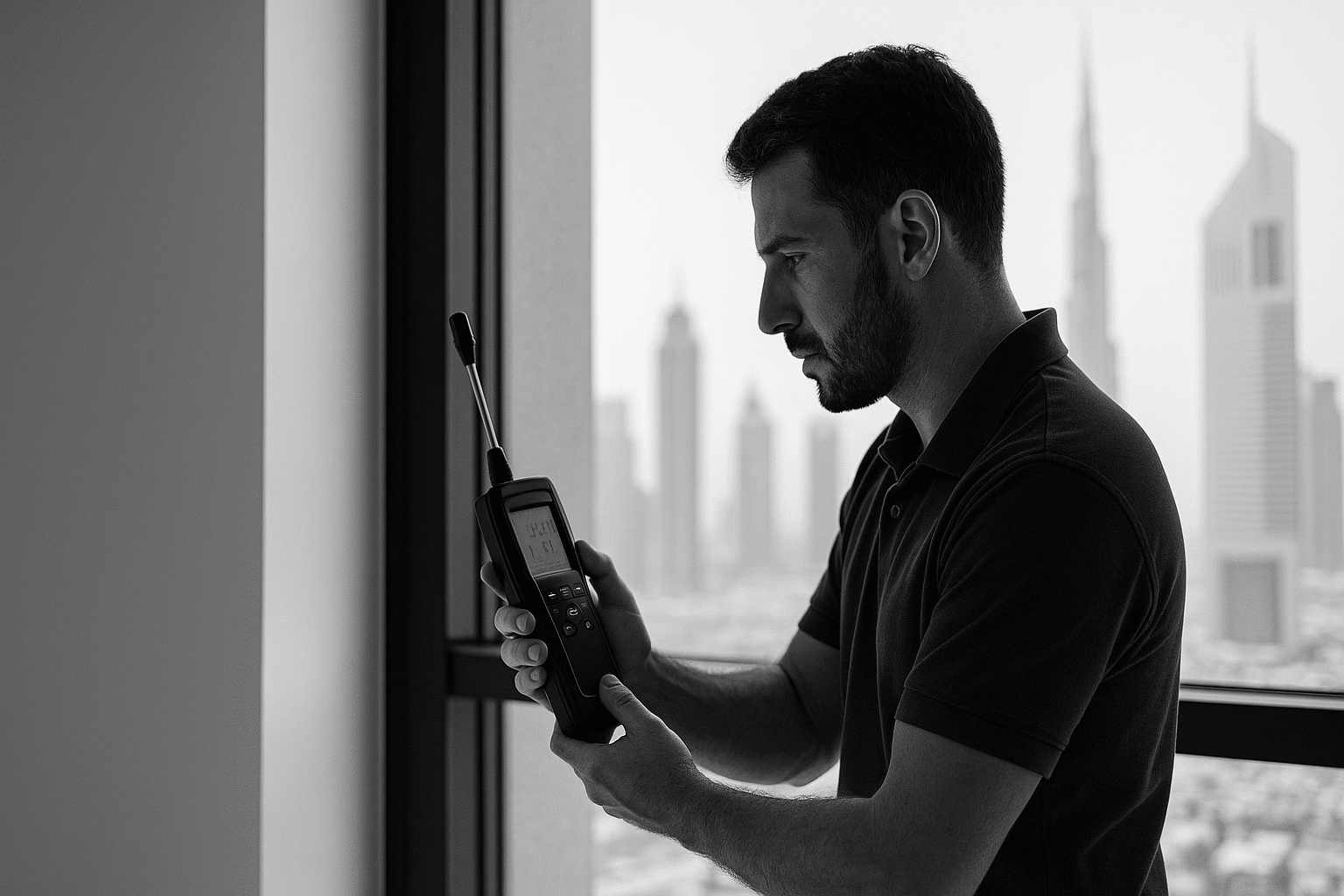
Understanding your specific HVAC systems and indoor air quality relationship requires professional assessment incorporating multiple diagnostic approaches. Visual inspection of mechanical components, thermal imaging of building envelopes, air sampling for microbial contaminants, and real-time monitoring of temperature, humidity, and carbon dioxide levels together create a comprehensive picture of how your system performs against air quality parameters. This assessment establishes baseline conditions before any corrective measures are implemented.
Saniservice’s indoor environmental consultants approach the HVAC systems and indoor air quality relationship through standardized protocols aligned with NADCA guidelines and IAC2 certification requirements. The process begins with understanding occupant concerns, reviewing building history, and identifying potential contamination sources before moving to scientific measurement. This methodology ensures recommendations address root causes rather than symptoms, creating sustainable improvements in indoor air quality.
Expert Tips for Maintaining Optimal HVAC-Air Quality Relationship
Regular filter changes using quality pleated filters rated MERV 8-11 provide the simplest improvement to the HVAC systems and indoor air quality relationship for most Dubai homes. Schedule professional duct cleaning every three to five years, particularly after renovation projects that generate dust. Install digital hygrometers in multiple rooms to monitor humidity levels, addressing any readings consistently above 60%.
Ensure outdoor units remain clear of vegetation and debris that restrict airflow. Consider ultraviolet light installation in air handling units where microbial contamination has been confirmed through testing. Engage professional assessment before purchasing replacement systems to ensure proper sizing and features that address your specific air quality concerns. These proactive measures maintain the positive aspects of the HVAC systems and indoor air quality relationship while preventing common degradation patterns.
Frequently Asked Questions
How often should HVAC systems be serviced in Dubai?
Quarterly filter changes and biannual professional maintenance represent the minimum requirement for maintaining the HVAC systems and indoor air quality relationship in Dubai’s high-demand climate. Systems operating year-round experience more wear than seasonal systems, requiring additional attention to prevent performance degradation that impacts air quality.
Can dirty air conditioning systems make you sick?
Contaminated HVAC components can circulate allergens, microbial fragments, and chemical compounds that may trigger respiratory responses in sensitive individuals. The relationship between specific contaminants and health effects requires professional assessment rather than assumption, as individual sensitivity varies significantly.
What are the signs of poor HVAC-air quality relationship?
Visible mould growth around vents, persistent musty odours when systems operate, excessive dust accumulation despite regular cleaning, and humidity levels consistently above 60% indicate potential issues in the HVAC systems and indoor air quality relationship requiring professional evaluation.
Do all Dubai properties require additional dehumidification?
While not universally required, many Dubai properties benefit from supplemental dehumidification during summer months when external humidity levels challenge standard AC systems’ moisture removal capabilities. Professional assessment determines whether your specific HVAC systems and indoor air quality relationship would improve with dedicated humidity control.
How long does HVAC air quality assessment take?
Comprehensive evaluation of the HVAC systems and indoor air quality relationship typically requires two to three hours for a standard villa, including visual inspection, thermal imaging, and real-time monitoring. Laboratory analysis of air and surface samples adds three to five days for definitive results.
The HVAC systems and indoor air quality relationship represents a dynamic interaction that evolves with system age, maintenance practices, and changing environmental conditions. In Dubai’s climate, where buildings remain sealed against extreme exterior conditions for most of the year, this relationship demands attention beyond temperature control alone. Professional assessment provides the scientific basis for interventions that restore balance between mechanical function and indoor environmental health, creating spaces that support rather than compromise wellbeing.

JV de Castro, IAC2
JV de Castro is the Chief Technology Officer at Saniservice, where he leads innovation in indoor environmental sciences, IT infrastructure, and digital transformation. With over 20 years of experience spanning architecture, building science, technology management, digital media architecture, and consultancy, he has helped organizations optimize operations through smart solutions and forward-thinking strategies. JV holds a Degree in Architecture, a Masters of Research in Anthropology, an MBA in Digital Communication & Media, along with certifications in mold, building sciences and advanced networking. Passionate about combining technology, health, and sustainability, he continues to drive initiatives that bridge science, IT, and business impact.