Sharjah Home Air Quality Assessment Guide for Dubai
Sharjah Home Air quality assessment begins with understanding that indoor environments in the UAE face unique challenges unseen in temperate climates. The combination of extreme heat, high humidity, and complete air conditioning dependency creates conditions where microbial growth and chemical accumulation occur differently than in naturally ventilated buildings. A proper Sharjah home air quality assessment guide must account for these desert climate specifics, where indoor contaminants often concentrate at levels that warrant professional evaluation rather than DIY approaches.
Professional Sharjah home air quality assessment follows documented protocols developed through years of field investigation across UAE properties. The process typically involves visual inspection, moisture mapping, thermal imaging, and strategic air and surface sampling. Unlike generic checklists found online, a comprehensive Sharjah home air quality assessment guide for local conditions considers factors like central AC system contamination, water tank hygiene, and the particular microbial profile of buildings in desert environments.
Sharjah Home Air Quality Assessment Guide – Why Sharjah Home Air Quality Assessment Matters
Sharjah home air quality assessment becomes essential when considering that residents spend approximately 90% of their time indoors, with air conditioning systems recirculating the same air continuously. The sealed building envelopes common in UAE construction trap contaminants that would otherwise dissipate in naturally ventilated structures. A proper Sharjah home air quality assessment guide recognises that symptoms like persistent allergies, respiratory irritation, or unexplained fatigue often correlate with indoor environmental factors that laboratory testing can identify.
The value of Sharjah home air quality assessment lies in its ability to pinpoint specific contaminants rather than generalise about “clean air.” Through systematic testing, professionals can differentiate between mould species, identify VOC sources, measure particulate levels, and assess ventilation efficiency. This data-driven approach transforms vague concerns about indoor air into actionable insights for creating healthier living spaces.
Sharjah Home Air Quality Assessment Guide – Key Components of Professional Assessment
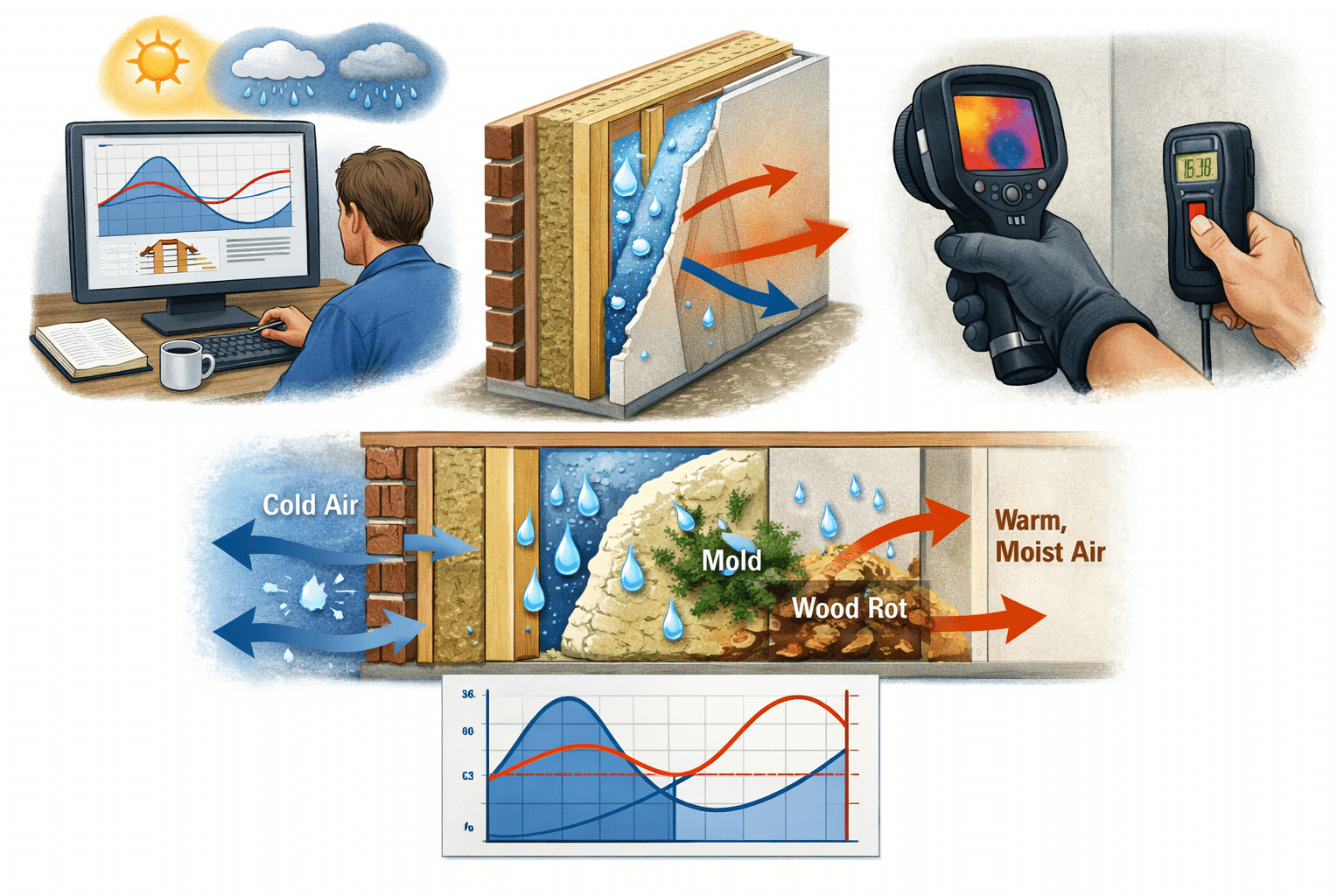
A comprehensive Sharjah home air quality assessment includes multiple evaluation components that work together to create a complete picture of your indoor environment. The assessment begins with a visual inspection of the property, examining areas prone to moisture accumulation, visible mould growth, and potential contamination sources. Thermal imaging technology helps identify hidden moisture issues within walls and ceilings that visual inspection alone might miss. This relates directly to Sharjah Home Air Quality Assessment Guide.
Air quality sampling forms the core of any Sharjah home air quality assessment, with professionals collecting samples for laboratory analysis. These samples typically include airborne mould spore counts, VOC measurements, particulate matter analysis, and sometimes specific toxin testing depending on the situation. Surface sampling supplements air testing by identifying contamination on building materials and household surfaces that contribute to overall air quality.
Moisture Mapping and Humidity Assessment
Moisture mapping represents a critical component of Sharjah home air quality assessment because microbial growth requires water to thrive. Professionals use hygrometers and thermal cameras to identify areas with elevated moisture levels, even when no visible water damage exists. This proactive approach helps prevent future mould problems by addressing moisture issues before they lead to significant contamination. When considering Sharjah Home Air Quality Assessment Guide, this becomes clear.
Sharjah Home Air Quality Assessment Guide – Common Contaminants Found in UAE Homes
Sharjah home air quality assessment frequently identifies several contaminant categories that particularly affect UAE properties. Mould species adapted to desert climates, including aspergillus and penicillium varieties, commonly appear in assessment results. These fungi thrive in the temperature and humidity conditions maintained by AC systems, especially when moisture control proves inadequate.
Volatile organic compounds represent another significant finding in Sharjah home air quality assessment. These chemicals off-gas from building materials, furnishings, cleaning products, and even air fresheners. The sealed nature of UAE homes allows VOC concentrations to build up to levels that can affect respiratory health and overall wellbeing. Formaldehyde, benzene, and toluene are among the most commonly detected compounds during professional assessment. The importance of Sharjah Home Air Quality Assessment Guide is evident here.
When to Consider Professional Assessment
Certain situations particularly warrant Sharjah home air quality assessment to ensure your living environment supports rather than compromises health. After any water damage event, whether from leaks, flooding, or plumbing failures, assessment helps identify hidden moisture and potential microbial growth. Pre-purchase property inspections represent another scenario where Sharjah home air quality assessment provides valuable information about a home’s environmental condition before commitment.
Unexplained health symptoms among household members often trigger the need for Sharjah home air quality assessment. When family members experience persistent respiratory issues, allergies, headaches, or fatigue that improve when away from home, professional assessment can identify environmental factors contributing to these symptoms. Similarly, musty odours that persist despite cleaning efforts typically indicate hidden microbial growth that requires expert identification. Understanding Sharjah Home Air Quality Assessment Guide helps with this aspect.
The Assessment Process Step by Step
A professional Sharjah home air quality assessment follows a systematic process designed to gather comprehensive data about your indoor environment. The process begins with an initial consultation to understand your concerns, the property’s history, and any specific symptoms or issues prompting the assessment. This information helps the assessment team develop a targeted testing strategy rather than taking a one-size-fits-all approach.
On-site investigation forms the core of Sharjah home air quality assessment, with technicians conducting visual inspections, moisture measurements, and environmental monitoring. They use specialised equipment including thermal imaging cameras, hygrometers, and air sampling pumps to collect data throughout the property. Samples collected during this phase undergo laboratory analysis to identify specific contaminants and their concentrations. Sharjah Home Air Quality Assessment Guide factors into this consideration.
Laboratory Analysis and Reporting
Laboratory analysis represents the scientific foundation of Sharjah home air quality assessment, transforming collected samples into actionable data. Air samples undergo microscopic examination to identify and quantify mould spores, while chemical analysis detects VOC presence and concentration. The resulting report provides detailed information about what contaminants exist in your home, at what levels, and what these findings mean for your indoor environment.
Interpreting Assessment Results
Understanding Sharjah home air quality assessment results requires professional interpretation rather than simply comparing numbers to generic standards. Different mould species carry different health implications, and VOC toxicity varies significantly between compounds. A qualified indoor environmental professional explains what your specific results mean for your household’s health and what steps should follow based on the findings. This relates directly to Sharjah Home Air Quality Assessment Guide.
Assessment results typically include recommendations tailored to your specific situation, which might range from simple ventilation improvements to targeted remediation efforts. The goal of Sharjah home air quality assessment isn’t to create alarm but to provide clear, science-based guidance for improving your indoor environment. Professionals help prioritise recommendations based on risk level and practical implementation considerations.
Post-Assessment Actions and Solutions
Following Sharjah home air quality assessment, appropriate actions depend on the specific findings and their implications. For moisture issues, solutions might include repairing leaks, improving drainage, or installing dehumidification systems. Microbial contamination typically requires professional remediation following industry standards to ensure complete removal without spreading contaminants throughout the property. When considering Sharjah Home Air Quality Assessment Guide, this becomes clear.
VOC reduction strategies after Sharjah home air quality assessment often involve source removal, improved ventilation, and sometimes air purification systems rated for chemical filtration. The assessment report provides specific guidance on which solutions will most effectively address the identified issues. In some cases, follow-up testing verifies that implemented solutions have successfully improved indoor air quality parameters.
Expert Tips for Maintaining Good Air Quality
Regular maintenance proves crucial for sustaining the benefits of Sharjah home air quality assessment findings. Schedule professional AC cleaning every six to twelve months to prevent microbial growth in ventilation systems. Monitor indoor humidity levels, maintaining them between 45-55% to discourage mould growth while ensuring comfort. The importance of Sharjah Home Air Quality Assessment Guide is evident here.
Choose low-VOC products when renovating or furnishing your home to minimise chemical off-gassing. Implement a regular cleaning routine using HEPA-filter vacuums and microfiber cloths to reduce particulate accumulation. Ensure proper ventilation, particularly in kitchens and bathrooms where moisture and pollutants generate. Consider air purifiers with HEPA and activated carbon filters for additional protection between professional assessments.
Frequently Asked Questions
How often should I conduct air quality assessment in my Sharjah home?
Professional Sharjah home air quality assessment is recommended every two to three years for maintenance, or immediately after water damage, renovation projects, or when health symptoms suggest environmental factors. Properties with known moisture issues or older AC systems may benefit from annual assessment to catch problems early. Understanding Sharjah Home Air Quality Assessment Guide helps with this aspect.
What makes UAE homes different in terms of air quality concerns?
UAE homes face unique air quality challenges due to year-round air conditioning use, which recirculates indoor air continuously. The extreme outdoor climate creates significant temperature differentials that promote condensation and microbial growth. Building materials and furnishings selected for heat resistance sometimes contain higher VOC levels than those used in temperate climates.
Can I perform air quality testing myself instead of professional assessment?
While DIY test kits exist, they cannot replace comprehensive Sharjah home air quality assessment. Professional assessment includes proper sampling techniques, laboratory analysis, and expert interpretation that DIY kits lack. The equipment used in professional assessment detects contaminants at much lower levels and identifies specific species and compounds that affect health implications. Sharjah Home Air Quality Assessment Guide factors into this consideration.
How long does a complete air quality assessment take?
A thorough Sharjah home air quality assessment typically requires two to four hours on site depending on property size and testing scope. Laboratory analysis adds three to five working days before results become available. The entire process from initial consultation to final report usually completes within one to two weeks.
What should I do to prepare for an air quality assessment?
Before Sharjah home air quality assessment, avoid cleaning activities that might disturb normal conditions for at least 24 hours. Maintain normal ventilation and AC operation patterns. Prepare information about any water damage history, renovation projects, or specific concerns you want addressed. Ensure access to all areas of the property including utility spaces and storage areas.
Sharjah home air quality assessment provides the scientific foundation for understanding and improving your indoor environment. By identifying specific contaminants through professional testing and laboratory analysis, you gain actionable insights rather than operating on assumptions. This evidence-based approach transforms indoor air quality from an abstract concern into a manageable aspect of home maintenance that supports your family’s health and wellbeing. Understanding Sharjah Home Air Quality Assessment Guide is key to success in this area.

JV de Castro, IAC2
JV de Castro is the Chief Technology Officer at Saniservice, where he leads innovation in indoor environmental sciences, IT infrastructure, and digital transformation. With over 20 years of experience spanning architecture, building science, technology management, digital media architecture, and consultancy, he has helped organizations optimize operations through smart solutions and forward-thinking strategies. JV holds a Degree in Architecture, a Masters of Research in Anthropology, an MBA in Digital Communication & Media, along with certifications in mold, building sciences and advanced networking. Passionate about combining technology, health, and sustainability, he continues to drive initiatives that bridge science, IT, and business impact.