Professional Air Quality Audit Al Ain Offices Complete Guide
Professional Air Quality audit Al Ain offices represents a systematic evaluation of indoor environmental conditions through scientific measurement, laboratory analysis and building diagnostics. In Al Ain’s unique desert climate where offices rely heavily on air conditioning systems year-round, these audits identify ventilation inefficiencies, microbial contamination risks, chemical pollutants and particulate matter that impact employee health, cognitive performance and regulatory compliance. Unlike superficial assessments, a professional audit follows established protocols from organisations like IAC2 and ASHRAE to deliver data-driven recommendations for improvement.
The need for professional air quality audit Al Ain offices has increased significantly as businesses recognise the connection between indoor environmental quality and workforce productivity. Offices in Al Ain face particular challenges including extreme outdoor temperatures, high humidity levels in certain seasons, and building materials that may off-gas volatile organic compounds. A comprehensive audit addresses these specific regional factors while providing actionable insights for facility managers and business owners.
What Professional Air Quality Audit Al Ain Offices Entails
Professional air quality audit Al Ain offices begins with a thorough visual inspection of the entire office environment. Certified specialists examine HVAC systems, ventilation pathways, potential moisture sources and building materials. This initial assessment helps identify visible signs of contamination, ventilation issues or water damage that require further investigation. The audit process follows a structured methodology that aligns with international standards while accounting for Al Ain’s specific climatic conditions and common building practices.
The core components of professional air quality audit Al Ain offices include measurement of temperature and humidity levels, assessment of ventilation rates and air exchange efficiency, sampling for particulate matter (PM2.5 and PM10), testing for volatile organic compounds, and microbial analysis. Each parameter is measured using calibrated instruments and laboratory-grade equipment to ensure accuracy and reliability. The data collected provides a comprehensive picture of the office’s indoor environmental quality and identifies areas requiring intervention.
Visual Inspection Protocol
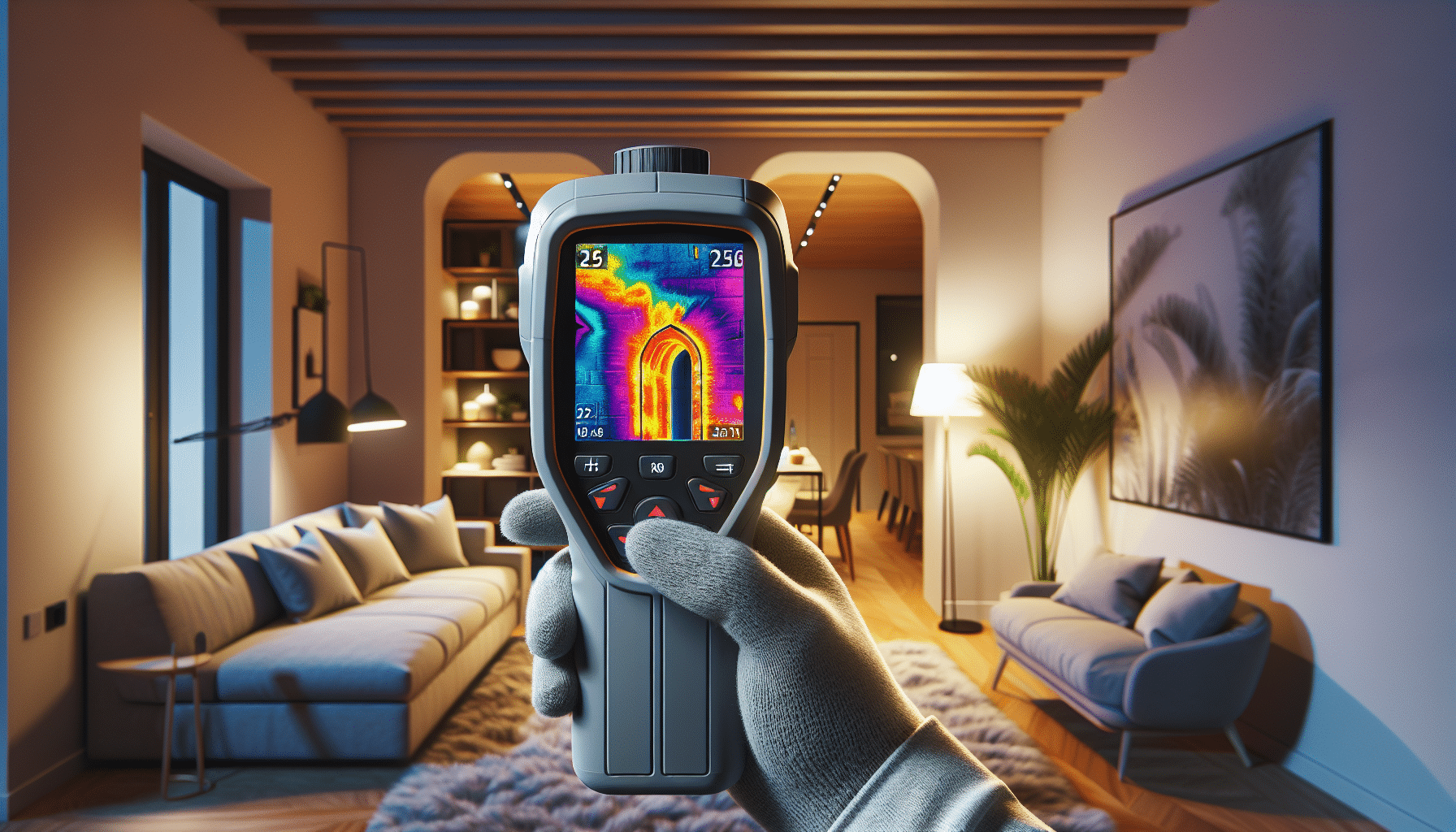
The visual inspection during professional air quality audit Al Ain offices covers all accessible areas including ceiling spaces, behind furniture, within HVAC systems and around perimeter walls. Specialists look for visible mould growth, water stains, dust accumulation and signs of poor ventilation. Thermal imaging cameras may be used to identify hidden moisture issues or thermal bridges that could contribute to condensation problems. This non-invasive technique helps pinpoint areas that require further testing without destructive investigation.
Laboratory Testing in Professional Air Quality Audit Al Ain Offices
Laboratory analysis forms the scientific foundation of professional air quality audit Al Ain offices. Air samples are collected using calibrated pumps and spore traps that capture airborne particles for microscopic examination. Surface samples from suspicious areas undergo microbiological analysis to identify specific mould species and concentration levels. These laboratory tests provide definitive evidence of microbial contamination that cannot be determined through visual inspection alone.
Chemical analysis during professional air quality audit Al Ain offices includes testing for volatile organic compounds using photoionization detectors and gas chromatography. Formaldehyde testing specifically addresses off-gassing from furniture, carpets and building materials. Carbon dioxide levels are monitored to assess ventilation adequacy, while carbon monoxide testing ensures combustion appliances are properly vented. Each test follows established protocols with chain-of-custody documentation to maintain sample integrity.
Ventilation Assessment for Professional Air Quality Audit Al Ain Offices
Ventilation evaluation represents a critical component of professional air quality audit Al Ain offices. Using anemometers and flow hoods, specialists measure air movement through supply and return vents to determine if HVAC systems deliver adequate air exchange rates. Tracer gas testing may be employed to quantify actual air change rates within occupied spaces. This assessment identifies ventilation shortcomings that could lead to pollutant accumulation and discomfort.
Professional air quality audit Al Ain offices also examines filtration efficiency within HVAC systems. Specialists assess filter types, installation practices and maintenance schedules to determine if current filtration adequately captures particulate matter. Recommendations may include upgrading filter ratings, increasing maintenance frequency or adding supplemental air cleaning devices in areas with specific contamination concerns.
Identifying Common Issues Through Professional Air Quality Audit Al Ain Offices
Professional air quality audit Al Ain offices frequently identifies several recurring issues in office environments. Inadequate ventilation often emerges as a primary concern, particularly in buildings where energy efficiency measures have reduced fresh air intake. Microbial contamination commonly occurs in HVAC systems, ceiling spaces and behind furniture where moisture accumulates. Chemical pollutants from cleaning products, office equipment and building materials frequently exceed recommended levels in poorly ventilated spaces.
Particulate matter represents another common finding during professional air quality audit Al Ain offices. Dust from outdoor sources, paper particles from office equipment and biological contaminants circulate through ventilation systems, affecting air quality throughout the workspace. These issues often correlate with employee complaints about respiratory irritation, fatigue and difficulty concentrating, making their identification and resolution particularly valuable for businesses.
Interpreting Results From Professional Air Quality Audit Al Ain Offices
The final report from professional air quality audit Al Ain offices provides detailed analysis of all findings with comparisons to established guidelines from organisations like WHO, ASHRAE and EPA. Each parameter is presented with clear explanations of health implications and recommended action levels. The report prioritises issues based on severity and potential health impacts, providing facility managers with a structured approach to remediation.
Professional air quality audit Al Ain offices includes specific recommendations for addressing identified issues, ranging from simple maintenance adjustments to comprehensive system upgrades. Recommendations consider cost-effectiveness, implementation complexity and potential impact on indoor air quality. The report serves as both a diagnostic tool and a roadmap for creating healthier indoor environments that support employee wellbeing and productivity.
Benefits of Professional Air Quality Audit Al Ain Offices
Investing in professional air quality audit Al Ain offices delivers multiple benefits for businesses. Improved employee health and reduced absenteeism represent immediate advantages, while enhanced cognitive performance and productivity provide long-term value. The audit helps organisations meet occupational health and safety requirements while demonstrating commitment to employee wellbeing. For businesses in Al Ain specifically, the audit addresses regional environmental factors that might otherwise go unnoticed.
Professional air quality audit Al Ain offices also supports sustainability initiatives by identifying energy efficiency opportunities through optimized HVAC operation. Proper ventilation balancing and system maintenance reduce energy consumption while improving indoor environmental quality. The audit provides baseline measurements that enable ongoing monitoring and continuous improvement of indoor air quality management practices.
Implementing Recommendations From Professional Air Quality Audit Al Ain Offices
Successful implementation of recommendations from professional air quality audit Al Ain offices requires coordinated effort between facility management, HVAC contractors and cleaning services. Prioritisation begins with addressing immediate health concerns such as microbial contamination or high chemical pollutant levels. Ventilation improvements often follow, as adequate air exchange represents a fundamental requirement for maintaining good indoor air quality.
Ongoing monitoring after implementing changes from professional air quality audit Al Ain offices ensures that improvements remain effective over time. Regular HVAC maintenance, periodic air quality testing and employee feedback mechanisms help maintain the benefits achieved through the audit process. Many organisations establish scheduled re-audits every two to three years to track progress and identify new issues before they impact indoor environmental quality.
Frequently Asked Questions
How often should offices in Al Ain conduct air quality audits?
Offices in Al Ain should conduct professional air quality audits every two to three years, or whenever significant renovations occur, HVAC systems are upgraded, or persistent employee health complaints emerge. Buildings with known moisture issues or older ventilation systems may require more frequent assessment to ensure maintained indoor environmental quality.
What makes Al Ain offices particularly vulnerable to air quality issues?
Al Ain offices face unique challenges including extreme summer temperatures requiring continuous air conditioning, which can lead to moisture accumulation in HVAC systems if not properly maintained. The desert environment introduces fine particulate matter, while modern building materials may off-gas chemicals more rapidly in high temperatures, creating complex indoor pollution dynamics.
Can air quality audits help reduce employee sick days?
Professional air quality audits frequently identify and resolve contamination sources that contribute to respiratory issues, headaches and fatigue. By addressing these underlying causes, businesses typically observe reduced absenteeism and improved overall workforce health, making the audit investment valuable from both human and financial perspectives.
What qualifications should air quality auditors possess?
Competent auditors should hold certifications such as IAC2 (International Association of Certified Indoor Air Consultants) or equivalent credentials, with specific experience in commercial buildings and understanding of UAE building practices. They should utilize calibrated equipment and follow established protocols for sampling and analysis to ensure reliable results.
How long does a complete office air quality audit take?
A comprehensive professional air quality audit for typical Al Ain offices requires one to three days for onsite assessment depending on square footage and complexity, with laboratory analysis adding three to five business days for complete reporting. Complex facilities with multiple zones or special environments may require additional time for thorough evaluation.
Professional air quality audit Al Ain offices provides essential insights into the environmental factors affecting workplace health and productivity. Through scientific measurement and analysis, businesses gain actionable information for creating optimal indoor environments that support employee wellbeing while meeting regulatory requirements. The investment in comprehensive air quality assessment delivers returns through improved workforce performance, reduced absenteeism and demonstrated commitment to occupational health standards.

JV de Castro, IAC2
JV de Castro is the Chief Technology Officer at Saniservice, where he leads innovation in indoor environmental sciences, IT infrastructure, and digital transformation. With over 20 years of experience spanning architecture, building science, technology management, digital media architecture, and consultancy, he has helped organizations optimize operations through smart solutions and forward-thinking strategies. JV holds a Degree in Architecture, a Masters of Research in Anthropology, an MBA in Digital Communication & Media, along with certifications in mold, building sciences and advanced networking. Passionate about combining technology, health, and sustainability, he continues to drive initiatives that bridge science, IT, and business impact.