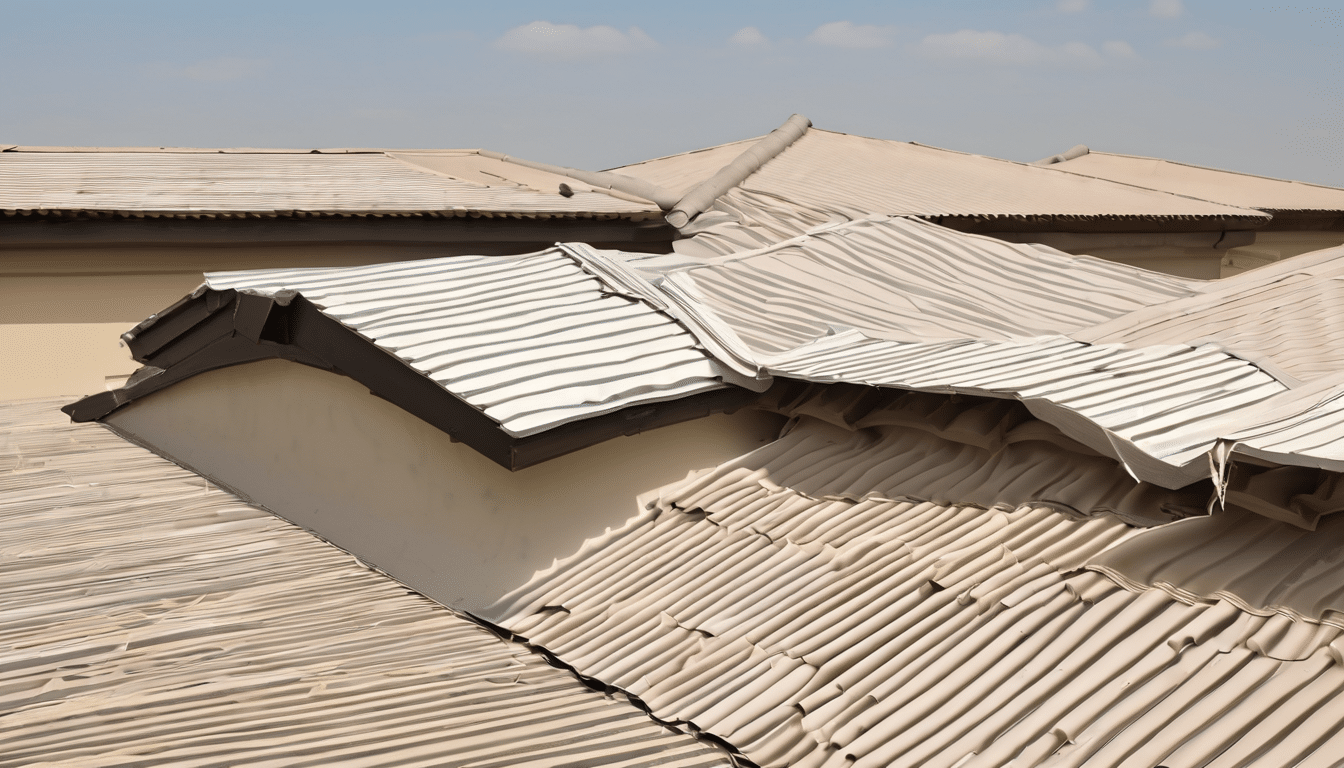
Asbestos Roof Removal Process in Dubai UAE Properties Guide
The asbestos roof removal process in Dubai UAE properties demands specialised expertise due to the extreme climate conditions and stringent regulatory framework governing hazardous material handling. Unlike standard construction projects, asbestos remediation requires certified containment protocols, personal protective equipment, and Dubai Municipality-approved disposal methods to prevent fibre release into the environment.
In Dubai’s construction landscape, many older commercial and residential properties built before 2000 contain asbestos roofing materials that deteriorate over time due to intense heat, humidity, and weathering. The Asbestos Roof Removal process in Dubai UAE properties must address these unique environmental factors while ensuring complete compliance with local safety regulations and international best practices.
Asbestos Roof Removal Process in Dubai UAE Properties – Understanding Asbestos Roofing in Dubai Properties
Asbestos roofing was commonly used in Dubai construction during the 1980s and 1990s for its durability and heat resistance properties. These roofing materials typically contain chrysotile asbestos fibres mixed with cement, creating a composite material known as asbestos cement sheeting. Over time, exposure to Dubai’s extreme temperatures reaching 45°C and high humidity levels causes these materials to degrade, potentially releasing hazardous fibres into the air.
The asbestos roof removal process in Dubai UAE properties begins with understanding the specific type and condition of asbestos-containing materials. Professional assessment determines whether the material is friable (easily crumbled) or non-friable, which significantly impacts the containment approach required. In Dubai’s climate, even non-friable asbestos cement can become friable due to prolonged weather exposure, requiring more stringent safety measures during removal.
Asbestos Roof Removal Process in Dubai UAE Properties – Initial Assessment and Dubai Municipality Requirements
Before commencing any asbestos roof removal process in Dubai UAE properties, certified professionals must conduct a comprehensive site assessment. This includes visual inspection, material sampling, and laboratory analysis to confirm asbestos presence and concentration. Dubai Municipality regulations require proper documentation including risk assessment reports, method statements, and disposal plans submitted for approval before work begins.
The assessment phase also evaluates accessibility, surrounding structures, and potential exposure risks to adjacent properties. In densely populated areas like Deira or Bur Dubai, additional containment measures may be necessary to protect neighbouring residents and businesses. The asbestos roof removal process in Dubai UAE properties must account for wind patterns, especially during summer months when shamal winds can carry fibres over considerable distances.
Laboratory Analysis and Documentation
Certified laboratories in Dubai conduct polarized light microscopy (PLM) analysis to identify asbestos types and concentrations. This scientific analysis forms the foundation for developing appropriate safety protocols and determines whether the asbestos roof removal process in Dubai UAE properties requires Class A or Class B containment procedures based on fibre release potential.
Asbestos Roof Removal Process in Dubai UAE Properties – Containment and Safety Protocols
The core of the asbestos roof removal process in Dubai UAE properties involves establishing rigorous containment systems. Certified contractors erect negative air pressure enclosures using heavy-duty polyethylene sheeting and specialised framing systems. HEPA-filtered negative air machines maintain constant negative pressure within the work area, preventing fibre migration to uncontaminated zones.
Workers wear Level C personal protective equipment including powered air-purifying respirators (PAPRs), disposable coveralls, and glove systems. Decontamination units with three-stage shower systems are established at the site perimeter, ensuring workers don’t carry asbestos fibres outside the containment area. The asbestos roof removal process in Dubai UAE properties must include continuous air monitoring both inside and outside the containment zone to verify fibre levels remain within safe limits.
Removal Techniques and Material Handling
Actual removal methods vary depending on the roofing material’s condition and location. For asbestos cement roofing sheets, technicians typically use careful manual removal techniques, avoiding breakage that could release fibres. They apply amended water (water with wetting agents) to suppress dust generation during removal operations. The asbestos roof removal process in Dubai UAE properties requires meticulous attention to temperature conditions, as extreme heat can cause rapid evaporation of suppression agents.
Removed materials are immediately sealed in 6-mil thick polyethylene bags labeled with asbestos warning labels. These bags are then placed in secondary containment and transported using licensed hazardous waste vehicles. The entire asbestos roof removal process in Dubai UAE properties follows chain-of-custody documentation requirements from removal through to final disposal.
Dubai-Specific Climate Considerations
The asbestos roof removal process in Dubai UAE properties faces unique challenges due to the region’s climate. High temperatures require frequent worker rotation and additional hydration protocols to prevent heat stress while wearing protective equipment. Summer humidity levels exceeding 80% can affect containment integrity and require additional dehumidification measures within work areas.
Sand and dust storms common in the UAE necessitate extra precautions for containment system integrity. The asbestos roof removal process in Dubai UAE properties must include contingency plans for sudden weather changes, including emergency shutdown procedures and additional containment reinforcement measures when high winds are forecast.
Disposal and Regulatory Compliance
Final disposal represents a critical phase of the asbestos roof removal process in Dubai UAE properties. Dubai Municipality designates specific hazardous waste facilities authorised to accept asbestos materials. Transport requires licensed carriers with proper documentation, and disposal must follow strict burial protocols in designated cells designed to prevent environmental contamination.
Contractors must provide Dubai Municipality with complete disposal certificates and tracking documentation proving proper asbestos waste management. The asbestos roof removal process in Dubai UAE properties concludes only when all regulatory requirements are met and final clearance air testing confirms the site is safe for reoccupation.
Post-Removal Verification and Clearance
After completing the asbestos roof removal process in Dubai UAE properties, independent third-party consultants conduct final clearance testing. This involves visual inspection of all surfaces and aggressive air sampling using phase contrast microscopy (PCM) to confirm fibre levels are below the 0.01 fibres per cubic centimetre clearance level specified by Dubai Municipality.
Successful clearance testing generates a certificate of completion that allows the property to be reoccupied or redeveloped. The asbestos roof removal process in Dubai UAE properties isn’t complete until this documentation is obtained and submitted to relevant authorities for their records.
Expert Tips for Property Owners
When considering asbestos roof removal process in Dubai UAE properties, always verify contractor certifications and insurance coverage specifically for asbestos abatement. Request references from previous similar projects and ensure they have Dubai Municipality approval for hazardous waste handling. Never attempt DIY asbestos removal—the health risks and regulatory penalties make professional handling essential.
Schedule removal operations during cooler months when possible, as extreme summer heat complicates containment and worker safety. Budget for comprehensive testing before and after removal, as proper documentation protects both health and legal interests. Finally, consider future roofing materials that meet Dubai’s building codes while providing better thermal performance and safety.
Frequently Asked Questions
How long does asbestos roof removal take in Dubai properties?
The asbestos roof removal process in Dubai UAE properties typically requires 3-7 days for average residential roofs, depending on roof size, complexity, and weather conditions. Commercial properties may require 1-2 weeks due to larger areas and additional safety considerations.
What certifications should asbestos removal contractors have in Dubai?
Contractors performing asbestos roof removal process in Dubai UAE properties must hold Dubai Municipality hazardous waste handling licenses, ISO 9001 certification for quality management, and staff with certified asbestos abatement training from internationally recognised programmes.
Can asbestos roofing be repaired instead of removed?
In some cases, encapsulation or enclosure may be alternatives to complete asbestos roof removal process in Dubai UAE properties. However, Dubai’s extreme climate often makes removal the preferred long-term solution, as weathering continues to degrade encapsulated materials.
How do I verify proper asbestos disposal in Dubai?
Reputable contractors provide chain-of-custody documentation and Dubai Municipality disposal certificates confirming the asbestos roof removal process in Dubai UAE properties concluded with proper hazardous waste disposal at approved facilities.
What are the health risks of improper asbestos removal?
Improper asbestos roof removal process in Dubai UAE properties can release fibres causing respiratory diseases including asbestosis, lung cancer, and mesothelioma. These diseases often develop decades after exposure, making proper containment essential.
The asbestos roof removal process in Dubai UAE properties requires meticulous planning, certified expertise, and strict adherence to both international safety standards and local regulatory requirements. By engaging properly qualified professionals and following established protocols, property owners can ensure safe asbestos abatement that protects both human health and the environment while maintaining full regulatory compliance.

JV de Castro, IAC2
JV de Castro is the Chief Technology Officer at Saniservice, where he leads innovation in indoor environmental sciences, IT infrastructure, and digital transformation. With over 20 years of experience spanning architecture, building science, technology management, digital media architecture, and consultancy, he has helped organizations optimize operations through smart solutions and forward-thinking strategies. JV holds a Degree in Architecture, a Masters of Research in Anthropology, an MBA in Digital Communication & Media, along with certifications in mold, building sciences and advanced networking. Passionate about combining technology, health, and sustainability, he continues to drive initiatives that bridge science, IT, and business impact.