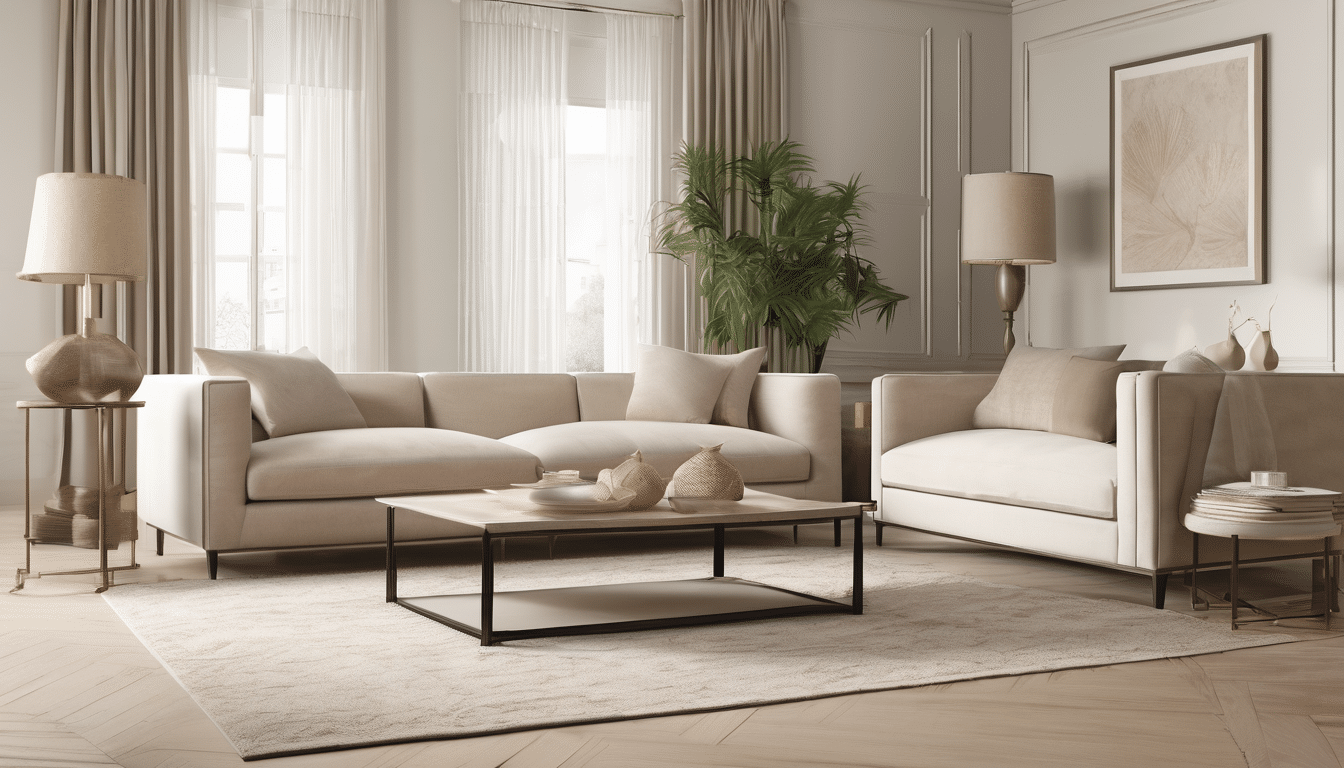
Formaldehyde Health Effects from UAE Furniture and Carpets
Formaldehyde health effects from UAE furniture and carpets represent a significant indoor air quality concern in Dubai’s climate-controlled environments. This chemical off-gassing occurs when pressed wood products, adhesives, and synthetic textiles release formaldehyde vapour into indoor spaces, particularly in air-conditioned homes where windows remain closed for extended periods. The combination of high temperatures accelerating chemical release and limited ventilation creates conditions where formaldehyde concentrations can exceed recommended exposure limits, making professional assessment essential for identifying and managing these health risks.
The presence of formaldehyde in indoor environments is particularly concerning in UAE residences where new furniture and carpet installations are common. Many imported building materials and furnishings contain formaldehyde-based resins that continue off-gassing for months or even years after installation. Understanding Formaldehyde Health Effects from UAE furniture and carpets requires recognising both immediate symptoms and potential long-term consequences, particularly for vulnerable populations such as children, elderly residents, and those with pre-existing respiratory conditions.
Formaldehyde Health Effects from UAE Furniture and Carpets – Understanding Formaldehyde Sources in UAE Homes
Formaldehyde health effects from UAE furniture and carpets begin with understanding the primary sources within residential environments. Pressed wood products including particleboard, medium-density fibreboard (MDF), and plywood contain urea-formaldehyde resins that gradually release this chemical into indoor air. Carpets and carpet adhesives frequently contain formaldehyde-based compounds, while certain fabrics and insulation materials may also contribute to indoor concentrations.
In Dubai’s climate, the problem intensifies during summer months when high temperatures accelerate the off-gassing process while air conditioning systems recirculate contaminated air throughout living spaces. The lack of natural ventilation in many UAE villas and apartments allows formaldehyde levels to build up over time, creating conditions where formaldehyde health effects from UAE furniture and carpets become increasingly pronounced. New construction and renovation projects particularly contribute to elevated levels as multiple formaldehyde-emitting materials are introduced simultaneously.
Common Furniture Types with High Formaldehyde Content
Certain furniture types present greater risks for formaldehyde emissions. Imported pressed-wood furniture, particularly budget-conscious options from certain manufacturing regions, often contains higher levels of formaldehyde resins. Built-in cabinetry, shelving units, and kitchen cabinets frequently utilise materials with significant formaldehyde content. Even seemingly solid wood furniture may contain hidden pressed wood components in backing panels or drawer bases.
Formaldehyde Health Effects from UAE Furniture and Carpets – Immediate Health Effects of Formaldehyde Exposure
Formaldehyde health effects from UAE furniture and carpets typically manifest initially through respiratory system irritation. Exposure to elevated formaldehyde levels causes immediate symptoms including eye irritation, nasal congestion, throat discomfort, and coughing. These reactions occur because formaldehyde is a potent mucous membrane irritant, affecting the eyes, nose, and respiratory tract even at relatively low concentrations.
Skin contact with formaldehyde-emitting surfaces can produce dermatological reactions including redness, itching, and rash development. Individuals with pre-existing conditions such as asthma or chemical sensitivities often experience exacerbated symptoms when exposed to formaldehyde from furniture and carpets. The immediate formaldehyde health effects from UAE furniture and carpets are particularly noticeable upon entering rooms with new furnishings or after prolonged exposure in poorly ventilated spaces.
Sensitivity Variations Among Individuals
Individual sensitivity to formaldehyde varies significantly, with some residents experiencing symptoms at concentrations below detection thresholds while others remain unaffected at higher levels. Children and elderly residents typically demonstrate greater sensitivity, as do individuals with pre-existing respiratory conditions. This variability makes professional assessment crucial for identifying problematic formaldehyde levels before health effects become severe.
Formaldehyde Health Effects from UAE Furniture and Carpets – Long-Term Health Risks from Chronic Exposure
Formaldehyde health effects from UAE furniture and carpets extend beyond immediate irritation to include potential long-term consequences from chronic exposure. The International Agency for Research on Cancer classifies formaldehyde as a known human carcinogen, with prolonged exposure linked to increased nasopharyngeal cancer risk. Respiratory function deterioration may occur with ongoing exposure, particularly in individuals with existing pulmonary conditions.
Neurological symptoms including headaches, fatigue, and difficulty concentrating have been associated with chronic formaldehyde exposure in residential settings. The cumulative nature of these formaldehyde health effects from UAE furniture and carpets means that even low-level continuous exposure can eventually produce significant health impacts. Professional formaldehyde testing provides the data necessary to determine whether residential levels approach concerning thresholds for long-term health risks.
Formaldehyde Testing Methods for Dubai Residences
Accurate assessment of formaldehyde health effects from UAE furniture and carpets requires professional testing methodologies. Passive air sampling devices collect formaldehyde over specific time periods for laboratory analysis, providing time-weighted average concentrations. Active air sampling using calibrated pumps delivers precise real-time measurements of formaldehyde levels in specific locations.
Laboratory analysis of material samples from furniture and carpets determines emission rates and identifies specific contamination sources. Thermal desorption analysis measures formaldehyde release under temperature conditions simulating Dubai’s summer environment. These professional methodologies provide the quantitative data necessary to properly evaluate formaldehyde health effects from UAE furniture and carpets and develop appropriate mitigation strategies.
Interpreting Formaldehyde Test Results
Understanding test results requires comparing measured concentrations against established guidelines from organisations including the World Health Organisation and Dubai Municipality. The context of exposure duration, occupant sensitivity, and presence of multiple contamination sources all influence the interpretation of formaldehyde levels in relation to potential health effects.
Reducing Formaldehyde Exposure in UAE Homes
Mitigating formaldehyde health effects from UAE furniture and carpets begins with source control strategies. Selecting low-formaldehyde or formaldehyde-free furnishings represents the most effective approach, particularly for major furniture purchases and carpet installations. Increasing ventilation through scheduled window opening during cooler periods helps dilute indoor formaldehyde concentrations.
Air purification systems with activated carbon filters can effectively remove formaldehyde from indoor air when properly sized for the space. Temperature and humidity control helps reduce formaldehyde emission rates from materials, as higher temperatures and humidity levels accelerate off-gassing. These strategies collectively address formaldehyde health effects from UAE furniture and carpets by reducing both emission rates and exposure concentrations.
Professional Formaldehyde Remediation Approaches
When formaldehyde health effects from UAE furniture and carpets require professional intervention, several remediation approaches prove effective. Source removal represents the most definitive solution for significantly contaminated furnishings, though this approach may be costly for major furniture items. Sealing treatments applied to formaldehyde-emitting surfaces can effectively reduce emission rates by creating barrier layers.
Advanced air purification systems specifically designed for formaldehyde removal provide continuous protection in spaces where source removal isn’t feasible. Environmental monitoring following remediation verifies the effectiveness of interventions and ensures formaldehyde levels remain within acceptable ranges. These professional approaches to addressing formaldehyde health effects from UAE furniture and carpets require specialised equipment and expertise for proper implementation.
Regulatory Standards and Guidelines in the UAE
Understanding formaldehyde health effects from UAE furniture and carpets requires familiarity with applicable regulatory standards. Dubai Municipality establishes indoor air quality guidelines that include formaldehyde concentration limits for residential environments. The Emirates Authority for Standardisation and Metrology sets standards for formaldehyde content in building materials and furnishings imported into the UAE.
International standards including those from the World Health Organisation provide additional guidance for evaluating formaldehyde risks in residential settings. These regulatory frameworks help professionals assess whether formaldehyde levels in specific properties warrant concern and intervention. Compliance with these standards represents an important consideration when selecting new furnishings to minimise future formaldehyde health effects from UAE furniture and carpets.
Expert Tips for Managing Formaldehyde Risks
Managing formaldehyde health effects from UAE furniture and carpets begins with preventive measures during furniture selection. Choose solid wood furniture over pressed wood products whenever possible, particularly for bedroom furnishings where exposure duration is longest. Request formaldehyde emission documentation from furniture suppliers before purchase, particularly for imported items.
Allow new furnishings to off-gas in well-ventilated areas before installation in living spaces. Use air purifiers with activated carbon filters specifically rated for formaldehyde removal in rooms with new furniture or carpets. Schedule professional formaldehyde testing before and after major furniture purchases or renovations to establish baseline levels and verify improvement.
Maintain indoor temperatures at moderate levels to reduce formaldehyde emission rates from materials. Increase ventilation during and immediately after new furniture installation to accelerate initial off-gas periods. Consider sealants for existing formaldehyde-emitting surfaces that cannot be removed or replaced.
Frequently Asked Questions
How long does formaldehyde off-gassing continue from new furniture?
Formaldehyde off-gassing from new furniture typically continues for several months to years, with the highest emission rates occurring during the first six months. The duration depends on material type, environmental conditions, and the initial formaldehyde content of the product. Professional testing can determine whether off-gassing continues at concerning levels.
What formaldehyde level is considered dangerous in Dubai homes?
Dubai Municipality guidelines recommend keeping formaldehyde concentrations below 0.1 parts per million (ppm) for residential environments. The World Health Organisation suggests even lower guidelines of 0.08 ppm for long-term exposure. Professional assessment determines whether specific levels approach or exceed these thresholds in your property.
Can air purifiers effectively reduce formaldehyde levels?
Air purifiers with activated carbon filters specifically designed for formaldehyde removal can effectively reduce indoor concentrations when properly sized for the space. However, source control through material selection and removal remains the most effective strategy for addressing formaldehyde emissions.
How does Dubai’s climate affect formaldehyde emissions?
Dubai’s high summer temperatures significantly accelerate formaldehyde emission rates from furniture and building materials. The extensive use of air conditioning creates closed environments where formaldehyde accumulates rather than dissipating through ventilation, creating conditions where concentrations can reach concerning levels.
Should I test for formaldehyde before buying new furniture?
Professional formaldehyde testing before major furniture purchases establishes a baseline for comparison after installation. This approach helps determine whether new furnishings contribute significantly to indoor formaldehyde levels and whether mitigation strategies prove effective.
Are certain rooms more susceptible to formaldehyde accumulation?
Bedrooms and other frequently occupied spaces with limited ventilation often show higher formaldehyde concentrations due to extended exposure periods and limited air exchange. Rooms with multiple pressed wood furnishings and new carpet installations typically demonstrate elevated levels.
What are the first signs of formaldehyde exposure?
Initial signs of formaldehyde exposure typically include eye irritation, nasal congestion, throat discomfort, and respiratory irritation. These symptoms often appear upon entering spaces with new furnishings or after prolonged exposure in environments with elevated formaldehyde levels.
Formaldehyde health effects from UAE furniture and carpets represent a significant but manageable indoor air quality concern in Dubai residences. Through professional assessment, strategic material selection, and appropriate mitigation approaches, residents can effectively reduce exposure risks and maintain healthier indoor environments. The combination of source control, ventilation management, and air purification provides comprehensive protection against the potential health impacts of formaldehyde emissions from modern furnishings and building materials.

JV de Castro, IAC2
JV de Castro is the Chief Technology Officer at Saniservice, where he leads innovation in indoor environmental sciences, IT infrastructure, and digital transformation. With over 20 years of experience spanning architecture, building science, technology management, digital media architecture, and consultancy, he has helped organizations optimize operations through smart solutions and forward-thinking strategies. JV holds a Degree in Architecture, a Masters of Research in Anthropology, an MBA in Digital Communication & Media, along with certifications in mold, building sciences and advanced networking. Passionate about combining technology, health, and sustainability, he continues to drive initiatives that bridge science, IT, and business impact.