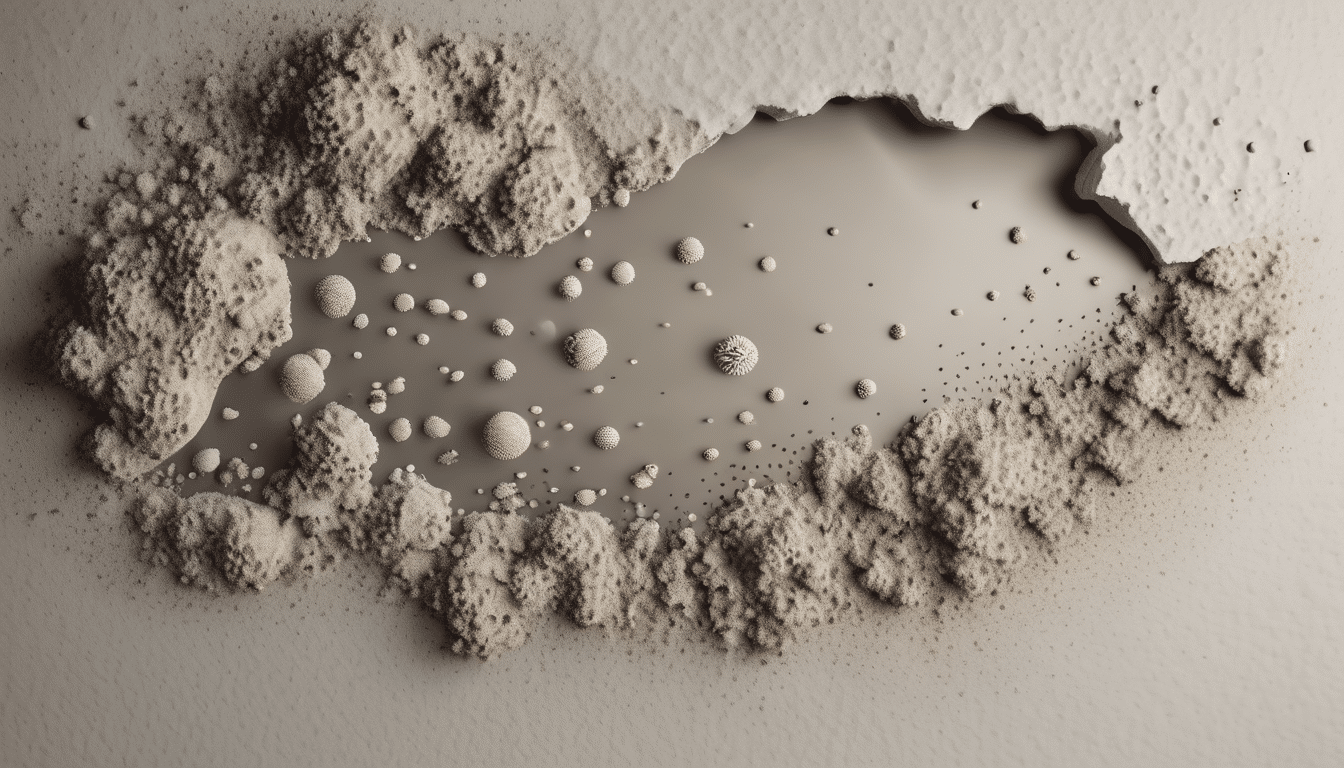
Mold Testing Dubai: Cost, Methods & Results 2026: What Does
Understanding Mold Testing Dubai: Cost, Methods & Results 2026 is essential. Mold testing Dubai inquiries almost always begin with the same two questions: how much does it cost, and how long does it take? Both are reasonable questions, but they are the second and third questions to ask — not the first. The first question is: what does the testing need to find? In a climate where outdoor humidity exceeds 80% through summer, buildings run on continuous air-conditioning, and construction practices vary considerably across two decades of rapid development, mold testing is not a single procedure. It is a diagnostic process. The scope, method, and interpretation all depend on what the building reveals during the initial assessment.
This is a complete reference to understanding mold testing in Dubai — covering sampling methods, laboratory analysis, result interpretation, and the variables that determine how a professional assessment is scoped and priced. It draws from field investigations and in-house laboratory work conducted across residential and commercial properties in Dubai, Abu Dhabi, Sharjah, and the Northern Emirates.
Why Dubai Buildings Present a Distinct Mold Profile
Mold science developed largely in temperate climates — the United States, the United Kingdom, northern Europe. The species tables, the benchmark spore counts, the remediation thresholds in most mold textbooks were built on data from those environments. Dubai is a different biological context entirely.
Outdoor air in Dubai during summer carries high loads of xerophilic and thermophilic fungi — organisms adapted to heat and low water activity. Aspergillus and Penicillium species dominate the outdoor profile. When that air is drawn into an AC-dependent building and condenses on cool duct surfaces, coils, and internal wall cavities, it creates the exact moisture conditions those fungi need to proliferate indoors. The result is an indoor mold profile that frequently differs from what you find in a North American home with a basement water intrusion.
Additionally, Dubai buildings often feature thermal bridging at slab edges and window frames, inadequate vapour barriers in older construction, and central chilled water systems or split-unit AC systems that cycle moisture without always removing it efficiently. These structural conditions create recurrent moisture reservoirs. Understanding this context is essential before choosing a testing method — because the method must match the organism you are looking for and the mechanism driving its growth.
The Main Methods Used in Professional Mold Assessment
Air Sampling
Air sampling is the most commonly requested method and, used in isolation, the most frequently misunderstood. A calibrated air pump draws a measured volume of air — typically expressed in litres per minute over a defined collection period — through a spore trap cassette or onto a culture medium. The cassette is then analysed under a microscope (spore trap analysis) or incubated and counted (viable culture analysis).
Air sampling produces a snapshot of airborne fungal concentrations at a specific moment. That moment matters. A room with an active disturbance — vacuuming, opened doors, recent maintenance work — will produce a different count than the same room undisturbed. Outdoor conditions on the day of sampling also influence results. Professional assessors always collect an outdoor reference sample alongside indoor samples, because the comparison between indoor and outdoor counts is what determines whether indoor amplification is occurring.
Surface Sampling
Surface sampling includes tape lifts, swabs, and bulk material samples. These methods collect what is physically present on a surface — visible discolouration, suspected mold colonies, settled dust accumulations on AC vents — and send that material to the laboratory for identification and, where relevant, quantification.
Surface sampling is particularly useful when there is a visible suspect area and the investigator needs to confirm whether it is fungal in origin, identify the genus and species, and assess whether the surface load is consistent with active growth or legacy contamination. In Dubai villas, tape lifts from AC vent surrounds and wall surfaces near window frames are among the most diagnostic samples an investigation can collect.
Dust Sampling and ERMI Analysis
ERMI — the Environmental Relative Moldiness Index — was developed by the US Environmental Protection Agency as a standardised method for quantifying mold DNA in settled household dust. It uses quantitative PCR (polymerase chain reaction) to measure the DNA of 36 specific mold species grouped into two categories: those associated with water damage and those commonly found in typical indoor environments.
The output is a single numerical score derived from the ratio of Group 1 (water damage-associated) to Group 2 (reference) species. An elevated ERMI score indicates that water damage-associated species are present at levels disproportionate to the reference group — a scientifically robust signal of past or ongoing moisture problems in the building. ERMI is particularly valuable in Dubai properties where visible mold is absent but occupants report persistent symptoms, because it captures the cumulative fungal history embedded in settled dust rather than a single airborne moment.
Mycotoxin Testing
Mycotoxins are secondary metabolites produced by certain mold species under specific conditions of stress and growth. Not all molds produce mycotoxins, and not all mycotoxin-producing molds produce them consistently. However, when trichothecenes, aflatoxins, ochratoxin A, or other clinically relevant mycotoxins are present in a building environment, they represent a category of contamination distinct from spore counts alone.
Mycotoxin testing of building materials, settled dust, or HVAC components is relevant when occupant health presentations are unusually severe, when ERMI results indicate significant Stachybotrys or Chaetomium presence, or when a physician requests environmental documentation to support clinical investigation. It is not a routine first step, but it is an available and scientifically grounded one.
Moisture Mapping and Thermal Imaging
Mold testing without moisture investigation is incomplete. Every mold problem is, at its foundation, a moisture management failure. Thermal imaging — using a calibrated infrared camera — identifies temperature anomalies on building surfaces that correspond to moisture accumulation, evaporative cooling effects, or air leakage pathways. These anomalies guide targeted sampling and, more importantly, identify the source that must be corrected for any remediation to hold.
In Dubai buildings, thermal imaging consistently reveals moisture intrusion at slab edges, around window reveals, at AC cassette locations, and inside wall cavities adjacent to bathrooms. Without this spatial intelligence, sampling produces data but no direction.
What the Laboratory Process Involves
The distinction between external laboratory testing and in-house laboratory analysis is significant in the UAE context. Before Indoor Sciences established Saniservice’s in-house microbiology laboratory in Al Quoz, IAQ testing in Dubai typically relied on external laboratories — often overseas — with turnaround times of two to six weeks. A building problem that needed answers within days was left waiting for data that arrived after the occupants had either left the property or made uninformed decisions.
The Indoor Sciences in-house laboratory processes spore trap cassettes, viable culture plates, swabs, and bulk material samples using standard mycological methods — direct microscopy, cultural identification, spore counting under calibrated optics — and returns actionable results within days, not weeks. This speed matters in a rental-heavy property market where tenants and landlords need documented findings to make decisions quickly.
Laboratory results are provided with species identification, spore concentrations, and contextual interpretation. A raw spore count without interpretation is not a useful document. What matters is the relationship between indoor and outdoor counts, the specific genera and species identified, their water activity requirements, their known mycotoxin-producing potential, and whether their presence is consistent with normal environmental carry-in or indoor amplification.
Interpreting Mold Test Results in the UAE Context
Understanding Indoor-to-Outdoor Ratios
In a properly functioning building envelope with adequate ventilation, indoor total spore counts should be lower than, or broadly comparable to, outdoor counts. Elevated indoor counts — particularly when dominated by Aspergillus, Penicillium, Cladosporium, or Stachybotrys species — indicate that the building is generating or concentrating fungal material beyond what infiltration alone explains.
In Dubai, the outdoor reference baseline is inherently higher in total Aspergillus and Cladosporium counts than in temperate climates, particularly during summer months and dust events. This is why interpretation must be regionally calibrated. Applying a US-derived benchmark directly to a Dubai air sample can produce both false positives and false negatives. As an IAC2 Certified Indoor Air Consultant with over a decade of UAE-specific field data, the interpretation standard used at Indoor Sciences accounts for the local environmental baseline — not an imported one.
When Visible Mold Is Absent
One of the most frequent scenarios encountered in Dubai villa and apartment investigations is the occupant who reports symptoms — fatigue, recurring respiratory irritation, headaches, skin reactions — in the absence of any visible mold. This is not unusual. Mold growth inside AC ducting, behind drywall, under floor screeds, or within ceiling voids can produce measurable airborne and surface contamination with no visible sign at all.
In these investigations, air sampling is combined with ERMI dust analysis, thermal imaging, and targeted surface sampling at high-suspicion locations. The combination produces a fuller picture than any single method alone. Elevated ERMI scores in the absence of visible growth are among the most clinically significant findings, because they indicate sustained historical exposure embedded in settled dust throughout the living environment.
Understanding Species-Specific Risk
Not every species identified in a mold test carries the same significance. Cladosporium is the most commonly identified outdoor and indoor mold globally — its presence at low to moderate levels in an indoor environment is generally consistent with normal infiltration. Stachybotrys chartarum, by contrast, is an obligate water damage species that does not survive on typical building surfaces without sustained and significant moisture. Its presence indoors — even at low counts — is a reliable indicator of severe and ongoing or historical water intrusion.
Aspergillus niger, Aspergillus flavus, and Aspergillus fumigatus carry individual clinical considerations, particularly for immunocompromised occupants. Chaetomium is another water damage indicator associated with mycotoxin production. The laboratory report names these organisms for a reason — the remediation response and the urgency level are species-dependent, not simply count-dependent.
Variables That Determine Assessment Scope
When property managers, homeowners, or facility teams in Dubai request a mold assessment, the first step is a scoping consultation — a site walkthrough or detailed intake — that determines what combination of methods is appropriate. The variables that shape this scope include:
- Property size and type (single-room apartment versus a five-bedroom villa versus a commercial floor plate)
- Number of AC systems and their configuration (split units, ducted systems, central fan coil units)
- History of water events — leaks, flooding, AC condensate overflow, plumbing failures
- Age of the building and construction type
- Occupant health presentations and their nature and duration
- Whether the assessment is pre-purchase due diligence, post-remediation verification, or active investigation
- Whether mycotoxin analysis is clinically indicated
A post-remediation clearance test — used to verify that a remediated area has returned to an acceptable fungal baseline — is a different scope from an initial investigative assessment. Both are legitimate and necessary, but they are not interchangeable. Contact the Indoor Sciences team for a property-specific scope and quote based on the actual conditions of the building in question.
What a Professional Report Should Contain
A mold assessment report is a technical document with legal and practical implications. In the UAE property context — where landlord-tenant disputes involving environmental conditions are increasingly common — the report needs to be defensible, specific, and actionable. A credible report produced by a qualified assessor includes:
- Site observations with photographic documentation
- Sampling locations mapped to a floor plan or described with sufficient specificity
- Chain of custody documentation for laboratory samples
- Laboratory results with species identification and quantification
- Indoor-to-outdoor comparative analysis
- Thermal imaging findings where applicable
- Interpretation section contextualising results to the specific building conditions and occupancy
- Recommendations ranked by priority — what needs immediate attention, what requires monitoring, and what constitutes a watch point
A report that returns raw numbers without interpretation, or that identifies “mold present” without species context, is not a professional IAQ assessment. It is data without diagnosis.
Pre-Purchase Mold Assessment for Dubai Properties
One of the highest-value contexts for mold testing in Dubai is pre-purchase property assessment. The Dubai real estate market moves quickly. Properties are frequently presented in a renovated or freshly painted condition that can obscure prior water damage, historical mold growth, or ongoing moisture problems that cosmetic treatment has temporarily concealed.
Thermal imaging combined with targeted surface and air sampling at the time of purchase gives buyers documented evidence of the building’s actual environmental condition — information that cannot be inferred from a visual inspection of freshly painted walls. Properties in Jumeirah, JBR, Discovery Gardens, The Springs, and older villa communities in Mirdif and Deira have each produced significant mold findings during pre-purchase assessments that were completely invisible to the naked eye.
For investors and end-users alike, a professional pre-purchase mold assessment is due diligence, not an optional extra. The cost of the assessment is a fraction of the remediation cost if a significant problem is discovered after the sale has completed.
Post-Renovation Testing and New Fit-Out Assessments
Renovation and fit-out projects in Dubai introduce VOC off-gassing from new materials, disturb existing settled dust and contamination, and frequently involve changes to AC ductwork and building envelope components. When a renovation is complete, occupants move into a space that may carry a chemical and biological signature very different from what measurements would suggest in a pre-occupied state.
Post-renovation mold and IAQ testing — which may combine air sampling, VOC assessment, and surface analysis — provides a baseline measurement before full occupancy and identifies any remediation or ventilation requirements before the space becomes occupied full-time. This is particularly relevant for fit-outs of office spaces and nurseries, where regulatory compliance considerations around indoor air quality are increasingly scrutinised by facility operators and tenants.
Expert Observations from Field Investigations
After more than a decade of building investigations across the UAE, several patterns recur consistently enough to be worth naming directly:
- AC drain pans are the single most frequently neglected moisture source in Dubai residential buildings. A blocked or slow-draining pan creates a persistent water reservoir that sustains mold growth inside the air-handling unit — the same unit that then circulates air through the entire living space.
- The area immediately behind and beneath AC cassettes and fan coil units in older buildings is almost always the highest-priority surface sampling location — not the visible mold on a bathroom tile.
- ERMI scores above +5 in Dubai properties consistently correlate with occupant health complaints — even when air sampling at the time of testing shows unremarkable results, because ERMI captures historical fungal burden rather than the present moment.
- Window frame condensation in Dubai apartments — particularly in floor-to-ceiling glass towers — creates recurrent mold growth at the perimeter of glazing systems. This is a building physics problem, not a cleaning problem. Remediation without thermal assessment of the window reveal is remediation that will fail.
- Post-flooding mold growth in Dubai — after the April 2024 weather event that affected thousands of properties — frequently remained undetected for weeks because the drying appeared complete on the surface. Below screed and behind drywall, moisture content remained sufficient to support fungal growth for months.
Frequently Asked Questions
How long does a mold test take in Dubai?
The site assessment typically takes between one and three hours depending on property size and complexity. Laboratory analysis through the Indoor Sciences in-house laboratory in Al Quoz returns results in days rather than the weeks associated with external overseas laboratories. The full report, including interpretation and recommendations, is delivered following laboratory completion.
What is the difference between air sampling and ERMI testing?
Air sampling measures the concentration of fungal spores in the air at a specific moment. ERMI dust analysis measures the DNA of 36 mold species in settled household dust, capturing cumulative fungal history over time. Both provide different types of information. A professional assessment determines which method — or which combination — is appropriate for the building and the clinical question being asked.
Is mold testing in Dubai only for residential properties?
Mold testing is relevant across property types — villas, apartments, offices, nurseries, schools, hotels, warehouses, and retail spaces. Commercial and institutional properties often require IAQ documentation for regulatory compliance, tenant due diligence, or occupational health reporting. The assessment methodology is adapted to the building type and occupancy.
Can mold be present without any visible signs in a Dubai home?
Yes. Mold growth inside AC ductwork, within wall cavities, beneath floor screeds, and behind fitted joinery can produce measurable airborne and surface contamination with no visible surface indication. Thermal imaging combined with targeted air and ERMI dust sampling is the most effective approach when symptoms are present but visible mold is absent.
What should I do if my mold test results show elevated counts?
Elevated counts should be interpreted in the context of species identity, indoor-to-outdoor comparison, and the building’s moisture history. The report produced by a qualified assessor will include prioritised recommendations. Remediation should address the moisture source — not only the visible or sampled contamination — otherwise regrowth is predictable. In most Dubai cases, this means identifying and correcting the building physics or drainage failure driving moisture accumulation.
How does the UAE climate affect mold test interpretation?
The UAE’s high outdoor fungal baseline — particularly Aspergillus and Cladosporium species — means that interpreting Dubai mold test results against temperate-climate benchmarks is unreliable. IAC2-standard interpretation adjusts for the local environmental context, distinguishing outdoor carry-in from indoor amplification using regionally calibrated comparative analysis rather than imported reference values.
How much does mold testing cost in Dubai?
Mold testing cost in Dubai is determined by property size, number of sampling locations, methods selected, and whether mycotoxin or ERMI analysis is required. There is no meaningful single-figure answer for a topic this variable. The correct approach is a scoping consultation with a qualified assessor, following which an accurate, property-specific quote is provided. Contact Indoor Sciences for an assessment-based scope.
A Final Note on What Testing Actually Delivers
The value of mold testing in Dubai is not the number on a laboratory report. It is the clarity that number — properly interpreted, properly contextualised — brings to a situation that has often caused weeks of uncertainty, health concern, or landlord-tenant dispute. Mold Testing Dubai: Cost, Methods & Results 2026 is ultimately a question about what the building is doing, not just what the test found.
A competent assessment tells you what type of fungi are present, at what concentration, whether indoor amplification is occurring, and — critically — where the moisture source is that is driving the biology. Without that last answer, testing is documentation rather than diagnosis. The goal is always diagnosis: understanding the mechanism so the solution holds.
If you are managing a property in Dubai, Abu Dhabi, Sharjah, or the Northern Emirates and you have reason to believe a mold problem exists — visible or suspected — the appropriate next step is a professional site assessment, not a consumer test kit. Indoor Sciences operates the UAE’s only in-house indoor environmental microbiology laboratory run by an indoor environmental services company. The team can be reached through indoorsciences.ae. Understanding Mold Testing Dubai: Cost, Methods & Results 2026 is key to success in this area.