10 Critical Health Risks of Poor Indoor Air Quality Dubai Residents Must Know
Table of Contents
Understanding Indoor Air Quality
The health risks of poor indoor air quality Dubai residents experience are often underestimated despite spending significant hours indoors. Indoor air quality (IAQ) refers to the condition or cleanliness of the air inside buildings such as homes, offices, and public spaces in Dubai. Pollutants in indoor air can originate from several common sources including building materials, appliances, and outdoor air infiltration. Understanding these sources is crucial for addressing the myriad of health risks of poor indoor air quality Dubai residents face daily.
Dubai’s rapid urbanization and unique environmental factors such as intense desert dust storms increase the importance of vigilant indoor air monitoring. Residents usually close windows to protect from extreme heat and dust, which can worsen IAQ by trapping contaminants inside, exacerbating the health risks of poor indoor air quality Dubai presents to its population.
Common Pollutants Impacting Indoor Air in Dubai
Understanding the typical pollutants indoors helps identify the root causes of poor air quality that contribute to diverse health issues. The presence of these pollutants directly contributes to the health risks of poor indoor air quality Dubai residents contend with daily.
- Volatile Organic Compounds (VOCs): Emitted from paints, furnishings, cleaning products, and adhesives.
- Particulate Matter (PM2.5 and PM10): Dust, desert sand, and smoke particles that infiltrate and accumulate indoors.
- Carbon Monoxide (CO): Resulting from incomplete combustion in gas stoves or poorly ventilated appliances.
- Mold and Mildew Spores: Due to humidity and plumbing leaks in humidified indoor areas.
- Biological Contaminants: Dust mites, pet dander, and bacteria from inadequate cleaning.
Due to Dubai’s desert climate, dust particles frequently enter indoor spaces, aggravating respiratory irritation. Indoor sources combined with outdoor infiltration create a cocktail of pollutants that require proactive air quality management to mitigate the severe health risks of poor indoor air quality Dubai households encounter.
Health Risks of Poor Indoor Air Quality Dubai Residents Face
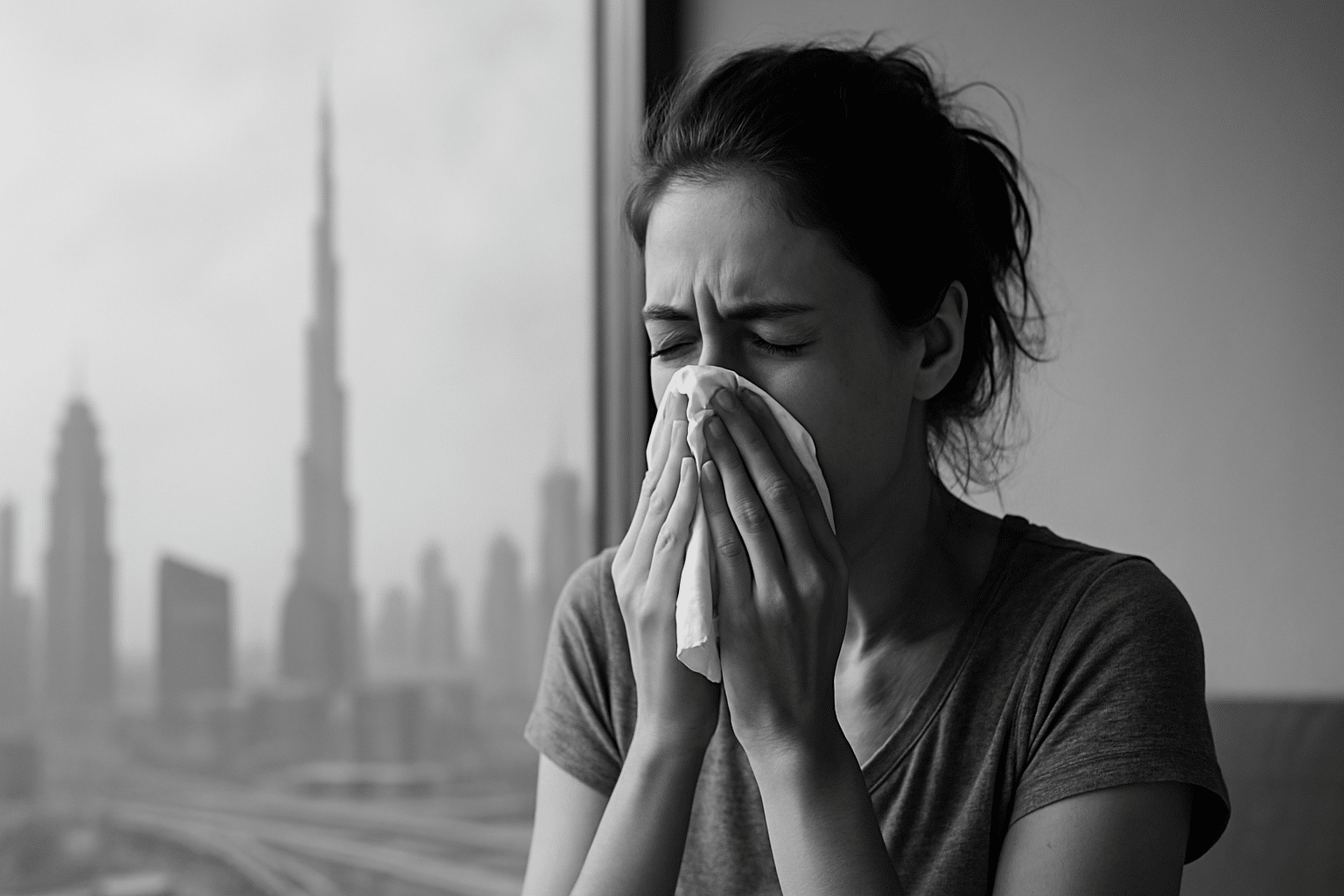
The health risks of poor indoor air quality Dubai environments can lead to are both immediate and chronic, affecting vulnerable groups such as children, the elderly, and individuals with pre-existing conditions. These substantial health risks of poor indoor air quality Dubai presents highlight the urgency of effective IAQ management in the city.
Here are the top 10 health risks linked to low IAQ within Dubai homes and workplaces, each contributing to the broader scope of health risks of poor indoor air quality Dubai residents must navigate:
| Health Risk | Description | Relevant Symptoms |
|---|---|---|
| Respiratory Diseases | Exposure to dust, mold, and VOCs provokes asthma, bronchitis, and chronic obstructive pulmonary disease (COPD). | Coughing, wheezing, shortness of breath, chest tightness. |
| Allergic Reactions | Common indoor allergens trigger rhinitis, eczema, and sinus congestion. | Sneezing, itching eyes, nasal congestion, skin rashes. |
| Headaches and Fatigue | Poor ventilation and chemical exposures cause headaches, dizziness, and reduced energy. | Frequent headaches, tiredness, lack of concentration. |
| Lung Cancer Risk | Long-term exposure to indoor carcinogens like formaldehyde and tobacco smoke increases cancer risk. | Chronic cough, weight loss, chest pain (advanced stages). |
| Heart Disease | Fine particulate matter impacts cardiovascular health leading to hypertension and heart attacks. | Chest pain, palpitations, shortness of breath. |
| Developmental Issues in Children | Pollutants interfere with lung and cognitive development in growing children. | Breathing difficulties, learning challenges, frequent illness. |
| Infections | Mold and bacteria thrive in damp indoor spaces leading to increased respiratory infections. | Persistent cough, fever, nasal discharge. |
| Eye, Nose & Throat Irritation | Exposure to irritants causes discomfort and inflammation of mucous membranes. | Red eyes, sore throat, runny nose. |
| Mental Health Effects | Poor air quality reduces sleep quality and increases stress and anxiety. | Insomnia, irritability, decreased cognitive function. |
| Worsening of Chronic Conditions | Existing diseases like diabetes and autoimmune disorders can deteriorate from pollutant exposure. | Flare-ups, increased medication dependence. |
Importance of Indoor Air Quality Testing in Dubai
Testing indoor air quality is a proactive step Dubai residents and businesses must take to safeguard health. Regular IAQ assessments help identify hidden pollutants, pinpoint sources, and measure pollutant levels before symptoms worsen, thus directly addressing the health risks of poor indoor air quality Dubai experiences.
Dubai Municipality and the Dubai Health Authority emphasize the importance of monitoring indoor environments especially in residential buildings, schools, healthcare facilities, and offices located in localities like Dubai Marina, Business Bay, and Arabian Ranches where population density and air conditioning systems elevate exposure risks, exacerbating the health risks of poor indoor air quality Dubai residents may unknowingly face.
With the health risks of poor indoor air quality Dubai underscoring urgent need, testing provides actionable insights enabling targeted remediation strategies such as improved ventilation, purifiers, and source control. This directly combats the health risks of poor indoor air quality Dubai businesses and homes must tackle.
Professional indoor air quality testing services in Dubai use advanced equipment to detect:
- Levels of particulate matter (PM2.5 and PM10)
- Concentrations of VOCs and carbon monoxide
- Humidity and mold spore counts
- Presence of allergens and microbial contaminants
For residents seeking expert IAQ evaluation in Dubai, Saniservice Dubai indoor air quality testing services can assess the health risks of poor indoor air quality Dubai residents face. Their Dubai-centric approach ensures compliance with local regulations and standards set by authorities like Dubai Municipality, effectively minimizing the health risks of poor indoor air quality Dubai residents are exposed to.
How to Monitor Indoor Air Quality Effectively
Continuous monitoring of indoor air quality allows residents and facility managers to track improvements or emerging problems. Here’s how to set up effective monitoring at home or work in Dubai:
Invest in Indoor Air Quality Sensors
IoT-enabled air quality monitors tailored to Dubai’s environment provide real-time data on air pollutants and humidity. Modern AQ sensors alert users via smartphones when thresholds are exceeded, enabling immediate action.
Schedule Periodic Professional Testing
Annual or biannual professional IAQ assessments by Saniservice or certified Dubai laboratories complement sensor data with comprehensive pollutant analysis and actionable reports.
Auditing Ventilation Systems
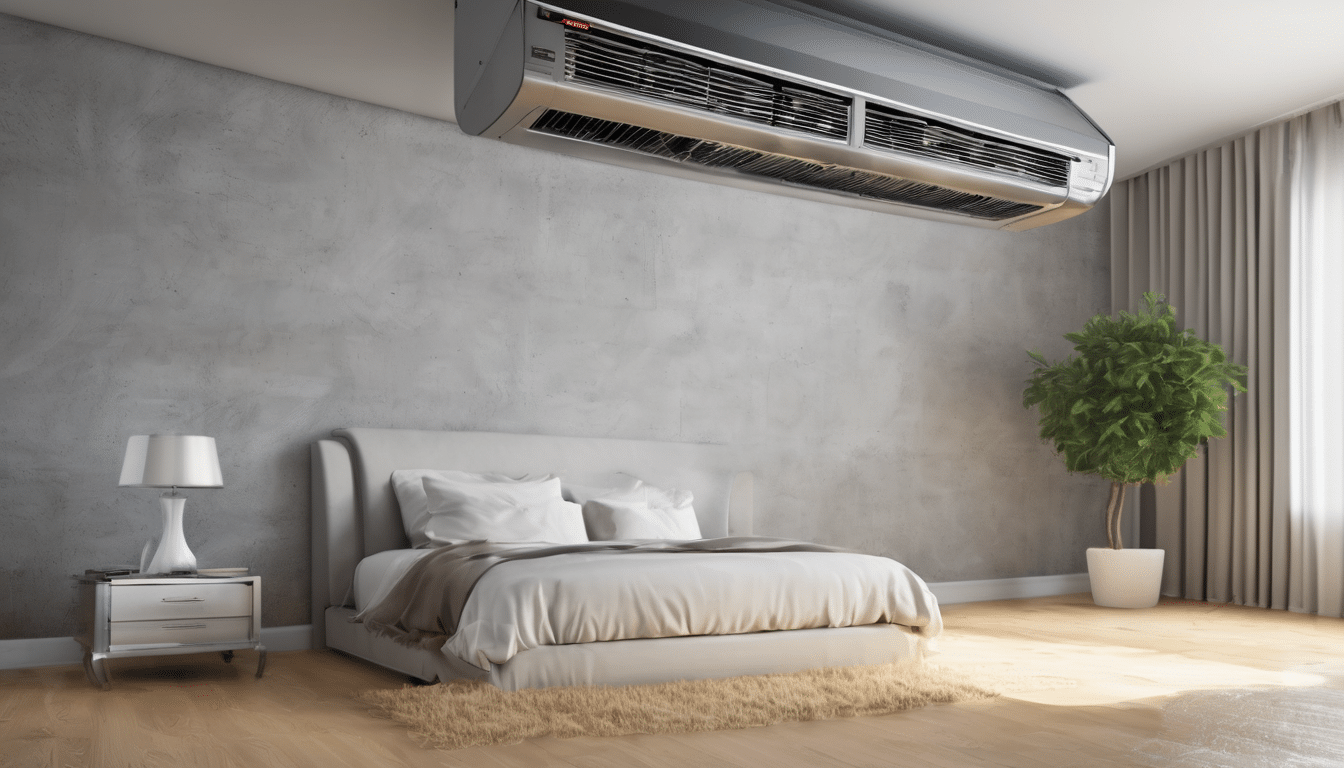
Proper functioning of HVAC systems impacts indoor air exchange rates and pollutant dilution. Inspect and maintain ventilation regularly especially in Dubai’s hot climate where indoor cooling is continuous.
Maintain Clean Indoor Environments
Routine cleaning reduces dust, mold growth, and biological contaminants. Choose low-VOC cleaning products and minimize indoor smoking to limit pollutant sources.
Preventive Measures to Improve Indoor Air Quality
Taking actionable steps to enhance IAQ directly reduces the health risks of poor indoor air quality Dubai locales face. Consider implementing these practical measures:
- Upgrade Air Filtration: Use HEPA filters within air conditioning units common in Dubai homes to trap fine particles.
- Increase Ventilation: Where climate permits, ventilate spaces by opening windows intermittently or use mechanical ventilation systems.
- Control Humidity Levels: Dehumidifiers prevent mold and mildew buildup in humid indoor pockets.
- Minimize Indoor Pollutants: Avoid indoor smoking, limit use of aerosols and chemical cleaners, and choose eco-friendly furnishings.
- Regular Maintenance: Service HVAC units and plumbing to prevent leaks and accumulation of contaminants.
These measures are especially vital in areas like Downtown Dubai and Nad Al Sheba where high commercial and residential density increases human exposure to indoor pollutants, thereby worsening the potential health risks of poor indoor air quality Dubai residents may encounter.
FAQ About Indoor Air Quality and Health in Dubai
Why is indoor air quality a major concern in Dubai?
The extreme climate and urban pollution in Dubai increase indoor pollutant concentrations. Closed environments from air conditioning trap contaminants and increase health risks of poor indoor air quality Dubai residents endure. This makes understanding and mitigating the prevalent health risks of poor indoor air quality Dubai a priority for public health.
How often should indoor air quality be tested?
Professional testing is recommended at least once a year or after renovations, flooding, or persistent health symptoms linked to indoor pollution.
Can plants improve indoor air quality in Dubai?
Certain indoor plants help filter volatile organic compounds but should be combined with ventilation and filtration systems for effective IAQ management in Dubai.
Are there any local regulations for indoor air quality?
Dubai Municipality and Dubai Health Authority provide guidelines and standards related to indoor air quality particularly for commercial and public buildings to safeguard public health.
How can I reduce exposure to dust indoors?
Use air purifiers with HEPA filters, clean air vents regularly, seal windows against desert dust, and maintain clean floors and surfaces.
Conclusion & Call to Action
Recognizing the health risks of poor indoor air quality Dubai residents face is the first step towards healthier living. Indoor air quality directly affects respiratory, cardiovascular, and overall well-being, especially in Dubai’s unique urban and climatic context. Proactive indoor air quality testing and monitoring, combined with preventive measures, ensures safer environments for families, workers, and vulnerable groups. Partnering with trusted local experts like Saniservice Dubai specialists can provide tailored solutions adhering to Dubai Municipality standards.
Protect your indoor air now to safeguard your health and comfort in Dubai’s dynamic environment. To learn more about effective indoor air quality testing in Dubai and mitigating the health risks of poor indoor air quality Dubai residents may encounter, consider scheduling professional assessments today.