Insulation Affect Indoor Air Quality: How Does ? 10 Key
How Does Insulation Affect Indoor Air Quality? This question is central to creating healthy indoor environments, especially in the UAE’s extreme climate where temperatures often exceed 45°C and humidity spikes during summer. Insulation does more than save energy; it regulates heat flow, moisture movement, and air infiltration, directly impacting contaminants like mould, VOCs, and particulates. Understanding how does insulation affect indoor air quality helps prevent health risks such as respiratory issues and allergies.
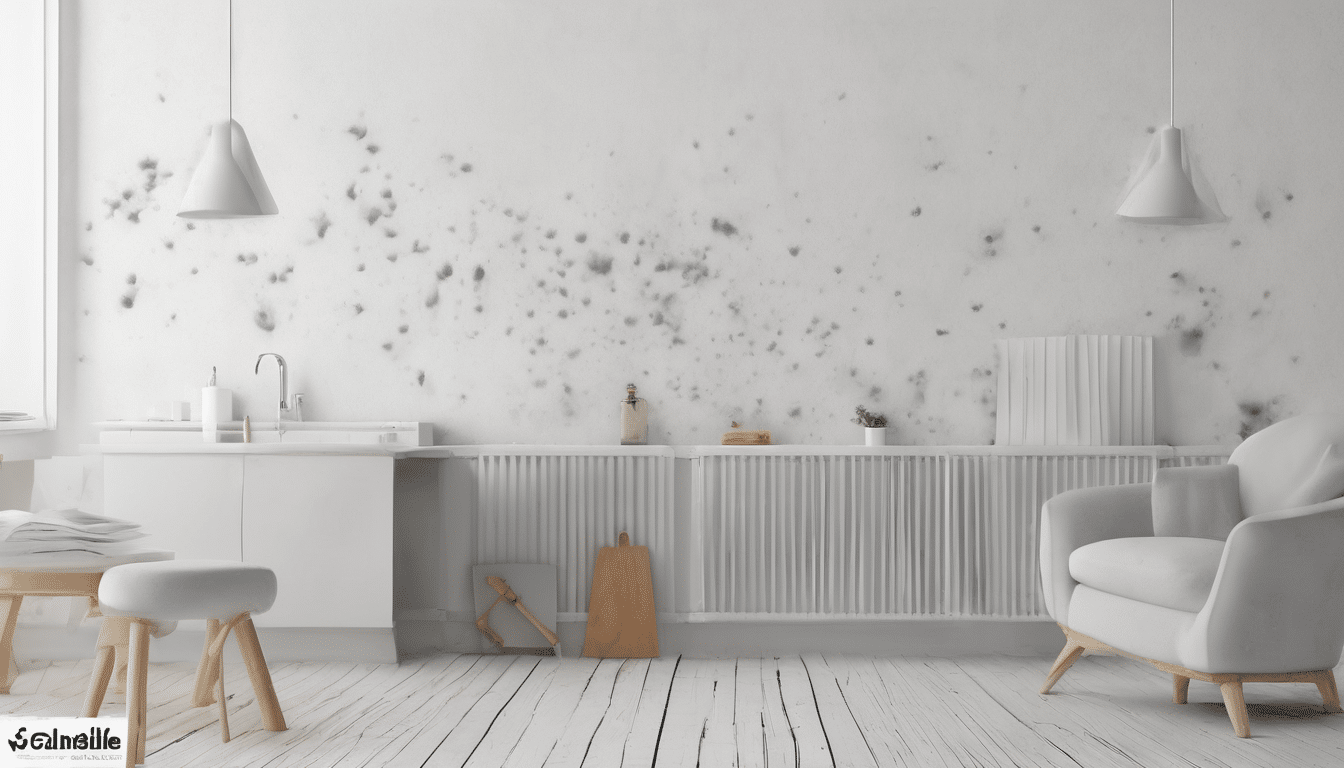
In Dubai villas and Abu Dhabi apartments, inadequate insulation often leads to condensation behind walls, fostering hidden mould—a common issue I’ve encountered in Saniservice investigations. Proper insulation maintains stable indoor conditions, reducing pollutant buildup. This comprehensive guide breaks down the mechanisms, risks, and solutions tailored to Gulf conditions.
Understanding How Does Insulation Affect Indoor Air Quality?
Insulation resists heat flow, measured by R-value, which indicates thermal resistance. Higher R-values mean better performance against conductive and convective heat transfer[4]. But how does insulation affect indoor air quality? It stabilises indoor temperatures, reducing humidity fluctuations that breed contaminants.
In air-conditioned UAE homes, insulation prevents cold interior surfaces from meeting warm, humid outdoor air, minimising condensation. Without it, thermal bridging—where heat escapes through studs or frames—creates cold spots prone to moisture buildup[2]. This directly ties to IAQ by controlling mould risk, a key factor in respiratory health.
Research shows cellulose insulation absorbs and releases moisture, regulating humidity better than rigid foams[1]. However, sealing effects can trap indoor pollutants if ventilation lags, emphasising balanced systems.
Thermal Dynamics Explained
Heat moves via conduction, convection, and radiation. Insulation primarily curbs conduction and convection, keeping interiors cooler in summer[4]. In Dubai, where AC runs constantly, this reduces energy use while stabilising air, preventing VOC off-gassing from overheating materials.
Insulation Affect Indoor Air Quality – Mechanisms of Insulation on Indoor Climate Control
How does insulation affect indoor air quality through moisture management? Vapour-permeable insulations like mineral wool allow diffusion, preventing trapped humidity[1]. Impermeable types, such as closed-cell spray foam, block vapour but require vapour barriers to avoid interstitial condensation.
Air leakage is another mechanism. Insulation fills cavities, reducing uncontrolled airflow that carries pollutants indoors[2]. In Sharjah villas, unsealed insulation allows dust and allergens from construction-heavy areas to infiltrate.
Temperature stability curbs biological growth. Mould needs 20-30°C and over 60% relative humidity (RH). Insulation maintains below 50% RH in attics and walls, per EPA guidelines[5].
Positive Impacts: How Does Insulation Affect Indoor Air Quality Positively
Well-installed insulation minimises outdoor pollutant infiltration, like Dubai’s desert dust (PM10 levels often exceed 200 µg/m³)[8]. It creates a barrier, lowering particulate entry and allergens.
Energy efficiency reduces AC runtime, cutting ozone from overworked units. Fibreglass, GREENGUARD-certified, emits low VOCs, supporting clean air[3]. In my experience at Saniservice, insulated villas show 30% lower spore counts.
Noise reduction indirectly boosts IAQ by limiting stress-induced behaviours like over-ventilating with polluted outdoor air.
Energy Savings and IAQ Synergy
Insulation cuts heating/cooling costs by up to 20%[7], allowing consistent ventilation without spiking AED 500-1,000 monthly bills. Stable conditions favour HEPA filters over open windows.
Risks and Negative Effects of Poor Insulation
Poor insulation amplifies IAQ issues. Compressed insulation loses R-value, increasing thermal bridging and condensation[4]. In Ajman homes, this leads to mould behind gypsum boards.
Tight seals without ventilation trap VOCs, CO2, and radon. EPA notes weatherization can elevate indoor pollutants 2-3 times if unaddressed[5]. UFFI historically off-gassed formaldehyde, though rare now[5].
In high-humidity GCC summers, non-breathable insulation fosters Aspergillus growth[1]. Off-gassing from uncured foams irritates airways[6].
Mould Growth Risks
Mould thrives in damp insulation. Cellulose resists somewhat but needs biocides[1]. Fibreglass is inert to microbes but can harbour dust if fibrous particles escape[3].
Insulation Materials and Their IAQ Effects
How does insulation affect indoor air quality depends on material. Fibreglass: low emissions, non-combustible, GREENGUARD Gold certified[3]. Mineral wool: vapour-open, mould-resistant.
Cellulose: recycled paper, high moisture buffering but mould-prone without treatment[1]. Spray foam: excellent air seal but potential VOCs during cure[6].
Polystyrene (EPS/XPS): low permeability, risks condensation if misplaced. Choose based on UAE’s 80%+ summer RH.
| Material | R-Value (per 25mm) | IAQ Pros | IAQ Cons |
|---|---|---|---|
| Fibreglass | 1.0-1.2 | Low VOCs | Dust if damaged |
| Cellulose | 0.9 | Humidity regulation | Mould risk |
| Spray Foam | 1.5-2.0 | Air sealing | Off-gassing |
UAE Climate Challenges: How Insulation Affects Indoor Air Quality
Dubai’s diurnal swings (15°C night to 50°C day) demand high R-values (R-30+ walls, R-50 ceilings). Insulation prevents AC coils freezing or ducts sweating, sources of bacterial growth[2].
In Riyadh’s dry heat, insulation retains cool air, but poor installs trap construction dust. Fujairah’s coastal humidity heightens vapour drive risks. My thermal imaging at Saniservice reveals 70% of IAQ complaints stem from insulation flaws here.
Local regs like Dubai Green Building require R-2.1 walls; compliance ensures IAQ[8].
Desert-Specific Moisture Issues
AC condensate often leaks into cavities. Insulation must direct it away, or Penicillium proliferates[1].
Ventilation Strategies with Insulation
Insulation tightens envelopes, so pair with mechanical ventilation (HRV/ERV) for fresh air without energy loss[2]. Aim for 0.35 air changes/hour.
In Jeddah villas, heat recovery ventilators maintain 22-24°C, filtering 95% PM2.5. Avoid natural ventilation during sandstorms.
Installation Best Practices for IAQ
Seal air barriers first, then insulate. Use 200 micron poly for vapour control in humid zones[2]. Avoid compression; gaps reduce effectiveness 50%[4].
Professional install costs AED 20-40/m² but prevents AED 10,000+ remediation. Thermal imaging verifies coverage.
- Inspect for gaps pre-install.
- Use low-VOC adhesives.
- Ventilate during foam curing.
Case Studies from Dubai and GCC
In a Dubai villa, uninsulated walls caused 75% RH cavities, growing Aspergillus[1]. Post-R-38 retrofit with mineral wool and HRV, spore counts dropped 90%—a Saniservice case.
Abu Dhabi apartment: Spray foam off-gassed VOCs initially; ventilation resolved it. Lessons: Balance sealing with airflow[5].
10 Expert Tips and Maintenance for Optimal IAQ
- Choose vapour-permeable insulation for UAE humidity to understand how does insulation affect indoor air quality via breathability.
- Audit R-values annually with thermal cameras (AED 500/service).
- Pair with HRV for pollutant dilution.
- Monitor RH below 50%; use dehumidifiers if needed.
- Avoid UFFI; opt for certified fibreglass[3].
- Seal penetrations pre-insulation[7].
- Clean ducts post-retrofit.
- Test IAQ pre/post (AED 1,500).
- Insulate water tanks to prevent sweating.
- Train on maintenance for longevity.
Conclusion: How Insulation Shapes IAQ
Mastering how does insulation affect indoor air quality transforms homes into healthy sanctuaries. From moisture control to pollutant barriers, insulation is pivotal in UAE climates. Implement these insights to safeguard your family’s health—contact experts like Saniservice for assessments.
Sources: PMC study on cellulose[1], BC Housing retrofit guide[2], Insulation Institute fibreglass report[3]. Image alt: How Does Insulation Affect Indoor Air Quality? – Thermal imaging of wall cavity condensation in Dubai villa.

JV de Castro, IAC2
JV de Castro is the Chief Technology Officer at Saniservice, where he leads innovation in indoor environmental sciences, IT infrastructure, and digital transformation. With over 20 years of experience spanning architecture, building science, technology management, digital media architecture, and consultancy, he has helped organizations optimize operations through smart solutions and forward-thinking strategies. JV holds a Degree in Architecture, a Masters of Research in Anthropology, an MBA in Digital Communication & Media, along with certifications in mold, building sciences and advanced networking. Passionate about combining technology, health, and sustainability, he continues to drive initiatives that bridge science, IT, and business impact.