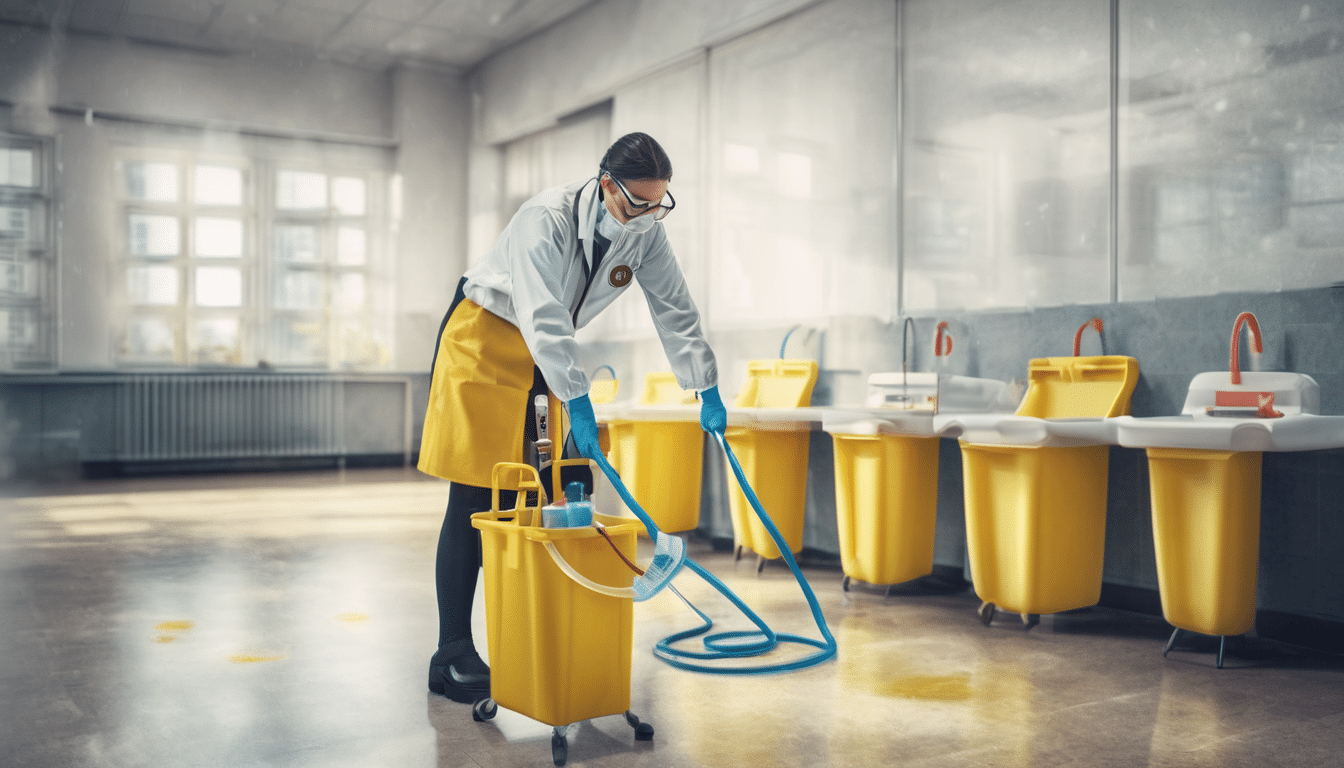
Disinfection Strategies For Educational Institutions
Disinfection Strategies for Educational Institutions During – Cost Considerations for Disinfection
When implementing disinfection strategies, financial considerations are crucial. This section outlines the factors affecting costs and provides a pricing guide to help institutions budget effectively. This relates directly to Disinfection Strategies For Educational Institutions During.
Factors Influencing Costs
- Disinfectant Types: Different disinfectants have varying prices, with more effective or specialized solutions often being more expensive.
- Dilution and Application: The concentration of the solution and application methods (spray, wipe, fogging) can impact costs.
- Frequency of Disinfection: Regular disinfection requires ongoing expenses for products and labor.
- Training Staff: Training personnel in proper disinfection techniques may require additional budget allocation.
Pricing Guide for Disinfection Strategies
Here is a breakdown of the cost ranges for common disinfection strategies used in educational institutions during outbreaks:
| Disinfectant Type | Pricing Range (AED) |
|---|---|
| Bleach Solutions | AED 10 – AED 30 per liter |
| Quaternary Ammonium Compounds (QACs) | AED 25 – AED 60 per liter |
| Alcohol-Based Solutions | AED 30 – AED 70 per liter |
| Hydrogen Peroxide | AED 40 – AED 120 per liter |
| Thermal Disinfection Systems (Fogging) | AED 5,000 – AED 20,000 for equipment and chemicals |
Best Practices for Disinfectants and Chemical Solutions
Using the right disinfectants is essential to effectively combat pathogens. This section discusses best practices for selecting and using chemical solutions.
Selecting the Right Disinfectant
- Effective Against Target Pathogens: Ensure the disinfectant is effective against the specific pathogens present in your environment.
- Killing Time: Look for products with a short killing time to minimize downtime and disruption.
- Safety Profile: Choose products that are safe for use around students and staff, especially those with allergies or sensitivities.
Proper Application
- Concentration: Follow the manufacturer’s instructions to ensure the correct concentration of the solution.
- Application Methods: Use appropriate application methods, such as sprays, wipes, or fogging, depending on the surface type and disinfectant properties.
Frequently Used Disinfectants and Their Applications
Understanding which disinfectants are most effective for different surfaces can help you choose the right products. This section covers some of the commonly used solutions.
Bleach Solutions
- Applications: Effective against a wide range of pathogens, including viruses and bacteria.
- Precautions: Use with caution as it can be harsh on some surfaces and may cause skin irritation if not used properly.
Alcohol-Based Solutions
- Applications: Excellent for quick surface disinfection, especially in areas with frequent touchpoints like door handles and desks.
- Precautions: Ensure adequate ventilation when using alcohol-based products to avoid inhalation of fumes.
Surface Preparation and Monitoring
Proper surface preparation is essential for effective disinfection. This section outlines the steps required to prepare surfaces before applying disinfectants and monitoring their effectiveness.
Preparing Surfaces for Disinfection
- Cleaning: Ensure all visible dirt, dust, and debris are removed from the surface to allow the disinfectant to work effectively.
- Drying: Allow surfaces to dry completely before applying any disinfectants. Moisture can reduce their effectiveness.
Monitoring Disinfection Effectiveness
- Testing Kits: Use test kits or swab samples sent to laboratories for verification of surface cleanliness and disinfection success.
- Data Logging: Keep records of disinfection dates, areas treated, and results to ensure compliance with health standards.
Training Staff on Proper Disinfection Methods
To ensure consistent application of disinfection strategies, training is essential. This section outlines the key steps in staff training and ongoing education.
Initial Training
- Disinfectant Knowledge: Educate staff on the properties and applications of different disinfectants used in your institution.
- Proper Application Techniques: Demonstrate correct application methods, including concentration ratios and dwell times.
Ongoing Education
- Regular Training Sessions: Schedule regular training sessions to review best practices and address any new challenges or regulations.
- Feedback Mechanisms: Implement feedback mechanisms to ensure staff feel comfortable asking questions and reporting issues related to disinfection.
Expert Tips for Disinfecting Educational Institutions During Outbreaks
Here are some expert tips from industry professionals on enhancing your institution’s disinfection strategies during outbreaks:
- Use a Combination of Methods: Employ a combination of surface cleaning, fogging, and alcohol-based sprays for comprehensive coverage.
- Incorporate UV-C Light: Utilize UV-C light technology to disinfect hard-to-reach areas and surfaces that are difficult to clean manually.
- Maintain Hygiene Practices: Educate staff and students on proper hygiene practices, including frequent handwashing and the use of sanitizers.
- Regular Monitoring: Conduct regular monitoring of key areas to ensure ongoing effectiveness and adjust strategies as needed.
FAQ: Disinfection Strategies for Educational Institutions During Outbreaks
Here are answers to some frequently asked questions about implementing effective disinfection strategies during outbreaks:
- Q1: How often should we disinfect surfaces?
- Disinfect high-touch surfaces multiple times a day, especially in shared spaces like classrooms and common areas.
Q2: Can I use natural products for disinfection?
Natural products can be effective but may not always meet the same standards as commercial disinfectants. Ensure they are tested and proven to work against target pathogens.
Q3: What about air purification systems?
Air purification systems can help reduce airborne contaminants, but they should be part of a broader strategy that includes surface disinfection.
Conclusion: Key Takeaways on Disinfection Strategies for Educational Institutions During Outbreaks
Implementing effective disinfection strategies is crucial in maintaining a healthy learning environment during outbreaks. By understanding the best practices, costs, and training requirements, you can create a comprehensive plan that keeps your institution safe. Understanding Disinfection Strategies For Educational Institutions During is key to success in this area.

JV de Castro, IAC2
JV de Castro is the Chief Technology Officer at Saniservice, where he leads innovation in indoor environmental sciences, IT infrastructure, and digital transformation. With over 20 years of experience spanning architecture, building science, technology management, digital media architecture, and consultancy, he has helped organizations optimize operations through smart solutions and forward-thinking strategies. JV holds a Degree in Architecture, a Masters of Research in Anthropology, an MBA in Digital Communication & Media, along with certifications in mold, building sciences and advanced networking. Passionate about combining technology, health, and sustainability, he continues to drive initiatives that bridge science, IT, and business impact.