Air Quality Testing Methods for UAE Residences Guide
In Dubai’s unique desert climate, where residents spend up to 90% of their time indoors with air conditioning running continuously, understanding Air Quality Testing methods for UAE residences becomes critical for maintaining health and wellbeing. The combination of extreme outdoor temperatures, high humidity levels in coastal areas, and rapid construction practices creates unique indoor environmental challenges that require specialised testing approaches. From hidden mold growth in wall cavities to volatile organic compounds off-gassing from new building materials, the air quality issues facing UAE homeowners demand sophisticated testing methodologies.
Having established Dubai’s only indoor environmental microbiology laboratory at Saniservice, I’ve developed comprehensive air quality testing methods for UAE residences that combine architectural analysis with scientific measurement. These protocols address the specific challenges of desert climate living, where temperature differentials between air-conditioned interiors and scorching exteriors create condensation issues, and where tightly sealed buildings can trap pollutants indefinitely. The right air quality testing methods for UAE residences must account for these regional factors to provide accurate, actionable results.
This guide covers professional air quality testing methods for UAE residences that we’ve refined through thousands of investigations across Dubai, Abu Dhabi, and the broader Emirates. You’ll learn which parameters matter most in our climate, how to interpret results, and when professional testing becomes essential rather than optional for protecting your family’s health.
Understanding Air Quality Testing Methods for UAE Residences
Professional air quality testing methods for UAE residences differ significantly from generic approaches used in temperate climates. The extreme temperature differentials between air-conditioned interiors and outdoor environments reaching 50°C create unique condensation patterns that drive mold growth in unexpected locations. Our testing protocols at Saniservice’s Indoor Sciences division specifically target these climate-induced problems through strategic placement of monitoring equipment and specialised analysis techniques.
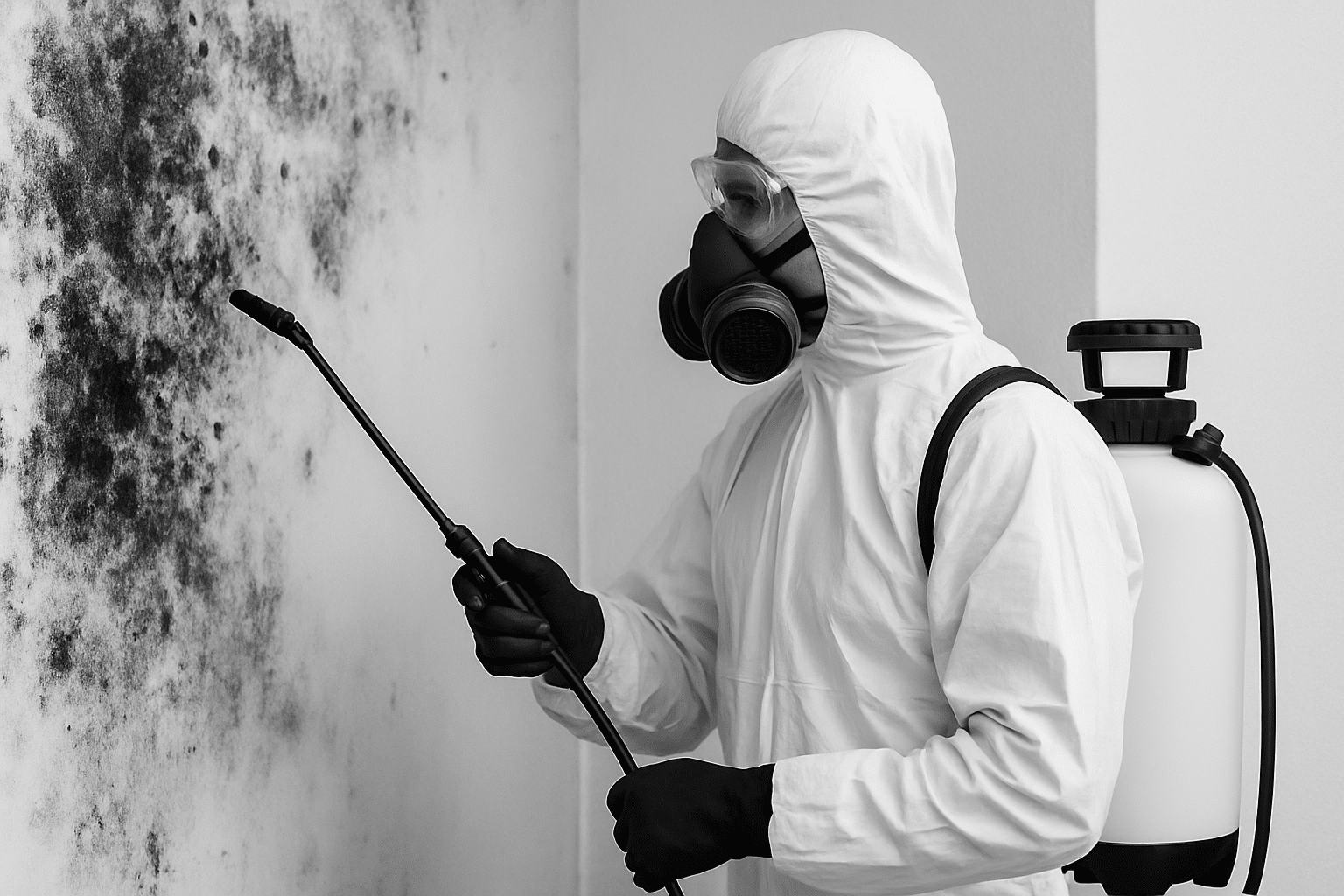
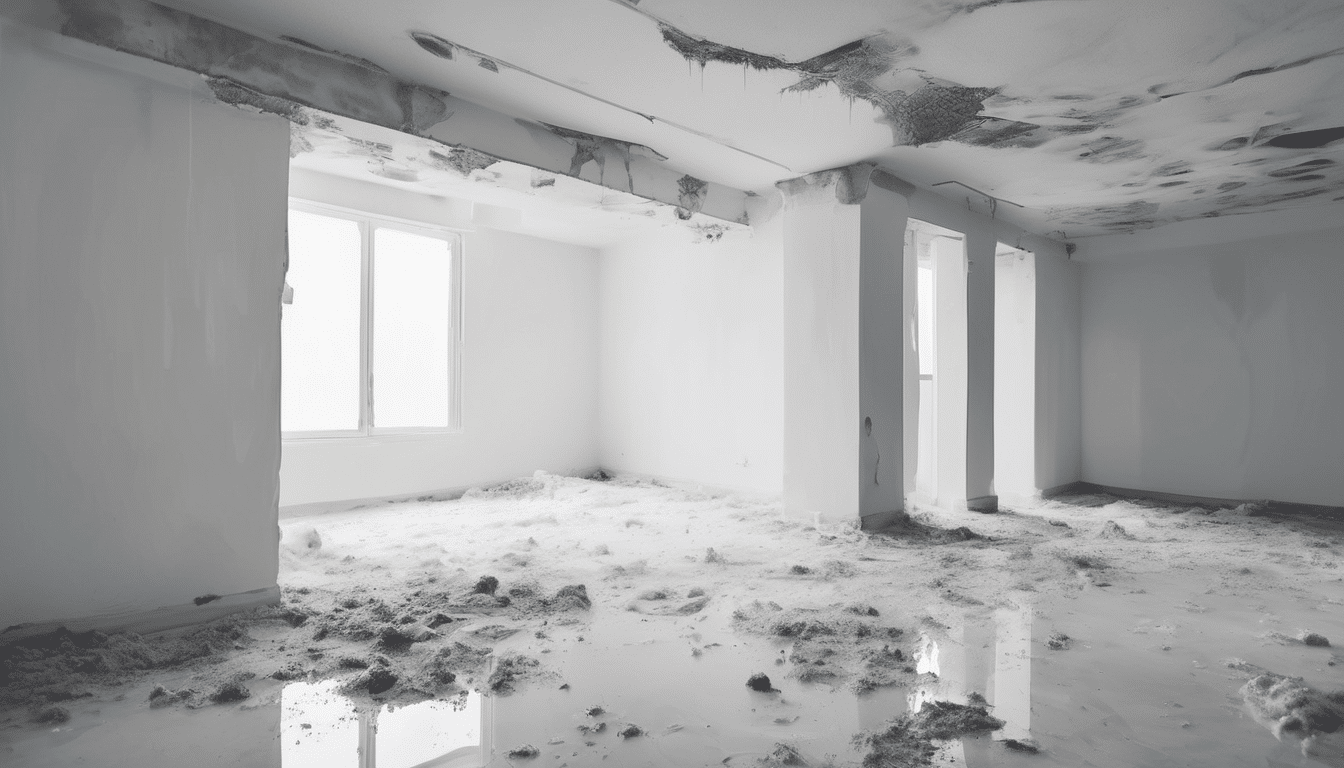
The most effective air quality testing methods for UAE residences begin with comprehensive visual inspection combined with thermal imaging to identify hidden moisture issues. We’ve found that approximately 70% of indoor air quality problems in Dubai properties stem from concealed condensation rather than visible water damage. This requires infrared cameras to detect thermal bridges where cold surfaces meet warm, humid air—conditions perfect for microbial growth behind walls, under floors, and within ceiling cavities.
Climate-Specific Testing Considerations
Dubai’s climate demands testing protocols that account for high particulate matter from desert dust, elevated formaldehyde levels from new construction materials, and biological contaminants thriving in AC systems. Our air quality testing methods for UAE residences include continuous monitoring over 24-48 hour periods to capture daily cycles of AC operation, occupancy patterns, and temperature fluctuations that affect pollutant levels.
Air Quality Testing Methods For Uae Residences – Essential Air Quality Parameters for Dubai Homes
When implementing air quality testing methods for UAE residences, certain parameters take priority due to regional environmental factors. Particulate matter (PM2.5 and PM10) requires rigorous testing because desert dust penetrates even well-sealed buildings, carrying minerals and potential allergens into living spaces. Our testing consistently shows PM2.5 levels 3-5 times higher indoors during sandstorm events, with particles small enough to penetrate deep into respiratory systems.
Volatile organic compounds represent another critical parameter in air quality testing methods for UAE residences. The rapid construction pace in Dubai means many residents occupy newly built or renovated properties where building materials, paints, adhesives, and furnishings off-gas formaldehyde, benzene, and other VOCs at elevated rates. We measure these compounds using photoionization detectors and laboratory analysis of air samples collected in specially prepared canisters.
Biological Contaminants Testing
Mold spore counts and identification form the third essential component of comprehensive air quality testing methods for UAE residences. Unlike temperate climates where mold follows visible water damage, in Dubai we find hidden growth driven by condensation on cold surfaces—behind furniture against exterior walls, inside AC units, and within wall cavities where thermal bridging occurs. Our microbiology lab analyses air and surface samples to identify species and concentrations.
Professional vs DIY Testing Methods
Homeowners often ask whether DIY kits constitute valid air quality testing methods for UAE residences. While consumer-grade devices can provide basic particulate matter readings, they lack the precision and comprehensiveness needed for accurate assessment in Dubai’s challenging environment. Professional air quality testing methods for UAE residences involve calibrated equipment, controlled sampling protocols, and laboratory analysis that DIY alternatives cannot match.
The limitation of consumer devices becomes particularly apparent when testing for biological contaminants. DIY mold test plates exposed to air provide meaningless results without controlled airflow rates, known sampling volumes, and laboratory analysis to identify species. Professional air quality testing methods for UAE residences use calibrated pumps drawing precise air volumes through spore traps that capture particles for microscopic examination and quantification.
When Professional Testing Becomes Essential
Professional air quality testing methods for UAE residences become essential when occupants experience unexplained health symptoms, after water damage events, before purchasing properties, or when musty odours persist despite cleaning. The investment in professional assessment—typically ranging from AED 1,500 to AED 4,000 depending on property size and testing scope—provides definitive answers rather than guesses about indoor environmental quality.
Advanced Testing Technologies and Equipment
Modern air quality testing methods for UAE residences incorporate sophisticated technologies that go beyond basic measurement devices. Laser particle counters provide real-time PM2.5 and PM10 readings with size distribution data, helping identify whether particulate matter originates from outdoor dust or indoor sources like cooking, smoking, or deteriorating materials. These instruments form the foundation of our initial assessment protocols.
Photoionization detectors (PIDs) represent another advanced tool in professional air quality testing methods for UAE residences. These instruments detect volatile organic compounds at parts-per-billion levels, allowing us to identify specific contamination sources and measure effectiveness of remediation efforts. Combined with thermal imaging cameras that reveal hidden moisture and temperature differentials, these technologies provide a comprehensive picture of indoor environmental conditions.
Laboratory Analysis Components
The most sophisticated air quality testing methods for UAE residences include laboratory analysis of collected samples. Air samples undergo microscopic examination for mold spore identification and quantification, while canister samples get analysed using gas chromatography-mass spectrometry for VOC identification. Surface swabs provide DNA analysis for specific mold species and bacterial contamination, completing the diagnostic picture.
Interpreting Air Quality Test Results
Proper interpretation separates professional air quality testing methods for UAE residences from simple data collection. Results must be contextualised against Dubai’s unique environmental conditions, building standards, and occupancy patterns. For example, particulate matter readings that would be concerning in European climates might represent normal background levels during summer months in the UAE when dust storms frequently occur.
Understanding baseline conditions is crucial when implementing air quality testing methods for UAE residences. We establish expected ranges for various parameters based on property location, age, construction type, and HVAC system characteristics. Results showing VOC levels 50% above baseline trigger investigation into specific sources, while mold spore counts exceeding outdoor levels by factor of three indicate active indoor growth requiring remediation.
Action Thresholds for UAE Conditions
Through thousands of investigations, we’ve established action thresholds specific to air quality testing methods for UAE residences. Formaldehyde levels above 0.05 ppm warrant source identification and removal, while total VOC concentrations exceeding 0.5 mg/m³ indicate inadequate ventilation or material off-gassing issues. Mold spore counts showing dominant indoor species not matching outdoor profiles signal hidden growth problems.
Cost Analysis of Air Quality Testing Methods
Understanding the investment required for proper air quality testing methods for UAE residences helps homeowners make informed decisions. Basic DIY devices start around AED 300-500 but provide limited data points. Professional comprehensive assessment typically ranges from AED 1,500 for studio apartments to AED 4,000 for large villas, including visual inspection, thermal imaging, multipoint air sampling, and laboratory analysis.
The value proposition of professional air quality testing methods for UAE residences becomes clear when considering health implications and potential remediation costs. Identifying a hidden mold problem early through proper testing might prevent AED 15,000-30,000 in structural repairs later. Discovering elevated VOC levels from new furniture could prevent chronic health issues that far outweigh the testing investment of AED 2,000-3,000.
Cost vs Benefit Analysis
When evaluating air quality testing methods for UAE residences, consider that professional assessment provides definitive answers rather than approximations. The cost includes expert interpretation, actionable recommendations, and often post-remediation verification testing to confirm problem resolution. This comprehensive approach ultimately saves money by addressing root causes rather than treating symptoms repeatedly.
Implementing Air Quality Testing Methods for UAE Residences
Successful implementation of air quality testing methods for UAE residences requires strategic planning and proper execution. Testing should occur during normal occupancy conditions with HVAC systems operating as typically used. Windows and doors should remain closed for at least 12 hours before testing to establish realistic baseline conditions rather than artificially diluted readings from recent ventilation.
Sampling locations for effective air quality testing methods for UAE residences should include multiple points throughout the property—living areas, bedrooms, kitchens, and any spaces where occupants report symptoms or odours. Outdoor control samples provide essential comparison data to distinguish between infiltrated outdoor pollutants and internally generated contaminants. This comparative approach forms the foundation of proper interpretation.
Timing and Frequency Considerations
The timing of air quality testing methods for UAE residences significantly affects results. Testing during summer months when AC systems run continuously often reveals different patterns than winter assessments when windows might be open. For comprehensive understanding, we recommend initial assessment followed by seasonal monitoring to capture variations throughout the year, particularly in properties with persistent issues.
Expert Tips for Effective Air Quality Testing
Based on twelve years conducting air quality testing methods for UAE residences, I’ve developed several expert recommendations for homeowners. First, always test multiple parameters simultaneously—focusing solely on particulate matter while ignoring VOCs or biological contaminants provides an incomplete picture. Comprehensive assessment delivers the most value for investment.
Second, document conditions thoroughly before testing. Note recent activities (cleaning, painting, renovations), HVAC settings, window positions, and occupant observations. This contextual information proves invaluable when interpreting results days or weeks later. Third, invest in professional calibration and maintenance of testing equipment—inaccurate devices provide misleading data that can lead to wrong conclusions and unnecessary expenses.
Fourth, consider hidden spaces in your air quality testing methods for UAE residences. Wall cavities, ceiling voids, underfloor areas, and inside AC units often harbor contamination that doesn’t appear in room air samples. Fifth, establish baseline measurements before implementing remediation efforts, then conduct post-remediation verification to confirm effectiveness rather than assuming problems are resolved.
Sixth, integrate air quality testing with building science assessment. Understanding thermal bridges, ventilation rates, and moisture dynamics helps explain why contaminants exist where they do. Seventh, prioritize health-related parameters over comfort metrics—particulate matter and formaldehyde affect wellbeing more directly than slightly elevated CO2 levels. Finally, maintain records for comparison over time, as trending data reveals more than single-point measurements.
Frequently Asked Questions
How often should I conduct air quality testing in my Dubai residence?
We recommend initial baseline testing upon moving into any property, followed by annual assessments for general monitoring. Immediately test after any water damage, renovation projects, or if occupants develop unexplained respiratory symptoms. Seasonal testing (summer vs winter) provides valuable comparative data in Dubai’s climate.
Can I rely on smartphone air quality apps for accurate testing?
Mobile applications connected to low-cost sensors provide general awareness but lack the accuracy and comprehensiveness of professional air quality testing methods for UAE residences. Use them for trend monitoring between professional assessments, but not for diagnostic purposes or health-related decisions.
What’s the most common air quality issue you find in UAE homes?
Hidden mold growth caused by condensation on cold surfaces represents our most frequent finding. The extreme temperature differential between air-conditioned interiors and hot exterior walls creates perfect conditions for microbial growth in wall cavities, behind furniture, and within HVAC systems—often completely invisible to residents.
How long does professional air quality testing take?
A comprehensive assessment typically requires 2-4 hours on-site for sampling and inspection, followed by 3-5 days for laboratory analysis. We provide detailed reports within one week of the site visit, including interpretation of results and specific recommendations for improvement.
Will testing disrupt my daily routine?
Professional air quality testing methods for UAE residences require minimal disruption. We work around your schedule, needing only access to all rooms and control of HVAC settings during the assessment period. Most residents continue normal activities during testing with little inconvenience.
Conclusion
Implementing proper air quality testing methods for UAE residences provides essential insights into the invisible environmental factors affecting health and comfort in Dubai’s unique climate. From particulate matter filtration to VOC source identification and hidden mold detection, comprehensive assessment forms the foundation of effective indoor environmental management. The combination of professional equipment, scientific protocols, and expert interpretation delivers actionable data that DIY approaches cannot match.
As Dubai continues to develop rapidly and residents spend increasing time indoors, understanding and monitoring air quality becomes not just advisable but essential for maintaining wellbeing. The investment in professional air quality testing methods for UAE residences pays dividends through improved health, better sleep, enhanced productivity, and prevention of larger remediation costs down the line. Remember that in our desert environment, what you can’t see in your air can indeed affect you—making proper testing not a luxury but a necessity for conscious living.

JV de Castro, IAC2
JV de Castro is the Chief Technology Officer at Saniservice, where he leads innovation in indoor environmental sciences, IT infrastructure, and digital transformation. With over 20 years of experience spanning architecture, building science, technology management, digital media architecture, and consultancy, he has helped organizations optimize operations through smart solutions and forward-thinking strategies. JV holds a Degree in Architecture, a Masters of Research in Anthropology, an MBA in Digital Communication & Media, along with certifications in mold, building sciences and advanced networking. Passionate about combining technology, health, and sustainability, he continues to drive initiatives that bridge science, IT, and business impact.