Air Quality Testing After Renovation Dubai Homes Guide
Understanding Air Quality Testing After Renovation Dubai Homes is essential. Renovating your Dubai home brings excitement and transformation, but it also introduces hidden health risks that many homeowners overlook. The paints, adhesives, building materials, and construction processes used during renovation release numerous contaminants that can compromise your indoor air quality for months afterwards. In Dubai’s climate, where homes remain sealed against the heat with continuous air conditioning, these pollutants become trapped and concentrated, creating potential health hazards for your family.
Air quality testing after renovation Dubai homes is not just a precaution—it’s an essential step in protecting your family’s health. From volatile organic compounds (VOCs) off-gassing from new furniture and paints to fine dust particles from sanding and demolition, the invisible aftermath of renovation requires professional assessment and remediation. Having conducted hundreds of post-renovation assessments across Dubai villas and apartments, I’ve seen how proper air quality testing transforms potentially hazardous spaces into truly healthy homes.
This comprehensive guide will walk you through everything you need to know about air quality testing after renovation Dubai homes, including why it’s particularly important in the UAE climate, what specific contaminants to test for, when to schedule testing, and how to interpret results. Whether you’ve just completed a minor kitchen update or a full villa transformation, understanding post-renovation air quality is crucial for your family’s wellbeing.
Air Quality Testing After Renovation Dubai Homes – Why Dubai Renovations Need Specialised Air Testing
Air quality testing after renovation Dubai homes requires special consideration due to our unique climate and building practices. Dubai’s extreme heat means homes remain tightly sealed with air conditioning running continuously throughout the year. This closed environment causes pollutants to accumulate rather than dissipate, creating concentrations that can be 2-5 times higher than in naturally ventilated homes in temperate climates.
The construction materials commonly used in Dubai renovations also contribute to unique air quality challenges. Many imported building products, furniture, and finishes contain formaldehyde and other VOCs that off-gas more rapidly in our high temperatures. The marble and stonework common in Emirati homes generates significant silica dust during cutting and installation, while the extensive use of synthetic materials in modern interiors introduces numerous chemical compounds into your indoor environment.
Having conducted air quality testing after renovation Dubai homes across numerous communities from Emirates Hills to Downtown Dubai, I’ve consistently found that the combination of sealed environments, high temperatures, and specific construction materials creates a perfect storm for indoor air pollution. Without proper air quality testing after renovation, Dubai homeowners may unknowingly expose their families to respiratory irritants, carcinogens, and other health-compromising contaminants.
Air Quality Testing After Renovation Dubai Homes – 7 Key Contaminants in Post-Renovation Dubai Homes
Professional air quality testing after renovation Dubai homes focuses on seven primary contaminant categories that commonly emerge from construction activities. Understanding what to test for helps ensure comprehensive assessment and effective remediation.
Volatile Organic Compounds (VOCs)
VOCs represent the most significant concern in post-renovation environments. These chemicals evaporate from paints, varnishes, adhesives, sealants, and new furniture. In Dubai homes, we frequently measure VOC levels 10-20 times above safe limits immediately after renovation. Common VOCs include formaldehyde, benzene, toluene, and xylene, which can cause headaches, respiratory irritation, and long-term health effects.
Formaldehyde Specifically
Formaldehyde deserves special attention in air quality testing after renovation Dubai homes because it’s present in numerous building materials including MDF furniture, laminate flooring, and certain insulation products. Dubai’s heat accelerates formaldehyde off-gassing, making concentrations particularly problematic. This known carcinogen requires specific testing protocols beyond general VOC assessment.
Particulate Matter (PM2.5 and PM10)
Construction generates enormous amounts of fine dust that penetrates deep into lungs and circulatory systems. Drywall sanding, tile cutting, and woodworking create particles that remain airborne for days and settle in HVAC systems. Our air quality testing after renovation Dubai homes consistently finds elevated particulate levels that require targeted filtration solutions.
Microbial Contaminants
Renovation often disturbs hidden moisture issues and mold colonies behind walls or under floors. The increased humidity from construction activities (painting, plastering) can also trigger new mold growth if not properly managed. Air quality testing after renovation should include spore trap analysis to identify these biological hazards.
Air Quality Testing After Renovation Dubai Homes – Optimal Testing Timeline After Renovation Completion
Timing is crucial for effective air quality testing after renovation Dubai homes. Testing too early gives misleading results, while waiting too long prolongs exposure to potentially harmful contaminants. Based on extensive field experience, I recommend this testing schedule for Dubai renovations.
The initial air quality testing after renovation Dubai homes should occur 3-5 days after construction completion and thorough cleaning. This allows time for the most volatile compounds to off-gas while still capturing the peak contamination period. We conduct comprehensive testing that includes VOC monitoring, particulate counting, formaldehyde-specific assessment, and microbial screening to establish baseline contamination levels.
Follow-up air quality testing after renovation Dubai homes should occur 2-3 weeks later to monitor reduction rates and verify the effectiveness of any remediation measures. For extensive renovations involving multiple rooms or whole villas, we recommend a third round of testing at the 6-8 week mark to ensure all contaminants have returned to safe levels before considering the space fully habitable.
Professional vs DIY Air Quality Testing Options
When considering air quality testing after renovation Dubai homes, homeowners face the choice between professional assessment and DIY test kits. While consumer-grade devices provide some basic information, they lack the accuracy, comprehensiveness, and interpretive expertise of professional services.
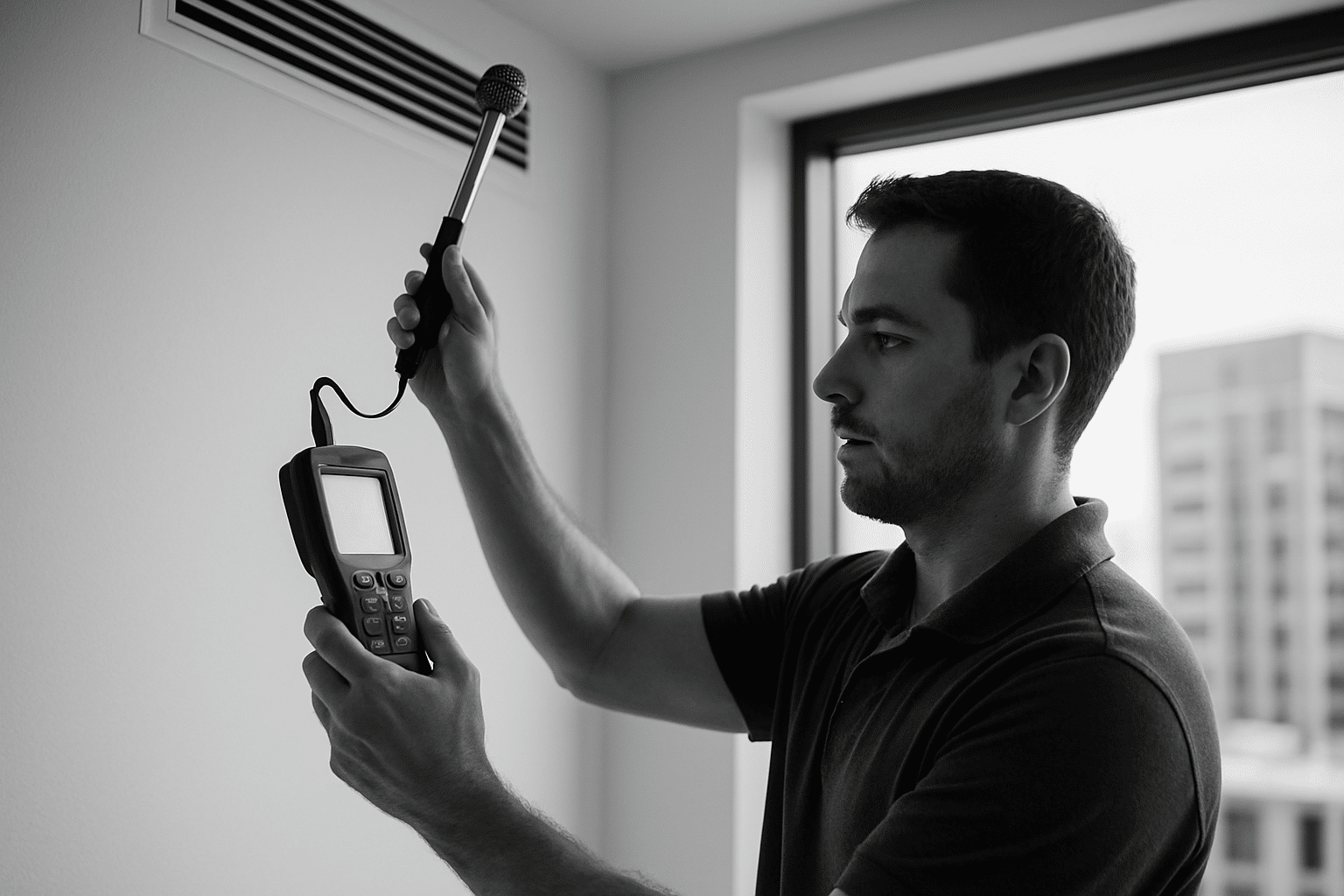
Professional air quality testing after renovation Dubai homes involves calibrated equipment that measures specific contaminant concentrations with laboratory-level accuracy. Our technicians use photoionization detectors for VOC assessment, laser particle counters for particulate measurement, and specialized formaldehyde monitors that provide precise readings rather than general indicators. This equipment costs thousands of AED and requires regular calibration, making professional testing the only option for reliable results.
Perhaps more importantly, professional air quality testing after renovation Dubai homes includes expert interpretation of results and specific remediation recommendations. Without context, raw data about VOC levels or particle counts provides limited value. Our team analyzes results against UAE standards and international guidelines, identifies specific contamination sources, and provides targeted solutions rather than general advice.
How to Interpret Your Air Quality Test Results
Understanding the results of your air quality testing after renovation Dubai homes requires knowledge of local standards and health guidelines. While international organizations like WHO provide general exposure limits, Dubai’s unique environment demands context-specific interpretation.
For VOC assessment in air quality testing after renovation Dubai homes, we compare results against both short-term and long-term exposure limits. Immediate post-renovation levels will understandably exceed long-term guidelines, but should fall within acceptable short-term exposure ranges. We look for specific VOC profiles that indicate particular sources—elevated toluene suggests paint emissions, while high formaldehyde levels indicate furniture or cabinetry off-gassing.
Particulate matter results from air quality testing after renovation Dubai homes require different interpretation. While outdoor Dubai often experiences high PM2.5 levels from desert dust, indoor levels should be significantly lower thanks to filtration. Post-renovation, we expect some elevation but look for trends toward improvement between testing rounds. Persistent high particulate levels indicate inadequate cleaning or HVAC system contamination requiring professional duct cleaning.
Effective Remediation Strategies for Dubai Homes
Based on countless air quality testing after renovation Dubai homes assessments, we’ve developed proven remediation strategies tailored to our climate and building styles. The most effective approach combines ventilation, filtration, and targeted treatment.
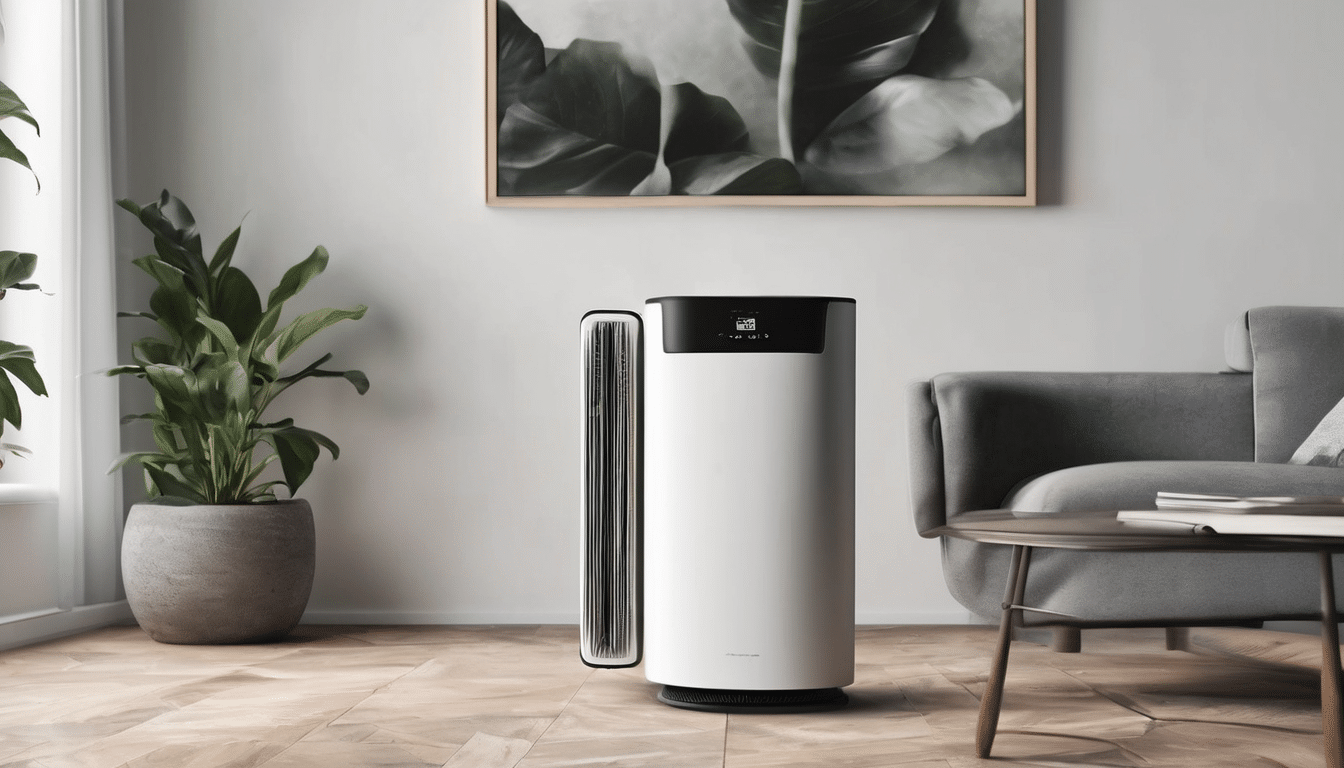
Enhanced ventilation represents the first line of defense after air quality testing identifies contamination. While opening windows seems logical, Dubai’s heat and humidity often make this impractical. Instead, we recommend strategic ventilation during cooler evening hours combined with professional-grade air purifiers featuring activated carbon filters for VOC removal and HEPA filters for particulate capture. These systems should run continuously for several weeks post-renovation.
For specific contaminants identified through air quality testing after renovation Dubai homes, targeted treatments prove most effective. Formaldehyde-absorbing paints and coatings can be applied to new furniture and cabinetry. Antimicrobial treatments address mold issues discovered during testing. HVAC system cleaning and filter upgrades ensure contaminated air doesn’t continue circulating throughout your home. Each remediation strategy should be guided by your specific test results rather than general assumptions.
Air Quality Testing Cost Breakdown for Dubai Homes
Understanding the investment required for professional air quality testing after renovation Dubai homes helps homeowners budget appropriately for this essential service. Costs vary based on property size, testing comprehensiveness, and number of follow-up visits required.
Basic air quality testing after renovation Dubai homes for a single room or small apartment typically ranges from AED 1,200 to AED 1,800. This includes VOC assessment, particulate monitoring, and a basic report. Comprehensive whole-villa testing with multiple sampling locations, formaldehyde-specific analysis, and microbial assessment typically costs between AED 2,500 and AED 4,000 depending on villa size and complexity.
Follow-up air quality testing after renovation Dubai homes to verify remediation effectiveness typically costs 30-40% less than initial testing since baseline data already exists. Many homeowners choose package deals that include initial assessment, remediation recommendations, and two follow-up tests for comprehensive monitoring throughout the post-renovation period. These packages typically range from AED 3,500 to AED 6,000 depending on property size and specific concerns identified.
Expert Tips for Healthier Post-Renovation Air Quality
Based on twelve years of conducting air quality testing after renovation Dubai homes, I’ve compiled these essential tips for maintaining healthier indoor environments during and after construction projects.
- Schedule strategically: Plan renovations during cooler months when windows can be opened for ventilation without overwhelming your AC system
- Choose materials wisely: Select low-VOC paints, formaldehyde-free furniture, and natural materials that emit fewer contaminants
- Contain the work area</strong: Use plastic sheeting and negative air pressure to prevent contamination spread to unaffected areas
- Clean thoroughly: Professional deep cleaning including HVAC duct cleaning should occur before final air quality testing
- Purify continuously: Run high-quality air purifiers with both HEPA and activated carbon filters for several weeks post-renovation
- Test comprehensively: Don’t settle for basic VOC tests—include formaldehyde, particulates, and microbial assessment
- Monitor progress: Schedule follow-up testing to ensure contamination levels continue decreasing appropriately
Frequently Asked Questions
How soon after renovation can we safely occupy our Dubai home?
Occupancy timing depends entirely on your air quality testing results. While some spaces may be safe within days, others require weeks of remediation. Never assume safety based on time alone—always verify through professional testing.
Can air purifiers eliminate all post-renovation contaminants?
Quality air purifiers significantly reduce airborne contaminants but cannot address source emissions from materials themselves. Purifiers work best alongside source control strategies and proper ventilation.
How long do renovation-related VOCs typically persist?
Most VOCs off-gas significantly within 2-4 weeks, but some materials continue emitting at lower levels for months. Formaldehyde from pressed wood products can persist for years without intervention.
Should we test before renovation for comparison?
Pre-renovation testing provides valuable baseline data but isn’t essential. Professional post-renovation testing compares results against established health standards rather than pre-renovation conditions.
Are children more vulnerable to post-renovation air quality issues?
Yes, children’s developing respiratory systems and higher breathing rates make them particularly vulnerable to construction-related contaminants. Extra caution and comprehensive testing are essential in homes with children.
Air quality testing after renovation Dubai homes represents one of the most important investments you can make in your family’s health and wellbeing. While the visible transformation of your space captures attention, the invisible air quality changes determine whether your newly renovated home truly supports health or introduces new risks. By following professional testing protocols, implementing targeted remediation strategies, and verifying results through follow-up assessment, you can ensure your renovation delivers both beauty and safety.
Having conducted air quality testing after renovation Dubai homes across every major community from Palm Jumeirah to Arabian Ranches, I’ve seen how proper assessment transforms potentially hazardous environments into truly healthy living spaces. Don’t leave your family’s health to chance—invest in professional air quality testing to ensure your renovation delivers only positive transformations.

JV de Castro, IAC2
JV de Castro is the Chief Technology Officer at Saniservice, where he leads innovation in indoor environmental sciences, IT infrastructure, and digital transformation. With over 20 years of experience spanning architecture, building science, technology management, digital media architecture, and consultancy, he has helped organizations optimize operations through smart solutions and forward-thinking strategies. JV holds a Degree in Architecture, a Masters of Research in Anthropology, an MBA in Digital Communication & Media, along with certifications in mold, building sciences and advanced networking. Passionate about combining technology, health, and sustainability, he continues to drive initiatives that bridge science, IT, and business impact.