Common Indoor Air Pollutants in UAE Schools Health Risks
Across the United Arab Emirates, thousands of children spend their school days in environments where invisible threats may compromise their health and academic performance. Common indoor air pollutants in UAE schools represent a significant public health concern that demands immediate attention from educators, administrators, and parents alike. The unique climate conditions, rapid construction timelines, and heavy reliance on air conditioning systems create specific challenges for maintaining healthy indoor environments in Dubai schools and throughout the Emirates.
Our extensive experience conducting indoor air quality assessments in educational facilities across Dubai, Abu Dhabi, and Sharjah has revealed consistent patterns of contamination that affect student wellbeing. From microbial growth in poorly maintained HVAC systems to chemical off-gassing from new construction materials, common indoor air pollutants in UAE schools present complex challenges that require scientific understanding and systematic solutions. This comprehensive examination draws on our decade of field research and laboratory analysis to provide actionable insights for addressing these critical issues.
The health implications of common indoor air pollutants in UAE schools extend beyond temporary discomfort to potentially serious long-term consequences. Children are particularly vulnerable to environmental contaminants due to their developing respiratory systems, higher breathing rates relative to body size, and prolonged exposure during school hours. Understanding these common indoor air pollutants in UAE schools is the first step toward creating safer learning environments that support rather than hinder child development.
Understanding Common Indoor Air Pollutants in UAE Schools
Common indoor air pollutants in UAE schools encompass a range of biological, chemical, and particulate contaminants that accumulate in classroom environments. The combination of high occupant density, extended occupancy hours, and specific regional factors creates unique pollution profiles that differ significantly from residential or office environments. Through our comprehensive air quality testing in Dubai educational facilities, we’ve identified several categories of common indoor air pollutants in UAE schools that consistently appear across different types of institutions.
The primary categories of common indoor air pollutants in UAE schools include microbial contaminants like mold and bacteria, chemical compounds such as volatile organic compounds (VOCs) and formaldehyde, particulate matter including dust and allergens, and elevated carbon dioxide levels from inadequate ventilation. Each category presents distinct challenges and requires specific intervention strategies. Understanding these common indoor air pollutants in UAE schools begins with recognizing that they often occur in combination rather than isolation, creating synergistic effects that amplify health impacts.
Our laboratory analysis of air samples from classrooms across the Emirates reveals that common indoor air pollutants in UAE schools frequently exceed international guidelines for acceptable indoor air quality. The confined nature of classroom spaces, combined with the high density of occupants sharing limited air volume, creates conditions where contaminants concentrate to levels that would be unacceptable in other environments. This makes addressing common indoor air pollutants in UAE schools particularly urgent from both health and educational perspectives.
Common Indoor Air Pollutants In Uae Schools – Biological Contaminants: Mold and Bacteria in Dubai Classroo
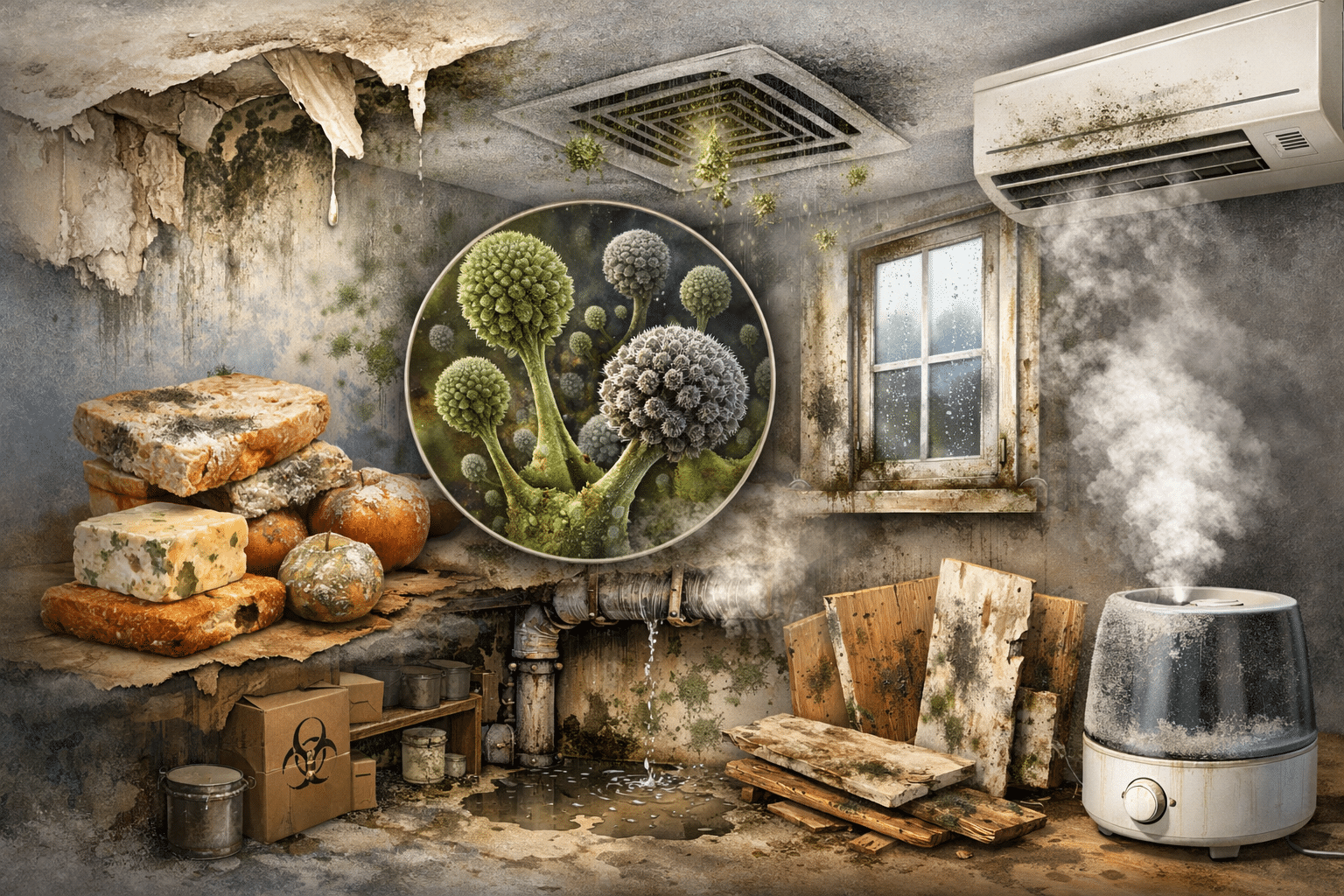
Biological contaminants represent some of the most concerning common indoor air pollutants in UAE schools, particularly mold spores and bacteria that thrive in the region’s climate conditions. Our microbiological analysis of Dubai school environments consistently detects elevated levels of Aspergillus, Penicillium, and Cladosporium species—molds that can trigger allergic reactions, asthma attacks, and respiratory distress in sensitive individuals. These common indoor air pollutants in UAE schools often originate from hidden moisture sources within building structures.
The heavy reliance on air conditioning systems throughout the academic year creates ideal conditions for microbial growth within HVAC systems. Condensate drain pans, cooling coils, and ductwork often harbor microbial colonies that become aerosolized and distributed throughout classrooms. Our inspections frequently discover that common indoor air pollutants in UAE schools include bacterial contaminants like Legionella and Staphylococcus species breeding in poorly maintained water systems or contaminated surfaces.
Moisture Sources and Microbial Amplification
Identifying moisture intrusion points is critical for addressing biological common indoor air pollutants in UAE schools. Leaking pipes, condensation on cold surfaces, and water damage from roof leaks provide the moisture necessary for microbial growth. Our thermal imaging assessments often reveal hidden moisture problems behind walls or above ceiling tiles that school maintenance staff might overlook. These hidden moisture sources significantly contribute to common indoor air pollutants in UAE schools by creating ideal breeding grounds for mold and bacteria.
Common Indoor Air Pollutants In Uae Schools – Chemical Pollutants: VOCs and Formaldehyde in UAE Schools
Chemical compounds constitute another major category of common indoor air pollutants in UAE schools, with volatile organic compounds (VOCs) and formaldehyde being particularly prevalent. Our air quality testing in Dubai educational facilities consistently detects elevated levels of these chemicals, especially in newer school buildings or recently renovated classrooms. These common indoor air pollutants in UAE schools originate from construction materials, furniture, cleaning products, and art supplies used in educational settings.
Formaldehyde, a known carcinogen and respiratory irritant, frequently appears among common indoor air pollutants in UAE schools due to its presence in pressed wood products, insulation materials, and certain types of flooring. The rapid construction pace of many UAE schools means that buildings are often occupied before off-gassing periods have completed, exposing students and staff to elevated chemical levels. Our monitoring has found that common indoor air pollutants in UAE schools include VOC concentrations that exceed WHO guidelines by factors of 2-3 in newly constructed facilities.
Cleaning and maintenance practices significantly contribute to chemical common indoor air pollutants in UAE schools. Many conventional cleaning products contain volatile compounds that become airborne during use and persist in indoor environments. Art classrooms and science laboratories represent additional sources of chemical common indoor air pollutants in UAE schools, with solvents, adhesives, and experimental chemicals adding to the overall contaminant load in school environments.
Particulate Matter: Dust and Allergens in School Environments
Particulate matter represents some of the most pervasive common indoor air pollutants in UAE schools, with fine dust particles and allergens affecting respiratory health throughout educational facilities. The desert environment surrounding UAE cities means that fine silica particles constantly infiltrate school buildings, becoming suspended in classroom air and settling on surfaces. These common indoor air pollutants in UAE schools include PM2.5 and PM10 particles that can penetrate deep into the respiratory system.
Our air sampling in Dubai classrooms consistently detects elevated levels of particulate matter, particularly during sandstorm events that are common in the region. These common indoor air pollutants in UAE schools become especially problematic when combined with biological contaminants like mold spores and pollen, creating complex mixtures that trigger allergic responses and asthma symptoms. The frequent movement of students between classrooms and outdoor areas contributes to the constant reintroduction of particulate common indoor air pollutants in UAE schools.
Allergens from various sources add to the burden of common indoor air pollutants in UAE schools. Dust mite allergens in carpeting and upholstery, pet dander brought in on clothing, and insect allergens from cockroaches or other pests create additional challenges for students with sensitivities. Our assessments often find that these common indoor air pollutants in UAE schools accumulate in specific areas like carpeted reading corners, upholstered furniture, and storage areas where cleaning may be less frequent.
Carbon Dioxide Build-Up and Ventilation Issues
Carbon dioxide accumulation represents one of the most consistently measured common indoor air pollutants in UAE schools, serving as an important indicator of inadequate ventilation. Our monitoring in Dubai classrooms frequently records CO2 levels exceeding 1,500 parts per million—well above the ASHRAE recommended maximum of 1,000 ppm for occupied spaces. These elevated levels of common indoor air pollutants in UAE schools directly correlate with reduced cognitive function and increased drowsiness among students.
The energy efficiency measures implemented in many UAE school buildings often contribute to inadequate ventilation rates. Sealed windows and reduced fresh air intake conserve cooling energy but simultaneously allow common indoor air pollutants in UAE schools to accumulate to problematic concentrations. Our measurements show that carbon dioxide levels, while not toxic at these concentrations, serve as proxy indicators for the buildup of other common indoor air pollutants in UAE schools that are generated by occupant activities.
Ventilation system design flaws significantly impact the concentration of common indoor air pollutants in UAE schools. Many HVAC systems in educational facilities provide inadequate air exchange rates or distribute air unevenly throughout classrooms. Our airflow measurements frequently identify dead zones where common indoor air pollutants in UAE schools accumulate due to poor air circulation, while other areas near supply vents receive sufficient ventilation. This uneven distribution means that some students may be exposed to higher levels of common indoor air pollutants in UAE schools than others within the same classroom.
Climate-Specific Challenges for UAE School Air Quality
The extreme climate conditions in the UAE create unique challenges for managing common indoor air pollutants in UAE schools that differ from those faced in temperate regions. The combination of high outdoor temperatures and humidity levels for much of the year necessitates continuous air conditioning, which in turn creates ideal conditions for certain types of common indoor air pollutants in UAE schools to develop and persist. Our research into Dubai school environments reveals several climate-specific factors that amplify air quality issues.
The temperature differential between outdoor environments (frequently exceeding 40°C) and air-conditioned indoor spaces (typically maintained at 22-24°C) creates significant condensation risks within building envelopes. This condensation provides the moisture necessary for microbial growth among common indoor air pollutants in UAE schools. Our thermal imaging assessments consistently identify thermal bridging points where condensation occurs, leading to hidden mold growth that becomes part of the common indoor air pollutants in UAE schools.
Sand and dust storms that regularly affect the region introduce high concentrations of particulate matter that become common indoor air pollutants in UAE schools. Despite building envelope precautions, fine desert dust particles infiltrate educational facilities through openings around doors and windows, through ventilation systems, and on clothing and belongings. These particles contribute significantly to the particulate common indoor air pollutants in UAE schools that affect respiratory health and classroom cleanliness.
Health Impacts of Poor Indoor Air Quality on Students
The health consequences of exposure to common indoor air pollutants in UAE schools extend beyond temporary discomfort to potentially significant impacts on child development and academic performance. Our health assessments correlated with air quality testing demonstrate that students in classrooms with elevated levels of common indoor air pollutants in UAE schools experience higher rates of respiratory symptoms, allergic reactions, and absenteeism compared to those in better-ventilated environments with lower contaminant levels.
Short-term health effects of common indoor air pollutants in UAE schools include eye irritation, nasal congestion, headache, fatigue, and difficulty concentrating—symptoms that directly interfere with learning. Our observational studies in Dubai classrooms show that students exposed to high levels of common indoor air pollutants in UAE schools demonstrate reduced attention spans and increased restlessness, particularly when CO2 levels exceed 1,200 ppm or when mold spore counts are elevated.
Long-term exposure to common indoor air pollutants in UAE schools may contribute to the development of chronic respiratory conditions including asthma. Our longitudinal tracking of student health in relation to classroom air quality suggests that children who spend significant time in environments with high levels of common indoor air pollutants in UAE schools show increased incidence of respiratory diagnoses over time. This underscores the importance of addressing these common indoor air pollutants in UAE schools as a public health priority rather than merely a comfort issue.
Solutions for Improving Air Quality in UAE Schools
Addressing common indoor air pollutants in UAE schools requires a systematic approach that combines preventive measures, monitoring protocols, and intervention strategies. Based on our extensive experience with Dubai educational facilities, we’ve developed comprehensive solutions for reducing common indoor air pollutants in UAE schools that are both effective and practical for implementation within educational budgets and operational constraints.
HVAC system optimization represents the most critical intervention for controlling common indoor air pollutants in UAE schools. Regular maintenance of cooling coils, drain pans, and ductwork prevents microbial amplification while ensuring adequate ventilation rates dilute contaminants. Our implementation projects demonstrate that upgrading filtration to MERV 13 or higher standards significantly reduces particulate common indoor air pollutants in UAE schools while maintaining system performance.
Moisture management strategies are essential for controlling biological common indoor air pollutants in UAE schools. Regular building envelope inspections, prompt repair of water leaks, and management of condensation risks through insulation and vapour barriers prevent the moisture accumulation that supports mold growth. Our successful remediation projects show that addressing moisture issues reduces microbial common indoor air pollutants in UAE schools by 70-90% within affected areas.
Expert Tips for Managing School Air Quality
Based on our twelve years of experience addressing common indoor air pollutants in UAE schools, we recommend these practical strategies for improving classroom environments:
- Implement regular HVAC inspections and maintenance schedules, focusing on coil cleaning, filter replacement, and drain pan maintenance to reduce biological common indoor air pollutants in UAE schools
- Establish a moisture management protocol that includes immediate response to water incidents and regular building envelope assessments to prevent mold growth
- Use low-VOC materials for renovations and furniture replacements to minimize chemical common indoor air pollutants in UAE schools
- Install carbon dioxide monitors in classrooms to provide real-time feedback on ventilation adequacy and prompt necessary adjustments
- Schedule regular professional air quality testing to identify specific common indoor air pollutants in UAE schools and track improvement efforts
- Develop cleaning protocols that effectively remove dust and allergens without introducing additional chemical contaminants
- Educate staff and students about sources of common indoor air pollutants in UAE schools and their role in maintaining healthy environments
- Consider portable air purification units for classrooms with specific air quality challenges or during renovation projects
Frequently Asked Questions
How often should UAE schools test for indoor air pollutants?
We recommend comprehensive air quality testing at least annually for common indoor air pollutants in UAE schools, with additional testing after any significant renovation, water damage event, or when health complaints emerge. Basic monitoring for carbon dioxide levels should occur continuously to ensure adequate ventilation.
What are the most dangerous air pollutants in UAE classrooms?
While all common indoor air pollutants in UAE schools present health concerns, mold spores and formaldehyde typically represent the most significant risks due to their potential for causing both immediate symptoms and long-term health effects, particularly in children with developing respiratory systems.
Can improved air quality actually enhance academic performance?
Absolutely. Our research shows that reducing common indoor air pollutants in UAE schools correlates with improved concentration, reduced absenteeism, and better test scores. Studies demonstrate cognitive function improvements of 10-15% when CO2 levels are maintained below 1,000 ppm and other pollutants are controlled.
What is the typical cost for addressing air quality issues in a Dubai school?
Costs vary significantly based on the specific common indoor air pollutants in UAE schools being addressed, but basic HVAC improvements start around AED 15,000-30,000 per system, while comprehensive testing and remediation programs typically range from AED 50,000-150,000 for medium-sized schools.
Are newer school buildings in the UAE less likely to have air quality problems?
Not necessarily. While newer buildings may have better insulation and more efficient systems, they often have higher levels of chemical common indoor air pollutants in UAE schools from off-gassing materials. Proper ventilation during the initial occupancy period is critical for new facilities.
Addressing common indoor air pollutants in UAE schools requires ongoing vigilance and a systematic approach that recognizes the unique environmental challenges of the region. Through proper monitoring, maintenance, and intervention, educational institutions can significantly reduce student exposure to these contaminants, creating healthier learning environments that support both physical wellbeing and academic achievement. The investment in addressing common indoor air pollutants in UAE schools represents not just a facilities improvement but a fundamental commitment to student health and educational excellence.

JV de Castro, IAC2
JV de Castro is the Chief Technology Officer at Saniservice, where he leads innovation in indoor environmental sciences, IT infrastructure, and digital transformation. With over 20 years of experience spanning architecture, building science, technology management, digital media architecture, and consultancy, he has helped organizations optimize operations through smart solutions and forward-thinking strategies. JV holds a Degree in Architecture, a Masters of Research in Anthropology, an MBA in Digital Communication & Media, along with certifications in mold, building sciences and advanced networking. Passionate about combining technology, health, and sustainability, he continues to drive initiatives that bridge science, IT, and business impact.