Ventilation Solutions for Improved Sleep Quality Guide
Can ventilation solutions for improved sleep quality truly transform your rest? Absolutely. After twelve years investigating indoor environmental health across hundreds of UAE homes, I’ve consistently observed how strategic ventilation directly correlates with sleep quality. The connection between proper air circulation and restful sleep isn’t just theoretical—it’s measurable through improved oxygen levels, regulated humidity, and reduced airborne contaminants that otherwise disrupt sleep patterns.
In Dubai’s unique climate, where air conditioning runs continuously and windows often remain closed, ventilation solutions for improved sleep quality become particularly crucial. Many residents experience poor sleep without realizing their bedroom’s stagnant air contributes significantly to their restlessness. Through proper ventilation strategies, we can address the root causes of sleep disruption rather than merely treating symptoms.
This comprehensive guide draws from my experience directing Saniservice’s Indoor Sciences division, where we’ve helped countless UAE families transform their sleep environments. I’ll share practical ventilation solutions for improved sleep quality that work specifically in our regional context, from simple adjustments to advanced systems that create optimal sleeping conditions.
Understanding Ventilation Solutions for Improved Sleep Quality
Ventilation solutions for improved sleep quality encompass all strategies that manage air exchange, circulation, and quality within sleeping environments. Proper ventilation isn’t merely about moving air—it’s about creating optimal conditions for respiratory health and physiological comfort during sleep. The science behind these ventilation solutions for improved sleep quality involves balancing oxygen levels, controlling humidity, removing airborne contaminants, and maintaining comfortable temperatures.
In my work across UAE residences, I’ve identified three primary types of ventilation solutions for improved sleep quality: natural ventilation through strategic window operation, mechanical ventilation using fans and systems, and hybrid approaches that combine both methods. Each approach offers distinct advantages for creating sleep-enhancing environments. The most effective ventilation solutions for improved sleep quality typically integrate multiple strategies tailored to specific bedroom layouts and regional climate conditions.
Many homeowners underestimate how significantly ventilation solutions for improved sleep quality can impact their rest. During sleep, our respiratory rate decreases, making us more vulnerable to poor air quality. Effective ventilation solutions for improved sleep quality address this vulnerability by ensuring a continuous supply of fresh, oxygen-rich air while efficiently removing carbon dioxide and other metabolic byproducts that accumulate in closed spaces overnight.
How Ventilation Directly Impacts Sleep Physiology
The physiological connection between ventilation and sleep quality is both profound and scientifically validated. Proper ventilation solutions for improved sleep quality directly influence several biological processes essential for restorative sleep. When we sleep, our bodies require optimal oxygen levels for cellular repair and brain detoxification processes that occur during deep sleep stages.
Inadequate ventilation creates carbon dioxide buildup that can reach 2,000-5,000 ppm in poorly ventilated bedrooms—levels that research shows significantly disrupt sleep architecture. Effective ventilation solutions for improved sleep quality maintain CO2 levels below 1,000 ppm, allowing uninterrupted progression through sleep cycles. This is particularly important in UAE bedrooms where air conditioning recirculates the same air throughout the night.
Temperature regulation represents another critical aspect of how ventilation solutions for improved sleep quality function physiologically. The body’s core temperature naturally drops during sleep, and proper ventilation facilitates this process through enhanced heat dissipation. Strategic ventilation solutions for improved sleep quality help maintain the ideal sleep temperature range of 18-22°C, which is challenging to achieve in our climate without thoughtful air management strategies.
UAE-Specific Ventilation Challenges for Sleep Environments
Implementing effective ventilation solutions for improved sleep quality in the UAE presents unique challenges that require specialized approaches. Our extreme climate, with high temperatures and humidity levels outside, contrasts sharply with the cooled, dry interior environments created by air conditioning. This disparity creates specific obstacles for ventilation solutions for improved sleep quality that aren’t encountered in temperate climates.
The widespread use of continuous air conditioning represents a particular challenge for ventilation solutions for improved sleep quality in UAE homes. While AC provides essential cooling, it typically recirculates indoor air rather than introducing fresh outdoor air. This creates stagnant conditions where contaminants accumulate and oxygen levels diminish—precisely the opposite of what effective ventilation solutions for improved sleep quality should achieve. Many residents keep windows closed year-round, further exacerbating these issues.
High outdoor humidity levels present another significant challenge for ventilation solutions for improved sleep quality in our region. Introducing humid outdoor air can raise indoor humidity above the optimal 40-60% range for sleep comfort, potentially promoting mold growth and dust mite proliferation. Effective ventilation solutions for improved sleep quality must therefore incorporate humidity control mechanisms, which often means mechanical systems with humidity sensors and conditioning capabilities.
Natural Ventilation Solutions for Improved Sleep Quality
Natural ventilation solutions for improved sleep quality leverage wind and thermal forces to circulate air without mechanical assistance. These approaches can be highly effective in the UAE during the milder winter months when outdoor conditions permit window opening. Strategic natural ventilation solutions for improved sleep quality involve understanding airflow patterns and timing ventilation to maximize benefits while minimizing discomfort.
Cross-ventilation represents one of the most effective natural ventilation solutions for improved sleep quality. This technique involves creating air pathways through opposite sides of a room, allowing breezes to flow through sleeping spaces. I recommend identifying your bedroom’s prevailing wind direction and positioning openings accordingly. Even in high-rise Dubai apartments, cross-ventilation solutions for improved sleep quality can be implemented using balcony doors and strategically placed windows.
Timed ventilation offers another practical approach among natural ventilation solutions for improved sleep quality. During winter months, I advise clients to open windows for 30-45 minutes before bedtime when outdoor temperatures drop to comfortable levels. This flush ventilation effectively replaces stale indoor air with fresh outdoor air without significantly affecting indoor temperature. These targeted natural ventilation solutions for improved sleep quality provide substantial air quality improvements with minimal energy impact.
Mechanical Ventilation Systems for Optimal Sleep
Mechanical ventilation solutions for improved sleep quality provide controlled, consistent air exchange regardless of outdoor conditions. These systems are particularly valuable in the UAE climate where natural ventilation opportunities are limited for much of the year. The most effective mechanical ventilation solutions for improved sleep quality incorporate heat recovery and humidity control features.
Heat Recovery Ventilators (HRVs) and Energy Recovery Ventilators (ERVs) represent advanced mechanical ventilation solutions for improved sleep quality. These systems exchange indoor and outdoor air while recovering energy from the exhausted air, minimizing the cooling load on AC systems. ERVs additionally transfer moisture, helping maintain optimal humidity levels for sleep comfort. These sophisticated ventilation solutions for improved sleep quality typically cost between AED 8,000-15,000 installed, representing a significant but valuable investment in sleep health.
Bathroom exhaust fans constitute another important category of mechanical ventilation solutions for improved sleep quality when properly utilized. Many homeowners underestimate how moisture from evening showers affects bedroom air quality hours later. I recommend installing timer-controlled exhaust fans that run for 30-60 minutes post-shower to remove humidity at its source. These practical mechanical ventilation solutions for improved sleep quality prevent moisture migration into sleeping areas, protecting both air quality and building integrity.
Advanced Ventilation Technologies for Sleep Enhancement
Advanced ventilation solutions for improved sleep quality incorporate smart technologies that automatically adjust airflow based on real-time conditions. These systems represent the cutting edge of ventilation solutions for improved sleep quality, using sensors and algorithms to optimize bedroom environments throughout the night. The most sophisticated ventilation solutions for improved sleep quality can detect occupancy, CO2 levels, humidity, and temperature, adjusting ventilation rates accordingly.
Smart ventilation systems with CO2 sensors offer particularly effective ventilation solutions for improved sleep quality. These devices monitor carbon dioxide concentrations and increase ventilation rates when levels approach sleep-disrupting thresholds. I’ve observed sleep quality improvements of 20-30% in bedrooms where we’ve installed these intelligent ventilation solutions for improved sleep quality, with clients reporting deeper, more restorative sleep and easier morning awakening.
Zoned ventilation systems provide another advanced approach among ventilation solutions for improved sleep quality. These systems allow different ventilation rates in various home areas, with enhanced airflow in bedrooms during sleeping hours. Modern zoned ventilation solutions for improved sleep quality can be integrated with smart home systems, allowing automated scheduling based on sleep patterns. These targeted ventilation solutions for improved sleep quality ensure optimal air quality where and when it matters most for rest and recovery.
Integrating Ventilation with Other Sleep Optimization Strategies
Effective ventilation solutions for improved sleep quality work best when integrated with complementary sleep-enhancement strategies. Ventilation represents one component of a comprehensive approach to sleep environment optimization. The most successful ventilation solutions for improved sleep quality coordinate with humidity control, air purification, and temperature management systems.
Integrating ventilation with humidity control creates synergistic ventilation solutions for improved sleep quality. In the UAE’s climate, managing moisture is equally important as managing air exchange. Combined ventilation-humidity systems maintain the 40-60% relative humidity range most conducive to sleep while ensuring adequate fresh air supply. These integrated ventilation solutions for improved sleep quality prevent the respiratory irritation and discomfort associated with either excessively dry or humid air.
Coordination with air purification enhances the effectiveness of ventilation solutions for improved sleep quality. While ventilation addresses gas-phase contaminants like CO2 and VOCs, purification targets particulate matter including allergens and pathogens. Combined ventilation-purification solutions for improved sleep quality create comprehensively healthy sleep environments. I particularly recommend this integration for allergy sufferers and residents in high-pollen areas of the UAE.
Implementing Ventilation Solutions for Improved Sleep Quality
Implementing effective ventilation solutions for improved sleep quality requires careful assessment of your specific sleeping environment and needs. The most appropriate ventilation solutions for improved sleep quality vary significantly based on bedroom size, layout, existing HVAC systems, and occupant sensitivity levels. A systematic approach ensures your ventilation solutions for improved sleep quality deliver maximum benefit.
Begin implementation with a professional assessment of your current sleep environment. Our Indoor Sciences team typically measures baseline CO2 levels, humidity, temperature, and airborne contaminants to identify specific issues requiring attention through ventilation solutions for improved sleep quality. This diagnostic approach ensures targeted implementation of ventilation solutions for improved sleep quality rather than generic solutions that may not address your specific challenges.
Prioritize ventilation solutions for improved sleep quality based on impact and feasibility. Simple strategies like strategic window operation and fan placement often provide immediate improvements at minimal cost. More complex mechanical ventilation solutions for improved sleep quality represent longer-term investments with correspondingly greater benefits. A phased implementation approach allows you to experience progressive improvements in sleep quality as you enhance your ventilation solutions for improved sleep quality.
Expert Tips for Maximizing Ventilation Benefits
Based on my twelve years of experience with UAE sleep environments, these practical tips will enhance your ventilation solutions for improved sleep quality:
- Measure your bedroom’s CO2 levels before and after implementing ventilation solutions for improved sleep quality—target levels below 1,000 ppm for optimal sleep
- Create cross-ventilation pathways by opening opposite windows or using fans to direct airflow through sleeping areas
- Utilize bathroom exhaust fans for 30 minutes after evening showers to remove moisture at its source
- Consider installing window ventilation filters that allow fresh air intake while filtering out dust and pollutants
- Schedule professional HVAC maintenance every six months to ensure existing systems support rather than hinder your ventilation solutions for improved sleep quality
- Use door undercuts or transfer grilles to facilitate air movement between rooms without compromising privacy
- Position beds away from direct airflow paths to prevent discomfort while still benefiting from overall air exchange
- Monitor humidity levels alongside ventilation—sometimes the most effective ventilation solutions for improved sleep quality include dehumidification components
Frequently Asked Questions
How much do professional ventilation solutions for improved sleep quality cost in the UAE?
Basic ventilation improvements like fan installation typically cost AED 500-2,000. Advanced mechanical ventilation systems with heat recovery range from AED 8,000-15,000 installed. The investment in proper ventilation solutions for improved sleep quality typically pays dividends through improved sleep quality and health.
Can ventilation solutions for improved sleep quality help with snoring?
Yes, indirectly. Proper ventilation solutions for improved sleep quality reduce airborne irritants that can inflame nasal passages and worsen snoring. Maintaining optimal humidity through ventilation solutions for improved sleep quality also prevents drying of mucous membranes that contributes to snoring.
How often should I ventilate my bedroom for optimal sleep quality?
I recommend daily ventilation, ideally before bedtime. During cooler months, 30-45 minutes of window opening provides effective air exchange. Year-round, mechanical ventilation solutions for improved sleep quality should operate continuously or according to occupancy sensors.
Do ventilation solutions for improved sleep quality work in apartment buildings?
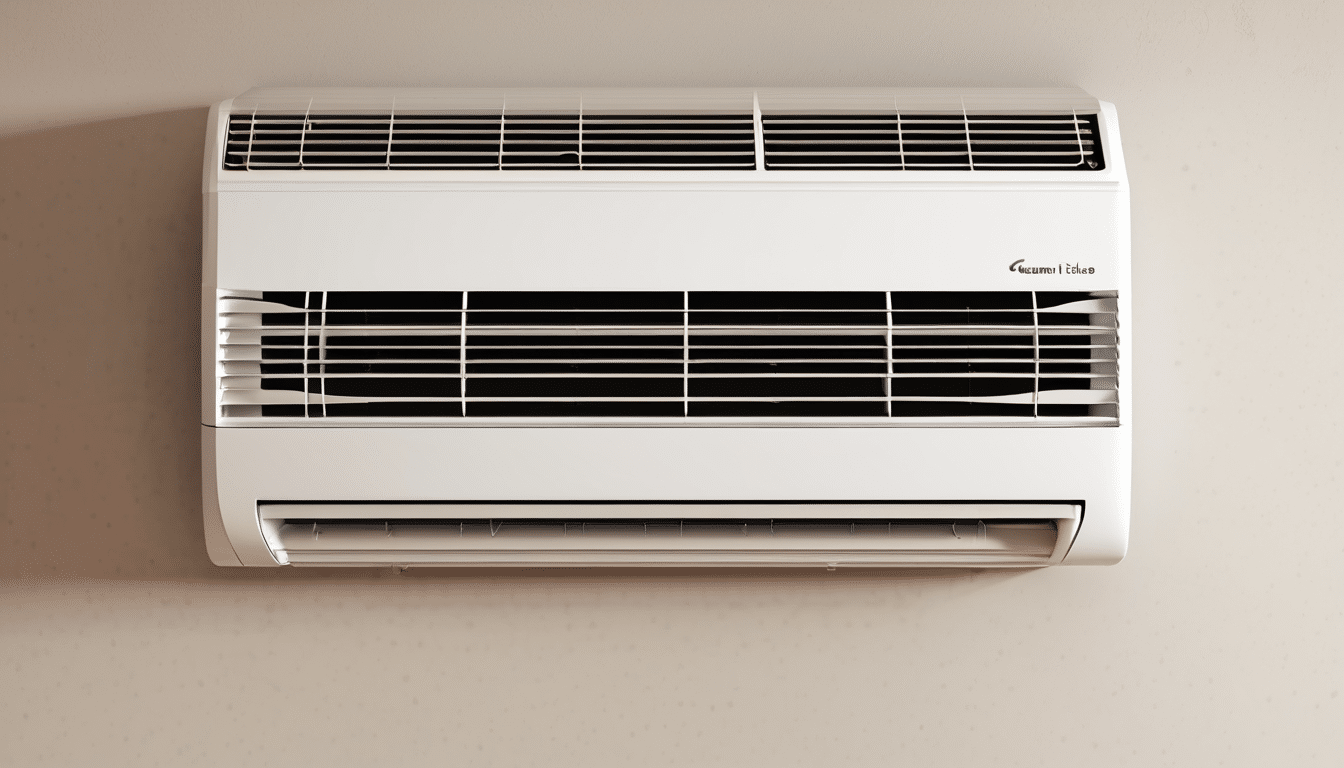
Absolutely. Apartment-specific ventilation solutions for improved sleep quality include through-wall ventilators, window-mounted systems, and enhanced bathroom exhaust strategies. Many modern Dubai apartments already incorporate mechanical ventilation that can be optimized for sleep quality.
Can I implement effective ventilation solutions for improved sleep quality myself?
Many basic ventilation solutions for improved sleep quality are DIY-friendly, including strategic window operation, fan placement, and regular HVAC filter changes. More complex mechanical systems require professional installation to ensure proper performance and integration with existing HVAC systems.
Conclusion
Effective ventilation solutions for improved sleep quality represent a critical yet often overlooked aspect of sleep environment optimization. In the UAE’s unique climate, where sealed buildings and continuous air conditioning create particular challenges, strategic ventilation solutions for improved sleep quality become even more essential. The connection between proper air exchange and restorative sleep is both scientifically established and practically demonstrable through countless client experiences.
Implementing appropriate ventilation solutions for improved sleep quality requires understanding your specific environment, challenges, and opportunities. From simple natural ventilation strategies to advanced mechanical systems, numerous ventilation solutions for improved sleep quality can transform your sleep experience. The investment in proper ventilation solutions for improved sleep quality pays returns not only in better rest but in overall health and wellbeing—making it one of the most valuable enhancements you can make to your sleeping environment.

JV de Castro, IAC2
JV de Castro is the Chief Technology Officer at Saniservice, where he leads innovation in indoor environmental sciences, IT infrastructure, and digital transformation. With over 20 years of experience spanning architecture, building science, technology management, digital media architecture, and consultancy, he has helped organizations optimize operations through smart solutions and forward-thinking strategies. JV holds a Degree in Architecture, a Masters of Research in Anthropology, an MBA in Digital Communication & Media, along with certifications in mold, building sciences and advanced networking. Passionate about combining technology, health, and sustainability, he continues to drive initiatives that bridge science, IT, and business impact.