Air Purifier Selection Guide For Uae Climate Guide
Living in the UAE presents unique indoor air quality challenges that demand specialised solutions. The combination of desert dust, high humidity, construction activity, and constant air conditioning creates an environment where standard air purifiers often fall short. This comprehensive Air Purifier Selection guide for UAE climate addresses the specific factors that matter most in our region, drawing from twelve years of indoor environmental science experience across Dubai villas and apartments.
The extreme environmental conditions in the UAE—from sandstorms that blanket cities in fine particulate matter to humidity levels that promote mould growth—require air purification systems designed for our particular challenges. This air purifier selection guide for UAE climate will help you navigate the complex market and choose a unit that actually addresses the pollutants we face daily, rather than simply following generic recommendations that work in milder climates.
Through our microbiology laboratory work and thousands of indoor environmental assessments across Dubai, we’ve identified the critical features that separate effective air purifiers from marketing gimmicks. This air purifier selection guide for UAE climate provides practical, science-based advice to protect your family’s health and create cleaner indoor environments in our challenging desert climate.
Air Purifier Selection Guide For Uae Climate – Understanding UAE Air Quality Challenges
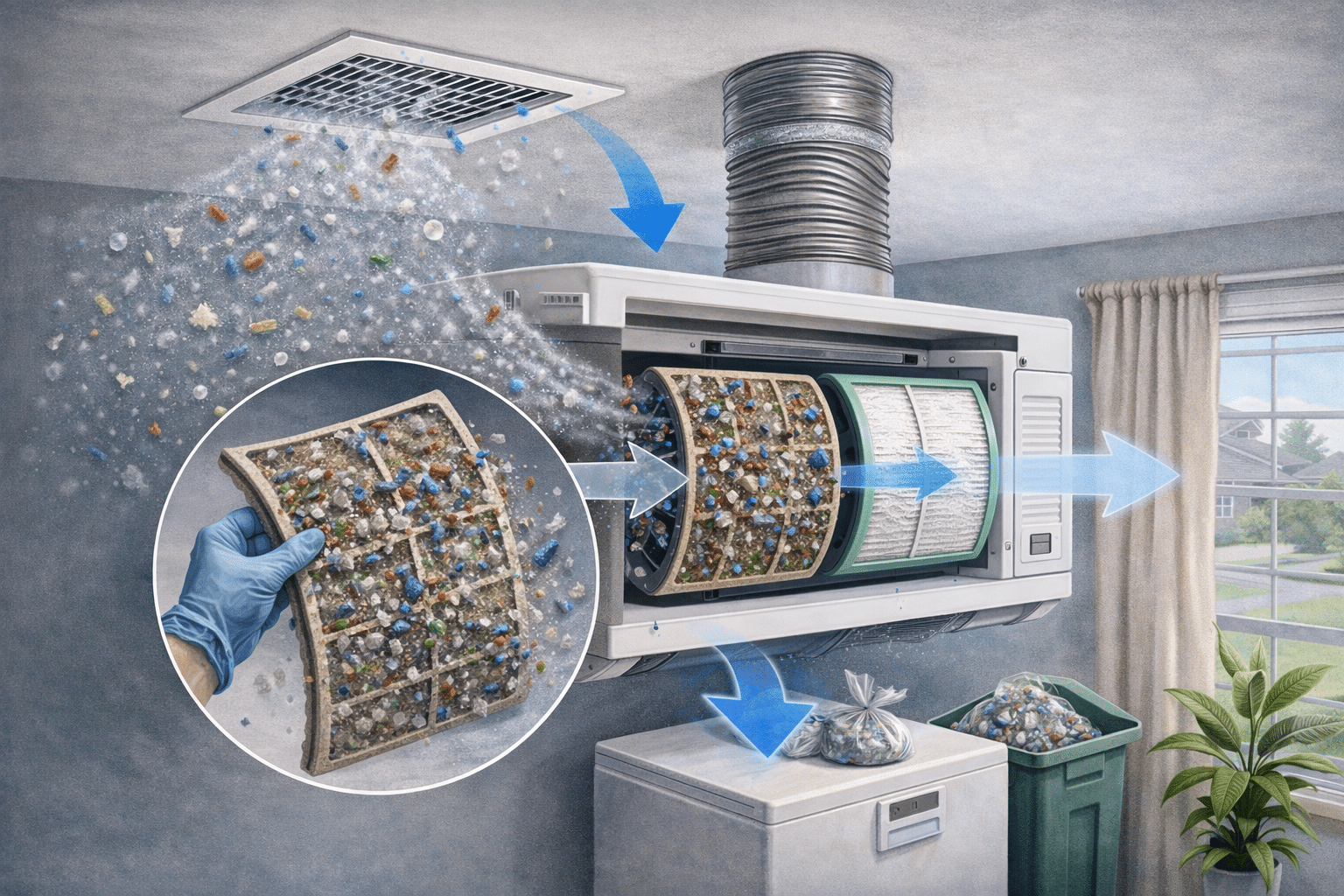
The UAE’s desert climate creates three primary air quality challenges that your air purifier must address. First, fine desert dust (PM2.5 and PM10) penetrates homes through ventilation systems, open doors, and building envelopes. This particulate matter contains silica particles that can irritate respiratory systems and exacerbate allergies. Second, high humidity levels, particularly during summer months, create ideal conditions for mould growth and dust mite proliferation.
Third, volatile organic compounds (VOCs) from construction materials, furniture, and cleaning products become concentrated in air-conditioned environments with limited fresh air exchange. Our testing in Dubai homes consistently shows elevated VOC levels that standard air purifiers cannot effectively address. This air purifier selection guide for UAE climate emphasises units with activated carbon filters specifically designed for chemical filtration.
The constant operation of air conditioning systems creates additional challenges. AC units can become reservoirs for microbial growth if not properly maintained, circulating contaminants throughout your home. An effective air purifier selection guide for UAE climate must consider how purification systems integrate with existing HVAC systems rather than working against them.
Air Purifier Selection Guide For Uae Climate – Critical Features for Air Purifier Selection
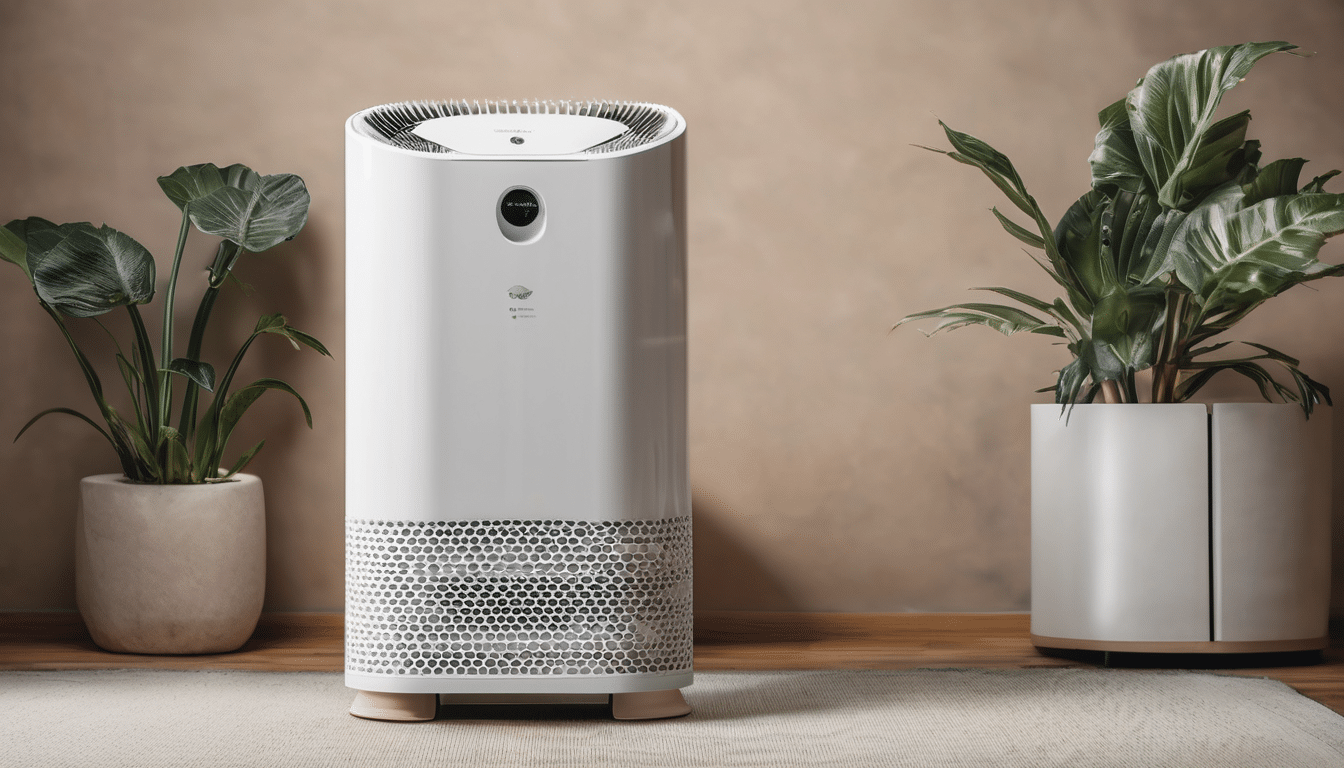
When following an air purifier selection guide for UAE climate, several features become non-negotiable. True HEPA filtration is essential for capturing the fine desert dust that plagues UAE homes. Look for HEPA H13 or H14 filters, which capture 99.95% to 99.995% of particles down to 0.3 microns—the size of most desert dust particles.
Activated carbon filtration is equally critical for addressing the VOC concerns in UAE homes. The carbon filter should be substantial—at least 1kg of activated carbon for average-sized rooms—not the thin mesh sheets found in budget units. This air purifier selection guide for UAE climate recommends units with separate carbon filters that can be replaced independently of HEPA filters.
Smart sensors represent the third critical feature. Humidity sensors automatically adjust purification settings when moisture levels rise, while particulate matter sensors respond to dust events. In our desert environment, where dust storms can develop rapidly, this automated response proves invaluable for maintaining indoor air quality without constant manual adjustment.
Air Purifier Selection Guide For Uae Climate: HEPA Filtration for UAE Conditions
Not all HEPA filters perform equally in UAE conditions. The extreme dust load means filters clog more quickly, reducing efficiency and increasing energy consumption. This air purifier selection guide for UAE climate recommends units with pre-filters that capture larger particles before they reach the main HEPA filter, extending its lifespan significantly.
The physical construction of the HEPA filter matters considerably. Pleated filters with greater surface area handle high dust loads better than smaller, compressed filters. Look for filters with antimicrobial treatment to prevent microbial growth within the filter media itself—a common issue in our humid climate that can turn purifiers into contamination sources.
Filter replacement frequency becomes a critical consideration. In the UAE’s dusty environment, HEPA filters typically require replacement every 6-8 months rather than the 12-month intervals suggested for cleaner climates. This air purifier selection guide for UAE climate emphasises choosing units with readily available, reasonably priced replacement filters to maintain long-term performance.
Humidity Control in Air Purifiers
Many UAE homeowners don’t realise that some air purifiers incorporate humidity control features—an essential function in our climate. Units with built-in humidifiers or dehumidifiers help maintain the ideal 40-50% relative humidity range that discourages mould growth while keeping respiratory systems comfortable.
This air purifier selection guide for UAE climate particularly recommends units with humidity monitoring and control for bedrooms and living areas. During winter months, when indoor humidity can drop below 30% due to continuous AC operation, built-in humidification prevents dry skin, irritated sinuses, and increased susceptibility to respiratory infections.
For basement areas or rooms with persistent humidity issues, consider dedicated dehumidifying purifiers. These units combine HEPA filtration with moisture removal, addressing both particulate and humidity concerns simultaneously. Our mould investigation cases frequently trace problems to areas where humidity consistently exceeds 60%, making combined units particularly valuable.
Sizing and Capacity Calculations
Proper sizing represents the most common mistake in air purifier selection guide for UAE climate applications. Manufacturers’ room size recommendations often assume ideal conditions that don’t exist in UAE homes with high ceilings, open floor plans, and multiple air exchanges with outdoor air.
Calculate your required capacity using the formula: room volume (m³) × ACH (air changes per hour). For UAE conditions with high pollutant loads, aim for 5-6 ACH rather than the standard 4 ACH. A 50m² room with 3m ceilings requires a purifier rated for at least 750m³/hour (150m³ × 5 ACH) to handle our challenging environment effectively.
Consider multiple smaller units rather than one large purifier for open-plan villas. Placing units in sleeping areas and main living spaces provides better coverage than attempting to purify entire floor plans with a single device. This distributed approach also allows for targeted purification based on room-specific needs and usage patterns.
Energy Efficiency and AC Integration
With air purifiers running continuously in UAE homes, energy efficiency becomes a significant consideration. Look for units with ENERGY STAR certification or equivalent efficiency ratings. The difference between efficient and inefficient models can amount to hundreds of AED annually in electricity costs.
This air purifier selection guide for UAE climate emphasises selecting units that complement rather than conflict with your AC system. Purifiers with variable speed settings allow reduced operation when spaces are unoccupied, while smart integration with HVAC systems enables coordinated operation that maximises efficiency.
Consider the heat output of purifiers, particularly in smaller rooms where additional heat generation forces AC units to work harder. Brushless DC motors typically run cooler and more efficiently than traditional AC motors, reducing this secondary cooling load and overall energy consumption.
Maintenance and Operating Costs
The long-term operating costs of air purifiers in UAE conditions often surprise homeowners. Filter replacement represents the primary ongoing expense, with genuine HEPA filters typically costing AED 300-800 depending on size and quality. This air purifier selection guide for UAE climate recommends budgeting for quarterly pre-filter cleaning and semi-annual HEPA replacement.
Consider the availability and cost of replacement filters before purchasing any unit. Some manufacturers use proprietary filter designs that become expensive or difficult to source in the UAE market. Units with standardised filter sizes typically offer better long-term value and availability.
Energy consumption constitutes the secondary operating cost. A continuously running 50W purifier adds approximately AED 30-40 monthly to electricity bills at UAE rates. While this seems minimal, inefficient units drawing 100W or more can double this cost, making efficiency ratings an important consideration beyond environmental concerns.
Top Recommendations for UAE Homes
Based on our extensive testing in Dubai homes, several models consistently perform well in UAE conditions. For master bedrooms and medium-sized rooms, the Blueair Blue Pure 411 Auto offers excellent particulate filtration with low energy consumption (AED 900-1,200). Its colour-coded air quality indicator responds well to UAE dust conditions.
For larger living areas and open-plan spaces, the Coway Airmega 400 provides superior coverage up to 80m² with dual filtration and smart sensors (AED 2,200-2,800). Its energy-efficient operation and readily available filters make it a solid long-term investment for UAE families.
For homes with significant humidity concerns, the Dyson Purifier Humidify+Cool Formaldehyde model addresses particulate, chemical, and humidity control simultaneously (AED 3,000-3,500). While premium-priced, its combination of features proves particularly valuable in UAE bathrooms, kitchens, and other moisture-prone areas.
Expert Tips for Better Results
Position your air purifier strategically—away from walls and furniture that obstruct airflow, and preferably near known pollution sources like windows or doors. Elevating units 30-50cm from the floor improves circulation and particulate capture efficiency in typical UAE room configurations.
Combine air purification with source control measures. Address dust entry points through weather stripping, maintain HVAC systems regularly, and use door mats to reduce particulate introduction. Purification works best as part of a comprehensive indoor air quality strategy rather than a standalone solution.
Monitor performance with simple indicators. If dust continues to accumulate on surfaces near the purifier, either the unit is undersized, poorly positioned, or requires filter replacement. Clean surfaces should remain clean with proper purification in operation.
FAQ: Common Questions
How often should I replace filters in UAE conditions?
Pre-filters require monthly cleaning, HEPA filters every 6-8 months, and carbon filters every 9-12 months in typical UAE homes. During frequent dust events or in high-traffic areas, these intervals may shorten considerably.
Can air purifiers help with desert dust allergies?
Properly specified HEPA filters capture over 99% of desert dust particles, providing significant relief for dust allergy sufferers. However, they work best when combined with other control measures like regular cleaning and humidity management.
Do I need different purifiers for different seasons?
While the same unit typically works year-round, adjustment of settings seasonally improves performance. Higher fan speeds during dust season, humidity control during summer, and possibly additional purification during renovation periods optimise results.
Selecting the right air purifier for UAE conditions requires careful consideration of our unique climate challenges. This air purifier selection guide for UAE climate provides the framework for making informed decisions that actually improve indoor air quality rather than simply adding another appliance to your home. By focusing on proper sizing, appropriate filtration technology, and sustainable operating costs, you can create healthier indoor environments that protect your family from the particulate, chemical, and biological challenges of desert living.

JV de Castro, IAC2
JV de Castro is the Chief Technology Officer at Saniservice, where he leads innovation in indoor environmental sciences, IT infrastructure, and digital transformation. With over 20 years of experience spanning architecture, building science, technology management, digital media architecture, and consultancy, he has helped organizations optimize operations through smart solutions and forward-thinking strategies. JV holds a Degree in Architecture, a Masters of Research in Anthropology, an MBA in Digital Communication & Media, along with certifications in mold, building sciences and advanced networking. Passionate about combining technology, health, and sustainability, he continues to drive initiatives that bridge science, IT, and business impact.