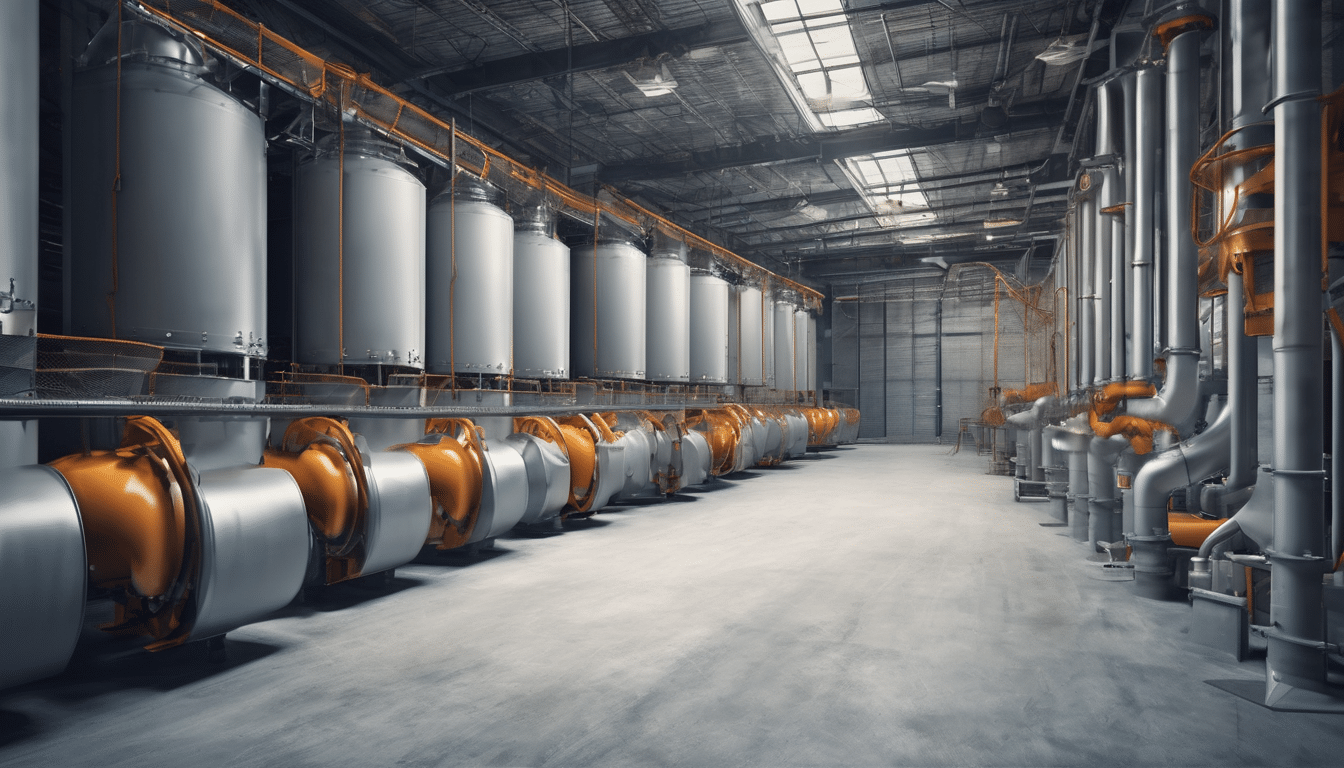
Industrial Ventilation System Optimization Strategies
Industrial Ventilation System optimization strategies represent a critical investment for manufacturing facilities across the UAE, particularly in Dubai’s challenging climate where temperature extremes and humidity levels create unique indoor air quality challenges. These industrial ventilation system optimization strategies go beyond simple maintenance to encompass comprehensive system redesign, technological upgrades, and performance monitoring that can dramatically improve worker safety, product quality, and operational efficiency. For facility managers in Dubai, Abu Dhabi, and throughout the Gulf region, implementing effective industrial ventilation system optimization strategies means addressing not only air quality concerns but also energy consumption, regulatory compliance, and long-term operational costs.
The importance of industrial ventilation system optimization strategies becomes particularly evident in UAE manufacturing environments where processes generate substantial heat, dust, chemical vapours, and other contaminants. Without proper industrial ventilation system optimization strategies, facilities risk violating workplace safety regulations, experiencing reduced equipment lifespan, and facing increased energy expenses. The right industrial ventilation system optimization strategies can transform a problematic environment into a model of efficiency and safety while providing substantial return on investment through reduced operational costs and improved productivity.
Industrial Ventilation System Optimization Strategies – Understanding Industrial Ventilation System Optimization
Industrial ventilation system optimization strategies begin with a fundamental understanding of how ventilation systems function within manufacturing environments. These systems serve two primary purposes: removing contaminated air from workspaces and supplying clean, conditioned air to maintain proper temperature and humidity levels. In UAE facilities, industrial ventilation system optimization strategies must account for extreme outdoor conditions while addressing indoor contaminants specific to manufacturing processes.
Effective industrial ventilation system optimization strategies consider the unique challenges of Gulf region manufacturing, including high ambient temperatures that increase cooling loads, sand and dust infiltration that accelerates filter clogging, and humidity levels that can promote microbial growth in ductwork. The first step in industrial ventilation system optimization strategies involves conducting a comprehensive assessment of existing system performance, identifying inefficiencies, and establishing baseline metrics for improvement. This assessment forms the foundation for all subsequent industrial ventilation system optimization strategies and ensures that interventions target the most critical areas for improvement.
Industrial Ventilation System Optimization Strategies – Key Components of Ventilation System Optimization
Successful industrial ventilation system optimization strategies address several critical components that collectively determine system performance. Air handling units represent the heart of any ventilation system, and industrial ventilation system optimization strategies often focus on upgrading these units with variable frequency drives, high-efficiency filters, and advanced control systems. These upgrades form essential industrial ventilation system optimization strategies that can reduce energy consumption by 25-40% while improving air quality.
Ductwork design and maintenance constitute another vital aspect of industrial ventilation system optimization strategies. In many UAE facilities, duct systems have developed leaks, obstructions, or design flaws that compromise efficiency. Industrial ventilation system optimization strategies for ductwork include sealing leaks, rebalancing air flows, and sometimes completely redesigning distribution networks to match current manufacturing layouts. These industrial ventilation system optimization strategies ensure that conditioned air reaches intended areas without waste or short-circuiting.
Exhaust System Optimization
Local exhaust ventilation represents a specialized component of industrial ventilation system optimization strategies that targets contaminant sources directly. These industrial ventilation system optimization strategies involve capturing pollutants at their generation point before they disperse into the general workspace. Properly designed capture hoods, duct routing, and exhaust fans form critical industrial ventilation system optimization strategies for controlling dust, fumes, and vapours in manufacturing processes.
Industrial Ventilation System Optimization Strategies – Energy Efficiency Strategies for Industrial Ventilation
Energy consumption represents one of the largest operational expenses for manufacturing ventilation systems, making efficiency a cornerstone of industrial ventilation system optimization strategies. In Dubai’s climate, where cooling loads dominate energy usage, industrial ventilation system optimization strategies that reduce unnecessary air conditioning can yield dramatic savings. Heat recovery systems stand out among the most effective industrial ventilation system optimization strategies, capturing waste heat from exhaust air streams and using it to pre-condition incoming air.
Variable air volume controls constitute another powerful category of industrial ventilation system optimization strategies. Rather than operating fans at constant speed, these industrial ventilation system optimization strategies adjust airflow based on real-time demand, reducing energy consumption during periods of lower occupancy or production. Implementation of these industrial ventilation system optimization strategies typically requires investment in advanced control systems and sensors but delivers rapid return through reduced electricity costs.
Air Quality Monitoring and Control Systems
Modern industrial ventilation system optimization strategies increasingly incorporate sophisticated air quality monitoring technologies that provide real-time data on contaminant levels, temperature, humidity, and pressure differentials. These industrial ventilation system optimization strategies enable responsive ventilation control that adjusts system operation based on actual conditions rather than fixed schedules. In UAE manufacturing facilities, industrial ventilation system optimization strategies using continuous monitoring can detect problems before they impact workers or processes.
Integration of building automation systems represents an advanced approach to industrial ventilation system optimization strategies that coordinates ventilation with other building systems. These comprehensive industrial ventilation system optimization strategies consider factors like occupancy patterns, process schedules, and outdoor conditions to optimize overall building performance. The data collected through these industrial ventilation system optimization strategies also provides valuable documentation for regulatory compliance and continuous improvement initiatives.
UAE Regulatory Compliance Requirements
Industrial ventilation system optimization strategies must address specific regulatory requirements established by UAE authorities including the Ministry of Human Resources and Emiratisation and various emirate-level environmental agencies. These industrial ventilation system optimization strategies ensure that ventilation systems meet occupational exposure limits for airborne contaminants, provide adequate fresh air exchange rates, and maintain safe working conditions. Compliance-focused industrial ventilation system optimization strategies typically involve comprehensive testing, documentation, and reporting procedures.
In Dubai Industrial City and other manufacturing zones, industrial ventilation system optimization strategies must also consider facility-specific regulations that may impose additional requirements. These specialised industrial ventilation system optimization strategies often require engagement with regulatory consultants who understand local interpretation and enforcement practices. Properly implemented industrial ventilation system optimization strategies not only ensure compliance but also demonstrate corporate responsibility toward worker health and environmental protection.
Cost Analysis and Investment Considerations
Implementing industrial ventilation system optimization strategies requires careful financial planning and justification. The table below outlines typical cost ranges for various industrial ventilation system optimization strategies in UAE manufacturing facilities:
| Optimization Strategy | Initial Investment (AED) | Payback Period | Annual Savings (AED) |
|---|---|---|---|
| VFD Installation | 15,000-45,000 | 1-2 years | 8,000-22,000 |
| Ductwork Resealing | 8,000-25,000 | 6-18 months | 5,000-15,000 |
| Heat Recovery System | 35,000-90,000 | 2-4 years | 12,000-28,000 |
| Air Quality Monitoring | 20,000-60,000 | 1-3 years | 7,000-25,000 |
| Filter Upgrade | 5,000-18,000 | 8-15 months | 4,000-12,000 |
These industrial ventilation system optimization strategies represent investments that typically yield strong returns through energy savings, reduced maintenance costs, and improved productivity. Facilities should prioritise industrial ventilation system optimization strategies based on specific pain points and available capital, often beginning with quick-win projects that fund more comprehensive improvements.
Implementation and Case Studies
Successful implementation of industrial ventilation system optimization strategies follows a structured approach that begins with comprehensive assessment and progresses through design, installation, and verification phases. A Dubai aluminium fabrication facility recently implemented industrial ventilation system optimization strategies that reduced energy consumption by 38% while improving capture efficiency at grinding stations. Their industrial ventilation system optimization strategies focused on balancing general ventilation with local exhaust controls and adding variable frequency drives to major fans.
Another case study from an Abu Dhabi plastic manufacturing plant demonstrates how industrial ventilation system optimization strategies resolved persistent odor complaints while reducing ventilation costs. Their industrial ventilation system optimization strategies included installing carbon adsorption units on exhaust streams, resealing ductwork leaks that amounted to 25% of airflow, and implementing demand-controlled ventilation based on real-time VOC monitoring. These industrial ventilation system optimization strategies paid for themselves in under two years while dramatically improving working conditions.
Expert Tips for Successful Optimization
Based on extensive experience implementing industrial ventilation system optimization strategies across UAE manufacturing facilities, we recommend these practical approaches:
- Begin with comprehensive measurement of existing system performance including airflow rates, pressure drops, and energy consumption
- Prioritise industrial ventilation system optimization strategies that address both air quality and energy efficiency simultaneously
- Consider phased implementation of industrial ventilation system optimization strategies to manage budget constraints while demonstrating progress
- Engage operational staff in developing industrial ventilation system optimization strategies to ensure practical implementation and maintenance
- Document baseline conditions and improvement metrics to quantify the impact of industrial ventilation system optimization strategies
- Plan for ongoing maintenance as part of industrial ventilation system optimization strategies to sustain performance gains
- Integrate industrial ventilation system optimization strategies with other facility improvements for maximum synergistic benefits
Frequently Asked Questions
How often should industrial ventilation systems be reassessed for optimization opportunities?
Facilities should review industrial ventilation system optimization strategies annually and conduct comprehensive assessments every three to five years. Significant process changes, expansion projects, or energy price increases should trigger immediate review of industrial ventilation system optimization strategies.
What are the most common mistakes in ventilation system optimization?
Common errors include focusing solely on equipment upgrades without addressing system design flaws, underestimating maintenance requirements, and failing to commission optimized systems properly. Effective industrial ventilation system optimization strategies address the entire system holistically.
Can ventilation optimization help with UAE regulatory compliance?
Absolutely. Properly implemented industrial ventilation system optimization strategies directly address workplace air quality standards, exposure limits, and ventilation requirements mandated by UAE authorities. Documentation from optimization projects also demonstrates compliance efforts.
Industrial ventilation system optimization strategies represent a smart investment for UAE manufacturing facilities seeking to improve air quality, reduce operating costs, and ensure regulatory compliance. By taking a systematic approach to industrial ventilation system optimization strategies that addresses both equipment performance and system design, facilities can achieve dramatic improvements in working conditions and operational efficiency. The unique climate and regulatory environment of the Gulf region requires specialised industrial ventilation system optimization strategies tailored to local conditions and challenges.
Implementation of comprehensive industrial ventilation system optimization strategies typically yields rapid return on investment through energy savings alone, with additional benefits including improved productivity, reduced absenteeism, and extended equipment life. For facility managers throughout Dubai, Abu Dhabi, and the wider UAE, developing and executing effective industrial ventilation system optimization strategies should be a priority for maintaining competitive operations while protecting worker health and meeting environmental responsibilities.

JV de Castro, IAC2
JV de Castro is the Chief Technology Officer at Saniservice, where he leads innovation in indoor environmental sciences, IT infrastructure, and digital transformation. With over 20 years of experience spanning architecture, building science, technology management, digital media architecture, and consultancy, he has helped organizations optimize operations through smart solutions and forward-thinking strategies. JV holds a Degree in Architecture, a Masters of Research in Anthropology, an MBA in Digital Communication & Media, along with certifications in mold, building sciences and advanced networking. Passionate about combining technology, health, and sustainability, he continues to drive initiatives that bridge science, IT, and business impact.