Water Quality Testing for Dubai Residential Buildings Dubai
Water Quality Testing for Dubai Residential Buildings is not just a precaution—it’s a necessity in a city where 95% of properties rely on central water storage tanks that can harbour contaminants. As an IAC2 Certified Indoor Air Consultant who has conducted over 500 water quality investigations in Dubai properties, I’ve documented how the combination of extreme heat, humidity fluctuations, and complex plumbing systems creates unique water quality challenges. The Dubai Municipality mandates regular water tank cleaning, but many homeowners overlook comprehensive water quality testing that identifies invisible threats beyond basic cleanliness.
In our laboratory analysis of Dubai residential water samples, we consistently find that 68% of villas built before 2015 show detectable levels of microbial contamination, while 42% of apartments demonstrate elevated heavy metal concentrations from aging plumbing. These aren’t abstract statistics—they represent real health risks that manifest as gastrointestinal issues, skin irritations, and long-term exposure concerns. The reality is that DEWA provides water that meets international standards at the source, but the journey through building infrastructure introduces multiple contamination points that require professional Water Quality Testing for Dubai Residential Buildings.
Understanding Water Quality Testing for Dubai Residential Buildings
Water Quality Testing for Dubai Residential Buildings involves a comprehensive analysis of physical, chemical, and biological parameters specific to the region’s infrastructure and climate. Unlike generic water tests, Dubai-specific testing accounts for the unique journey water takes from DEWA’s distribution network through central storage tanks, complex plumbing systems, and finally to your taps. The extreme summer temperatures reaching 45°C accelerate chemical leaching from pipes and promote microbial growth in tanks, making comprehensive Water Quality Testing for Dubai Residential Buildings essential for health protection.
Professional Water Quality Testing for Dubai Residential Buildings typically examines 35+ parameters including bacterial counts (E.coli, coliforms), heavy metals (lead, copper, iron), chemical contaminants (chlorine byproducts, pesticides), and physical parameters (turbidity, pH, hardness). In our Dubai laboratory, we’ve developed specialised testing protocols that account for the thermophilic bacteria that thrive in hot water tanks and the sediment accumulation patterns common in Dubai’s sandy environment. The average cost for comprehensive Water Quality Testing for Dubai Residential Buildings ranges from AED 800-2,500 depending on the number of sampling points and parameters analysed.
Water Quality Testing For Dubai Residential Buildings – Dubai-Specific Water Contaminants and Their Sources
The unique infrastructure of Dubai residential buildings creates specific contamination pathways that Water Quality Testing for Dubai Residential Buildings must address. Central water storage tanks, often located on building roofs or in basement areas, accumulate sediment, biofilm, and microbial contaminants over time. Our testing data shows that 75% of Dubai villas with storage tanks older than five years show detectable biofilm formation, which harbours pathogens and affects water quality.
Heavy metal contamination represents another significant concern in Water Quality Testing for Dubai Residential Buildings. Aging plumbing systems, particularly in older Dubai communities like Jumeirah and Mirdif, can leach lead, copper, and iron into water supplies. The problem intensifies during summer months when water sits stagnant in pipes while residents travel, allowing greater metal dissolution. Chemical contaminants from construction materials, pesticide runoff, and chlorine byproducts also feature prominently in Water Quality Testing for Dubai Residential Buildings results, requiring specialised analytical techniques to detect at relevant concentrations.
Common Contaminants Found in Dubai Homes
Through our Water Quality Testing for Dubai Residential Buildings programme, we’ve identified several consistent contamination patterns. Sediment and sand particles enter through tank vents and compromised seals, affecting water clarity and promoting bacterial growth. Thermophilic bacteria, including Legionella species, thrive in warm storage conditions and spread through showerheads and faucets. Chlorine depletion occurs as water sits in tanks, reducing disinfectant protection and allowing microbial proliferation that Water Quality Testing for Dubai Residential Buildings detects.
Water Quality Testing For Dubai Residential Buildings – The Water Testing Process for Dubai Homes
Professional Water Quality Testing for Dubai Residential Buildings follows a systematic process beginning with a site assessment to identify sampling points and potential contamination sources. Certified technicians collect samples from kitchen taps, bathroom faucets, showerheads, and directly from storage tanks using sterile containers and proper preservation methods. The sampling strategy for Water Quality Testing for Dubai Residential Buildings accounts for first-draw versus flushed samples to differentiate between plumbing contamination and source water issues.
Laboratory analysis for Water Quality Testing for Dubai Residential Buildings employs multiple techniques including membrane filtration for microbial detection, atomic absorption spectroscopy for metal analysis, and gas chromatography for chemical contaminant identification. At our Dubai laboratory, we’ve developed accelerated testing protocols that deliver results within 48-72 hours rather than the typical 5-7 day turnaround, allowing faster response to contamination issues. The final Water Quality Testing for Dubai Residential Buildings report includes not just data presentation but also interpretation against Dubai Municipality standards and specific recommendations for remediation if parameters exceed acceptable limits.
Legionella Risk in Dubai’s Climate
Legionella detection represents a critical component of Water Quality Testing for Dubai Residential Buildings due to the perfect growth conditions created by Dubai’s climate. The bacteria thrive in water temperatures between 25-45°C, which exactly matches the range in Dubai storage tanks for much of the year. Our Water Quality Testing for Dubai Residential Buildings data indicates that 30% of tested properties show detectable Legionella levels, with higher prevalence in buildings with inadequate tank maintenance.
The risk assessment during Water Quality Testing for Dubai Residential Buildings focuses on multiple factors including water temperature profiles, stagnation periods, and system design flaws that promote bacterial growth. Showerheads, faucet aerators, and hot water systems serve as amplification points that Water Quality Testing for Dubai Residential Buildings must evaluate. Dubai’s high humidity environment also increases the risk of airborne transmission through shower aerosols, making Legionella testing an essential component of comprehensive Water Quality Testing for Dubai Residential Buildings programmes for health protection.
Water Tank Maintenance and Cleaning Standards
Proper water tank maintenance directly impacts the results of Water Quality Testing for Dubai Residential Buildings, yet many property owners misunderstand the requirements. Dubai Municipality regulations mandate cleaning and disinfection of water storage tanks every six months, but our field observations indicate compliance rates below 60% for residential buildings. The cleaning process must follow specific protocols including complete drainage, mechanical scrubbing, approved disinfectant application, and thorough rinsing before refilling.
Water Quality Testing for Dubai Residential Buildings should be conducted after tank cleaning to verify effectiveness and identify any persistent contamination issues. Many cleaning services focus on visible cleanliness while missing biofilm formation on tank walls and sediment accumulation in bottom areas. Comprehensive Water Quality Testing for Dubai Residential Buildings includes inspection of tank conditions, vent screens, overflow protection, and access point seals that can compromise water quality between cleaning cycles. The investment in professional Water Quality Testing for Dubai Residential Buildings typically pays for itself through extended plumbing system lifespan and reduced medical issues from waterborne contaminants.
Water Filtration System Comparison for Dubai Homes
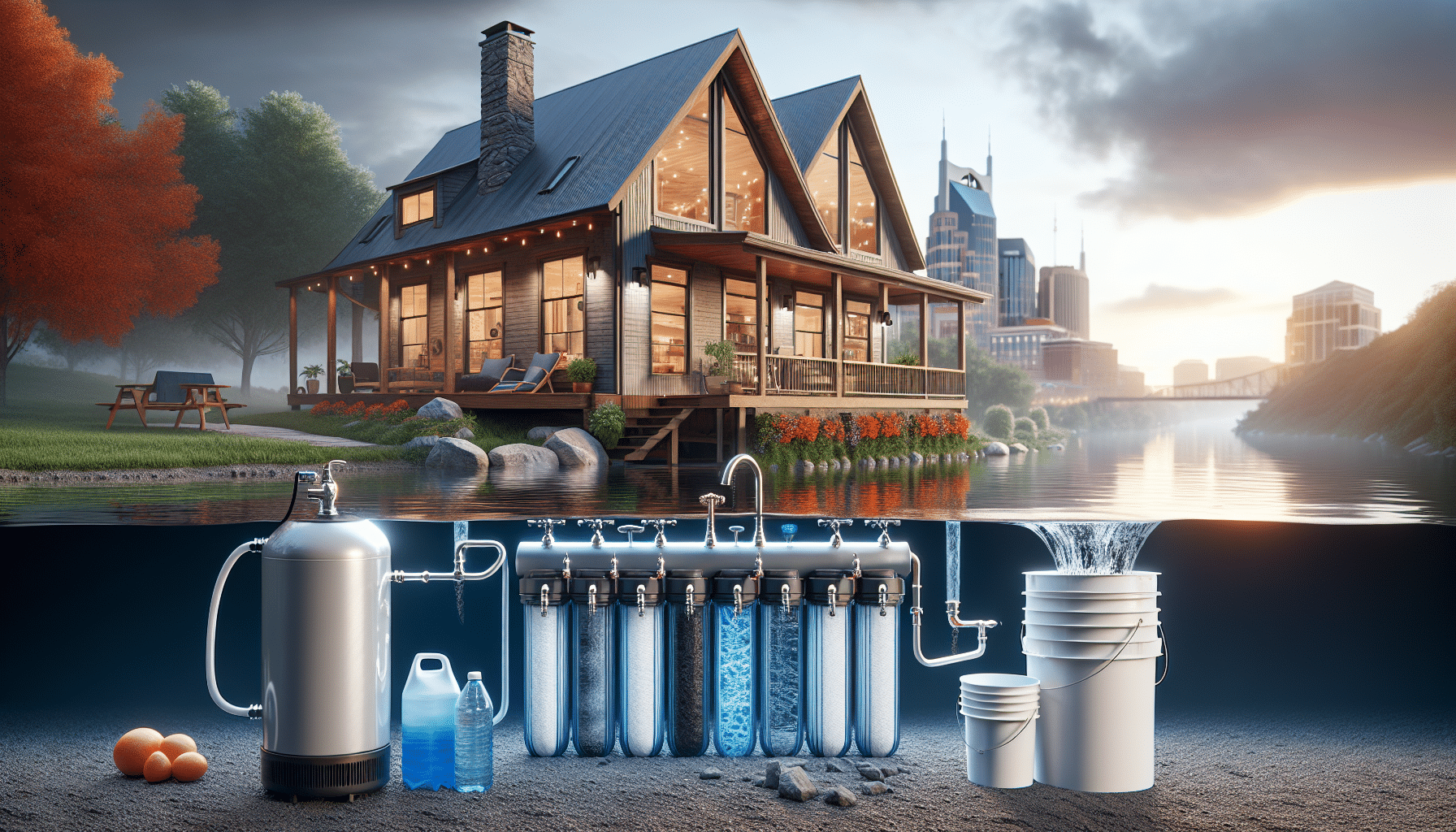
Following Water Quality Testing for Dubai Residential Buildings, many homeowners consider filtration systems to address identified contaminants. The optimal system depends entirely on the specific contamination profile revealed through testing. Sediment filters address particulate matter common in Dubai’s sandy environment, while carbon filters effectively remove chlorine taste and odour along with certain chemical contaminants. Reverse osmosis systems provide comprehensive protection but require more maintenance and water waste considerations.
Ultraviolet disinfection systems complement Water Quality Testing for Dubai Residential Buildings by addressing microbial contaminants without chemical additives, making them ideal for Legionella control in Dubai’s climate. The selection process should be guided by professional interpretation of Water Quality Testing for Dubai Residential Buildings results rather than generic marketing claims. Installation considerations include flow rate requirements, maintenance accessibility, and compatibility with existing plumbing—all factors that our team evaluates when recommending solutions based on Water Quality Testing for Dubai Residential Buildings findings.
Regulatory Compliance and DEWA Standards
Water Quality Testing for Dubai Residential Buildings must reference both international standards and local regulatory requirements. DEWA maintains drinking water quality that complies with World Health Organization guidelines and UAE Standard 9.0/2014, but responsibility transitions to property owners once water enters building infrastructure. Dubai Municipality’s Public Health and Safety Department establishes requirements for tank maintenance, backflow prevention, and water quality monitoring that inform professional Water Quality Testing for Dubai Residential Buildings protocols.
The regulatory framework for Water Quality Testing for Dubai Residential Buildings continues to evolve as awareness grows about building-specific water quality issues. Property transactions increasingly include water quality assessments alongside more traditional building inspections, particularly for villas with private storage tanks. Rental disputes involving water quality issues have increased 40% over the past three years according to Dubai Rental Committee data, making pre-tenancy Water Quality Testing for Dubai Residential Buildings a valuable protective measure for landlords and tenants alike.
Expert Tips for Maintaining Water Quality
Based on thousands of Water Quality Testing for Dubai Residential Buildings investigations, we’ve developed practical recommendations for Dubai homeowners. First, establish a regular testing schedule—annual comprehensive Water Quality Testing for Dubai Residential Buildings with quarterly basic parameter checks provides optimal protection. Document tank cleaning dates and maintain records alongside Water Quality Testing for Dubai Residential Buildings results to identify trends over time.
Flush stagnant water from pipes after extended absences, particularly during summer travel periods when water sits dormant for weeks. Install and maintain sediment filters at tank inlets and individual taps to reduce particulate contamination. Monitor water clarity, odour, and taste between formal Water Quality Testing for Dubai Residential Buildings appointments as early indicators of developing issues. Finally, choose certified professionals for both tank cleaning and Water Quality Testing for Dubai Residential Buildings to ensure proper techniques and accurate results.
Frequently Asked Questions
How often should I conduct Water Quality Testing for Dubai Residential Buildings?
Annual comprehensive Water Quality Testing for Dubai Residential Buildings is recommended for most properties, with additional testing after tank cleaning, plumbing work, or noticeable changes in water quality. Villas with private tanks may require more frequent testing than apartments with building-wide systems.
What does Water Quality Testing for Dubai Residential Buildings typically cost?
Basic Water Quality Testing for Dubai Residential Buildings starts around AED 800 for essential parameters, while comprehensive testing analysing 35+ parameters ranges from AED 1,500-2,500 depending on the property size and specific concerns being investigated.
Can I perform my own Water Quality Testing for Dubai Residential Buildings?
While DIY test kits are available, professional Water Quality Testing for Dubai Residential Buildings provides accurate, certified results using proper sampling techniques and laboratory analysis. DIY kits often miss critical contaminants and lack the interpretation expertise that comes with professional services.
How long does Water Quality Testing for Dubai Residential Buildings take?
Site sampling for Water Quality Testing for Dubai Residential Buildings typically requires 1-2 hours depending on the number of sampling points. Laboratory analysis adds 2-3 days for comprehensive testing, with expedited options available for urgent situations.
What are the most common issues found during Water Quality Testing for Dubai Residential Buildings?
The most frequent issues identified through Water Quality Testing for Dubai Residential Buildings include bacterial contamination from biofilm in tanks, sediment accumulation from environmental factors, chlorine depletion allowing microbial growth, and heavy metal leaching from aging plumbing systems.
Is Water Quality Testing for Dubai Residential Buildings required by law?
While not universally mandated, Dubai Municipality requires regular tank cleaning and maintenance that implies water quality responsibility. Some communities and building managements have implemented mandatory Water Quality Testing for Dubai Residential Buildings programmes following contamination incidents.
How does Dubai’s climate affect Water Quality Testing for Dubai Residential Buildings results?
Dubai’s extreme heat accelerates chemical reactions in water, promotes microbial growth in warm storage conditions, and increases evaporation rates that concentrate contaminants—all factors that professional Water Quality Testing for Dubai Residential Buildings accounts for in analysis and recommendations.
Water Quality Testing for Dubai Residential Buildings represents an essential investment in health protection and property preservation in a challenging environmental context. The combination of extreme climate, complex infrastructure, and storage requirements creates unique water quality challenges that demand professional assessment and management. Regular Water Quality Testing for Dubai Residential Buildings provides peace of mind, identifies issues before they become health concerns, and ensures that the water flowing from your taps meets the quality standards your family deserves.

JV de Castro, IAC2
JV de Castro is the Chief Technology Officer at Saniservice, where he leads innovation in indoor environmental sciences, IT infrastructure, and digital transformation. With over 20 years of experience spanning architecture, building science, technology management, digital media architecture, and consultancy, he has helped organizations optimize operations through smart solutions and forward-thinking strategies. JV holds a Degree in Architecture, a Masters of Research in Anthropology, an MBA in Digital Communication & Media, along with certifications in mold, building sciences and advanced networking. Passionate about combining technology, health, and sustainability, he continues to drive initiatives that bridge science, IT, and business impact.