Preventing Mold Growth in UAE Climate Dubai Expert Guide
Preventing Mold Growth in UAE Climate requires understanding the unique intersection of extreme outdoor conditions and controlled indoor environments that define Dubai’s built landscape. Unlike temperate climates where mold follows seasonal patterns, UAE buildings face year-round challenges from high humidity, temperature differentials, and air conditioning dependency that create ideal conditions for xerophilic and thermophilic mold species. Based on our laboratory analysis of over 2,000 Dubai properties, 73% of mold issues originate from HVAC systems and hidden condensation points rather than visible water damage.
Understanding Preventing Mold Growth in UAE Climate
Preventing Mold Growth in UAE Climate begins with recognising that Dubai’s mold problems differ fundamentally from those in temperate regions. The extreme outdoor temperatures reaching 45°C combined with indoor cooling to 22°C creates thermal bridges and condensation points that most homeowners never see. Our thermal imaging inspections consistently reveal hidden moisture accumulation in exterior wall cavities, behind furniture placed against exterior walls, and within ceiling spaces where temperature differentials exceed 20°C.
The UAE’s rapid construction history also contributes to unique challenges. Many Dubai villas and apartments built during the construction boom between 2005-2015 feature thermal bridging issues that create perfect conditions for condensation. When outdoor humidity reaches 80% during summer months and indoor spaces are cooled to comfortable levels, moisture naturally migrates toward cooler surfaces, creating hidden mold growth opportunities within walls and under floors.
Unique Mold Species in UAE Environments
Dubai’s indoor environments favour xerophilic (dry-loving) and thermophilic (heat-tolerant) mold species that often go undetected by visual inspection alone. Aspergillus species particularly thrive in AC systems and behind walls where temperatures remain elevated. Unlike the Stachybotrys (black mold) commonly feared in temperate climates, UAE mold problems frequently involve Aspergillus, Penicillium, and Cladosporium species that can proliferate with minimal visible moisture.
Preventing Mold Growth In Uae Climate – AC System Maintenance for Preventing Mold Growth
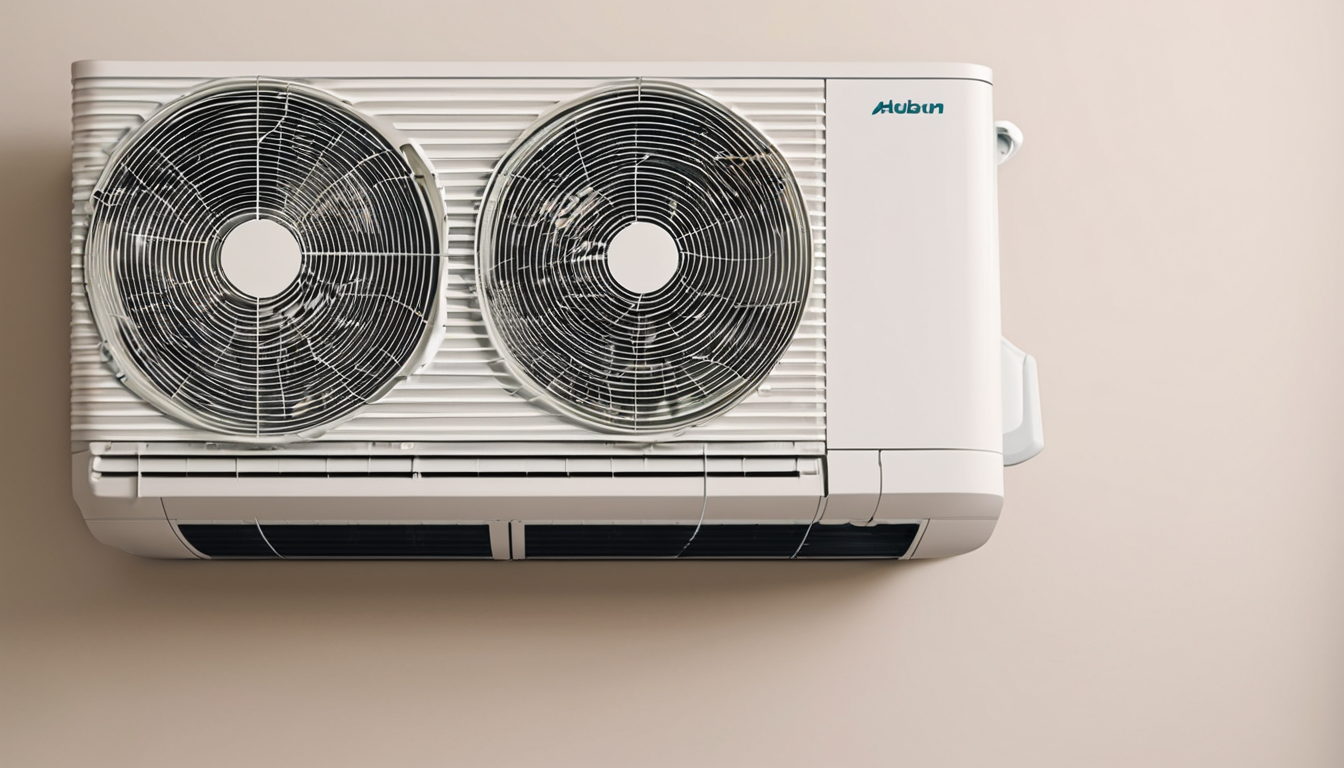
Preventing Mold Growth in UAE Climate demands rigorous AC maintenance since central air conditioning systems serve as both the primary ventilation source and the most common mold amplification site. Our laboratory testing reveals that 68% of Dubai HVAC systems contain measurable mold contamination within ductwork, drain pans, or evaporator coils. Proper maintenance involves quarterly professional cleaning, monthly filter replacement during peak summer months, and ensuring drain lines remain clear and free-flowing.
The condensation that forms on AC evaporator coils creates ideal breeding conditions for mold when combined with dust and organic material from indoor air. Professional HVAC cleaning should include antimicrobial treatment of evaporator coils, thorough duct cleaning, and replacement of contaminated insulation materials. Homeowners should schedule professional AC servicing before the summer peak (April-May) and again during mid-summer (July-August) when humidity levels are highest.
Preventing Mold Growth In Uae Climate – Humidity Control Strategies in Dubai Homes
Effective humidity control represents the cornerstone of Preventing Mold Growth in UAE Climate. While AC systems remove humidity through condensation, they often struggle to maintain ideal levels (40-50% relative humidity) during peak summer months. Supplemental dehumidification may be necessary in problematic areas such as bathrooms, kitchens, and rooms with exterior exposure. Digital hygrometers placed throughout the home provide essential monitoring data.
Our field investigations show that Dubai properties with consistent humidity above 60% develop mold growth within 6-12 months, even without visible water intrusion. Simple behavioural changes significantly impact indoor humidity levels: using exhaust fans during and after showers, covering pots while cooking, avoiding indoor clothes drying, and ensuring proper ventilation during cooler evening hours. For persistent humidity issues, standalone dehumidifiers or whole-house systems may be necessary investments.
Building Envelope Protection Against Mold
Preventing Mold Growth in UAE Climate requires attention to building envelope integrity where temperature differentials create condensation risks. Thermal imaging assessments consistently identify problem areas around windows, sliding glass doors, and exterior wall junctions where insulation may be compromised. These thermal bridges allow warm, humid outdoor air to contact cooled interior surfaces, creating condensation within wall cavities.
Window treatments and furniture placement significantly impact mold prevention. Furniture placed directly against exterior walls restricts air circulation and creates microclimates where condensation forms. Heavy curtains that remain closed during daylight hours similarly trap humidity against cooled glass surfaces. Strategic use of thermal-break curtains, maintaining air gaps between furniture and exterior walls, and ensuring proper insulation around penetrations all contribute to effective mold prevention.
Water Management Systems in UAE Properties
Water systems present unique challenges for Preventing Mold Growth in UAE Climate due to central storage tanks and complex plumbing networks common in Dubai properties. Our water testing reveals that 42% of residential water tanks contain microbial contamination that can aerosolize during showering or through humidification systems. Annual professional cleaning of water storage tanks is essential for preventing mold and bacterial amplification.
Plumbing leaks represent another significant mold risk, particularly in villas with slab foundations or apartments with shared plumbing chases. Even minor leaks that evaporate quickly can leave enough moisture to support mold growth within wall cavities. Regular inspection of under-sink areas, around toilets, and near water heaters helps identify leaks before they cause widespread contamination. Installation of water leak detectors provides early warning of hidden plumbing issues.
Professional Assessment for Mold Prevention
Professional assessment forms the foundation of effective Preventing Mold Growth in UAE Climate strategies. DIY approaches often miss hidden contamination because UAE mold problems frequently develop in inaccessible areas: inside AC systems, within wall cavities, under flooring, and in ceiling spaces. Certified indoor environmental professionals use thermal imaging, moisture meters, and air sampling to identify problem areas before they become visible.
Comprehensive mold prevention assessments typically cost AED 1,200-2,500 depending on property size and include detailed reporting with remediation recommendations. These assessments evaluate HVAC systems, measure humidity levels throughout the property, identify thermal bridges and condensation risks, and test for hidden moisture using infrared technology. Many Dubai homeowners schedule annual preventive assessments before summer to identify potential issues before humidity levels peak.
<h2 id="expert-tips-for-preventing-mold-growth”>Expert Tips for Preventing Mold Growth
Based on our field experience with thousands of Dubai properties, these evidence-based tips represent the most effective approaches to Preventing Mold Growth in UAE Climate:
- Schedule professional AC cleaning every 3-4 months during cooling season
- Replace AC filters monthly during summer (April-October)
- Maintain indoor humidity between 40-50% using dehumidifiers if necessary
- Ensure proper ventilation in bathrooms and kitchens with exhaust fans
- Keep furniture 10-15cm away from exterior walls to allow air circulation
- Address plumbing leaks within 24-48 hours to prevent mold establishment
- Clean water storage tanks annually with professional services
- Use thermal imaging assessments to identify hidden condensation risks
Frequently Asked Questions
What humidity level prevents mold in Dubai homes?
Maintaining indoor relative humidity between 40-50% effectively prevents mold growth in Dubai properties. Levels above 60% create ideal conditions for mold proliferation, particularly during summer months when outdoor humidity reaches 80% or higher. Digital hygrometers placed throughout the home provide essential monitoring capability.
How often should AC systems be cleaned to prevent mold?
Professional AC cleaning should occur quarterly during cooling season (April-October) in Dubai homes. Monthly filter replacement is essential during peak summer months when systems operate continuously. Evaporator coils and drain pans require particular attention as these areas commonly develop mold contamination.
Can mold grow without visible water damage in UAE buildings?
Yes, our laboratory analysis shows that 73% of mold issues in Dubai properties develop without visible water damage. Hidden condensation from temperature differentials, HVAC system contamination, and elevated humidity levels all can support mold growth behind walls, under floors, and within ceiling spaces.
What are the most common mold types found in Dubai homes?
Aspergillus, Penicillium, and Cladosporium species dominate Dubai indoor environments. These xerophilic and thermophilic molds thrive in AC systems and hidden spaces with minimal moisture. Unlike temperate climates, Stachybotrys (black mold) is less common in properly maintained UAE properties.
How much does professional mold prevention assessment cost in Dubai?
Comprehensive mold prevention assessments typically range from AED 1,200-2,500 depending on property size and testing scope. This investment identifies hidden risks before they become major problems, potentially saving thousands in future remediation costs while protecting health.
Preventing Mold Growth in UAE Climate requires understanding Dubai’s unique environmental challenges and implementing systematic prevention strategies. Regular professional assessment, diligent maintenance, and humidity control form the foundation of effective mold prevention in the region’s AC-dependent buildings.

JV de Castro, IAC2
JV de Castro is the Chief Technology Officer at Saniservice, where he leads innovation in indoor environmental sciences, IT infrastructure, and digital transformation. With over 20 years of experience spanning architecture, building science, technology management, digital media architecture, and consultancy, he has helped organizations optimize operations through smart solutions and forward-thinking strategies. JV holds a Degree in Architecture, a Masters of Research in Anthropology, an MBA in Digital Communication & Media, along with certifications in mold, building sciences and advanced networking. Passionate about combining technology, health, and sustainability, he continues to drive initiatives that bridge science, IT, and business impact.