


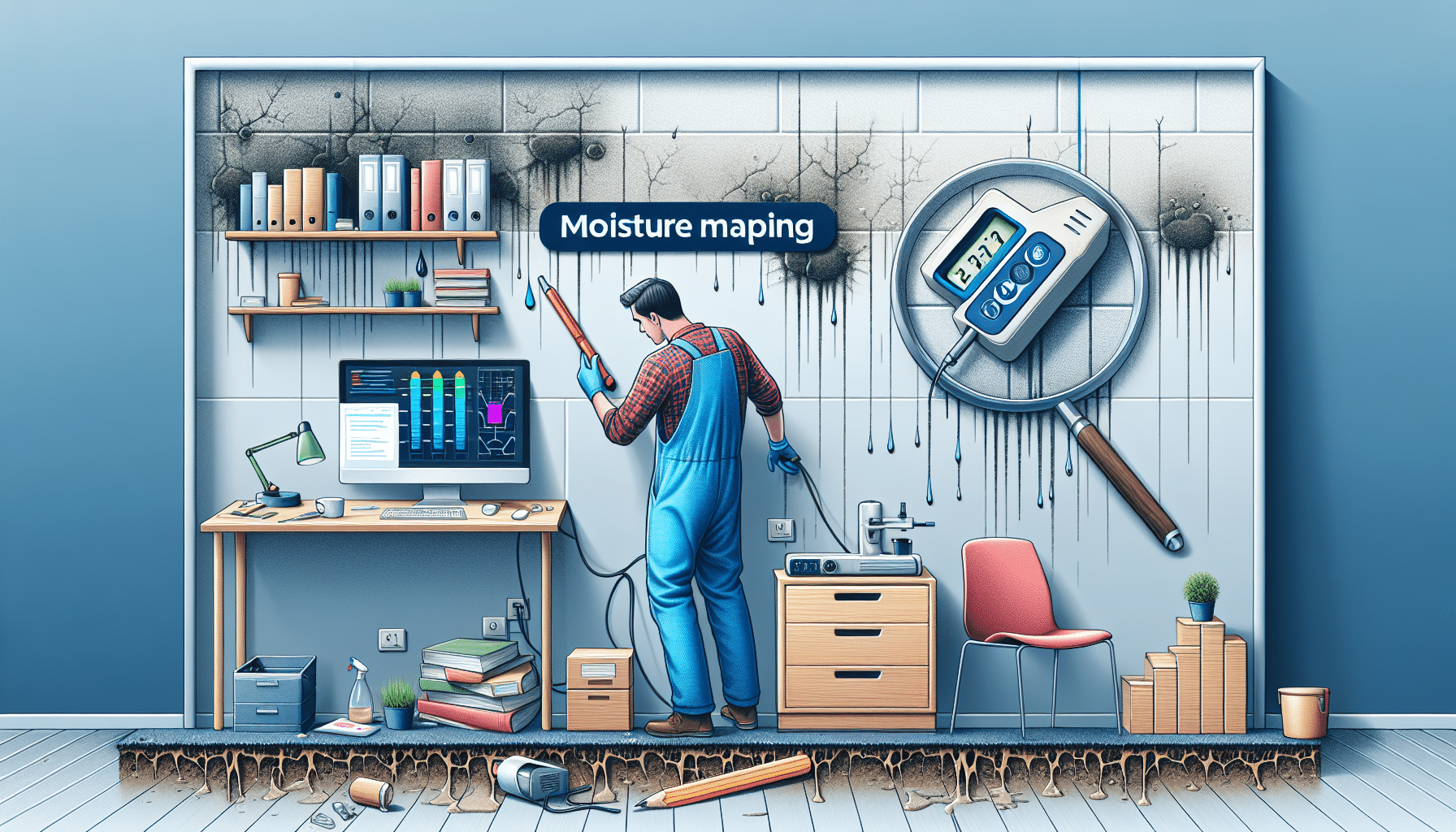
Why Do I Need Moisture Mapping? 8 Critical Reasons
E: I Need Moisture Mapping Insights</h2
F: I Need Moisture Mapping Insights</h2
W: I Need Moisture Mapping Insights
W: I Need Moisture Mapping Insights
p>In Dubai’s extreme climate, where air conditioning battles high humidity and temperatures often exceed 40°C, hidden moisture can silently destroy villas and apartments. Why Do I need moisture mapping? This essential process uncovers invisible water intrusion, preventing mold growth, structural decay, and health risks that plague UAE properties. As CTO of Saniservice and Director of Indoor Sciences, I’ve seen countless cases where early moisture mapping saved homeowners AED 20,000 to AED 50,000 in repairs.[1][2]
Moisture mapping goes beyond visual inspections, using precise tools to create detailed maps of water-affected areas. It identifies the extent of damage, tracks drying progress, and ensures complete restoration. In regions like Sharjah and Abu Dhabi, where rapid construction meets desert humidity, grasping why do I need moisture mapping? is vital for protecting investments.[1][3]
Understanding Why Do I Need Moisture Mapping?
Moisture mapping systematically identifies and documents water intrusion in buildings. It answers why do I need moisture mapping? by providing a visual grid of moisture levels, distinguishing wet from dry areas.[1] Without it, hidden damage spreads unchecked.
In my 12+ years at Saniservice, I’ve mapped moisture in hundreds of Dubai villas. This process reveals migration paths water takes through walls and floors, crucial in UAE’s sealed, air-conditioned homes.[2] It prevents secondary issues like mold, which thrives above 60% relative humidity.
Moisture vs. Visible Damage
Visual checks miss 80% of issues; moisture mapping quantifies content in materials like gypsum board (safe under 15% moisture content).[1] This precision explains why do I need moisture mapping? for accurate assessments.
What Is Moisture Mapping?
Moisture mapping creates visual representations—photos or drawings overlaid with grids showing moisture levels at specific points.[1][4] Each grid segment records data from meters, colour-coded for severity.
Professionals use apps like Tramex Meters to plot readings instantly. This answers why do I need moisture mapping?: it tracks water from entry points, mapping its full extent.[1]
Types of Moisture Maps
- Wall Maps: Grid readings through plaster or drywall.
- Floor Maps: Subfloor saturation levels.
- 3D Models: Digital overlays for complex structures.
These tools make invisible problems visible, a core reason why do I need moisture mapping?.[4]
Why Do I Need Moisture Mapping in Dubai’s Climate?
Dubai’s humidity (up to 90% in summer) combined with constant cooling creates condensation traps. Why do I need moisture mapping? Thermal bridges in walls—common in UAE concrete builds—form dew points at 10-15°C, fostering hidden moisture.[2]
In Abu Dhabi villas, AC drain leaks often go undetected. Mapping pinpoints these, preventing AED 15,000+ in mold remediation.[3] It’s essential for Ras Al Khaimah’s coastal properties too.
UAE-Specific Challenges
Rapid construction skips vapour barriers, leading to interstitial condensation. Moisture mapping identifies these flaws early.[1]
8 Key Benefits: Why Do I Need Moisture Mapping?
Here are eight critical reasons why do I need moisture mapping?, drawn from field experience and industry data.
- Early Detection: Spots intrusion before mold forms (within 48 hours).[2]
- Precise Extent: Defines wet zones accurately, avoiding over-drying.[1]
- Cost Savings: Prevents AED 10,000-50,000 repairs by targeting fixes.[3]
- Mold Prevention: Identifies high-risk areas above 16% moisture.[2]
- Insurance Proof: Documented maps support claims.[4]
- Drying Monitoring: Tracks progress with repeat grids.[1]
- Structural Integrity: Reveals wood rot risks in frames.[5]
- Health Protection: Stops allergens from hidden sources.[2]
Tools and Techniques for Moisture Mapping
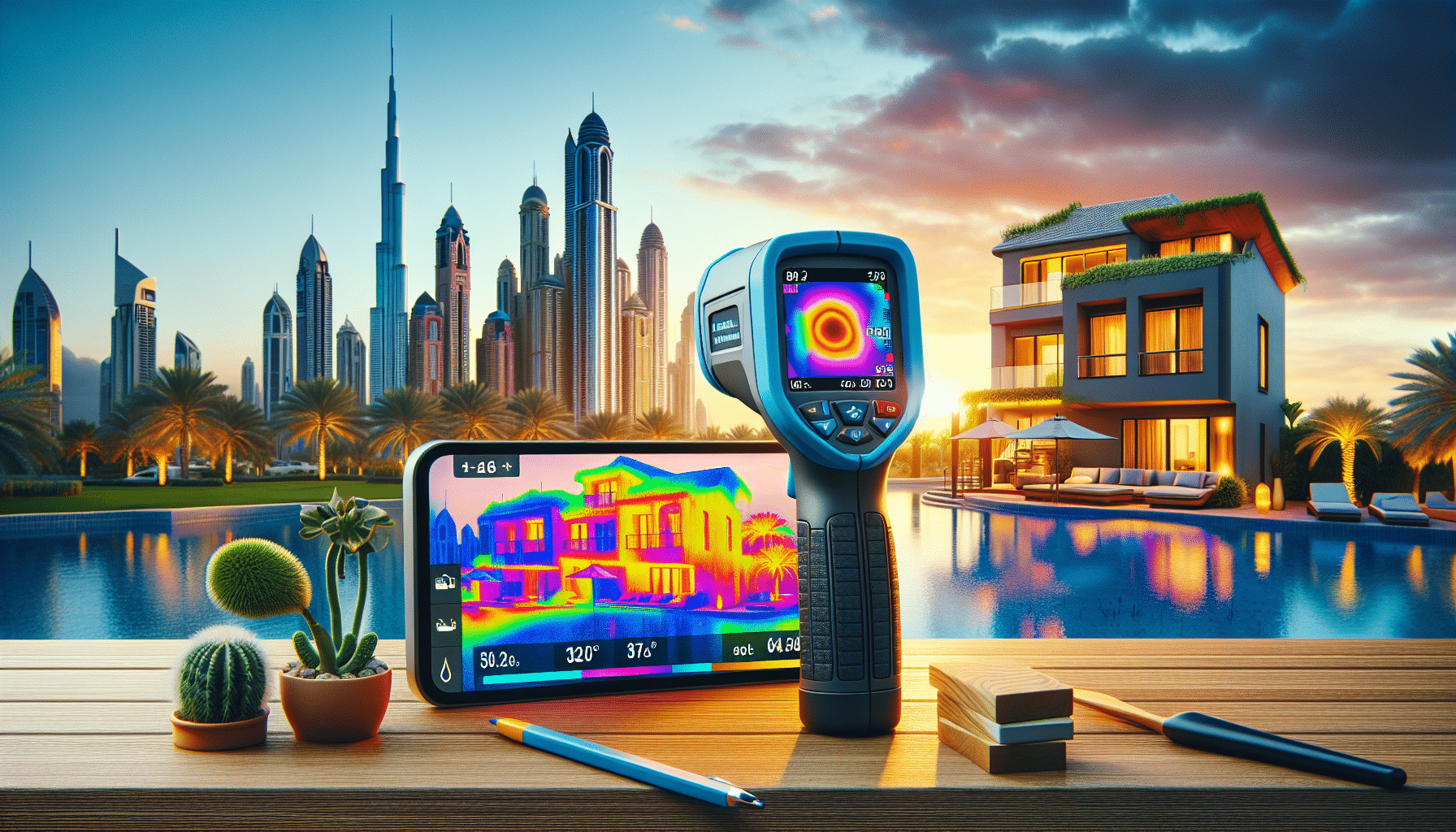
Non-invasive tools answer why do I need moisture mapping? without demolition. Pinless meters penetrate 30mm into materials; thermal cameras detect temperature differentials indicating moisture.[1][5]
Infrared thermography shows evaporative cooling (3-5°C drops). Combine with moisture encounters for hybrid maps.[1]
Advanced UAE Applications
For Dubai high-rises, drone-assisted mapping covers large areas. Bluetooth apps generate real-time PDFs.[4]
The Moisture Mapping Process: Step-by-Step
Step 1: Establish dry standards from unaffected areas (e.g., 12% wood moisture).[1] Step 2: Grid the site (1m x 1m squares).
Step 3: Record readings, colour-code (green: dry, red: saturated). This systematic approach clarifies why do I need moisture mapping?.[1][2]
Post-Mapping Actions
Generate reports with remediation plans. Monitor weekly until dry.[2]
Common Moisture Problems in UAE Buildings and Why Mapping Matters
Leaks from AC units affect 40% of Dubai calls. Mapping traces paths behind skirtings.[3] Why do I need moisture mapping? It reveals hygrothermal dysfunction at wall-floor junctions.
In Riyadh villas, groundwater rise causes slab wicking. Sharjah apartments suffer roof ponding.[2]
Hidden Risks
Biofilm in cavities leads to odours; mapping prevents escalation.[5]
Case Studies: Real Proof of Why Do I Need Moisture Mapping
In a Jumeirah villa, mapping found 25% subfloor moisture from a concealed pipe leak, averting AED 30,000 rot repairs.[3] Visible damp was minor; mapping showed full extent.
Abu Dhabi office: Thermal imaging mapped wall cavities at 18% MC, preventing mold shutdown. Why do I need moisture mapping? It saved operations.[1]
Saniservice Example
We mapped a Sharjah home’s skirting mold—condensation from thermal bridging. Remediation cost AED 5,000 vs. AED 25,000 rebuild.[2]
When to Call Professionals for Moisture Mapping
After floods, leaks, or musty odours. In UAE, post-rain (rare but intense) or AC failures.[3] DIY misses depths; pros use calibrated tools.
Expect AED 1,500-4,000 for villa surveys. IAC2-certified experts ensure accuracy.[5]
FAQs: Why Do I Need Moisture Mapping?
Q: How often should I do it? Annually in high-risk UAE homes.[2]
Q: Is it invasive? No, non-destructive.[1]
Q: Does insurance cover it? Often, as preventive.[4]
Expert Tips and Key Takeaways
- Combine mapping with air quality tests for full IEQ assessment.
- In Dubai, check AC pans quarterly.
- Use dehumidifiers (<50% RH) post-mapping.
- Reference: Tramex Meters guide; IICRC S500 standards; EPA mold resources.
In summary, why do I need moisture mapping? It safeguards health, saves costs, and preserves structures in demanding climates like Dubai’s. Act early—contact certified pros today.
Image Alt Suggestion: Why Do I Need Moisture Mapping? – Thermal image showing hidden wall moisture in Dubai villa, colour-coded grid. (98 chars)

JV de Castro, IAC2
JV de Castro is the Chief Technology Officer at Saniservice, where he leads innovation in indoor environmental sciences, IT infrastructure, and digital transformation. With over 20 years of experience spanning architecture, building science, technology management, digital media architecture, and consultancy, he has helped organizations optimize operations through smart solutions and forward-thinking strategies. JV holds a Degree in Architecture, a Masters of Research in Anthropology, an MBA in Digital Communication & Media, along with certifications in mold, building sciences and advanced networking. Passionate about combining technology, health, and sustainability, he continues to drive initiatives that bridge science, IT, and business impact.


Leave a Reply