


Food Impacts Human Health: How Mycotoxin Contamination in :
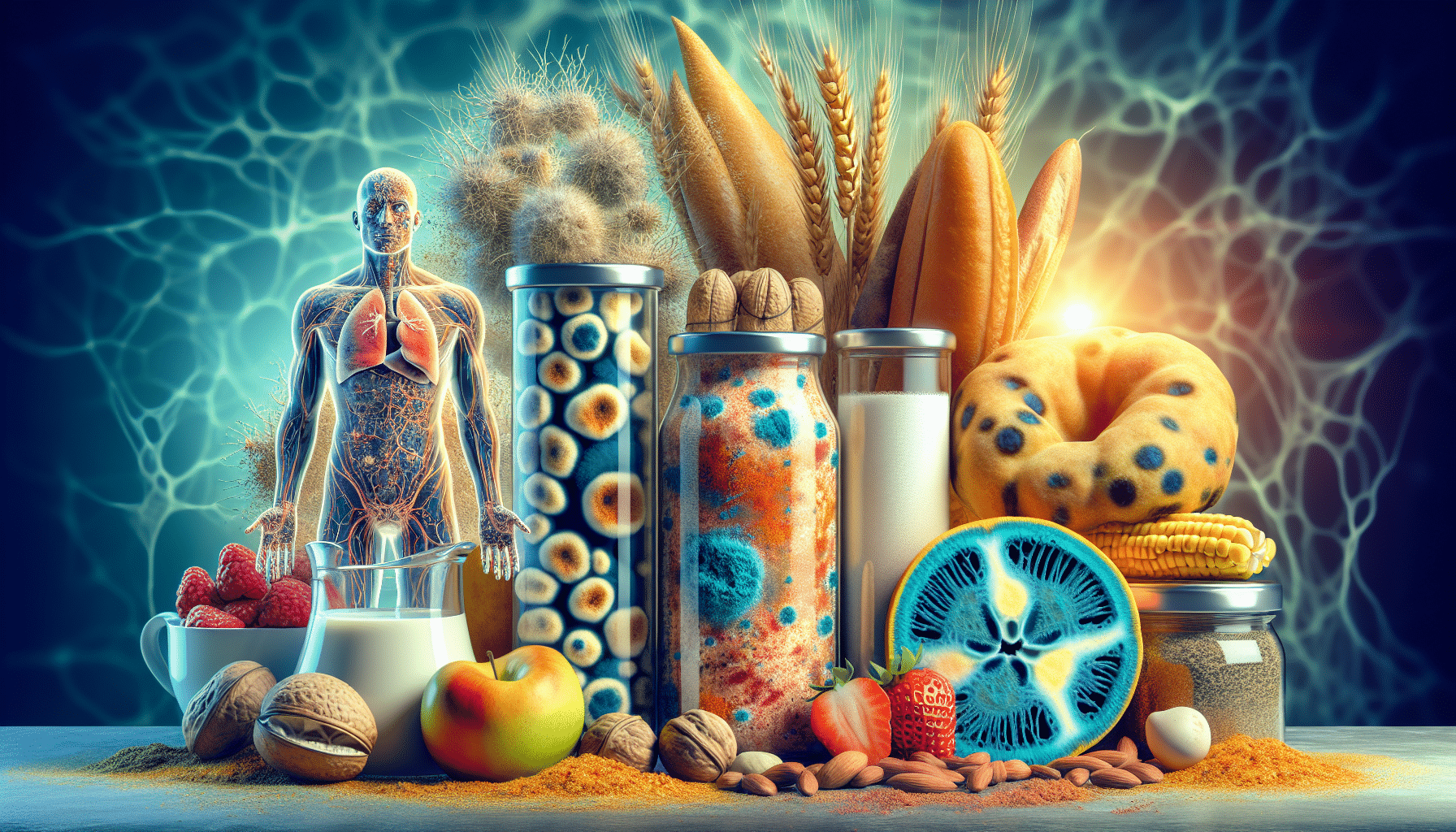
How mycotoxin contamination in food impacts human health is a critical concern for families across Dubai, Abu Dhabi, and the UAE. These toxic compounds, produced by fungi on staples like cereals, nuts, and spices common in Gulf diets, contaminate up to 80% of global crops.[1] Even low levels trigger immunosuppression, organ damage, and cancer, amplified by our hot, humid climate that favours fungal growth during storage.[2]
In the UAE, imported grains and dates face heightened risks due to long supply chains and high temperatures above 40°C, making awareness essential. This comprehensive guide examines how mycotoxin contamination in food impacts human health, drawing from global research and local relevance. Understanding these effects empowers homeowners and parents to protect their households.[1][3]
Understanding How Mycotoxin Contamination in Food Impacts Human Health
Mycotoxins are toxic secondary metabolites from filamentous fungi like Aspergillus and Penicillium. They contaminate food pre-harvest, during storage, or transport, surviving milling, baking, and boiling.[1][2] Globally, 25-80% of crops carry these toxins, with variability from climate and surveillance.[1]
How mycotoxin contamination in food impacts human health stems from their stability and bioavailability. Absorbed efficiently, they bind plasma proteins and target organs like liver and kidneys.[1] In humid UAE storage, risks rise for rice, maize, and nuts imported via Jebel Ali port.[2]
Health organisations like FAO highlight mycotoxins as a One Health threat, affecting plants, animals, and humans via contaminated feed passing to milk and meat.[2] This interconnected risk explains how mycotoxin contamination in food impacts human health profoundly.[3]
Historical Context and Global Burden
Ergotism from Claviceps purpurea caused epidemics in medieval Europe, with convulsions and gangrene.[2] Today, aflatoxins link to hepatocellular carcinoma, especially with hepatitis B in high-risk areas.[1] In developing regions, poor storage exacerbates issues.[5]
Over 300 mycotoxins exist, but key ones dominate dietary exposure.[5] Their heat resistance means cooking fails to eliminate them, underscoring how mycotoxin contamination in food impacts human health persistently.[2]
How Mycotoxin Contamination In Food Impacts Human Health – Common Mycotoxins and Food Sources
Aflatoxins (B1, B2, G1, G2) from Aspergillus flavus top the list, contaminating maize, peanuts, tree nuts, and spices. Aflatoxin B1 metabolises to M1 in milk, risking infants.[1][2]
Ochratoxin A (OTA) from Aspergillus and Penicillium affects cereals, coffee, cocoa, grapes, and meats. It causes nephrotoxicity and links to Balkan endemic nephropathy.[1]
Deoxynivalenol (DON) or vomitoxin from Fusarium hits wheat and barley, causing acute gastrointestinal outbreaks.[1] Zearalenone mimics oestrogen, impacting reproduction.[3]
UAE-Relevant Sources
In Dubai and Riyadh markets, imported cereals, dates, and pistachios pose risks. High humidity (up to 90% in summer) and temperatures promote Aspergillus on stored grains.[2] Local dairy from contaminated feed carries aflatoxin M1.[2]
Mechanisms of How Mycotoxin Contamination in Food Impacts Human Health
Mycotoxins disrupt cellular processes: AFB1 induces TP53 mutations leading to liver cancer.[1] OTA binds DNA, causing nephrotoxicity and immunotoxicity.[1] DON inhibits protein synthesis, triggering vomiting.[1][4]
They alter gut microbiota, increasing permeability and inflammation. OTA suppresses tight junction proteins, allowing toxins into bloodstream.[4] This explains how mycotoxin contamination in food impacts human health at molecular levels.[3]
Oxidative stress from mycotoxins damages cells, contributing to carcinogenesis and immunosuppression.[3] Co-exposures with viruses amplify effects.[1]
Absorption and Metabolism
Ingestion leads to rapid absorption in the gut. Liver metabolises many via cytochrome P450, producing reactive intermediates.[1] Excretion varies; OTA persists in kidneys.[1]
Acute Effects of Mycotoxin Exposure
High-dose DON outbreaks cause fever, dizziness, diarrhoea, and vomiting, as in China and India cases.[1][4] T-2 toxin from mouldy rice induced chills, nausea, and abdominal pain in 65% of victims.[4]
Ergotism presents as convulsive (seizures) or gangrenous forms.[2] In UAE, improper storage could trigger similar GI distress from contaminated rice imports.[5]
Symptoms onset rapidly post-consumption, resolving if exposure stops, but severe cases need medical intervention.[1]
Outbreak Examples
India and USA reported DON toxicosis with vomiting.[4] These illustrate how mycotoxin contamination in food impacts human health acutely, often misdiagnosed as food poisoning.[1]
Chronic Effects and Long-Term Risks
Low-dose exposure links to immunosuppression, growth stunting in children, and cancer.[1][2] Aflatoxins cause liver cancer via TP53 mutations, worsened by hepatitis.[1]
OTA contributes to kidney disease; chronic intake impairs growth and immunity.[1][3] Zearalenone causes endocrine disruption, fertility issues.[3]
How mycotoxin contamination in food impacts human health chronically includes neurotoxicity, oestrogenicity, and metabolic syndrome.[3] In Saudi Arabia and UAE, staple consumption heightens cumulative risks.[5]
Cancer and Organ Toxicity
Aflatoxins are potent carcinogens; OTA and fumonisins add hepatotoxicity and nephrotoxicity.[3][5] Long-term, they suppress immunity, increasing infections.[2]
Vulnerable Populations in the UAE
Children face higher relative doses due to low body weight and immature detoxification, risking growth impairment from cereals and baby foods.[1] Pregnant women encounter teratogenicity from OTA.[1]
Immunocompromised individuals in Dubai clinics suffer amplified effects.[1] Expat families relying on imported nuts and grains are at risk amid UAE’s diverse diets.[2]
Elderly in Sharjah retirement homes, consuming coffee and cereals, face chronic kidney risks from OTA.[1] These groups highlight how mycotoxin contamination in food impacts human health unevenly.[3]
Infant and Child-Specific Risks
Aflatoxin M1 in milk threatens UAE infants; studies show stunted growth.[2] Routine testing in baby foods is advised.[1]
Mycotoxins in UAE Food Chains
UAE imports 90% of food, exposing grains from humid origins to fungal growth en route.[2] Dubai’s freezers mitigate but don’t eliminate risks; poor home storage at 30-40°C worsens contamination.[5]
Local dates and spices in souks like Deira may harbour aflatoxins if damp.[2] Animal feed contamination passes to camel milk and poultry, common in Riyadh and Jeddah.[2]
Regulations like UAE.GS 1016 limit aflatoxins to 4 µg/kg in nuts, but enforcement varies.[5] This context frames how mycotoxin contamination in food impacts human health locally.[1]
Supply Chain Vulnerabilities
From farm to table, delays in hot climates (over 50°C in trucks) promote mycotoxins.[2] Home pantries without dehumidifiers (ideal <60% RH) sustain growth.[1]
Prevention Strategies for Mycotoxin Risks
Store grains in cool, dry places (<14% moisture, <20°C) using airtight containers. In UAE villas, install dehumidifiers (AED 500-2,000) to control humidity.[2]
Buy from certified suppliers; check for ESMA marks on cereals. Discard mouldy nuts or grains immediately.[1] Diverse diets reduce exposure.[5]
Advanced: Use biocontrol agents or adsorbents in feed.[2] For families, regular testing kits (AED 200-500) offer peace of mind.[5] These steps mitigate how mycotoxin contamination in food impacts human health.[3]
Regulatory and Home Tips
UAE’s MoCCAE monitors imports; report suspect food via 8001717. Cook thoroughly, though ineffective alone.[1] Ventilation in Abu Dhabi kitchens prevents condensation.[2]
Key Takeaways on Mycotoxin Health Impacts
- Mycotoxins like aflatoxins and OTA cause acute GI issues and chronic cancers, immunosuppression.[1][3]
- Vulnerable UAE groups: children, pregnant women, elderly.[1]
- Prevent via dry storage, certified foods, dehumidifiers.[2][5]
- Local climate amplifies risks; vigilance protects health.[2]
In summary, how mycotoxin contamination in food impacts human health demands proactive measures. From Dubai homes to Riyadh markets, science-backed habits safeguard families against these invisible toxins.[1][2][3]

JV de Castro, IAC2
JV de Castro is the Chief Technology Officer at Saniservice, where he leads innovation in indoor environmental sciences, IT infrastructure, and digital transformation. With over 20 years of experience spanning architecture, building science, technology management, digital media architecture, and consultancy, he has helped organizations optimize operations through smart solutions and forward-thinking strategies. JV holds a Degree in Architecture, a Masters of Research in Anthropology, an MBA in Digital Communication & Media, along with certifications in mold, building sciences and advanced networking. Passionate about combining technology, health, and sustainability, he continues to drive initiatives that bridge science, IT, and business impact.


Leave a Reply