


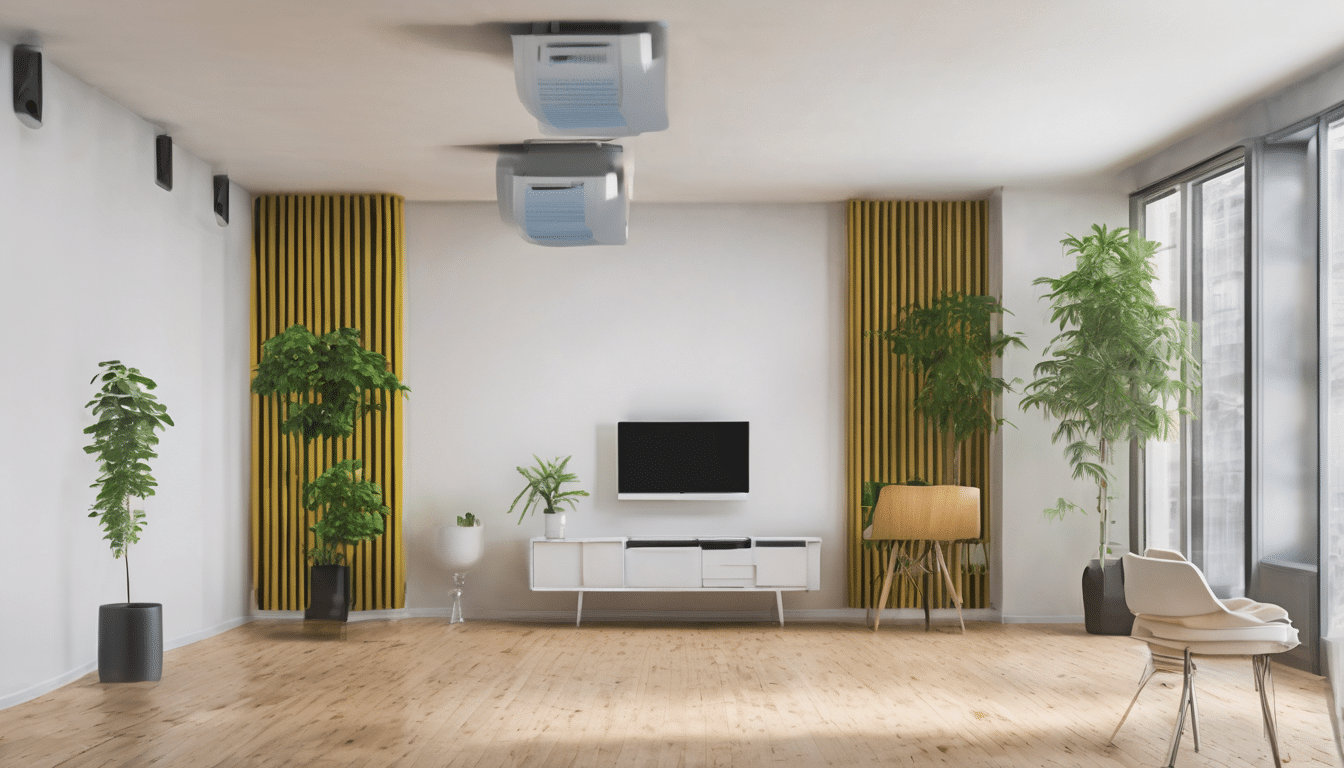
Use Case Of Building An Indoor Air Quality Monitoring System
Understanding Use Case of Building An Indoor Air Quality Monitoring System is essential. —
—
—
—
Introduction to Indoor Air Quality Monitoring Systems
Indoor air quality (IAQ) is a critical factor that impacts the health and productivity of individuals within any enclosed space. Building an indoor air quality monitoring system can provide real-time data on pollutants, contaminants, and other factors affecting IAQ. This article explores 10 essential use cases for implementing such systems in various settings, including offices, schools, homes, hospitals, factories, retail spaces, smart homes, and public health initiatives.
Understanding the specific needs and challenges of each environment is crucial to designing effective monitoring solutions that deliver actionable insights and improve overall IAQ. Whether your goal is to protect employees’ health in a workplace or enhance air quality for residents in a residential building, this comprehensive guide will help you identify key use cases and implement strategies to optimize indoor environments. This relates directly to Use Case Of Building An Indoor Air Quality Monitoring System.
—
Use Case Of Building An Indoor Air Quality Monitoring System – Business Use Cases: Offices and Schools
1. Protecting Employee Health in Office Spaces:
In commercial office buildings, IAQ can significantly affect employee health, productivity, and overall well-being. Monitoring systems can detect pollutants such as volatile organic compounds (VOCs), carbon dioxide (CO2), particulate matter, and other contaminants that may arise from building materials, cleaning products, or outdoor air pollution.
Why: High levels of CO2, for example, can lead to symptoms like headaches, dizziness, and fatigue. By installing sensors, companies can ensure optimal ventilation and maintain healthy indoor air quality. When considering Use Case Of Building An Indoor Air Quality Monitoring System, this becomes clear.
Example: A large corporation in Dubai installed an IAQ monitoring system that continuously tracks CO2 levels and VOC emissions from office furniture. The data revealed that certain areas had higher concentrations of pollutants due to poor ventilation, leading to the implementation of targeted improvements such as increased air exchanges and regular cleaning protocols.
—
Office Use Cases:
- Monitoring CO2 levels in meeting rooms and workstations
- Detecting VOC emissions from furniture and office supplies
- Evaluating air quality during peak occupancy periods
- Identifying sources of indoor pollutants for targeted mitigation efforts
—
Use Case Of Building An Indoor Air Quality Monitoring System – Residential Use Cases: Homes and Apartments
2. Ensuring Healthy Living Conditions in Homes:
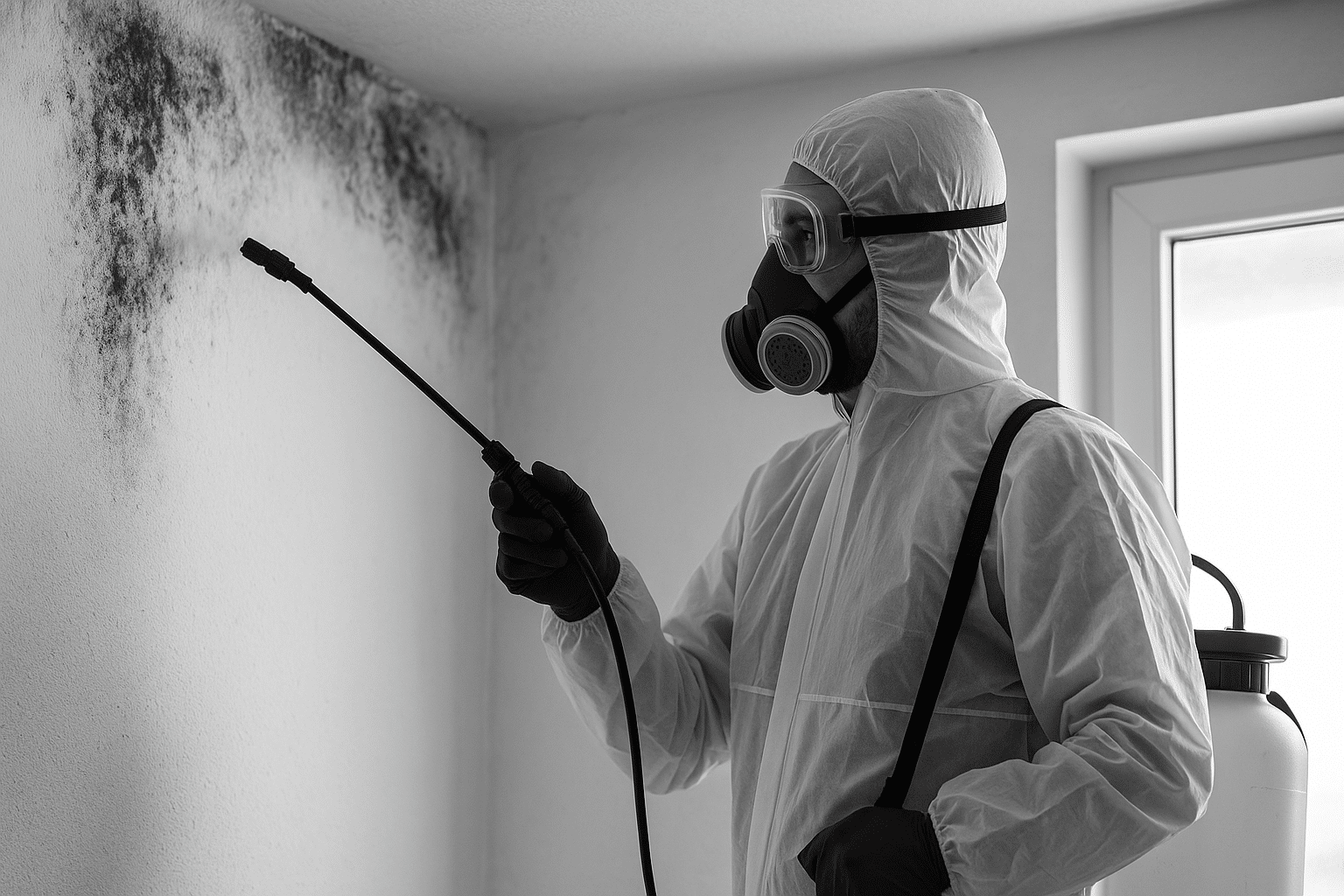
Homeowners are increasingly concerned about the air quality within their living spaces, especially as more people spend a significant portion of their time indoors. IAQ monitoring systems can help identify potential issues such as mold growth, pollen accumulation, and exposure to radon gas.
Why: Mold spores, for instance, can trigger respiratory problems like asthma and allergies. Radon is a radioactive gas that can cause lung cancer when inhaled over prolonged periods. By monitoring these factors, homeowners can take proactive measures to improve indoor air quality and create healthier living environments.
Example: A family living in an apartment complex in Dubai noticed persistent musty odors despite regular cleaning efforts. An IAQ monitoring system revealed hidden mold growth behind the walls of their bathroom due to poor ventilation. The homeowners were able to address this issue by improving air flow and treating the affected areas, thereby reducing the risk of mold-related health problems.
—
Residential Use Cases:
- Tracking mold spore counts in bathrooms and basements
- Monitoring radon levels in homes with basements or crawl spaces
- Evaluating indoor humidity levels to prevent mold growth
- Detecting allergens from pets, dust mites, and pollen
The importance of Use Case Of Building An Indoor Air Quality Monitoring System is evident here.
—
Use Case Of Building An Indoor Air Quality Monitoring System – Healthcare Use Cases: Hospitals and Clinics
3. Safeguarding Patient Health in Healthcare Facilities:
Hospitals and clinics require stringent IAQ controls to protect both patients and healthcare workers from airborne contaminants that could exacerbate illnesses or spread infections.
Why: Poor air quality can weaken the immune system, increase susceptibility to respiratory diseases, and even prolong recovery times. By implementing robust monitoring systems, medical facilities can ensure a clean and safe environment for all occupants. Understanding Use Case Of Building An Indoor Air Quality Monitoring System helps with this aspect.
Example: A leading hospital in Dubai installed an IAQ monitoring network that continuously tracks particulate matter, VOCs, and microorganisms in various areas of the facility. The data helped identify hotspots where air quality was suboptimal, prompting targeted interventions such as enhanced ventilation systems and regular cleaning schedules.
—
Healthcare Use Cases:
- Monitoring particulate matter in operating rooms and patient care areas
- Detecting microbial growth in HVAC ducts and filters
- Evaluating air quality during surgeries and other procedures
- Ensuring proper ventilation for patients with respiratory conditions
—
Industrial Use Cases: Factories and Warehouses
4. Ensuring Worker Safety in Industrial Environments:
In factories and warehouses, IAQ monitoring systems are essential for protecting workers from harmful substances that may be present due to manufacturing processes or storage conditions.
Why: Exposure to toxic chemicals, dust particles, and other contaminants can lead to serious health issues like lung damage, skin irritations, and even long-term chronic illnesses. By deploying sensors throughout the facility, companies can identify problem areas and implement corrective actions to maintain a safe working environment.
Example: A manufacturing plant in Dubai faced repeated complaints from workers about respiratory issues and eye irritation. An IAQ monitoring system revealed that high levels of particulate matter were accumulating in certain sections of the facility due to inadequate exhaust ventilation. The company responded by upgrading its HVAC systems, installing additional exhaust fans, and providing personal protective equipment (PPE) for affected staff members.
—
Industrial Use Cases:
- Monitoring particulate matter in production areas
- Detecting VOC emissions from industrial processes
- Evaluating air quality during material handling operations
- Ensuring proper ventilation for toxic substance storage areas
Use Case Of Building An Indoor Air Quality Monitoring System factors into this consideration.
—
Retail Use Cases: Shopping Malls and Stores
5. Enhancing Customer Experience in Retail Spaces:
Retail environments, including shopping malls and stores, need to maintain optimal IAQ levels to provide a pleasant shopping experience for customers and staff.
Why: Poor air quality can lead to discomfort, reduced customer satisfaction, and decreased sales. By implementing an IAQ monitoring system, retailers can ensure that their premises are well-ventilated, free from allergens, and free of odors that might deter potential buyers. This relates directly to Use Case Of Building An Indoor Air Quality Monitoring System.
Example: A luxury retail store in Dubai experienced a significant increase in foot traffic following the installation of an IAQ monitoring network. The data revealed that certain areas had higher concentrations of VOCs due to the use of fragrances and cleaning agents. The store responded by adjusting its product displays, using natural fragrance alternatives, and improving exhaust ventilation systems.
—
Retail Use Cases:
- Monitoring VOC levels in perfume zones and other areas with strong odors
- Detecting allergens from cleaning products and fabric softeners
- Evaluating air quality during peak shopping hours
- Ensuring proper ventilation for indoor plants and decorative features
—
Smart Home Automation: Integrating IAQ with IoT Devices
6. Enhancing Smart Home Integration:
The integration of IAQ monitoring systems into smart home ecosystems can provide homeowners with comprehensive insights and automated responses to maintain optimal indoor air quality.
Why: By connecting sensors to smart devices, such as HVAC systems, lights, and ventilation fans, users can receive real-time alerts when air quality drops below acceptable levels. This allows for immediate corrective actions to be taken, ensuring a consistently healthy living environment.
Example: A family in Dubai installed an IAQ monitoring system that was integrated with their smart home automation platform. When the data showed high levels of CO2 or particulate matter, the sensors would trigger the HVAC system to increase air exchanges and alert the homeowners via a smartphone app.
—
Smart Home Use Cases:
- Automating ventilation systems based on IAQ data
- Sending alerts to mobile devices when pollutant levels exceed safety thresholds
- Controlling indoor temperature and humidity for optimal comfort
- Integrating with air purifiers and other smart home appliances
When considering Use Case Of Building An Indoor Air Quality Monitoring System, this becomes clear.
—
Environmental Monitoring: Protecting Outdoor Spaces from Indoor Contaminants
7. Mitigating Air Quality Impacts on Outdoor Spaces:
Outdoor areas, such as parks and recreational spaces, can be affected by indoor pollutants that escape through windows or are carried in by ventilation systems.
Why: By monitoring IAQ at both interior and exterior points, facilities can identify sources of contamination and implement measures to minimize their impact on the surrounding environment. This is particularly important for public spaces where people spend a significant amount of time outdoors. The importance of Use Case Of Building An Indoor Air Quality Monitoring System is evident here.
Example: A city park in Dubai noticed an increase in allergy-related complaints among visitors. Upon investigation, it was found that high levels of pollen from nearby construction sites were being brought indoors through poorly sealed windows and ventilation systems. The park management responded by installing air purifiers at strategic locations and sealing gaps to prevent outdoor pollutants from entering the facility.
—
Environmental Use Cases:
- Tracking pollen levels in parks and recreational areas
- Mitigating dust and particulate matter from construction sites
- Evaluating indoor-outdoor air quality exchange rates
- Implementing barriers to prevent outdoor pollutants from entering buildings
—
Construction Industry Use Cases: Monitoring Sites and Workers’ Health
8. Ensuring Worker Safety on Construction Sites:
Construction sites can present unique challenges for IAQ, with potential sources of pollution including dust, fumes from materials, and volatile organic compounds (VOCs).
Why: By implementing an IAQ monitoring system at construction sites, project managers can identify problem areas early on and take corrective actions to protect workers’ health. This is especially important given the high levels of exposure that construction workers often face.
Example: A construction company in Dubai installed an IAQ monitoring network across multiple projects to ensure compliance with local air quality regulations. The data revealed that certain zones had higher concentrations of dust and VOCs due to inadequate waste management practices. The company responded by implementing improved waste disposal procedures, providing PPE for workers, and enhancing on-site ventilation systems.
—
Construction Use Cases:
- Monitoring dust levels during demolition and excavation
- Detecting fumes from welding and cutting operations
- Evaluating air quality in confined spaces (e.g., trenches, basements)
- Ensuring proper ventilation for storage of hazardous materials
Understanding Use Case Of Building An Indoor Air Quality Monitoring System helps with this aspect.
—
Public Health and Policy: Implementing IAQ Standards
9. Promoting Public Health through Standardized Monitoring:
At the policy level, governments can implement standardized IAQ monitoring programs to ensure that public buildings meet minimum health standards.
Why: By establishing clear guidelines and requirements for IAQ monitoring, policymakers can hold building owners and operators accountable for maintaining healthy indoor environments. This helps protect vulnerable populations such as children, elderly individuals, and those with pre-existing medical conditions. Use Case Of Building An Indoor Air Quality Monitoring System factors into this consideration.
Example: The government of Dubai initiated a comprehensive IAQ monitoring program across schools, hospitals, public offices, and other key facilities. The initiative involved installing sensors in strategic locations to track various parameters such as CO2, VOCs, particulate matter, and mold spores. Regular reports were generated to identify areas that required attention, leading to the implementation of targeted improvements.
—
Policy Use Cases:
- Developing regulatory frameworks for IAQ monitoring
- Establishing minimum acceptable thresholds for pollutants
- Evaluating compliance with IAQ standards in public buildings
- Promoting awareness and education on IAQ among the general population
—
Future Trends in Indoor Air Quality Monitoring Technology
10. Embracing Emerging Technologies:
The field of IAQ monitoring is continually evolving, with new technologies and methodologies emerging to enhance the accuracy and effectiveness of these systems.
Why: By staying ahead of technological advancements, businesses can gain a competitive edge in maintaining optimal indoor air quality. This includes integrating advanced sensors, machine learning algorithms, and big data analytics to provide deeper insights into IAQ trends and patterns.
Example: A research institute in Dubai is exploring the use of nanosensors for real-time monitoring of trace-level pollutants such as formaldehyde and benzene. These miniature devices can be embedded into building materials or integrated into existing HVAC systems to provide continuous, high-resolution data on air quality.
—
Future Trends Use Cases:
- Implementing nanosensors for trace-level pollutant detection
- Using machine learning algorithms to predict IAQ trends
- Enhancing data analysis through big data platforms
- Incorporating IoT devices for seamless integration with smart buildings
This relates directly to Use Case Of Building An Indoor Air Quality Monitoring System.
—
Expert Tips for Building an Indoor Air Quality Monitoring System
TIP 1: Choose the Right Sensors: Select sensors that can accurately measure key parameters such as CO2, VOCs, particulate matter, and humidity. Ensure they are calibrated regularly to maintain accuracy.
TIP 2: Install Strategically: Place sensors in areas where IAQ is most critical, such as near air intakes, exhaust vents, and occupied spaces. This will provide a comprehensive overview of the building’s overall air quality.
TIP 3: Integrate with Building Automation Systems: Connect monitoring systems to existing HVAC, lighting, and other smart devices for automated response to IAQ alerts. This ensures that corrective actions are taken promptly to maintain healthy conditions. When considering Use Case Of Building An Indoor Air Quality Monitoring System, this becomes clear.
TIP 4: Train Staff on Proper Usage: Educate building occupants and maintenance staff on how to use the system effectively. Provide clear guidelines and training materials to ensure everyone understands their role in maintaining optimal IAQ.
TIP 5: Regularly Review Data: Schedule regular meetings with relevant stakeholders to review data trends, identify issues, and discuss corrective actions. This helps maintain a proactive approach to IAQ management.
—
FAQs
Q1: How do I choose the right IAQ monitoring system for my building?
A1: Consider factors such as the size of your facility, specific pollutants you need to monitor, and budget constraints. Consult with experts in IAQ monitoring technology who can provide recommendations based on your unique needs.
Q2: Can I integrate an IAQ monitoring system with my existing HVAC setup?
A2: Yes, many modern HVAC systems are compatible with IAQ sensors and can be integrated to control ventilation and air quality automatically. Consult a professional for advice on integration options.
Q3: How often should I replace or recalibrate the sensors in my monitoring system?
A3: Sensors should be replaced or recalibrated every 6-12 months, depending on usage and manufacturer guidelines. Regular maintenance ensures accurate data collection and reliable performance.
—
Conclusion
Building an indoor air quality monitoring system offers numerous benefits across various sectors, from protecting employee health in offices to enhancing customer experiences in retail spaces. By understanding the specific use cases for different environments, businesses can implement effective IAQ strategies that improve overall well-being and productivity.
The future of IAQ monitoring technology holds exciting possibilities, with emerging technologies poised to revolutionize how we understand and manage indoor air quality. As we continue to develop and adopt these advancements, we can create healthier, more sustainable living and working environments for everyone. The importance of Use Case Of Building An Indoor Air Quality Monitoring System is evident here.
—
—
—

—
tags: #indoor-air-quality #air-quality-monitoring #health-and-safety #smart-buildings #iot-devices #indoor-environmental-health Understanding Use Case Of Building An Indoor Air Quality Monitoring System is key to success in this area.

JV de Castro, IAC2
JV de Castro is the Chief Technology Officer at Saniservice, where he leads innovation in indoor environmental sciences, IT infrastructure, and digital transformation. With over 20 years of experience spanning architecture, building science, technology management, digital media architecture, and consultancy, he has helped organizations optimize operations through smart solutions and forward-thinking strategies. JV holds a Degree in Architecture, a Masters of Research in Anthropology, an MBA in Digital Communication & Media, along with certifications in mold, building sciences and advanced networking. Passionate about combining technology, health, and sustainability, he continues to drive initiatives that bridge science, IT, and business impact.


Leave a Reply