Indoor Air Pollution Sources and Health Impacts Dubai Guide
Living in Dubai means embracing a modern lifestyle in some of the world’s most impressive architectural marvels. However, behind the gleaming facades and air-conditioned comfort lies a hidden challenge that affects every resident: indoor air pollution. The combination of our desert climate, constant air conditioning, rapid construction practices, and unique lifestyle factors creates a perfect storm for Indoor Air Pollution Sources and Health Impacts Dubai that many residents remain unaware of until health issues emerge.
At Saniservice’s Indoor Sciences division, we’ve spent over a decade researching and addressing Indoor Air Pollution Sources and Health Impacts Dubai through our unique architectural-microbiological approach. Having built Dubai’s only indoor environmental microbiology laboratory, we’ve documented hundreds of cases where hidden contaminants caused everything from chronic allergies to more serious health conditions. This guide draws from that extensive field experience to help you understand, identify, and address the Indoor Air Pollution Sources and Health Impacts Dubai that could be affecting your family right now.
The reality is that indoor air can be 2-5 times more polluted than outdoor air, according to EPA studies. In Dubai’s sealed environments where we spend 90% of our time indoors, understanding Indoor Air Pollution Sources and Health Impacts Dubai becomes not just a matter of comfort, but of essential health protection. This comprehensive guide will walk you through the most common contaminants, their health effects, and practical solutions tailored to our unique Gulf environment.
Indoor Air Pollution Sources And Health Impacts Dubai – Understanding Indoor Air Pollution Sources Dubai
Indoor Air Pollution Sources and Health Impacts Dubai begin with understanding our unique environmental context. The UAE’s combination of extreme outdoor conditions and sealed indoor environments creates distinct pollution pathways that differ from temperate climates. Our air-conditioned buildings, while providing comfort, often recirculate contaminants unless properly maintained and filtered.
The most significant Indoor Air Pollution Sources and Health Impacts Dubai stem from our building practices. Rapid construction timelines sometimes mean inadequate drying of building materials, leading to moisture entrapment within walls and ceilings. This moisture becomes the perfect breeding ground for biological contaminants that then circulate through HVAC systems. Additionally, many building materials imported from various regions may off-gas chemicals at higher rates in our warm climate.
Another critical factor in Indoor Air Pollution Sources and Health Impacts Dubai is our water usage patterns. The reliance on stored water in tanks creates potential for bacterial growth and contamination if not properly maintained. These water-borne contaminants can then become airborne through showers, humidifiers, or even simple evaporation, contributing to the overall indoor air pollution burden that affects respiratory health.
Indoor Air Pollution Sources And Health Impacts Dubai – Biological Contaminants: Mold and Allergens
Biological contaminants represent some of the most significant Indoor Air Pollution Sources and Health Impacts Dubai residents face. Mold growth in air-conditioned environments is particularly problematic because the constant cooling creates condensation surfaces where moisture accumulates. We’ve documented cases where mold colonies hidden behind walls reached millions of spores per cubic metre without any visible signs until health symptoms appeared.
The health implications of these biological Indoor Air Pollution Sources and Health Impacts Dubai range from allergic reactions to more serious respiratory conditions. Mold spores, fragments, and metabolic byproducts can trigger asthma attacks, cause chronic sinusitis, and lead to persistent coughing and wheezing. In our climate, the most common species include Aspergillus, Penicillium, and Cladosporium, each with different health implications and growth patterns.
Dust mites represent another major biological contributor to Indoor Air Pollution Sources and Health Impacts Dubai. These microscopic creatures thrive in our carpeted homes and upholstered furniture, feeding on skin cells and producing allergenic proteins in their waste. With many residents keeping indoor temperatures between 22-24°C and relative humidity often exceeding 50% due to inadequate dehumidification, we create ideal conditions for dust mite proliferation.
Hidden Mold Sources in Dubai Homes
Through thermal imaging and moisture mapping, we’ve identified consistent patterns in Indoor Air Pollution Sources and Health Impacts Dubai related to hidden mold growth. The most common locations include behind skirting boards where cold bridging occurs, within HVAC ductwork where condensation accumulates, and behind furniture placed against exterior walls. These hidden sources can continue releasing spores for years before becoming visible.
Indoor Air Pollution Sources And Health Impacts Dubai – Chemical Pollutants: VOCs and Formaldehyde
Chemical pollutants constitute a major category of Indoor Air Pollution Sources and Health Impacts Dubai that many residents overlook. Volatile Organic Compounds (VOCs) emitted from building materials, furnishings, cleaning products, and personal care items can accumulate in our sealed indoor environments. The high temperatures in Dubai can accelerate off-gassing rates, making VOC concentrations particularly concerning.
Formaldehyde represents one of the most significant chemical Indoor Air Pollution Sources and Health Impacts Dubai residents encounter. This carcinogenic compound is found in particleboard furniture, laminate flooring, carpets, and many composite wood products common in UAE homes. We’ve measured formaldehyde levels exceeding WHO guidelines in newly furnished properties, particularly during the summer months when temperatures rise and off-gassing increases.
Other chemical Indoor Air Pollution Sources and Health Impacts Dubai include benzene from vehicle emissions that enter through parking areas, toluene from cleaning solvents, and xylene from various household products. The combination of these chemicals can create complex mixtures whose health effects may be greater than individual compounds alone, particularly affecting neurological function and respiratory health over time.
Particulate Matter and Dust Accumulation
Particulate matter represents a constantly present component of Indoor Air Pollution Sources and Health Impacts Dubai that varies significantly by location and activity. Our desert environment means fine sand particles constantly infiltrate homes through openings, clothing, and ventilation systems. These particles can carry allergens, microorganisms, and chemical contaminants deep into respiratory systems.
The size distribution of particulate matter determines its health impact within Indoor Air Pollution Sources and Health Impacts Dubai. PM10 particles (under 10 micrometres) can penetrate the upper respiratory tract, while PM2.5 particles (under 2.5 micrometres) can reach deep into the lungs and even enter the bloodstream. In Dubai homes, we frequently measure elevated PM2.5 levels from cooking activities, candle burning, and outdoor pollution infiltration.
Construction activities in rapidly developing areas contribute significantly to Indoor Air Pollution Sources and Health Impacts Dubai through particulate matter. Fine dust from nearby construction sites can travel kilometres and infiltrate homes through windows, ventilation systems, and openings. This construction dust often contains silica, heavy metals, and other potentially hazardous materials that can persist in indoor environments for extended periods.
HVAC Systems and Indoor Air Quality
HVAC systems play a dual role in Indoor Air Pollution Sources and Health Impacts Dubai—they can either mitigate or exacerbate air quality issues depending on their design, maintenance, and operation. Poorly maintained systems become significant sources of biological contamination, distributing mold spores, bacteria, and allergens throughout indoor spaces. We’ve identified HVAC systems as the primary distribution mechanism for Indoor Air Pollution Sources and Health Impacts Dubai in over 60% of our investigations.
The design limitations of many HVAC systems contribute to Indoor Air Pollution Sources and Health Impacts Dubai through inadequate humidity control. Most standard systems cool air without sufficient dehumidification, creating indoor relative humidity levels that favor mold growth and dust mite proliferation. This is particularly problematic in spaces with high moisture generation like kitchens and bathrooms, where relative humidity can exceed 70% despite air conditioning.
Ductwork contamination represents another major factor in Indoor Air Pollution Sources and Health Impacts Dubai. Over time, dust accumulation within ducts provides nutrient sources for microbial growth, while condensation within supply ducts creates ideal conditions for mold colonization. Without proper sealing, insulation, and regular cleaning, HVAC systems can become continuous sources of contamination rather than solutions for air quality improvement.
Building Materials and Construction Practices
Building materials and construction practices fundamentally influence Indoor Air Pollution Sources and Health Impacts Dubai from the moment a building is occupied. The rapid construction pace in Dubai sometimes means inadequate drying time for concrete, plaster, and other moisture-containing materials. This trapped moisture then off-gasses slowly over months or years, creating elevated humidity levels that support biological growth.
Many imported building materials contribute significantly to Indoor Air Pollution Sources and Health Impacts Dubai through chemical off-gassing. Products manufactured for different climatic conditions may behave differently in our high-temperature environment, releasing chemicals at accelerated rates. We’ve documented cases where flooring materials, paints, and adhesives continued off-gassing VOCs for over two years after installation.
Construction defects represent another contributor to Indoor Air Pollution Sources and Health Impacts Dubai that often goes unrecognized. Improper flashing installation, inadequate vapor barriers, and poor drainage detailing can lead to water intrusion that supports mold growth within wall cavities. These hidden defects may not become apparent until significant contamination has developed, requiring extensive remediation to address both the moisture source and biological consequences.
Health Impacts of Indoor Air Pollution
The health impacts of Indoor Air Pollution Sources and Health Impacts Dubai range from immediate symptoms to long-term chronic conditions. Immediate effects include eye irritation, nasal congestion, headache, fatigue, and dizziness that typically improve when leaving the contaminated environment. These acute symptoms often serve as the first warning signs of significant Indoor Air Pollution Sources and Health Impacts Dubai that require investigation.
Long-term exposure to Indoor Air Pollution Sources and Health Impacts Dubai can lead to more serious health consequences including the development of asthma, allergic sensitization, and chronic respiratory conditions. Children, elderly individuals, and those with pre-existing respiratory conditions are particularly vulnerable to these effects. Our case studies have documented asthma development in previously healthy children after prolonged exposure to mold-contaminated environments.
Emerging research connects chronic exposure to certain Indoor Air Pollution Sources and Health Impacts Dubai with more serious health outcomes including cardiovascular issues, neurological effects, and even cancer risk from prolonged formaldehyde exposure. The oxidative stress caused by continuous exposure to indoor air pollutants can contribute to systemic inflammation that exacerbates various health conditions, making addressing Indoor Air Pollution Sources and Health Impacts Dubai a critical component of preventive healthcare.
testing-monitoring-solutions”>Testing and Monitoring Solutions
Proper testing forms the foundation for addressing Indoor Air Pollution Sources and Health Impacts Dubai effectively. Comprehensive assessment should include air sampling for mold spores and particulate matter, surface sampling for visible growth, and VOC monitoring using specialized equipment. At our microbiology laboratory, we’ve developed protocols specifically for Dubai conditions that account for our unique climate and building practices.
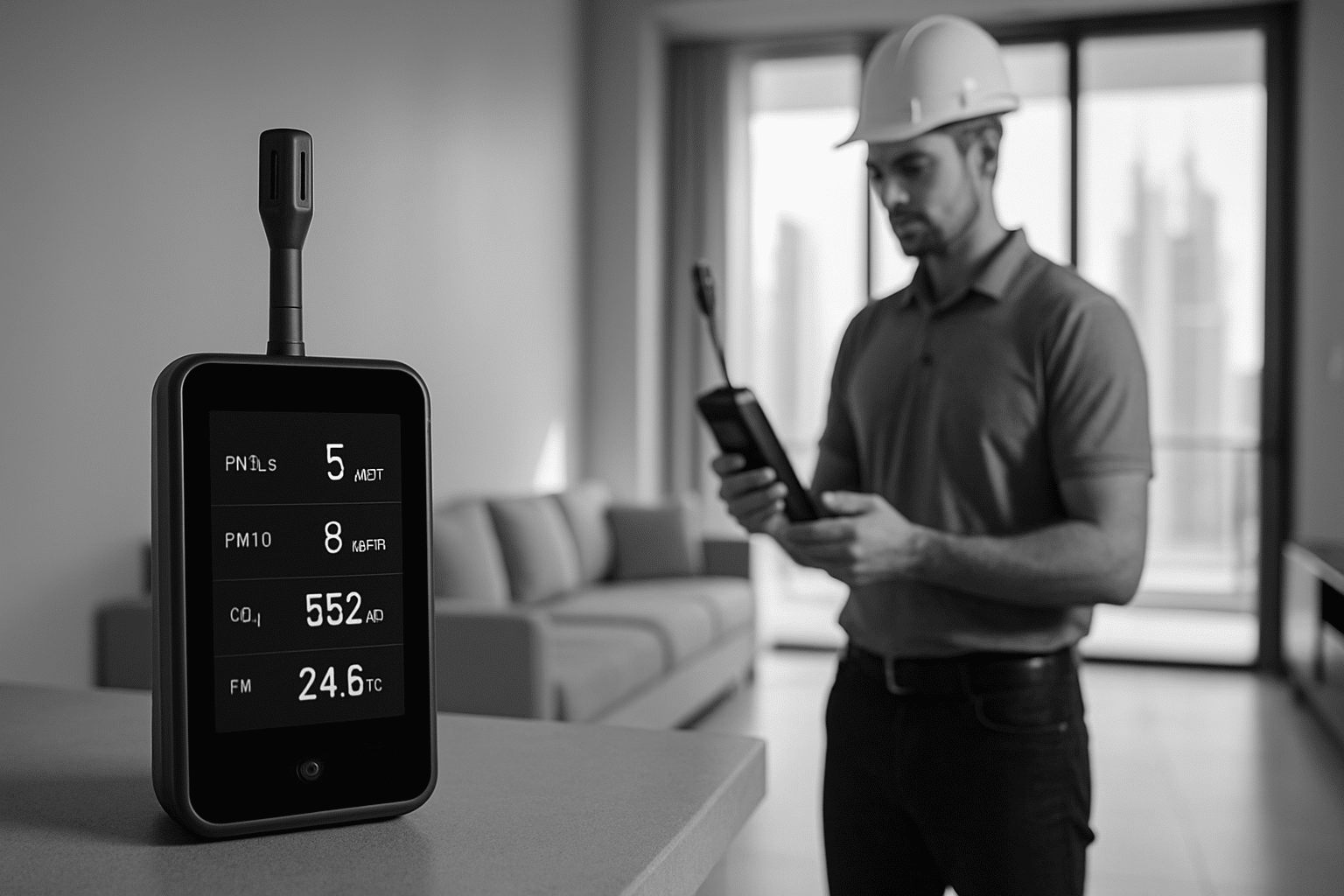
Continuous monitoring solutions for Indoor Air Pollution Sources and Health Impacts Dubai have advanced significantly in recent years. Affordable sensors now available can track particulate matter, VOC levels, temperature, and humidity in real-time, providing ongoing data rather than snapshot measurements. These monitoring systems help identify patterns and sources that might be missed with periodic testing alone.
Professional assessment of Indoor Air Pollution Sources and Health Impacts Dubai should include architectural evaluation to identify moisture sources, thermal imaging to detect hidden condensation issues, and HVAC inspection to assess distribution pathways. This comprehensive approach ensures that both the contaminants and their underlying causes are addressed, preventing recurrence of Indoor Air Pollution Sources and Health Impacts Dubai after remediation.
Expert Tips for Improving Indoor Air
Based on our extensive experience with Indoor Air Pollution Sources and Health Impacts Dubai, here are practical recommendations for improving your indoor environment:
- Maintain relative humidity between 40-50% using dehumidifiers if necessary to prevent mold growth
- Upgrade HVAC filters to MERV 13 or higher and change them quarterly
- Ensure exhaust fans in kitchens and bathrooms vent directly outdoors
- Choose low-VOC paints, furnishings, and building materials when renovating
- Clean HVAC ductwork every 3-5 years depending on usage and environment
- Use HEPA air purifiers in bedrooms and main living areas
- Address water leaks within 24-48 hours to prevent mold establishment
- Conduct professional indoor air quality testing every 2-3 years
FAQ: Indoor Air Pollution Dubai
What are the most common signs of poor indoor air quality in Dubai homes?
The most common indicators include persistent musty odors, visible mold growth, condensation on windows, increased allergy symptoms among occupants, and dust accumulation that occurs rapidly after cleaning. Many residents also report improved breathing when away from home, which often indicates unresolved Indoor Air Pollution Sources and Health Impacts Dubai.
How often should I test my home’s air quality in Dubai?
We recommend comprehensive testing every 2-3 years for most homes, or immediately if you notice symptoms, after water damage, following renovations, or before purchasing a property. Homes with known moisture issues or residents with respiratory conditions may benefit from annual monitoring of Indoor Air Pollution Sources and Health Impacts Dubai.
Can air purifiers effectively address indoor air pollution in Dubai?
Quality HEPA air purifiers can significantly reduce particulate matter and allergens, but they address symptoms rather than sources. Effective management of Indoor Air Pollution Sources and Health Impacts Dubai requires identifying and eliminating contamination sources through proper investigation, with air purification serving as a supplemental control measure.
Understanding and addressing Indoor Air Pollution Sources and Health Impacts Dubai requires a systematic approach that considers our unique climate, building practices, and lifestyle factors. By combining proper testing, targeted interventions, and ongoing monitoring, Dubai residents can significantly improve their indoor environments and protect their health against the invisible threats that lurk in sealed spaces. Remember that effective solutions begin with proper diagnosis—never treat symptoms without first identifying the underlying causes of your indoor air quality concerns.

JV de Castro, IAC2
JV de Castro is the Chief Technology Officer at Saniservice, where he leads innovation in indoor environmental sciences, IT infrastructure, and digital transformation. With over 20 years of experience spanning architecture, building science, technology management, digital media architecture, and consultancy, he has helped organizations optimize operations through smart solutions and forward-thinking strategies. JV holds a Degree in Architecture, a Masters of Research in Anthropology, an MBA in Digital Communication & Media, along with certifications in mold, building sciences and advanced networking. Passionate about combining technology, health, and sustainability, he continues to drive initiatives that bridge science, IT, and business impact.