Indoor Air Quality Monitoring Solutions UAE Complete Guide
Living in the UAE presents unique Indoor Air Quality challenges that require specialized Indoor Air Quality Monitoring Solutions UAE approaches. The combination of extreme heat, constant air conditioning, rapid construction practices, and desert environmental factors creates distinct indoor pollution patterns that demand careful monitoring and management. Whether you’re a homeowner in Dubai, a facility manager in Abu Dhabi, or a health-conscious resident anywhere in the Emirates, understanding how to effectively monitor your indoor environment is crucial for maintaining optimal health and wellbeing.
The need for comprehensive Indoor Air Quality Monitoring Solutions UAE has never been more apparent. With residents spending approximately 90% of their time indoors, particularly during the intense summer months, the quality of the air we breathe directly impacts our respiratory health, cognitive function, and overall wellness. From mold spores thriving in air conditioning systems to VOCs off-gassing from new furnishings, the invisible threats in our homes and offices require systematic monitoring approaches.
This guide to Indoor Air Quality Monitoring Solutions UAE draws from my 12 years of field experience with Saniservice’s Indoor Sciences division, where we’ve investigated hundreds of properties across the Emirates. I’ll share practical, actionable steps for implementing effective monitoring strategies, whether you’re considering professional assessment or DIY approaches. The knowledge comes from real-world case studies and scientific analysis conducted in our Dubai-based microbiology laboratory.
Understanding Indoor Air Quality Monitoring Solutions UAE
Indoor Air Quality Monitoring Solutions UAE encompass the technologies, methodologies, and strategies used to measure, track, and analyse the various parameters that define indoor environmental quality. In the UAE context, these solutions must address specific regional challenges including extreme temperature fluctuations, high humidity levels in coastal areas, and the particular building materials and construction practices common throughout the Emirates.
The fundamental purpose of Indoor Air Quality Monitoring Solutions UAE is to identify potential health hazards before they cause symptoms or become visible problems. Through my work with Saniservice, I’ve consistently found that early detection through proper monitoring can prevent serious health issues and costly remediation efforts. The desert climate combined with modern building practices creates unique conditions where pollutants can concentrate to levels significantly higher than outdoor air.
Effective Indoor Air Quality Monitoring Solutions UAE should measure multiple parameters simultaneously because indoor air pollution is rarely a single-factor problem. In Dubai villas, for example, we frequently find combinations of high particulate matter from desert dust, elevated VOC levels from new furnishings, and microbial growth in HVAC systems—all requiring different monitoring approaches and mitigation strategies.
Essential Components of Indoor Air Quality Monitoring Solutions UAE
Comprehensive Indoor Air Quality Monitoring Solutions UAE require monitoring several key parameters that significantly impact health and comfort in UAE environments. Particulate matter sensors (PM2.5 and PM10) are essential for detecting desert dust infiltration, which remains a persistent challenge throughout the region. These fine particles can penetrate deep into respiratory systems and carry other pollutants into our lungs.
Volatile Organic Compound (VOC) sensors form another critical component of Indoor Air Quality Monitoring Solutions UAE. The UAE’s rapid construction pace and preference for new furnishings mean many homes and offices have elevated VOC levels from building materials, paints, adhesives, and furniture. These compounds can cause everything from headaches and respiratory irritation to more serious long-term health effects when exposure is prolonged.
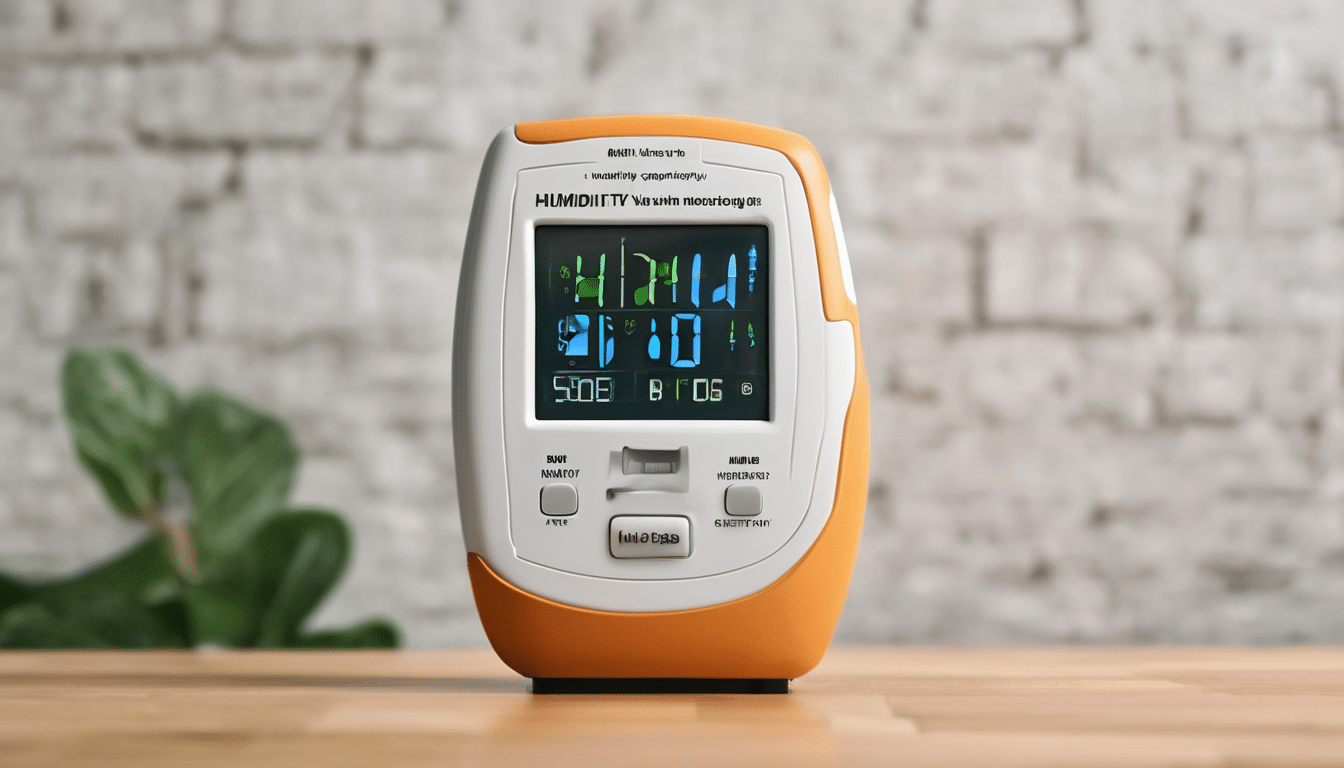
Temperature and humidity sensors are particularly important in Indoor Air Quality Monitoring Solutions UAE due to our extreme climate. Air conditioning systems that run continuously can create significant humidity differentials and temperature stratification throughout buildings. These conditions often lead to condensation issues that promote mold growth—a problem we frequently identify through our microbial monitoring protocols at Saniservice’s laboratory.
Additional Monitoring Parameters
Beyond the core components, advanced Indoor Air Quality Monitoring Solutions UAE should include carbon dioxide (CO2) monitoring to assess ventilation adequacy, especially in tightly sealed UAE buildings. Radon detection, while less common than in some regions, should still be considered in certain geological areas. Formaldehyde-specific sensors are valuable given its prevalence in building materials and furniture common in UAE homes.
Step-by-Step Implementation of Indoor Air Quality Monitoring Solutions UAE
Implementing effective Indoor Air Quality Monitoring Solutions UAE begins with a thorough assessment of your specific environment and needs. Start by identifying potential pollution sources unique to UAE residences—air conditioning systems, recent renovations, building materials, and geographic location relative to desert areas or industrial zones. This initial assessment will determine which parameters require closest monitoring.
The second step involves selecting appropriate monitoring equipment based on your specific concerns and budget. For comprehensive Indoor Air Quality Monitoring Solutions UAE, consider starting with a multi-parameter monitor that measures particulates, VOCs, temperature, and humidity simultaneously. Place these units in key locations throughout your home—bedrooms, living areas, and near potential pollution sources like kitchens or recently renovated spaces.
Establish baseline measurements over at least a 7-14 day period to understand normal fluctuations in your indoor environment. This baseline becomes crucial for interpreting subsequent data from your Indoor Air Quality Monitoring Solutions UAE system. Note patterns related to occupancy, HVAC operation, and outdoor conditions—all factors that significantly influence indoor air quality in UAE settings.
Professional Indoor Air Quality Monitoring Solutions UAE
Professional Indoor Air Quality Monitoring Solutions UAE offered by companies like Saniservice provide comprehensive assessment capabilities beyond what typical consumer devices can achieve. Our professional systems include advanced particulate counters that measure particle size distribution, sophisticated VOC analysers that identify specific compounds, and microbial air samplers that capture biological contaminants for laboratory analysis.
The advantage of professional Indoor Air Quality Monitoring Solutions UAE lies in their accuracy, calibration standards, and interpretive expertise. Our certified technicians understand UAE-specific building patterns and common contamination issues—knowledge that informs where to place monitors and how to interpret the data within the context of local construction practices and environmental conditions.
Professional Indoor Air Quality Monitoring Solutions UAE typically include both real-time monitoring and laboratory analysis components. While sensors provide immediate data on parameters like particulates and VOCs, air sampling for microbial analysis requires laboratory processing—a service we provide through our Dubai-based microbiology facility. This combination offers the most complete picture of indoor environmental quality.
DIY Indoor Air Quality Monitoring Solutions UAE
For those seeking more affordable Indoor Air Quality Monitoring Solutions UAE, numerous consumer-grade devices now offer reasonable accuracy for basic parameters. These DIY options typically monitor particulates, VOCs, temperature, and humidity—the core measurements needed for most residential assessments in the UAE. Prices range from AED 500 to AED 2,000 depending on features and accuracy.
The key to effective DIY Indoor Air Quality Monitoring Solutions UAE is proper placement and consistent data tracking. Position monitors at breathing height (approximately 1.5 metres above floor level) in frequently occupied spaces. Avoid placing units directly near windows, doors, or air conditioning vents, as these locations will not represent the air quality experienced by occupants throughout the room.
While DIY Indoor Air Quality Monitoring Solutions UAE provide valuable insights, they have limitations in accuracy and comprehensiveness compared to professional systems. Consumer devices may not be calibrated to the same standards, and they typically lack the ability to identify specific VOC compounds or conduct microbial analysis. However, they serve excellently as screening tools and for tracking trends over time.
Interpreting Data from Indoor Air Quality Monitoring Solutions UAE
Proper interpretation of data from Indoor Air Quality Monitoring Solutions UAE requires understanding both the numerical values and their context within UAE living environments. For particulate matter, the UAE Ministry of Climate Change and Environment recommends maintaining PM2.5 levels below 35 μg/m³ and PM10 below 150 μg/m³ for indoor environments—though ideally much lower for optimal health.
VOC readings from Indoor Air Quality Monitoring Solutions UAE should generally remain below 500 μg/m³ for total VOC concentration. However, interpretation requires consideration of specific compounds—formaldehyde should be below 100 μg/m³, while benzene should not exceed 5 μg/m³. These distinctions highlight the limitation of consumer devices that measure total VOCs without compound specificity.
Temperature and humidity data from Indoor Air Quality Monitoring Solutions UAE should maintain relative humidity between 40-60% to prevent mold growth while avoiding excessive dryness that can cause respiratory irritation. Temperature should remain consistent throughout living spaces, with less than 3°C variation between areas to prevent condensation issues—a common problem in UAE properties with inadequate insulation or HVAC design flaws.
Maintenance and Calibration of Indoor Air Quality Monitoring Solutions UAE
Regular maintenance is essential for accurate Indoor Air Quality Monitoring Solutions UAE. Consumer devices typically require monthly cleaning of sensor surfaces to prevent dust accumulation that can affect readings. Professional systems require quarterly calibration using certified reference standards to maintain accuracy—a service we provide for our commercial clients throughout the UAE.
The desert environment presents particular maintenance challenges for Indoor Air Quality Monitoring Solutions UAE. Fine dust particles can clog sensors and affect performance more rapidly than in less dusty climates. I recommend checking and cleaning sensor inlets every two weeks during sandstorm seasons and monthly during cleaner periods to ensure ongoing accuracy of your monitoring data.
Calibration of Indoor Air Quality Monitoring Solutions UAE should reference both manufacturer specifications and local environmental conditions. Professional calibration services account for UAE-specific factors like high baseline particulate levels and temperature extremes that might affect sensor performance. Proper documentation of calibration dates and results is essential for maintaining data reliability over time.
Expert Tips for Effective Indoor Air Quality Monitoring Solutions UAE
Based on my extensive experience implementing Indoor Air Quality Monitoring Solutions UAE across hundreds of properties, here are my most valuable recommendations for effective monitoring:
- Monitor continuously rather than sporadically—air quality fluctuates throughout the day based on occupancy, HVAC operation, and outdoor conditions
- Place sensors in multiple locations—air quality can vary significantly between rooms, especially in large UAE villas with zoned AC systems
- Track data alongside activities—note cleaning, cooking, renovation work, or other events that might affect readings
- Compare indoor and outdoor levels—understanding the relationship helps identify whether pollutants originate indoors or infiltrate from outside
- Focus on patterns rather than single readings—consistent elevation of certain parameters indicates systemic issues requiring intervention
- Use data to validate mitigation efforts—monitor before and after implementing air quality improvements to measure effectiveness
- Consider professional validation—if DIY monitoring identifies persistent issues, invest in professional assessment for definitive diagnosis
- Document everything—maintain records of measurements, conditions, and interventions for future reference and trend analysis
Frequently Asked Questions
How often should I monitor indoor air quality in my UAE home?
For comprehensive Indoor Air Quality Monitoring Solutions UAE, I recommend continuous monitoring with periodic review of data trends. Check your readings at least weekly, with more frequent attention during seasonal changes, after renovations, or when experiencing health symptoms that might relate to air quality issues.
What are the most important parameters to monitor in UAE homes?
The most critical parameters for Indoor Air Quality Monitoring Solutions UAE are particulate matter (PM2.5/PM10), VOCs, temperature, and humidity. These address the most common issues we encounter in UAE properties—desert dust infiltration, off-gassing from materials, and AC-related moisture problems that lead to mold growth.
Can smartphone air quality apps replace dedicated monitors?
While smartphone apps connected to external sensors can provide useful data, they typically lack the accuracy and reliability of dedicated Indoor Air Quality Monitoring Solutions UAE. For serious air quality concerns, invest in purpose-built monitoring equipment with proper calibration and sensor technology.
Conclusion
Implementing effective Indoor Air Quality Monitoring Solutions UAE is an essential step toward ensuring healthier indoor environments in our unique regional climate. Whether through professional assessment or carefully selected DIY approaches, monitoring provides the data needed to make informed decisions about ventilation, filtration, and other interventions. The insights gained from proper monitoring can significantly impact respiratory health, comfort, and overall wellbeing for UAE residents.
Remember that Indoor Air Quality Monitoring Solutions UAE represent the first step in a continuous process of environmental management. The data collected should inform ongoing strategies for maintaining optimal indoor conditions through proper HVAC maintenance, thoughtful material selection, and appropriate ventilation practices. By taking a systematic, data-driven approach to indoor air quality, we can create healthier living and working environments throughout the Emirates.

JV de Castro, IAC2
JV de Castro is the Chief Technology Officer at Saniservice, where he leads innovation in indoor environmental sciences, IT infrastructure, and digital transformation. With over 20 years of experience spanning architecture, building science, technology management, digital media architecture, and consultancy, he has helped organizations optimize operations through smart solutions and forward-thinking strategies. JV holds a Degree in Architecture, a Masters of Research in Anthropology, an MBA in Digital Communication & Media, along with certifications in mold, building sciences and advanced networking. Passionate about combining technology, health, and sustainability, he continues to drive initiatives that bridge science, IT, and business impact.