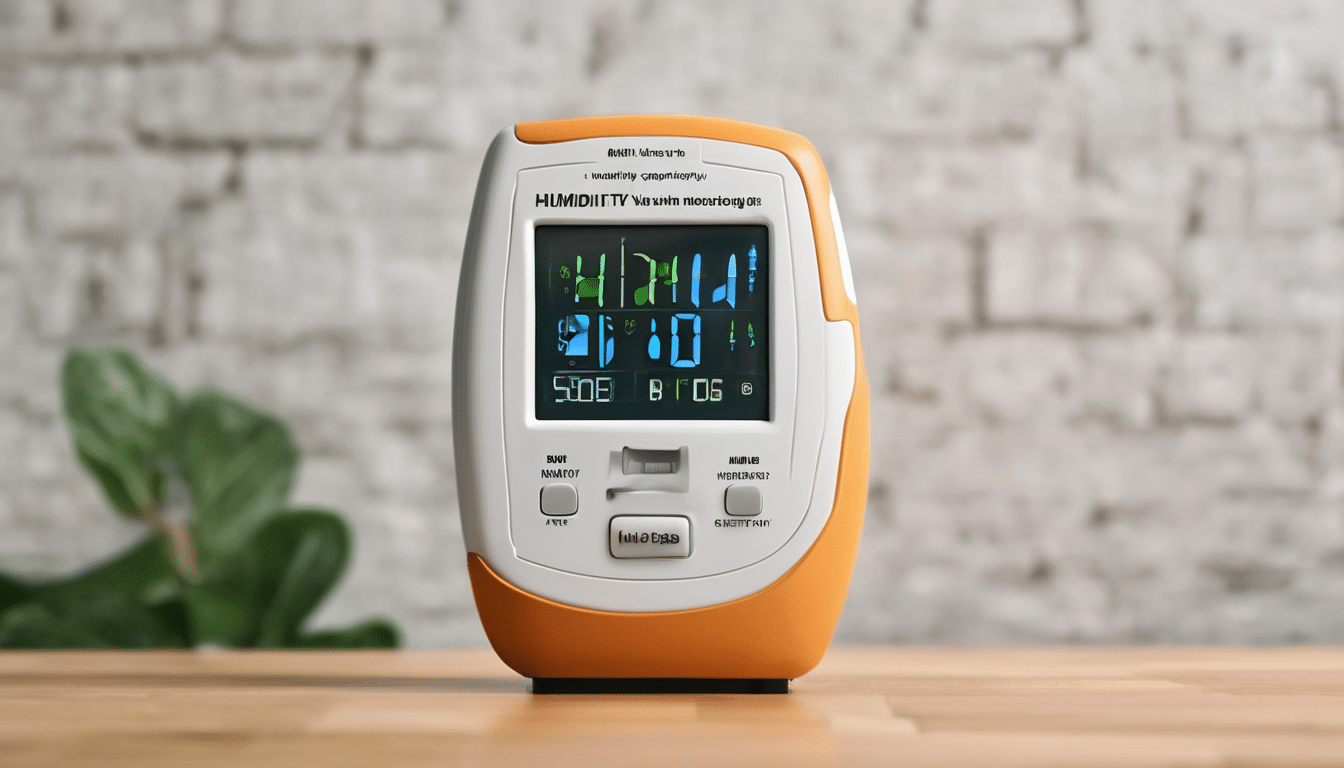
Humidity Meters for Indoor Air Quality Monitoring Master
Living in Dubai’s unique climate presents specific challenges for indoor air quality that many homeowners overlook. The extreme heat outside combined with aggressive air conditioning inside creates perfect conditions for humidity problems that can seriously impact your health and property. Humidity meters for indoor air quality monitoring represent one of the most critical tools in understanding and controlling your home environment.
Throughout my career at Saniservice, I’ve investigated countless cases where improper humidity control led to hidden mold growth, respiratory issues, and structural damage. The common thread in these cases was homeowners not understanding their indoor humidity levels until it was too late. Proper humidity meters for indoor air quality monitoring could have prevented most of these problems entirely.
This guide will walk you through everything you need to know about selecting, using, and interpreting humidity meters for indoor air quality monitoring in UAE conditions. Whether you’re dealing with condensation on windows, musty odours, or simply want to protect your family’s health, understanding humidity monitoring is your first line of defense.
Understanding Humidity Meters for Indoor Air Quality Monitoring
Humidity meters for indoor air quality monitoring measure the amount of water vapour present in your indoor air. In our Dubai climate, where outdoor humidity can reach 90% while indoor air conditioning drops humidity dramatically, understanding these measurements becomes crucial for health and comfort. The most common type of humidity meter used in homes is the hygrometer, which specifically measures relative humidity (RH).
Relative humidity represents the percentage of moisture in the air compared to the maximum amount the air can hold at that temperature. For indoor air quality monitoring purposes, we want to maintain RH between 40-60%. Below 40% can cause dry skin and respiratory irritation, while above 60% creates ideal conditions for mold growth and dust mites. In UAE homes, we typically see the opposite problem—excessive humidity due to temperature differentials between air-conditioned interiors and humid exteriors.
How Humidity Meters Work
Modern humidity meters for indoor air quality monitoring use either capacitive or resistive sensors. Capacitive sensors measure the electrical capacitance between two metal plates, which changes as humidity affects the dielectric material between them. Resistive sensors measure the change in electrical resistance of a moisture-absorbing material. Both types provide accurate readings when properly calibrated and maintained.
Humidity Meters For Indoor Air Quality Monitoring – Selecting the Right Humidity Meter for UAE Conditions
Choosing appropriate humidity meters for indoor air quality monitoring requires considering several factors specific to our regional climate. The extreme temperature variations between air-conditioned spaces and outdoor environments demand meters with quick response times and wide measurement ranges. Look for devices that measure from 10% to 95% RH with accuracy within ±3%.
Digital humidity meters typically offer the best performance for home use, with clear displays and data logging capabilities. Many modern units also include temperature sensors, which is essential since relative humidity readings are temperature-dependent. For UAE conditions, I recommend selecting humidity meters with Bluetooth or Wi-Fi connectivity that allow remote monitoring through smartphone apps—particularly useful when you’re away from home during peak humidity hours.
Price ranges for quality humidity meters for indoor air quality monitoring in Dubai typically run from AED 200 for basic models to AED 800 for professional-grade units with data logging and multiple sensor capabilities. Avoid the cheapest options (under AED 100) as they often lack accuracy and durability in our challenging climate conditions.
Humidity Meters For Indoor Air Quality Monitoring – Optimal Placement Strategies for Humidity Meters
Proper placement of humidity meters for indoor air quality monitoring dramatically affects the accuracy and usefulness of your readings. The goal is to position sensors where they represent actual living conditions rather than artificial micro-environments. Avoid placing meters near windows, doors, or HVAC vents where direct airflow or temperature extremes can skew results.
In typical Dubai villas, I recommend placing humidity meters in these key locations: living areas at breathing height (approximately 1.5 metres above floor level), bedrooms away from windows, and basements or storage areas where humidity tends to accumulate. Kitchens and bathrooms require separate monitoring due to their variable humidity levels from cooking and bathing activities.
For comprehensive humidity monitoring, consider placing meters on different floors and in different exposure orientations (north-facing vs south-facing rooms). North-facing rooms in UAE homes often maintain higher humidity levels due to less direct sunlight exposure. Remember that humidity meters for indoor air quality monitoring should be placed away from direct sunlight, heat sources, and moisture sources to avoid false readings.
Interpreting Humidity Meter Readings Accurately
Reading humidity meters for indoor air quality monitoring requires understanding what the numbers actually mean for your health and home. The magic range for indoor relative humidity falls between 40-60%. When readings consistently show below 40%, you may experience dry skin, irritated respiratory passages, and increased static electricity. This is less common in UAE homes but can occur in over-air-conditioned spaces.
More concerning are readings above 60% RH, which indicate conditions favourable for mold growth, dust mite proliferation, and bacterial growth. At 70% RH and above, you’re essentially creating an incubator for microbial growth. I’ve documented cases in Dubai homes where humidity readings of 75-80% in bedroom closets led to extensive hidden mold growth behind furniture and within wall cavities.
Temperature affects relative humidity readings significantly. A humidity reading of 50% at 25°C contains less actual moisture than 50% at 30°C. This is why quality humidity meters for indoor air quality monitoring include temperature sensors—the relationship between temperature and humidity dictates whether condensation will form on surfaces, which is the primary mechanism for mold growth in buildings.
Common Mistakes in Humidity Monitoring
Many homeowners make critical errors when using humidity meters for indoor air quality monitoring that render their data useless. The most common mistake is placing meters in inappropriate locations—directly under AC vents, near windows experiencing solar gain, or in closets filled with stored items that affect air circulation. These placements give readings that don’t represent the actual living environment.
Another frequent error is ignoring seasonal variations. In Dubai, humidity levels change dramatically between summer and winter months. Summer brings higher absolute humidity outdoors, which infiltrates homes and raises indoor levels. Winter often sees lower outdoor humidity but can create condensation issues when warm, moist indoor air contacts cold window surfaces. Effective humidity meters for indoor air quality monitoring require year-round tracking to identify patterns.
Perhaps the most dangerous mistake is failing to act on consistent high-humidity readings. I’ve consulted on cases where homeowners noticed elevated humidity readings for months but assumed their AC would handle it. By the time they called professionals, structural damage and health issues had already developed. Humidity meters for indoor air quality monitoring only provide value when you respond appropriately to the data they provide.
Integrating Humidity Meters with Other IAQ Tools
While humidity meters for indoor air quality monitoring provide crucial data, they represent just one piece of the indoor environmental puzzle. For comprehensive air quality assessment, humidity data should be correlated with temperature readings, CO2 levels, particulate matter measurements, and when indicated, mold spore counts. This integrated approach reveals how humidity interacts with other air quality factors.
In our Saniservice investigations, we often find that high humidity alone doesn’t cause problems—it’s the combination of high humidity with specific temperature conditions that creates condensation on cold surfaces. Using thermal imaging cameras alongside humidity meters helps identify these risk areas before mold growth begins. This combination approach has prevented numerous mold cases in Dubai properties.
Modern smart home systems allow integration of humidity meters with HVAC controls for automated humidity management. When humidity exceeds set thresholds, these systems can activate ventilation or dehumidification automatically. For UAE homeowners, this technology represents a significant advancement in maintaining optimal indoor conditions without constant manual intervention.
Advanced Humidity Monitoring Techniques
For homeowners serious about humidity control, advanced techniques in humidity meters for indoor air quality monitoring can provide deeper insights. Data logging capabilities allow tracking humidity patterns over time, identifying when and where problems develop. Many modern meters can record weeks or months of data, revealing patterns related to weather changes, occupancy patterns, or HVAC operation cycles.
Multiple-point monitoring using wireless sensor networks provides a comprehensive picture of humidity distribution throughout your home. In large Dubai villas, humidity can vary significantly between rooms, floors, and exposure directions. Installing multiple humidity meters creates a humidity map of your property, identifying problem areas that single-point monitoring would miss.
For investigation of suspected hidden moisture problems, professional-grade humidity meters with external probes can measure humidity within wall cavities, under floors, or in other concealed spaces. These measurements often reveal moisture problems long before visible signs appear. In several cases, we’ve identified wall cavity humidity levels exceeding 80% while room air readings showed acceptable levels around 55%.
Maintenance and Calibration Best Practices
Maintaining accuracy in humidity meters for indoor air quality monitoring requires regular calibration checks. Even quality meters can drift over time, particularly in challenging environments like UAE homes with large temperature swings and dust exposure. I recommend checking calibration every six months using simple salt calibration tests or professional calibration services.
The salt test method involves placing your humidity meter in a sealed container with a saturated salt solution (usually sodium chloride) which maintains exactly 75% RH at room temperature. After several hours, check if your meter reads 75% RH. If it deviates significantly, follow manufacturer instructions for calibration adjustment. Professional calibration services in Dubai typically cost AED 150-300 per device.
Regular cleaning of sensor surfaces is also crucial for accurate humidity meters for indoor air quality monitoring. Dust accumulation on sensors can affect readings by creating false moisture retention. Use compressed air or a soft brush to gently clean sensors according to manufacturer guidelines. Avoid using liquids or chemicals that could damage sensitive components.
Expert Tips for Effective Humidity Monitoring
- Place humidity meters at breathing height (1.5m) in frequently occupied rooms for most relevant health data
- Monitor humidity patterns over 24-hour cycles to identify peak humidity periods
- Use multiple meters to compare conditions in different parts of your home
- Correlate humidity spikes with activities like cooking, showering, or changes in outdoor weather
- Set alert thresholds at 55% RH for warning and 60% RH for immediate action
- Record readings at the same time daily for consistent tracking
- Combine humidity data with temperature readings for complete environmental understanding
- Schedule seasonal calibration checks before summer and winter humidity extremes
Frequently Asked Questions
What is the ideal humidity level for Dubai homes?
The optimal range is 40-60% RH. Below 40% can cause dryness issues, while above 60% risks mold growth. In summer, you may need dehumidification to maintain this range.
How often should I check my humidity meter readings?
For general monitoring, check daily during humidity-prone seasons. For investigation of specific problems, monitor every 2-3 hours to identify patterns.
Can humidity meters help prevent mold growth?
Absolutely. By maintaining humidity below 60% RH, you create conditions where mold cannot grow. Meters alert you before problems develop.
Conclusion
Proper humidity meters for indoor air quality monitoring represent one of the most valuable investments UAE homeowners can make for protecting their health and property. The unique climate conditions in Dubai create specific humidity challenges that require vigilant monitoring and management. By selecting appropriate meters, placing them strategically, and interpreting readings correctly, you can maintain optimal indoor conditions that prevent mold growth, protect respiratory health, and preserve your home’s structure.
Remember that humidity monitoring isn’t just about reading numbers—it’s about understanding how moisture moves through your home and affects your living environment. The patterns you identify through consistent monitoring will guide effective interventions whether through HVAC adjustments, ventilation improvements, or targeted dehumidification. With the right approach to humidity meters for indoor air quality monitoring, you can transform your home into a healthier, more comfortable living space regardless of Dubai’s challenging outdoor conditions.

JV de Castro, IAC2
JV de Castro is the Chief Technology Officer at Saniservice, where he leads innovation in indoor environmental sciences, IT infrastructure, and digital transformation. With over 20 years of experience spanning architecture, building science, technology management, digital media architecture, and consultancy, he has helped organizations optimize operations through smart solutions and forward-thinking strategies. JV holds a Degree in Architecture, a Masters of Research in Anthropology, an MBA in Digital Communication & Media, along with certifications in mold, building sciences and advanced networking. Passionate about combining technology, health, and sustainability, he continues to drive initiatives that bridge science, IT, and business impact.