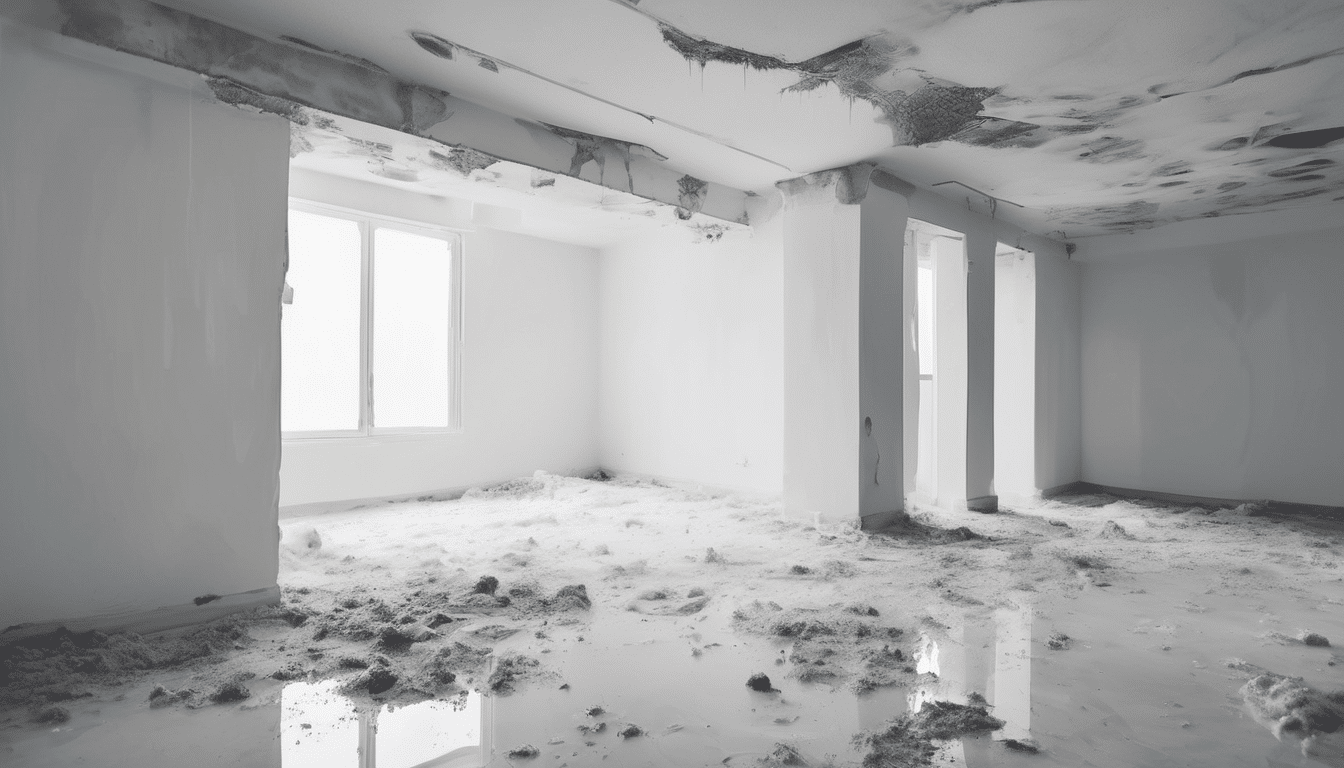
Hidden Mold Detection Techniques in Dubai Buildings
Hidden mold detection techniques in Dubai buildings represent a critical aspect of indoor environmental health management in the UAE’s unique climate. The combination of extreme humidity, constant air conditioning, and specific construction methods creates ideal conditions for concealed mold growth that can evade casual inspection. Unlike visible mold problems that homeowners might notice, hidden mold detection techniques in Dubai buildings require specialised equipment, scientific methodology, and deep understanding of local building physics.
As the Director of Indoor Sciences at Saniservice, I’ve developed specialised hidden mold detection techniques in Dubai buildings that combine architectural analysis with microbiological investigation. Our approach recognises that mold problems in UAE properties are rarely random—they follow predictable patterns based on building design, construction methods, and climate interactions. The hidden mold detection techniques in Dubai buildings we’ve perfected over twelve years address the unique challenges of desert climate construction where thermal bridging, condensation issues, and HVAC system performance create hidden moisture problems.
This comprehensive guide explores the most effective hidden mold detection techniques in Dubai buildings, drawing from our extensive field experience investigating hundreds of properties across the Emirates. We’ll examine why conventional inspection methods often miss concealed mold growth and how professional hidden mold detection techniques in Dubai buildings can identify problems before they cause significant health issues or structural damage.
Hidden Mold Detection Techniques In Dubai Buildings – Why Dubai Buildings Need Specialised Mold Detection
Hidden mold detection techniques in Dubai buildings must account for several unique factors that differentiate UAE properties from those in other regions. The extreme climate conditions—with outdoor temperatures reaching 50°C and humidity levels often exceeding 90%—create significant challenges for building envelopes and HVAC systems. Constant air conditioning creates temperature differentials that lead to condensation, particularly at thermal bridges where insulation is compromised.
Construction methods common in Dubai also contribute to hidden mold risks. Many buildings feature concrete construction with plasterboard partitions, creating concealed cavities where moisture can accumulate unnoticed. The rapid construction pace sometimes leads to compromises in waterproofing details and moisture management systems. These factors make hidden mold detection techniques in Dubai buildings essential for identifying problems before they become visible or cause health issues.
Additionally, cultural factors influence mold detection approaches. Many residents keep windows closed year-round due to air conditioning usage, reducing natural ventilation that might otherwise help manage moisture levels. Water usage patterns, including frequent showering and humidification practices, contribute to elevated indoor humidity that supports mold growth in concealed locations.
Hidden Mold Detection Techniques In Dubai Buildings – Visual Assessment Techniques for Hidden Mold
Professional hidden mold detection techniques in Dubai buildings begin with systematic visual assessment, though this represents just the initial phase of comprehensive investigation. Trained inspectors examine properties using structured protocols that focus on high-risk areas identified through understanding of local construction practices and climate interactions. Visual hidden mold detection techniques in Dubai buildings include examining areas behind furniture, within cabinetry, and around plumbing penetrations where moisture may accumulate.
One of the most effective visual hidden mold detection techniques in Dubai buildings involves examining skirting boards and baseboards for subtle signs of moisture intrusion. In many Dubai villas, we’ve discovered extensive hidden mold growth behind skirting boards where condensation occurs at the wall-floor junction. This occurs because concrete slabs remain cooler than room temperature, creating condensation points when warm, humid air contacts these surfaces. Visual clues include slight discolouration, minor warping, or subtle staining that might be overlooked by untrained observers.
Other visual hidden mold detection techniques in Dubai buildings include examining ceiling corners for water staining, checking under sinks for plumbing leaks, and inspecting HVAC units for condensation drainage issues. Professional inspectors also examine exterior wall surfaces for cracks or compromised waterproofing that might allow moisture intrusion. These visual hidden mold detection techniques in Dubai buildings form the foundation for more advanced investigative methods when initial assessment suggests potential problems.
Hidden Mold Detection Techniques In Dubai Buildings – Moisture Detection and Mapping Methods
Advanced hidden mold detection techniques in Dubai buildings incorporate precise moisture measurement using specialised equipment that can identify elevated moisture levels within building materials. Non-invasive moisture meters using pinless technology allow inspectors to scan walls, floors, and ceilings without damaging finishes. These hidden mold detection techniques in Dubai buildings provide quantitative data that helps prioritise areas for further investigation and sampling.
We employ systematic moisture mapping as part of our hidden mold detection techniques in Dubai buildings, creating detailed diagrams that show moisture patterns throughout the property. This approach helps identify moisture sources and pathways that might not be apparent from visual inspection alone. By mapping moisture levels at regular intervals—typically on a 1-metre grid—we can identify patterns that indicate plumbing leaks, condensation issues, or envelope failures.
Invasive moisture measurement represents another component of comprehensive hidden mold detection techniques in Dubai buildings. When non-invasive scanning indicates elevated moisture levels, we may use pin-type meters to obtain precise readings within materials. These hidden mold detection techniques in Dubai buildings provide concrete data about moisture content in wood, drywall, and concrete, helping determine whether conditions support mold growth. We always obtain client permission before performing any invasive testing and minimise damage through careful probe placement.
Thermal Imaging for Concealed Mold Detection
Thermal imaging represents one of the most powerful hidden mold detection techniques in Dubai buildings, allowing inspectors to identify temperature variations that indicate moisture problems, air leakage, or insulation deficiencies. Infrared cameras detect surface temperature differences as small as 0.1°C, revealing patterns invisible to the naked eye. These hidden mold detection techniques in Dubai buildings are particularly valuable for identifying condensation issues common in UAE properties.
Our thermal imaging hidden mold detection techniques in Dubai buildings focus on identifying thermal bridges—areas where building elements conduct heat more readily than surrounding materials. In Dubai’s climate, thermal bridges often become condensation points as warm, humid indoor air contacts cooler surfaces. Common thermal bridges include concrete columns within framed walls, metal window frames, and uninsulated slab edges. These hidden mold detection techniques in Dubai buildings help predict where mold growth is likely to occur before it becomes visible.
Thermal imaging also serves as valuable hidden mold detection techniques in Dubai buildings for identifying plumbing leaks within walls or under floors. Water from leaks typically changes the thermal properties of materials, creating detectable temperature patterns. Similarly, thermal imaging can identify areas of missing insulation or air leakage that contribute to moisture problems. These non-invasive hidden mold detection techniques in Dubai buildings provide crucial information without damaging property finishes.
Air Quality Testing and Spore Analysis
Air quality testing forms an essential component of professional hidden mold detection techniques in Dubai buildings, providing data about airborne mold spores that might indicate hidden growth. We use calibrated air sampling pumps that collect airborne particles on specialised filters or cassettes. These hidden mold detection techniques in Dubai buildings help identify elevated spore levels that suggest active mold growth somewhere in the property, even when no visible mold is present.
Our air sampling hidden mold detection techniques in Dubai buildings follow established protocols with controlled sampling times, flow rates, and location selection. We typically collect paired samples—one from the suspect area and one from outdoor air as a control—to help interpret results. These hidden mold detection techniques in Dubai buildings provide quantitative data about spore concentrations and qualitative information about mold types present.
Laboratory analysis completes these hidden mold detection techniques in Dubai buildings, with microbiologists examining samples under microscopy to identify and quantify mold spores. As Dubai’s only indoor environmental company with an in-house microbiology lab, we can provide rapid turnaround on analysis while maintaining strict quality control. These hidden mold detection techniques in Dubai buildings often reveal discrepancies between what’s visible and what’s actually present in the air, guiding further investigation toward hidden growth areas.
Surface Sampling and Laboratory Methods
Surface sampling represents crucial hidden mold detection techniques in Dubai buildings for confirming suspected mold growth and identifying specific species present. We employ multiple sampling methods depending on the situation, including tape lifts, swab samples, and bulk material samples. These hidden mold detection techniques in Dubai buildings provide definitive evidence of mold presence and help guide appropriate remediation strategies.
Tape lift sampling involves pressing clear adhesive tape against suspect surfaces to collect mold spores and hyphal fragments. These hidden mold detection techniques in Dubai buildings are particularly useful for confirming visible growth or investigating suspicious discolouration. Swab sampling uses sterile moistened swabs to collect samples from irregular surfaces or areas with limited access. Both hidden mold detection techniques in Dubai buildings preserve the morphological characteristics of mold structures for accurate identification under microscopy.
For comprehensive hidden mold detection techniques in Dubai buildings, we sometimes collect bulk samples of building materials for laboratory analysis. This might include removing small sections of drywall, insulation, or wood for detailed examination. These hidden mold detection techniques in Dubai buildings provide information about penetration depth and help determine whether materials can be cleaned or must be removed. All sampling follows chain-of-custody protocols to ensure result integrity.
Architectural Analysis for Predictive Detection
Architectural analysis represents sophisticated hidden mold detection techniques in Dubai buildings that leverage understanding of building science to predict where mold problems are likely to occur. By examining construction drawings, understanding material properties, and analysing hygrothermal performance, we can identify high-risk areas before problems manifest. These proactive hidden mold detection techniques in Dubai buildings are particularly valuable for property inspections and pre-purchase assessments.
Our architectural hidden mold detection techniques in Dubai buildings focus on understanding how Dubai’s climate interacts with specific construction methods. We analyse wall assemblies for thermal bridging potential, examine HVAC system design for humidity control capabilities, and assess ventilation rates for moisture management. These hidden mold detection techniques in Dubai buildings allow us to identify design flaws or construction deficiencies that create mold risk.
We also employ architectural hidden mold detection techniques in Dubai buildings to understand moisture pathways through building envelopes. By tracing potential water movement from exterior to interior, we can identify areas where hidden moisture accumulation might occur. These hidden mold detection techniques in Dubai buildings combine theoretical knowledge with practical experience to create comprehensive assessment protocols that address Dubai-specific construction challenges.
Integrating Multiple Detection Techniques
The most effective hidden mold detection techniques in Dubai buildings integrate multiple assessment methods to create a comprehensive understanding of each property’s condition. Rather than relying on any single approach, professional investigators combine visual assessment, moisture mapping, thermal imaging, air testing, and surface sampling to build a complete picture. These integrated hidden mold detection techniques in Dubai buildings provide overlapping data that confirms findings and ensures no problems are overlooked.
Our integrated hidden mold detection techniques in Dubai buildings follow a systematic protocol that begins with non-invasive methods and progresses to targeted sampling based on initial findings. For example, thermal imaging might identify suspicious temperature patterns, moisture mapping confirms elevated moisture levels in the same area, and targeted air or surface sampling provides biological confirmation. These layered hidden mold detection techniques in Dubai buildings create defensible evidence for remediation recommendations.
The integration of hidden mold detection techniques in Dubai buildings also allows for more efficient investigation. Rather than randomly sampling throughout a property, we use findings from one method to guide application of others. This targeted approach makes hidden mold detection techniques in Dubai buildings more cost-effective while maintaining thoroughness. The final assessment combines data from all methods into a comprehensive report that clearly explains findings and recommendations.
Professional Hidden Mold Detection Tips
Based on our extensive experience with hidden mold detection techniques in Dubai buildings, here are essential tips for property owners and managers:
- Schedule professional assessment if occupants experience unexplained respiratory symptoms or allergic reactions
- Investigate musty odours immediately rather than masking with air fresheners
- Pay attention to condensation patterns on windows or cold surfaces
- Monitor relative humidity levels, maintaining below 60% to prevent mold growth
- Address water intrusion events within 24-48 hours to prevent mold establishment
- Ensure proper HVAC maintenance including coil cleaning and drain pan inspection
- Consider pre-purchase mold assessment for properties older than five years
- Document all investigations and remediation efforts for future reference
Frequently Asked Questions
How much do professional hidden mold detection techniques in Dubai buildings typically cost?
Comprehensive assessment using professional hidden mold detection techniques in Dubai buildings typically ranges from AED 1,500 to AED 4,000 depending on property size and assessment complexity. Basic screening assessments may start around AED 800-1,200.
Can’t I just use a DIY mold test kit from hardware stores?
DIY test kits provide limited value for hidden mold detection techniques in Dubai buildings. They typically identify that mold exists somewhere but cannot locate hidden growth, identify species, or determine concentration levels. Professional hidden mold detection techniques in Dubai buildings provide accurate, actionable information.
How long do professional hidden mold detection techniques in Dubai buildings take?
A thorough assessment using comprehensive hidden mold detection techniques in Dubai buildings typically requires 2-4 hours for a standard villa, with laboratory analysis adding 1-3 days for complete results. Complex properties may require additional time.
Are hidden mold detection techniques in Dubai buildings disruptive to occupants?
Professional hidden mold detection techniques in Dubai buildings are minimally disruptive when performed by experienced technicians. Non-invasive methods like thermal imaging and moisture mapping require no demolition, while targeted sampling creates only small, easily repaired openings when necessary.
What certifications should professionals performing hidden mold detection techniques in Dubai buildings hold?
Look for professionals with IAC2 certification, building science credentials, and specific training in mold assessment. Experience with Dubai construction methods and climate considerations is equally important for effective hidden mold detection techniques in Dubai buildings.
Conclusion
Effective hidden mold detection techniques in Dubai buildings require specialised knowledge of local construction methods, climate interactions, and building science principles. The combination of visual assessment, moisture detection, thermal imaging, air testing, and surface sampling provides comprehensive understanding of mold presence and conditions. Professional hidden mold detection techniques in Dubai buildings should always include architectural analysis to identify root causes rather than just symptoms.
Property owners in Dubai should prioritise professional assessment when signs suggest hidden mold problems, as early detection prevents more extensive damage and health impacts. The investment in proper hidden mold detection techniques in Dubai buildings typically pays for itself through targeted remediation and prevention of recurring problems. Remember that effective hidden mold detection techniques in Dubai buildings focus not just on finding mold, but on understanding why it’s growing and how to prevent recurrence.

JV de Castro, IAC2
JV de Castro is the Chief Technology Officer at Saniservice, where he leads innovation in indoor environmental sciences, IT infrastructure, and digital transformation. With over 20 years of experience spanning architecture, building science, technology management, digital media architecture, and consultancy, he has helped organizations optimize operations through smart solutions and forward-thinking strategies. JV holds a Degree in Architecture, a Masters of Research in Anthropology, an MBA in Digital Communication & Media, along with certifications in mold, building sciences and advanced networking. Passionate about combining technology, health, and sustainability, he continues to drive initiatives that bridge science, IT, and business impact.