Mold Prevention in Dubai’s Air Conditioning Systems Dubai
Mold Prevention in Dubai’s air conditioning systems begins with understanding the unique desert climate conditions that create perfect environments for microbial growth. Dubai’s combination of extreme outdoor temperatures reaching 45°C and indoor relative humidity levels often exceeding 60% creates condensation points within AC systems that support mould colonization. The constant cycling between desert dryness and artificially cooled interiors establishes moisture patterns that differ fundamentally from temperate climate buildings, requiring specialised prevention strategies developed specifically for UAE conditions.
Professional assessment of air conditioning systems in Dubai typically reveals contamination signatures shaped by local construction practices, water quality factors, and maintenance routines. What appears as simple dust accumulation often contains xerophilic mould species adapted to survive in the alternating dry and damp conditions of GCC region AC units. These organisms thrive in the temperature gradients between condenser coils and evaporator units, creating biofilm communities that standard cleaning approaches may miss without proper diagnostic tools and laboratory verification.
Mold Prevention in Dubai’s Air Conditioning Systems – Understanding Dubai’s Unique AC Mold Challenges
Mold prevention in Dubai’s air conditioning systems must account for the region’s distinctive environmental factors that differ significantly from European or North American standards. The extreme thermal differential between outdoor desert heat and indoor cooling creates condensation points throughout the system that conventional designs didn’t anticipate. Dubai’s construction timeline compression means many buildings lack the gradual moisture management refinements found in older cities, while the reliance on central water tanks introduces biological variables not present in direct-line systems.
During thermal imaging inspections of Dubai properties, we consistently identify thermal bridging at AC duct junctions and insulation gaps that create microclimates perfect for mould establishment. The combination of high mineral content in Dubai’s water supply and dust particulate from construction activity creates nutrient-rich surfaces on evaporator coils and drain pans. These factors, combined with the UAE’s particular blend of airborne spores adapted to arid conditions, create a contamination profile that requires locally-developed solutions rather than imported methodologies.
Mold Prevention in Dubai’s Air Conditioning Systems – Professional AC Inspection and Assessment
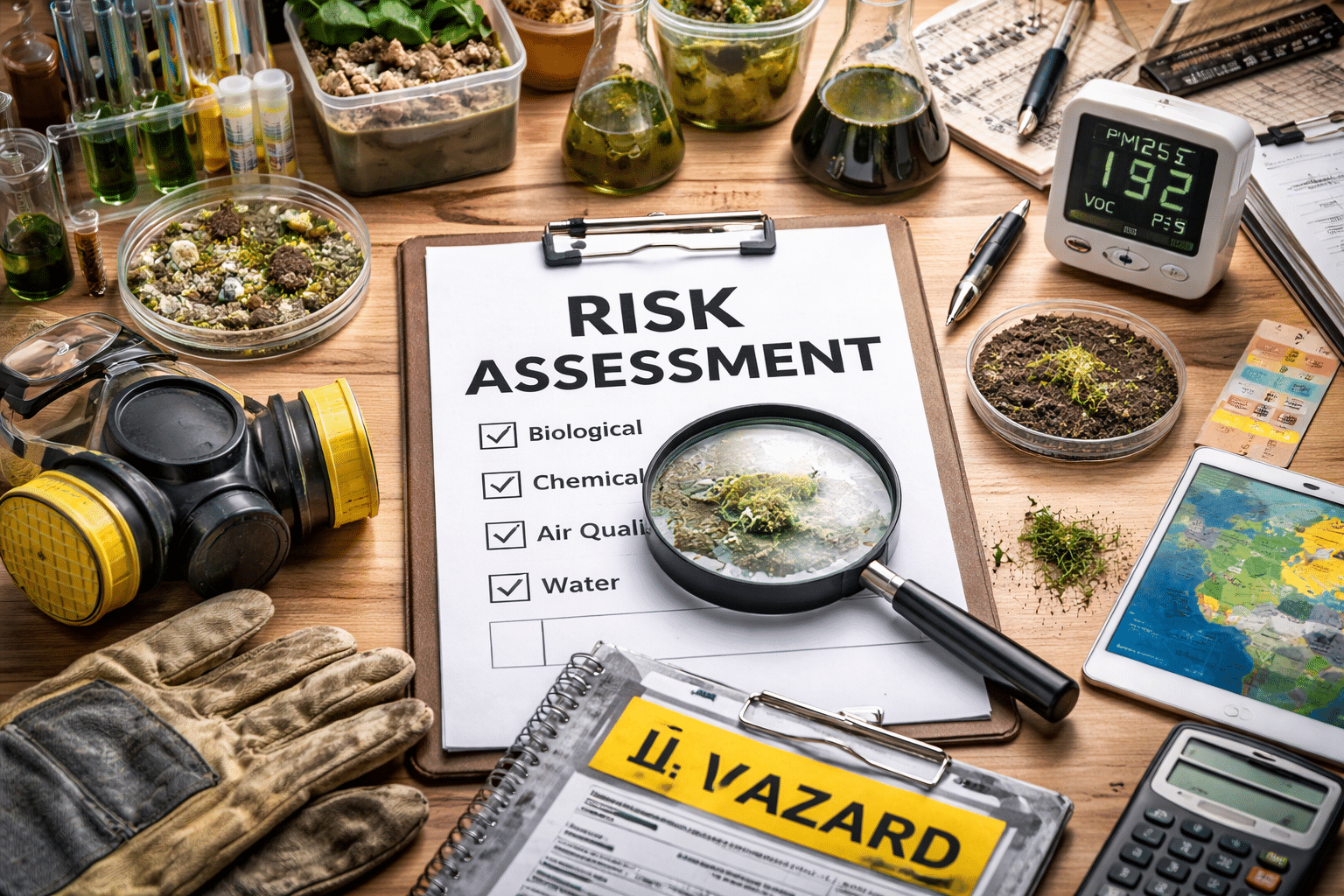
Effective mold prevention in Dubai’s air conditioning systems begins with comprehensive assessment using specialised equipment calibrated for desert climate conditions. Saniservice’s indoor environmental consultants utilise borescope cameras to examine internal ductwork, thermal imaging to identify moisture patterns, and air sampling pumps to collect particulate from supply vents. This multi-point assessment approach recognises that visual inspection alone cannot detect the early-stage colonisation that precedes visible growth in AC systems.
Laboratory analysis of swab samples from evaporator coils and drain pans provides species identification that informs targeted prevention strategies. In Dubai properties, we frequently identify Aspergillus species, Cladosporium, and certain thermophilic fungi that thrive in the specific temperature ranges of operational AC systems. This microbiological profiling enables customised treatment protocols rather than generic chemical applications, addressing the actual biological challenge present in each system through evidence-based interventions.
Critical Assessment Points for Dubai AC Units
During professional assessments, technicians focus on six key areas where mold prevention in Dubai’s air conditioning systems proves most critical: evaporator coils, drain pans, ductwork interiors, air filters, insulation surfaces, and condensate drainage lines. Each component presents unique moisture dynamics and contamination risks that require specific attention. Evaporator coils particularly demand careful inspection as their constant cycling between cold operation and warm standby creates ideal conditions for biofilm formation.
Mold Prevention in Dubai’s Air Conditioning Systems – Routine Maintenance for Mold Prevention
Consistent maintenance forms the foundation of effective mold prevention in Dubai’s air conditioning systems, with schedules tailored to the region’s high dust loads and continuous operation requirements. Dubai homeowners should establish quarterly professional servicing that includes coil cleaning, drain pan treatment, and duct inspection rather than waiting for visible issues to emerge. This proactive approach addresses microbial establishment before it reaches levels that affect air quality or system performance.
Between professional services, residents can support mold prevention in Dubai’s air conditioning systems through monthly filter changes using high-efficiency particulate air (HEPA) filters rated MERV 11 or higher. Regular visual checks of visible ductwork and vent surfaces for discolouration or musty odours provide early warning signs. Ensuring proper drainage flow from condensate lines and maintaining indoor humidity levels between 45-55% creates environmental conditions less favourable for microbial growth throughout the system.
Advanced Cleaning Techniques for Dubai AC Systems
Professional-grade mold prevention in Dubai’s air conditioning systems employs cleaning methodologies that exceed standard dust removal to address biological contamination at the microbial level. NADCA-certified air duct cleaning combines mechanical agitation, HEPA filtration, and antimicrobial treatments specifically formulated for UAE conditions. These protocols recognise that simply removing visible dust leaves behind biofilm matrices that enable rapid recolonisation without proper surface treatment.
For severe contamination cases, mold prevention in Dubai’s air conditioning systems may require specialised techniques such as ultraviolet light installation, photocatalytic oxidation units, or whole-system antimicrobial fogging. These advanced approaches target persistent microbial communities in ductwork and components where physical cleaning cannot reach. The decision to implement these solutions follows laboratory analysis of contamination severity and species identification to ensure appropriate technology selection rather than blanket application.
Building Design Considerations for New Installations
Long-term mold prevention in Dubai’s air conditioning systems begins at the design stage for new constructions or major renovations. Architects and MEP consultants increasingly incorporate humidity control systems, dedicated ventilation pathways, and accessible maintenance points that support ongoing indoor environmental management. These design integrations recognise that AC systems function as part of the building’s overall environmental control ecosystem rather than isolated components.
During construction, mold prevention in Dubai’s air conditioning systems benefits from proper sealing of ductwork during installation to prevent dust infiltration, selection of antimicrobial insulation materials, and strategic placement of access panels for future maintenance. These considerations reduce the initial contamination load and create systems that remain cleaner throughout their operational lifespan. Building professionals increasingly recognise that these upfront investments yield significant returns in system efficiency, maintenance costs, and indoor air quality outcomes.
Water Quality Management in AC Systems
Comprehensive mold prevention in Dubai’s air conditioning systems must address water quality factors unique to the region’s supply infrastructure. Dubai’s hard water characteristics lead to mineral deposition on evaporator coils and drain pans that creates textured surfaces ideal for microbial attachment. Professional water treatment approaches include installation of filtration systems, regular descaling procedures, and drainage line treatments that prevent organic buildup in moist environments.
The connection between water tank maintenance and mold prevention in Dubai’s air conditioning systems often goes unrecognised by homeowners. Contamination in storage tanks can introduce biological material into humidification systems or affect drainage pathways. Regular professional inspection and cleaning of water storage systems forms an integral component of comprehensive AC maintenance programs, particularly in villas and older buildings where tank conditions may have deteriorated over time.
Monitoring and Verification Protocols
Successful mold prevention in Dubai’s air conditioning systems requires ongoing monitoring rather than assuming one-time treatments provide permanent solutions. Professional indoor environmental assessments include baseline testing before interventions and follow-up verification after cleaning to confirm effectiveness. This evidence-based approach replaces assumptions with measurable data about microbial levels and air quality parameters.
Advanced mold prevention in Dubai’s air conditioning systems increasingly incorporates continuous monitoring technology that tracks temperature, humidity, and particulate levels in real time. These systems provide early warning of conditions favourable to microbial growth before visible contamination occurs. For commercial buildings and health-sensitive environments, this proactive monitoring represents the evolving standard of care for maintaining systems that support rather than compromise indoor environmental quality.
Frequently Asked Questions
How often should Dubai homeowners schedule professional AC cleaning?
Most Dubai properties benefit from quarterly professional AC maintenance given the region’s high operational demands and environmental conditions. High-occupancy homes, properties with allergy sufferers, or buildings near construction activity may require more frequent service. The appropriate schedule depends on system usage, indoor environmental factors, and laboratory verification of microbial levels between services.
What are the signs that my Dubai AC system needs mold prevention attention?
Visible discolouration around vents, persistent musty odours when the system operates, increased allergy symptoms among occupants, and reduced cooling efficiency often indicate developing microbial issues. However, many contamination problems remain undetectable without professional assessment using borescope cameras and air sampling equipment designed to identify early-stage growth before visible signs appear.
Can I perform mold prevention in my AC system myself?
While homeowners can change filters and maintain clean surroundings, comprehensive mold prevention in Dubai’s air conditioning systems requires professional equipment and expertise. DIY approaches often miss internal contamination points and may spread spores through improper cleaning techniques. Professional services include laboratory verification and treatment protocols that address the complete system rather than visible surfaces alone.
How does Dubai’s climate affect mold growth in AC systems?
Dubai’s extreme temperature differentials create condensation points throughout AC systems that temperate climates don’t experience. The combination of desert dust composition, high mineral content in water, and unique microbial species creates contamination profiles that require specialised understanding of local environmental conditions rather than generic approaches developed for different climates.
What professional certifications should I look for in AC mold prevention services?
Seek providers with NADCA certification for duct cleaning, IICRC certification for mould remediation, and technicians with IAC2 indoor air quality credentials. These certifications demonstrate adherence to industry standards rather than generic cleaning approaches. Dubai-based providers should also demonstrate understanding of local building designs and environmental factors specific to the region.
Implementing Effective Mold Prevention Strategies
Successful mold prevention in Dubai’s air conditioning systems combines regular professional maintenance, informed homeowner practices, and appropriate system design considerations. Establishing a preventive mindset rather than reactive approach represents the most effective strategy for maintaining systems that support indoor wellbeing. This begins with understanding that AC systems function as integrated components of the building’s environmental control system rather than isolated appliances.
Property owners who prioritise mold prevention in Dubai’s air conditioning systems typically experience better system performance, reduced energy consumption, and improved indoor air quality outcomes. The initial investment in professional assessment and targeted maintenance yields returns through extended equipment lifespan, reduced repair costs, and the intangible benefit of breathing air that supports rather than compromises health. As Dubai’s building stock ages and environmental awareness grows, this preventive approach represents the evolving standard for responsible property management in the region’s challenging climate conditions.

JV de Castro, IAC2
JV de Castro is the Chief Technology Officer at Saniservice, where he leads innovation in indoor environmental sciences, IT infrastructure, and digital transformation. With over 20 years of experience spanning architecture, building science, technology management, digital media architecture, and consultancy, he has helped organizations optimize operations through smart solutions and forward-thinking strategies. JV holds a Degree in Architecture, a Masters of Research in Anthropology, an MBA in Digital Communication & Media, along with certifications in mold, building sciences and advanced networking. Passionate about combining technology, health, and sustainability, he continues to drive initiatives that bridge science, IT, and business impact.