Top Ways to Improve Indoor Air Quality & Reduce Allergies
Understanding Top Ways to Improve Indoor Air Quality & Reduce Allergies is essential. In Dubai’s unique desert climate, improving indoor air quality and reducing allergies requires addressing the specific challenges created by year-round air conditioning, high outdoor humidity during summer months, and the distinctive microbial profile of UAE buildings. The most effective approach combines regular HVAC maintenance, humidity control, advanced filtration, source elimination, and professional assessment to create environments where families breathe easier and experience fewer allergy symptoms. This comprehensive guide outlines evidence-based strategies that move beyond temporary fixes to create lasting indoor wellness.
Top Ways to Improve Indoor Air Quality & Reduce Allergies – Understanding Indoor Air Quality Challenges in Dubai
Dubai’s indoor environments present unique challenges for maintaining optimal air quality and managing allergies. The combination of extreme outdoor temperatures reaching 45°C in summer months and high humidity levels creates conditions where buildings become completely dependent on air conditioning systems. These systems, when not properly maintained, can become sources of microbial contamination and allergen distribution throughout living spaces.
The sealed building envelope necessary for energy efficiency often leads to reduced air exchange rates, allowing pollutants to accumulate to concentrations significantly higher than outdoor levels. Common indoor allergens in Dubai properties include dust mites thriving in humid environments, mould spores from hidden condensation issues, pollen from local vegetation, and particulate matter from construction activities and desert sand.
Many Dubai residents experience what we term ‘Dubai cough’ or persistent allergy symptoms without understanding the indoor environmental factors contributing to these conditions. The solution begins with recognising that indoor air quality management is not a single intervention but a continuous process of monitoring, maintenance, and improvement.
Top Ways to Improve Indoor Air Quality & Reduce Allergies – Professional Air Quality Assessment as Foundation
The most effective top ways to improve indoor air quality & reduce allergies begin with professional assessment rather than guesswork. Comprehensive air quality testing provides the scientific baseline from which all improvement strategies should be developed. This assessment typically includes measuring particulate matter levels, identifying specific allergen types and concentrations, detecting volatile organic compounds, and evaluating ventilation effectiveness.
At our Dubai laboratory, we analyse air samples to identify not just whether allergens are present, but exactly which types and at what concentrations. This precision matters because different allergens require different intervention strategies. Dust mite allergens respond to humidity control, while mould spores require moisture management and filtration, and pollen necessitates different filtration approaches. This relates directly to Top Ways to Improve Indoor Air Quality & Reduce Allergies.
The assessment process also identifies hidden contamination sources that might be missed during visual inspection. Thermal imaging cameras reveal temperature differentials that indicate condensation issues, while moisture meters detect elevated moisture levels in building materials that could support microbial growth. This comprehensive approach ensures that improvement strategies address root causes rather than just symptoms.
Top Ways to Improve Indoor Air Quality & Reduce Allergies – HVAC System Maintenance and Optimisation
In Dubai’s climate, where HVAC systems operate continuously for much of the year, proper maintenance represents one of the most impactful top ways to improve indoor air quality & reduce allergies. These systems serve as both potential pollution sources and primary distribution mechanisms for allergens throughout buildings. Regular professional cleaning of air handling units, ductwork, and cooling coils removes accumulated dust, microbial growth, and other contaminants that would otherwise circulate through living spaces.
Beyond cleaning, system optimisation includes ensuring proper airflow rates, verifying that filters are appropriately sized and maintained, and confirming that humidity control systems are functioning correctly. Many Dubai properties suffer from oversized HVAC systems that short-cycle, failing to properly dehumidify air despite cooling effectively. This creates ideal conditions for dust mites and mould growth while compromising indoor comfort.
Professional HVAC assessment should include measurement of system performance parameters including air exchange rates, filtration efficiency, and humidity control capability. Upgrading to higher efficiency filters, installing ultraviolet germicidal irradiation systems, and ensuring proper maintenance schedules can transform HVAC systems from allergen distributors to active air quality management tools.
Humidity Control and Moisture Management
Controlling indoor humidity levels represents one of the most scientifically validated top ways to improve indoor air quality & reduce allergies, particularly in Dubai’s climate where outdoor humidity frequently exceeds 80% during summer months. Maintaining relative humidity between 40-60% creates an environment that discourages dust mite proliferation, limits mould growth, and maintains comfort without promoting chemical off-gassing from building materials.
Effective humidity control requires both addressing moisture sources and ensuring mechanical systems can manage moisture loads. Common moisture sources in Dubai properties include plumbing leaks, condensation on cold surfaces, groundwater intrusion, and moisture migration through building envelopes. Identifying and addressing these sources prevents the chronic moisture conditions that support allergen-producing biological growth.
Mechanical dehumidification systems, when properly sized and maintained, can maintain optimal humidity levels even during peak summer conditions. Many modern HVAC systems include desiccant-based dehumidification or enhanced condensation control features that significantly improve their moisture removal capabilities. Stand-alone dehumidifiers can supplement central systems in problem areas such as bedrooms or living spaces where occupancy patterns create localized humidity issues.
Advanced Filtration and Air Purification Technologies
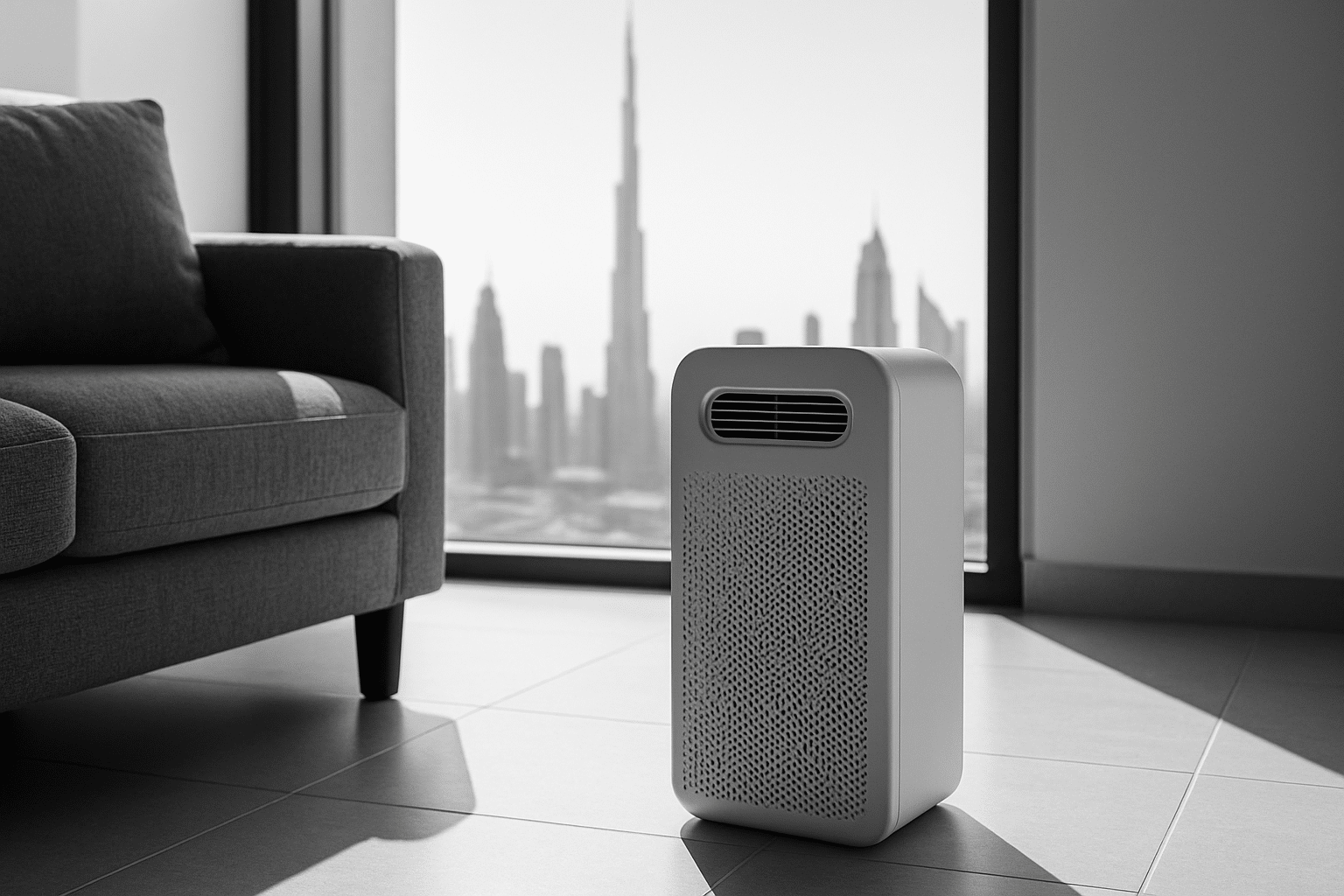
Implementing advanced filtration technologies represents one of the most immediately effective top ways to improve indoor air quality & reduce allergies by physically removing allergens from circulating air. The selection of appropriate filtration technology depends on the specific allergens present, the HVAC system capabilities, and the particular needs of occupants.
High-efficiency particulate air (HEPA) filters capture 99.97% of particles sized 0.3 microns and larger, effectively removing most pollen, mould spores, dust mite allergens, and pet dander. These filters require compatible HVAC systems with sufficient airflow capacity to overcome the increased resistance they create. Regular filter replacement maintains effectiveness and prevents loaded filters from becoming microbial growth sites.
Additional purification technologies including ultraviolet germicidal irradiation (UVGI) systems target microbial contaminants, while activated carbon filters address gaseous pollutants and odours. Electronic air cleaners use electrostatic precipitation to capture particles, though some models may produce ozone as a byproduct. The most effective approach often combines multiple technologies tailored to specific contaminant profiles identified during professional assessment. When considering Top Ways to Improve Indoor Air Quality & Reduce Allergies, this becomes clear.
Source Control and Elimination Strategies
The most fundamental of all top ways to improve indoor air quality & reduce allergies involves eliminating or controlling pollution sources before they contaminate indoor environments. This proactive approach addresses problems at their origin rather than attempting to manage their distribution or effects after they have entered living spaces.
Common indoor allergen sources include dust mites in bedding and upholstery, mould growth in damp areas, pet dander from animals, pollen entering through ventilation systems, and volatile organic compounds from building materials and furnishings. Each source requires specific control strategies ranging from encapsulation techniques to replacement of problematic materials.
For dust mites, source control includes using allergen-impermeable covers on mattresses and pillows, washing bedding in hot water weekly, and reducing humidity levels below 50%. For mould, it involves repairing water intrusion issues, removing contaminated materials, and ensuring proper ventilation in moisture-prone areas. For chemical pollutants, selecting low-emission materials and ensuring adequate ventilation during and after installation prevents accumulation.
Ventilation Strategies and Air Exchange Optimization
Proper ventilation represents one of the most overlooked yet critically important top ways to improve indoor air quality & reduce allergies in Dubai’s tightly sealed buildings. Effective ventilation dilutes indoor pollutants with fresh outdoor air, controls humidity levels, and prevents the accumulation of allergens and chemical contaminants.
Natural ventilation strategies including operable windows and ventilation stacks can provide effective air exchange during Dubai’s milder months. However, during extreme summer conditions, mechanical ventilation systems must provide controlled fresh air introduction while maintaining comfort conditions. Energy recovery ventilators and heat recovery ventilators allow fresh air introduction without compromising energy efficiency by transferring heat and moisture between incoming and outgoing air streams. The importance of Top Ways to Improve Indoor Air Quality & Reduce Allergies is evident here.
Ventilation rate requirements vary based on occupancy patterns, building use, and specific contaminant sources. Professional assessment can determine whether existing ventilation rates meet international standards such as ASHRAE 62.1 or whether supplemental ventilation is required. Local exhaust ventilation in kitchens and bathrooms removes moisture and pollutants at their source before they can distribute throughout buildings.
Monitoring and Maintenance Programs
Sustaining improved indoor air quality requires ongoing monitoring and maintenance rather than one-time interventions. Establishing regular assessment schedules represents one of the most valuable long-term top ways to improve indoor air quality & reduce allergies by identifying issues before they significantly impact occupant health.
Professional monitoring programs typically include periodic air quality testing, visual inspections of critical systems, verification of HVAC performance parameters, and assessment of humidity control effectiveness. These programs create baseline data that allows for trend analysis and early detection of developing problems. Many Dubai properties benefit from quarterly assessments that align with seasonal changes in environmental conditions.
Homeowner maintenance routines complement professional monitoring through regular filter replacement, cleaning practices that minimise dust redistribution, humidity monitoring using inexpensive hygrometers, and prompt attention to water leaks or moisture issues. Education about recognising early signs of air quality problems empowers residents to take proactive measures before issues escalate.
Behavioural and Lifestyle Considerations
Occupant behaviour significantly influences the effectiveness of all top ways to improve indoor air quality & reduce allergies. Simple daily practices can either support or undermine even the most sophisticated air quality management systems. Education about these interactions helps residents become active participants in maintaining their indoor environments.
Key behavioural considerations include removing shoes at entryways to prevent tracking in outdoor allergens, using exhaust fans during cooking and bathing to control moisture, avoiding smoking indoors, selecting low-emission cleaning products, and maintaining proper housekeeping practices that minimise dust accumulation. These practices cost little to implement yet yield significant improvements in air quality.
Lifestyle factors including pet management strategies, plant selection for indoor spaces, and furniture choices all influence indoor allergen levels. Pets should be groomed regularly and kept from bedrooms if family members show sensitivity to dander. Houseplants can improve air quality through phytoremediation but may also harbour mould in their soil if overwatered. Understanding these interactions helps create holistic approaches to allergy reduction.
Integration of Multiple Strategies
The most successful implementations of top ways to improve indoor air quality & reduce allergies integrate multiple strategies rather than relying on single solutions. This integrated approach addresses the complex nature of indoor environments where multiple contaminant sources, distribution mechanisms, and occupant sensitivities interact.
Professional assessment identifies which combination of strategies will yield the greatest improvement for specific situations. A property with high mould spore counts might require moisture control, HVAC cleaning, filtration upgrades, and ventilation improvements. A home with significant dust mite allergens might need humidity control, source elimination, and cleaning protocol changes. The optimal combination varies based on assessment findings.
Implementation sequencing matters—addressing moisture issues before cleaning prevents recurrence, while improving filtration before HVAC cleaning prevents rapid recontamination of cleaned systems. Professional guidance ensures that interventions proceed in the optimal order and that their effects are verified through post-implementation testing. This systematic approach transforms random acts of improvement into coherent air quality management plans. Understanding Top Ways to Improve Indoor Air Quality & Reduce Allergies helps with this aspect.
Expert Tips for Sustainable Air Quality Improvement
Based on years of field experience in Dubai properties, these expert recommendations provide practical guidance for implementing top ways to improve indoor air quality & reduce allergies:
Begin with professional assessment rather than guessing at solutions—measured data always outperforms assumptions. Focus on humidity control as the foundation—most biological allergens require moisture to thrive. Implement source control strategies before investing in air purification—preventing contamination beats removing it. Verify HVAC system performance annually—these systems represent both problem and solution. Establish regular filter replacement schedules—loaded filters become contamination sources. Use vacuum cleaners with HEPA filtration—standard vacuums redistribute fine particles. Address water intrusion within 48 hours—this prevents mould establishment. Consider occupancy patterns when designing solutions—bedrooms require different approaches than living areas. Monitor relative humidity with inexpensive hygrometers—awareness enables timely intervention. Seek professional guidance for persistent issues—some problems require diagnostic expertise beyond visual inspection.
Frequently Asked Questions
How often should Dubai homeowners conduct air quality testing?
Most Dubai properties benefit from annual comprehensive air quality assessment, with additional testing following significant events like water leaks, renovations, or changes in occupant health symptoms. Properties with known issues might require quarterly monitoring until conditions stabilise.
What are the most common allergens found in Dubai homes?
Laboratory analysis typically identifies dust mite allergens, mould spores (particularly Aspergillus and Penicillium species), pollen from local vegetation, and pet dander as the most prevalent allergens in Dubai indoor environments. The specific profile varies by property age, location, and maintenance history.
Can air purifiers alone solve indoor air quality problems?
While air purifiers can reduce circulating allergens, they cannot address source generation or compensate for inadequate ventilation, humidity problems, or contaminated HVAC systems. Comprehensive improvement requires addressing underlying issues alongside purification. Top Ways to Improve Indoor Air Quality & Reduce Allergies factors into this consideration.
How does Dubai’s climate affect indoor allergy levels?
Dubai’s high summer humidity promotes dust mite proliferation and mould growth, while year-round air conditioning can distribute allergens if systems are contaminated. The desert environment introduces fine particulate matter that can penetrate buildings and irritate respiratory systems.
What is the most overlooked aspect of indoor air quality management?
HVAC system maintenance is frequently neglected despite its critical role in air distribution, filtration, and humidity control. Many homeowners focus on visible cleaning while overlooking the systems that condition and circulate air throughout their properties.
Are there Dubai-specific regulations for indoor air quality?
Dubai Municipality has established indoor air quality standards for commercial buildings, particularly in healthcare and educational facilities. While residential standards are less formalised, professional assessment typically references international guidelines from organisations like WHO and ASHRAE.
Conclusion
Implementing effective top ways to improve indoor air quality & reduce allergies requires understanding Dubai’s unique environmental challenges and addressing them through measured, systematic approaches. The journey begins with professional assessment to establish baseline conditions, followed by implementation of targeted strategies including HVAC optimisation, humidity control, advanced filtration, source elimination, and ventilation improvements. Sustaining these benefits requires ongoing monitoring and maintenance rather than one-time interventions.
The result of these efforts extends beyond reduced allergy symptoms to encompass improved sleep quality, enhanced cognitive function, and overall wellbeing. In a climate where residents spend approximately 90% of their time indoors, investing in indoor air quality represents one of the most significant contributions to long-term health and comfort. By applying these evidence-based strategies, Dubai homeowners can create environments where every breath supports rather than challenges wellbeing. Understanding Top Ways to Improve Indoor Air Quality & Reduce Allergies is key to success in this area.

JV de Castro, IAC2
JV de Castro is the Chief Technology Officer at Saniservice, where he leads innovation in indoor environmental sciences, IT infrastructure, and digital transformation. With over 20 years of experience spanning architecture, building science, technology management, digital media architecture, and consultancy, he has helped organizations optimize operations through smart solutions and forward-thinking strategies. JV holds a Degree in Architecture, a Masters of Research in Anthropology, an MBA in Digital Communication & Media, along with certifications in mold, building sciences and advanced networking. Passionate about combining technology, health, and sustainability, he continues to drive initiatives that bridge science, IT, and business impact.