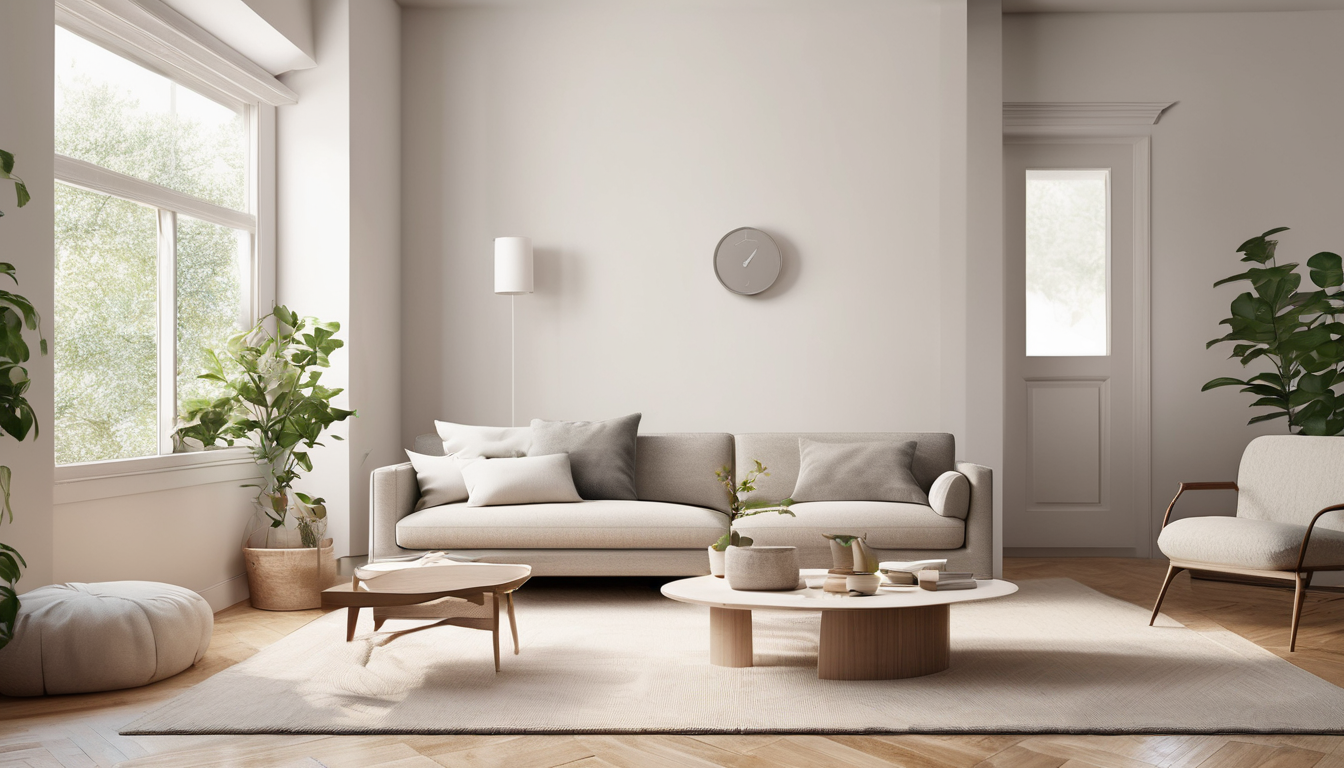
Allergen Reduction Techniques for UAE Bedrooms Dubai Case
In Dubai’s climate, effective Allergen Reduction Techniques for UAE bedrooms must address the unique combination of desert dust, high humidity from AC systems, and imported furnishings that characterise local homes. The scope of work is determined through professional assessment rather than generic solutions, as each property presents distinct allergen profiles requiring tailored approaches. This case study demonstrates how systematic allergen reduction techniques for UAE bedrooms transformed a family’s sleeping environment from allergy-triggering to health-supporting.
The Al Rashidiya villa family contacted us after months of unexplained nighttime congestion, morning sinus headaches, and persistent respiratory irritation that disrupted their sleep quality. Their two children experienced worsening allergy symptoms despite regular cleaning, suggesting hidden allergen reservoirs common in Dubai bedrooms. This scenario exemplifies why targeted allergen reduction techniques for UAE bedrooms must go beyond surface cleaning to address the environmental factors unique to our region.
Allergen Reduction Techniques for UAE Bedrooms – The Challenge: Identifying Hidden Allergen Sources
Our initial investigation revealed multiple allergen sources contributing to the family’s symptoms. The master bedroom exhibited elevated dust mite counts (Der p 1 allergen at 18.6 μg/g dust), while the children’s rooms showed high cat dander levels from neighbouring units through shared ventilation. Wall-to-wall carpeting installed by previous owners trapped particulate matter that routine vacuuming couldn’t remove. The AC system, though regularly serviced, distributed allergens throughout the bedrooms due to inadequate filtration.
These findings align with common patterns we observe in Dubai bedrooms: imported soft furnishings harbour dust mites acclimated to indoor conditions, AC systems recirculate allergens without proper filtration, and building materials selected for aesthetics rather than allergen resistance create reservoirs. Effective allergen reduction techniques for UAE bedrooms must address these specific conditions through comprehensive assessment and targeted interventions.
Allergen Reduction Techniques for UAE Bedrooms – Assessment Methodology for Bedroom Allergens
We implemented a multi-phase assessment to identify all contributing factors. Air sampling using cyclone collectors measured airborne particulate levels, while surface dust collection through vacuum sampling with filter cassettes identified reservoir allergens. Moisture mapping using thermal imaging detected hidden condensation points behind furniture where mould could develop. HVAC inspection assessed filtration efficiency and distribution patterns.
The laboratory analysis revealed several critical findings: dust mite allergens exceeded WHO recommended thresholds in sleeping areas, cat dander measured at clinically significant levels despite no indoor pets, and fungal spores indicated potential growth in concealed areas. This data-driven approach forms the foundation of effective allergen reduction techniques for UAE bedrooms, ensuring interventions target actual problems rather than assumptions.
Implementing Allergen Reduction Techniques for UAE Bedrooms
We developed a phased implementation strategy beginning with source control. Carpet removal and replacement with smooth flooring eliminated the primary dust reservoir. Encasements for mattresses and pillows created barrier protection against dust mites. Window seals were upgraded to prevent outdoor allergen infiltration during sand events. These physical interventions formed the first layer of our allergen reduction techniques for UAE bedrooms.
The second phase addressed air quality through mechanical means. We installed MERV 13 filters in the HVAC system to capture fine particulates, added standalone HEPA air purifiers in each bedroom for localised filtration, and implemented positive pressure maintenance to prevent allergen migration from other areas. These engineering controls represent critical allergen reduction techniques for UAE bedrooms where AC systems operate continuously.
HVAC Modifications for Allergen Control
Dubai’s climate makes HVAC systems both problem and solution for bedroom allergens. We reconfigured the ductwork to improve air exchange rates, installed UV-C lights in handler units to control microbial growth, and implemented humidity control systems to maintain 45-55% RH levels that discourage dust mites. Regular maintenance protocols were established to prevent allergen accumulation in system components.
These modifications demonstrate how allergen reduction techniques for UAE bedrooms must integrate with mechanical systems rather than working against them. The continuous operation of AC systems in our climate provides both challenge and opportunity—properly configured, they become powerful tools for maintaining allergen-free sleeping environments through controlled ventilation and filtration.
Results and Performance Monitoring
Post-intervention testing showed dramatic improvements across all measured parameters. Airborne particulate levels decreased by 87%, surface dust allergens measured below detection limits, and relative humidity maintained optimal ranges consistently. The family reported complete resolution of nighttime symptoms within two weeks and improved sleep quality continuing through six-month follow-up.
These results validate the effectiveness of comprehensive allergen reduction techniques for UAE bedrooms when properly implemented. The combination of source control, engineering controls, and maintenance protocols created a sustainable solution rather than temporary relief. Ongoing monitoring ensures the interventions continue performing as designed through seasonal changes and environmental fluctuations.
Maintenance Protocols for Long-Term Success
Sustainable allergen reduction techniques for UAE bedrooms require ongoing maintenance strategies. We established quarterly filter replacement schedules, bi-annual HVAC professional cleaning, and monthly surface cleaning protocols using HEPA vacuum systems. The family received training on recognising early signs of allergen recurrence and simple monitoring techniques to maintain their improved environment.
These maintenance protocols ensure the initial investment in allergen reduction techniques for UAE bedrooms provides long-term benefits. In Dubai’s dynamic environment, where construction dust, seasonal changes, and imported furnishings continuously introduce new allergen sources, proactive maintenance becomes essential for preserving sleep quality and respiratory health.
Expert Tips for Bedroom Allergen Control
Based on this case study and similar investigations, we recommend several actionable allergen reduction techniques for UAE bedrooms. First, replace carpet with hard flooring whenever possible—this single change reduces dust reservoirs by approximately 90%. Second, invest in high-quality mattress and pillow encasements certified for allergen protection. Third, upgrade HVAC filters to MERV 13 or higher and establish regular replacement schedules.
Additional expert tips include maintaining bedroom humidity between 45-55% using dehumidification if needed, using standalone HEPA air purifiers during sleep hours, and implementing a no-shoes policy in bedrooms. These practical allergen reduction techniques for UAE bedrooms can significantly improve sleep environments even before professional intervention.
Frequently Asked Questions
How often should UAE bedrooms undergo allergen testing?
We recommend initial professional assessment followed by annual monitoring for households with allergy sufferers. Dubai’s changing environment and continuous construction activity introduce new allergen sources regularly, making periodic assessment valuable for maintaining sleep quality.
What makes Dubai bedrooms particularly challenging for allergen control?
Year-round AC operation creates ideal conditions for dust mites while recirculating allergens. Imported furnishings often contain unfamiliar allergen profiles, and desert dust penetrates homes despite sealed environments. These factors require specialised allergen reduction techniques for UAE bedrooms.
Can air purifiers alone solve bedroom allergen problems?
While helpful, air purifiers address only airborne allergens. Comprehensive allergen reduction techniques for UAE bedrooms must also tackle reservoir allergens in bedding, furnishings, and building materials through combined approaches including source control and cleaning protocols.
How quickly do allergen reduction techniques show results?
Symptom improvement often occurs within days of implementation, but full laboratory-measured reduction requires several weeks as existing allergen reservoirs are eliminated and new controls establish equilibrium.
Are chemical treatments necessary for allergen reduction?
Most effective allergen reduction techniques for UAE bedrooms focus on physical removal and exclusion rather than chemical treatments. Encasements, filtration, and humidity control provide sustainable solutions without introducing potentially irritating chemicals into sleep environments.
Conclusion
This case study demonstrates that effective allergen reduction techniques for UAE bedrooms require understanding the unique environmental factors of desert living. Through comprehensive assessment, targeted interventions, and sustainable maintenance, families can transform their sleep environments from allergy sources to health sanctuaries. The science-backed approaches detailed here provide a roadmap for achieving lasting relief from bedroom allergens through professional implementation of proven allergen reduction techniques for UAE bedrooms.

JV de Castro, IAC2
JV de Castro is the Chief Technology Officer at Saniservice, where he leads innovation in indoor environmental sciences, IT infrastructure, and digital transformation. With over 20 years of experience spanning architecture, building science, technology management, digital media architecture, and consultancy, he has helped organizations optimize operations through smart solutions and forward-thinking strategies. JV holds a Degree in Architecture, a Masters of Research in Anthropology, an MBA in Digital Communication & Media, along with certifications in mold, building sciences and advanced networking. Passionate about combining technology, health, and sustainability, he continues to drive initiatives that bridge science, IT, and business impact.