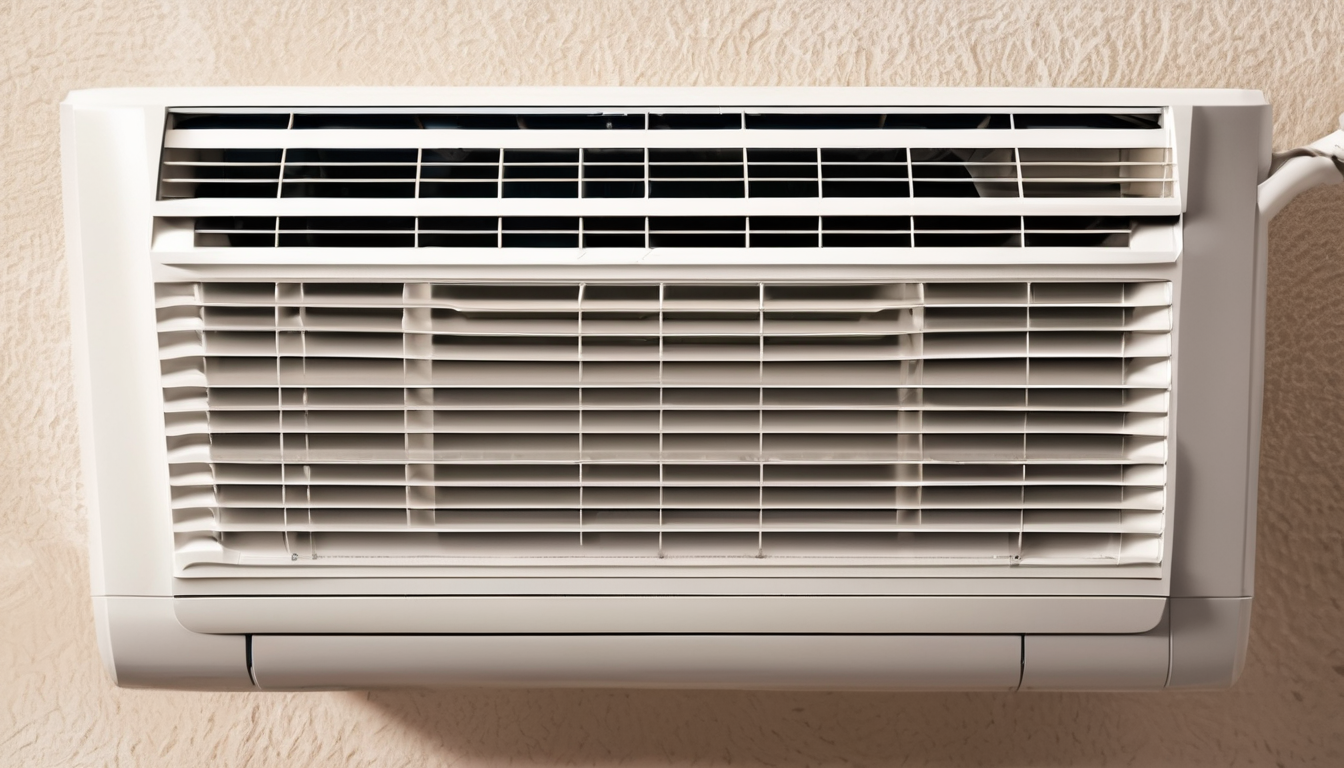
Indoor Air Quality Testing Services Ultimate Guide
Indoor air quality testing services have become increasingly essential in Dubai’s rapidly developing urban landscape. As residents spend approximately 90% of their time indoors, the quality of the air we breathe within our homes, offices, and schools directly impacts our health, comfort, and productivity. Professional indoor air quality testing services provide the scientific data needed to identify invisible threats and implement effective solutions.
The unique climate conditions in the UAE present specific challenges for maintaining optimal Indoor Air Quality. With extreme outdoor temperatures requiring constant air conditioning, sealed building envelopes, and high humidity levels during certain seasons, Dubai properties require specialised assessment approaches. Indoor air quality testing services adapted to local conditions can identify problems that might otherwise go undetected until health symptoms emerge.
This comprehensive guide explores everything you need to know about professional indoor air quality testing services. From understanding what these services encompass to recognising when you need testing and how to interpret results, we cover the complete spectrum of indoor air quality assessment. Whether you’re a homeowner concerned about family health, a facility manager responsible for employee wellbeing, or a property developer ensuring construction quality, this guide provides the essential information you need.
Understanding Indoor Air Quality Testing Services
Indoor air quality testing services encompass a range of scientific procedures designed to assess the composition and quality of air within enclosed spaces. These services go beyond simple air freshness evaluation to provide quantitative data on specific pollutants, their concentrations, and potential health impacts. Professional indoor air quality testing services utilise advanced equipment and methodologies to detect contaminants that are often invisible to the naked eye and undetectable by human senses.
The scope of comprehensive indoor air quality testing services typically includes assessment of particulate matter, chemical pollutants, biological contaminants, and environmental parameters. Each category requires specific testing approaches and equipment. For particulate matter, testing measures the concentration of fine particles that can penetrate deep into respiratory systems. Chemical pollutant testing identifies volatile organic compounds (VOCs) emitted from building materials, furnishings, and cleaning products. Biological contaminant testing detects mould spores, bacteria, allergens, and other microorganisms that can affect health.
Professional indoor air quality testing services also evaluate environmental factors that influence pollutant behaviour and human comfort. Temperature and humidity measurements help assess conditions that might promote mould growth or increase chemical off-gassing. Ventilation assessment determines whether air exchange rates are sufficient to dilute and remove contaminants. Carbon dioxide levels indicate whether occupancy ventilation meets recommended standards for maintaining healthy indoor environments.
The Science Behind Air Quality Testing
The scientific foundation of indoor air quality testing services lies in environmental science, chemistry, and microbiology. Testing protocols follow established standards from organisations like the American Society of Heating, Refrigerating and Air-Conditioning Engineers (ASHRAE) and the Environmental Protection Agency (EPA). These standards ensure that testing methods produce reliable, reproducible results that can be compared against established health guidelines and exposure limits.
Advanced indoor air quality testing services employ instrumentation such as laser particle counters for particulate measurement, photoionization detectors for VOC assessment, and microbial air samplers for biological contaminant collection. Laboratory analysis supplements field measurements with microscopic examination, culture-based identification, and chemical analysis using techniques like gas chromatography-mass spectrometry. This multi-method approach provides comprehensive insight into indoor air composition and quality.
Indoor Air Quality Testing Services: Common Indoor Air Pollutants in Dubai
Dubai’s unique environmental conditions and building practices create specific indoor air quality challenges that professional testing services must address. The extreme outdoor climate necessitates sealed building envelopes and continuous air conditioning, which can concentrate pollutants indoors if not properly managed. Common pollutants identified through indoor air quality testing services in Dubai include fine desert dust particles that infiltrate buildings despite filtration systems.
Volatile organic compounds represent a significant concern in many Dubai properties. New construction and renovation activities introduce VOCs from paints, adhesives, sealants, and building materials. The rapid pace of development means many residents occupy spaces where materials are still off-gassing chemicals. Indoor air quality testing services frequently detect elevated levels of formaldehyde, benzene, toluene, and other VOCs that can cause respiratory irritation and long-term health effects.
Biological contaminants pose particular challenges in Dubai’s humid coastal areas and in properties with humidity control issues. Mould growth occurs when relative humidity exceeds 60%, often in bathrooms, kitchens, and behind walls where condensation forms. Indoor air quality testing services regularly identify Aspergillus, Penicillium, and Cladosporium species in Dubai properties. Dust mites thrive in upholstered furniture and bedding, while cockroach allergens can be present in multi-unit buildings.
Climate-Specific Considerations
The UAE’s desert climate creates unique particulate matter challenges for indoor air quality testing services. Fine sand particles measuring 2.5-10 micrometres in diameter can penetrate building envelopes and filtration systems. These particles carry allergens, microorganisms, and chemical contaminants from outdoor pollution sources. During sandstorm events, indoor particle concentrations can increase dramatically, requiring enhanced filtration and ventilation strategies that professional testing can validate.
Temperature differentials between air-conditioned interiors and hot exterior environments create condensation issues that indoor air quality testing services must assess. Thermal bridging through building structures can create cold surfaces where moisture condenses, leading to hidden mould growth. Window assemblies, concrete slabs, and structural elements require careful examination during comprehensive indoor air quality testing to identify these moisture-related problems before they cause significant contamination.
When to Consider Indoor Air Quality Testing
Knowing when to engage professional indoor air quality testing services can help prevent health issues and property damage. Immediate testing is recommended when occupants experience persistent symptoms that improve when leaving the building. These symptoms may include headaches, fatigue, dizziness, respiratory irritation, allergic reactions, or worsening asthma symptoms. When multiple occupants report similar complaints, indoor air quality testing services can identify common environmental factors.
Property transactions represent another key scenario for indoor air quality testing services. Pre-purchase assessments provide buyers with information about potential air quality issues before committing to a property. For landlords and property managers, regular indoor air quality testing services help demonstrate due diligence in maintaining healthy rental properties. Testing documentation can protect against liability claims related to occupant health issues potentially caused by poor indoor air quality.
After water damage events, indoor air quality testing services become essential for assessing mould growth and other moisture-related problems. Whether from plumbing leaks, roof leaks, or flooding, water intrusion can lead to hidden mould growth within 24-48 hours. Professional testing identifies the extent of contamination and verifies the effectiveness of remediation efforts. Post-remediation verification through indoor air quality testing services ensures that properties are truly safe for reoccupancy.
Preventative Testing Schedules
Beyond reactive situations, proactive indoor air quality testing services provide baseline assessment and ongoing monitoring for high-risk environments. Healthcare facilities, schools, and elderly care facilities benefit from regular testing schedules due to vulnerable occupant populations. Properties with historical moisture issues or known contamination problems should implement periodic indoor air quality testing to monitor conditions and prevent recurrence.
The frequency of preventative indoor air quality testing services depends on building characteristics and occupant sensitivity. Annual testing suits most residential properties, while quarterly assessments may be appropriate for facilities with sensitive populations or ongoing contamination concerns. Seasonal variations in Dubai’s climate justify testing at different times of year to capture humidity-related changes in summer versus winter conditions.
Professional Indoor Air Quality Testing Methods
Professional indoor air quality testing services employ multiple methodological approaches to provide comprehensive assessment. Air sampling represents the core technique for quantifying pollutant concentrations. Active air sampling uses pumps to draw air through collection media at calibrated flow rates, allowing precise measurement of contaminant levels over specific time periods. Passive sampling methods utilise diffusion or permeation principles to collect contaminants without mechanical pumping.
Surface sampling complements air testing in comprehensive indoor air quality testing services. Tape lifts, swabs, and bulk samples collect particles and microorganisms from surfaces for laboratory analysis. These methods help identify contamination sources, determine cleaning effectiveness, and assess exposure risks from settled dust. Wipe sampling specifically targets chemical residues on surfaces, providing information about VOC deposition and potential dermal exposure pathways.
Environmental monitoring forms the third pillar of professional indoor air quality testing services. Continuous monitoring instruments measure temperature, humidity, carbon dioxide, and particulate levels over extended periods. Data logging capabilities capture diurnal patterns and occupancy-related fluctuations that spot measurements might miss. This approach helps indoor air quality testing services identify conditions that promote pollutant generation and accumulation.
Advanced Diagnostic Technologies
Modern indoor air quality testing services incorporate advanced technologies that enhance traditional sampling methods. Thermal imaging cameras identify temperature variations that indicate moisture problems, insulation deficiencies, and thermal bridging. These non-invasive tools help target sampling efforts to areas most likely to harbour contamination. Moisture meters quantify water content in building materials, providing objective data about drying progress and moisture management.
Real-time monitoring instruments represent the cutting edge of indoor air quality testing services. Laser particle counters provide immediate feedback on particulate levels, allowing technicians to identify pollution sources through pattern recognition. Photoionization detectors offer instant VOC measurements, enabling rapid assessment of chemical contamination events. These technologies supplement laboratory analysis with immediate data that guides investigation and intervention strategies.
DIY vs Professional Testing Approaches
The market offers various do-it-yourself indoor air quality testing options that differ significantly from professional services. DIY test kits typically provide limited sampling capabilities with delayed laboratory analysis. While these kits can indicate the presence of certain pollutants, they lack the comprehensive assessment that professional indoor air quality testing services provide. DIY approaches often suffer from sampling errors, inadequate detection limits, and limited interpretation guidance.
Professional indoor air quality testing services offer several advantages over DIY approaches. Certified technicians follow standardized protocols that ensure sample integrity and analytical accuracy. They possess the training to interpret results in context, considering building characteristics, occupant activities, and environmental conditions. Professional services provide actionable recommendations based on findings, whereas DIY kits typically offer generic advice without specific remediation guidance.
The cost difference between DIY kits and professional indoor air quality testing services reflects the disparity in comprehensiveness and expertise. Basic DIY mould test kits might cost AED 200-400, while professional comprehensive assessment typically ranges from AED 1,500-3,500. This investment in professional indoor air quality testing services provides greater value through accurate identification of problems, specific remediation guidance, and documentation for legal or transactional purposes.
When DIY Testing Might Suffice
Despite their limitations, DIY test kits can serve specific purposes within a broader indoor air quality management strategy. Homeowners might use radon test kits for preliminary screening before investing in professional assessment. Simple humidity monitors help track environmental conditions between professional indoor air quality testing services visits. DIY formaldehyde test strips can identify potential off-gassing issues from new furniture or building materials.
The most effective approach often combines limited DIY monitoring with periodic professional indoor air quality testing services. Homeowners can use affordable sensors to track basic parameters like temperature, humidity, and particulate levels continuously. When these indicators suggest potential problems, they can engage professional services for comprehensive assessment. This strategy maximizes resource allocation while maintaining awareness of indoor air quality between professional evaluations.
Interpreting Indoor Air Quality Test Results
Proper interpretation of indoor air quality testing results requires understanding reference standards, health guidelines, and context-specific factors. Professional indoor air quality testing services compare measured concentrations against established standards from organisations like the World Health Organization (WHO), EPA, and occupational safety agencies. These comparisons help determine whether pollutant levels represent minimal, moderate, or significant health concerns.
Contextual interpretation represents a critical aspect of professional indoor air quality testing services. Identical test results might indicate different urgency levels depending on occupant sensitivity, exposure duration, and multiple pollutant interactions. For example, slightly elevated mould spore counts might be acceptable for healthy adults but concerning for asthmatic children. Professional interpreters consider these factors when making recommendations based on indoor air quality testing results.
Pattern recognition across multiple testing parameters enhances interpretation accuracy. Professional indoor air quality testing services analyse relationships between different measurements to identify underlying issues. Elevated carbon dioxide levels alongside normal VOC readings might indicate inadequate ventilation without significant pollution sources. High humidity with moderate mould counts suggests conditions conducive to future growth even if current contamination remains limited.
Understanding Laboratory Reports
Laboratory reports from indoor air quality testing services contain technical data that requires expert explanation. Spore trap analysis identifies mould types and concentrations, but interpretation considers whether spores are viable (living) or non-viable (dead). VOC reports list chemical compounds with concentrations compared to threshold limit values. Particle count data categorises particulates by size fraction, with finer particles representing greater health concerns.
Professional indoor air quality testing services provide translated reports that explain technical findings in practical terms. Instead of merely presenting data, these reports identify specific problems, their likely causes, and recommended actions. They prioritise issues based on health significance and remediation urgency. This interpretation transforms raw data into actionable intelligence that property owners can use to improve their indoor environments effectively.
Cost of Indoor Air Quality Testing Services
The investment in professional indoor air quality testing services varies based on testing scope, property size, and geographical location within the UAE. Basic screening tests focusing on a single pollutant category might start around AED 1,000-1,500. Comprehensive indoor air quality testing services assessing multiple pollutant types and environmental parameters typically range from AED 2,500-4,000 for standard residential properties.
Larger properties command higher pricing for indoor air quality testing services due to increased sampling requirements. Villa assessments generally cost AED 3,000-5,000 depending on square footage and testing complexity. Commercial indoor air quality testing services for offices, schools, or healthcare facilities range from AED 5,000-15,000 based on size, occupancy, and specific testing needs. These investments reflect the thorough assessment necessary for larger, more complex environments.
Several factors influence the cost structure of indoor air quality testing services. Laboratory analysis fees represent a significant component, particularly for sophisticated testing like VOC speciation or mycotoxin analysis. Technician time accounts for another major cost factor, especially when complex investigations require multiple site visits. Advanced equipment usage, such as thermal imaging or real-time monitoring, adds to the overall investment in comprehensive indoor air quality testing services.
Value Versus Cost Considerations
While professional indoor air quality testing services represent a financial investment, they provide substantial value through health protection, property preservation, and peace of mind. Identifying and addressing air quality issues early can prevent more expensive remediation costs later. For property transactions, indoor air quality testing services provide due diligence that might negotiate price reductions or remediation agreements worth significantly more than the testing cost.
The health benefits of professional indoor air quality testing services extend beyond financial calculation. Reduced respiratory symptoms, improved sleep quality, and enhanced cognitive function represent valuable outcomes that justify the investment. For businesses, improved indoor air quality correlates with reduced absenteeism and increased productivity, providing return on investment beyond mere compliance with occupational health standards.
Improving Indoor Air Quality After Testing
Professional indoor air quality testing services typically include specific recommendations for addressing identified issues. Source control represents the most effective strategy for improving air quality by eliminating or reducing pollutant generation. This might involve replacing contaminant-emitting materials, repairing water intrusion sources, or modifying occupant activities that contribute to pollution. Source control solutions address the root causes identified through indoor air quality testing services.
Ventilation improvement forms another key recommendation from indoor air quality testing services. Increasing fresh air introduction dilutes indoor pollutants and reduces concentrations to safer levels. Recommendations might include HVAC system modifications, installation of energy recovery ventilators, or operational changes to existing ventilation equipment. Professional indoor air quality testing services often measure existing ventilation rates to provide specific targets for improvement.
Air cleaning technologies supplement source control and ventilation strategies recommended by indoor air quality testing services. High-efficiency particulate air (HEPA) filters capture airborne particles, while activated carbon filters adsorb gaseous pollutants. Ultraviolet germicidal irradiation (UVGI) systems control biological contaminants in HVAC systems. The specific combination of technologies depends on the pollutant profile identified through comprehensive indoor air quality testing services.
Implementing Professional Recommendations
Successful implementation of recommendations from indoor air quality testing services requires coordinated action across multiple domains. Structural repairs address building envelope issues that allow pollutant entry or moisture intrusion. HVAC modifications improve filtration, ventilation, and humidity control. Material changes replace problematic furnishings, finishes, or building products that emit contaminants. Behavioural adjustments modify occupant activities that contribute to indoor pollution.
Post-remediation verification represents a critical final step after implementing recommendations from indoor air quality testing services. Follow-up testing confirms that interventions successfully addressed identified problems without creating new issues. This verification provides assurance that indoor environments now meet health-based standards and guidelines. Many professional indoor air quality testing services offer package pricing that includes initial assessment, recommendations, and follow-up verification testing.
Choosing Indoor Air Quality Testing Providers
Selecting appropriate indoor air quality testing services requires careful evaluation of provider qualifications and capabilities. Certification represents the primary indicator of technical competence. Look for providers with certifications from recognised organisations like the International Association of Certified Indoor Air Consultants (IAC2), American Industrial Hygiene Association (AIHA), or equivalent international bodies. These certifications demonstrate adherence to professional standards and continuing education requirements.
Laboratory accreditation represents another critical factor when choosing indoor air quality testing services. Air sample analysis should be performed by laboratories accredited under international standards like ISO 17025. This accreditation ensures that analytical methods meet precision, accuracy, and reliability requirements. Providers should transparently disclose their laboratory partnerships and accreditation status when offering indoor air quality testing services.
Experience with local conditions distinguishes superior indoor air quality testing services in the UAE market. Providers familiar with Dubai’s climate, building practices, and common contamination issues can more effectively identify and interpret test results. Ask potential providers about their experience with similar properties and their understanding of region-specific challenges. Local expertise enhances the value of professional indoor air quality testing services through context-aware interpretation and recommendations.
Evaluating Service Comprehensiveness
The scope of services offered indicates the thoroughness of indoor air quality testing providers. Comprehensive assessment should include multiple pollutant categories rather than focusing on a single concern. Ask providers about their testing methodology, equipment capabilities, and reporting format. Transparent providers explain their approach clearly and provide sample reports that demonstrate their interpretive depth and recommendation specificity.
Post-testing support represents an often-overlooked aspect of indoor air quality testing services. The best providers offer consultation to help understand results, prioritise actions, and identify qualified remediation professionals if needed. This support transforms test data into actionable improvement plans. When comparing indoor air quality testing services, inquire about included consultation time and ongoing support availability after delivering results.
Future Trends in Air Quality Testing
Technological advancements continue to transform indoor air quality testing services toward greater accessibility, accuracy, and comprehensiveness. Sensor technology development enables more affordable real-time monitoring devices that provide continuous air quality data. These devices complement traditional laboratory-based indoor air quality testing services by identifying patterns and trends that inform targeted sampling strategies.
Integration with building automation systems represents an emerging trend in professional indoor air quality testing services. Smart buildings increasingly incorporate air quality sensors that continuously monitor conditions and adjust ventilation rates accordingly. These systems generate vast datasets that indoor air quality testing services can analyse to identify patterns, predict problems, and optimize building performance. The future of indoor air quality testing services includes more proactive, predictive approaches based on continuous monitoring data.
Personal exposure monitoring represents another developing area within indoor air quality testing services. Wearable devices track individual exposure to various pollutants throughout daily activities, providing personalised air quality assessment. This approach complements traditional fixed-location indoor air quality testing services by capturing exposure variations across different microenvironments. The integration of personal and building monitoring creates comprehensive exposure assessment frameworks.
Advanced Analytical Capabilities
Laboratory analytical methods continue to advance, enhancing the capabilities of professional indoor air quality testing services. Lower detection limits identify contaminants at previously undetectable concentrations that might still affect sensitive individuals. Faster analysis turnaround times provide more timely results for rapid decision-making. New analytical techniques identify previously unrecognised pollutants and their transformation products in indoor environments.
Data analytics and artificial intelligence applications promise to revolutionise interpretation of results from indoor air quality testing services. Machine learning algorithms can identify complex patterns across multiple parameters that human analysts might miss. Predictive modelling estimates how changes in building operation or occupant behaviour might affect future air quality. These advanced analytical approaches will enhance the value proposition of professional indoor air quality testing services through deeper insights and more accurate predictions.
Expert Tips for Better Indoor Air
Based on extensive experience with indoor air quality testing services, several practical strategies can help maintain healthier indoor environments between professional assessments. First, control humidity levels between 40-60% using dehumidifiers or HVAC systems to prevent mould growth and dust mite proliferation. Second, ensure adequate ventilation by opening windows when outdoor conditions permit or using mechanical ventilation systems to introduce fresh air.
Third, implement source control by choosing low-emission materials, avoiding harsh chemical cleaners, and maintaining combustion appliances properly. Fourth, use door mats and remove shoes to reduce tracked-in contaminants. Fifth, maintain HVAC systems with regular filter changes and professional cleaning to prevent pollutant redistribution. These simple measures complement the findings from professional indoor air quality testing services.
Sixth, address water intrusion immediately to prevent mould growth within 24-48 hours. Seventh, use exhaust fans in bathrooms and kitchens to remove moisture at source. Eighth, consider air purifiers with HEPA and activated carbon filters for spaces with specific contamination concerns. Ninth, avoid air fresheners and scented products that add VOCs to indoor air. Tenth, schedule regular professional indoor air quality testing services to identify hidden problems before they affect health.
Frequently Asked Questions
How often should I schedule indoor air quality testing services? Most residential properties benefit from annual testing, while properties with sensitive occupants or historical issues might require quarterly assessment. Post-remediation verification and pre-purchase inspections represent additional occasions for professional indoor air quality testing services.
What’s the difference between air quality testing and mould inspection? Mould inspection represents a subset of comprehensive indoor air quality testing services. While mould inspection focuses specifically on fungal contamination, complete air quality assessment also evaluates chemical pollutants, particulate matter, and environmental parameters that affect overall indoor air quality.
Can I conduct my own indoor air quality testing? While DIY test kits are available, professional indoor air quality testing services provide more accurate, comprehensive assessment with expert interpretation. The investment in professional services ensures proper identification of problems and appropriate remediation recommendations based on scientific evidence.
How long does professional indoor air quality testing take? Site investigation typically requires 2-4 hours depending on property size and testing scope. Laboratory analysis adds 3-7 days for most parameters, with comprehensive reports delivered within 10-14 days of sample collection for complete indoor air quality testing services.
Will testing identify the source of musty odours? Yes, professional indoor air quality testing services specifically investigate musty odours through mould testing, moisture assessment, and chemical analysis. These services identify the underlying causes of odours rather than merely masking them with air fresheners.
Professional indoor air quality testing services provide essential protection for your health and property investment. By identifying invisible contaminants and their sources, these services enable targeted interventions that create healthier indoor environments. Whether you’re experiencing specific symptoms, preparing for property transaction, or simply prioritising health prevention, comprehensive indoor air quality testing offers peace of mind through scientific assessment.

JV de Castro, IAC2
JV de Castro is the Chief Technology Officer at Saniservice, where he leads innovation in indoor environmental sciences, IT infrastructure, and digital transformation. With over 20 years of experience spanning architecture, building science, technology management, digital media architecture, and consultancy, he has helped organizations optimize operations through smart solutions and forward-thinking strategies. JV holds a Degree in Architecture, a Masters of Research in Anthropology, an MBA in Digital Communication & Media, along with certifications in mold, building sciences and advanced networking. Passionate about combining technology, health, and sustainability, he continues to drive initiatives that bridge science, IT, and business impact.