Understanding Pm25 And: 5 Essential Tips
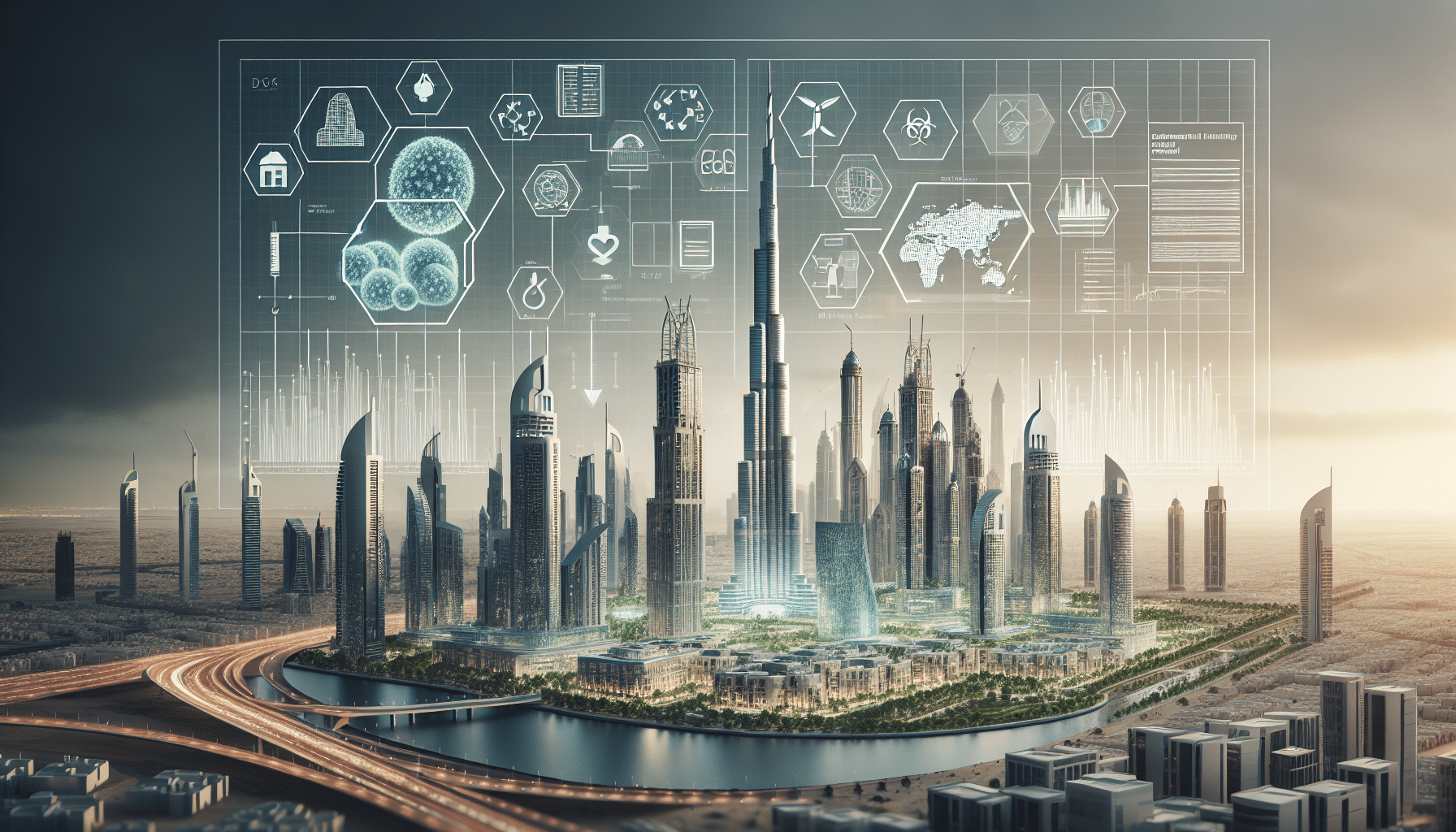
Understanding PM2.5 and PM10 readings in Dubai requires specialised knowledge of the region’s unique environmental conditions. As a building scientist and indoor environmental consultant with over a decade of experience in the UAE, I’ve analysed thousands of air quality readings across Dubai’s diverse microclimates. The desert environment, rapid urban development, and specific meteorological patterns create distinctive challenges for particulate matter monitoring that differ significantly from other global cities.
When we discuss understanding PM2.5 and PM10 readings in Dubai, we’re addressing more than just numbers on a screen. These measurements represent tangible health risks that vary by neighbourhood, season, and even time of day. From the construction dust in Downtown Dubai to the desert sand particles in Arabian Ranches, each area presents unique particulate profiles that demand tailored interpretation approaches.
This guide provides comprehensive insights into understanding PM2.5 and PM10 readings in Dubai context, drawing from my extensive field research and laboratory analysis at Saniservice’s indoor environmental sciences division. We’ll explore how to interpret these readings accurately, identify local pollution sources, and implement effective protection strategies specific to UAE living conditions.
Understanding Pm2.5 And Pm10 Readings In Dubai – PM2.5 and PM10 Fundamentals for Dubai Residents
Understanding PM2.5 and PM10 readings in Dubai begins with grasping the fundamental differences between these particle classifications. PM10 refers to particulate matter with diameters of 10 micrometres or smaller, while PM2.5 describes even finer particles at 2.5 micrometres or less. To visualise this scale, consider that a single human hair measures approximately 70 micrometres in diameter, making PM2.5 particles nearly 30 times smaller than what’s visible to the naked eye.
In Dubai’s environment, PM10 typically includes desert sand particles, construction dust, and pollen, while PM2.5 consists of combustion particles from vehicles, industrial processes, and secondary aerosols formed through atmospheric chemical reactions. The extreme summer heat accelerates these chemical transformations, creating complex particulate mixtures that require sophisticated monitoring equipment for accurate measurement.
The size difference critically affects how these particles behave in Dubai’s atmosphere and how they impact human health. PM10 particles tend to settle relatively quickly, while PM2.5 can remain suspended for days or weeks, travelling significant distances across the emirate. This explains why understanding PM2.5 and PM10 readings in Dubai must account for regional transport patterns, especially during shamal wind events that carry particles from neighbouring emirates and even across the Gulf.
Understanding Pm2.5 And Pm10 Readings In Dubai – Dubai-Specific Sources of Particulate Matter
Understanding PM2.5 and PM10 readings in Dubai requires recognising the unique emission sources that dominate the local airshed. Construction activities contribute significantly to PM10 levels, with Dubai’s ongoing development projects generating substantial dust emissions. The Palm Jumeirah, Dubai Hills, and Downtown developments have historically created localized PM hotspots that affect surrounding residential areas.
Vehicle emissions represent another major source, particularly along Sheikh Zayed Road and other major transportation corridors. Dubai’s hot climate accelerates tyre and brake wear, generating additional particulate matter that supplements exhaust emissions. The high volume of luxury vehicles with powerful engines often operates at less optimal efficiency in extreme heat, further exacerbating particulate production.
Natural sources play a substantial role in understanding PM2.5 and PM10 readings in Dubai. Desert dust storms can elevate PM10 concentrations to levels 20-30 times above background conditions, while sea salt aerosols from the Gulf contribute fine particulate matter, especially in coastal areas like Jumeirah and Dubai Marina. These natural sources interact with anthropogenic pollution, creating complex chemical mixtures that challenge conventional monitoring approaches.
Understanding Pm2.5 And Pm10 Readings In Dubai – Interpreting PM Readings in Dubai Context
Understanding PM2.5 and PM10 readings in Dubai demands context-aware interpretation that considers local conditions. The World Health Organization’s guidelines suggest annual mean concentrations of 10 μg/m³ for PM2.5 and 20 μg/m³ for PM10, but Dubai’s natural background levels frequently exceed these values due to desert dust contributions. This doesn’t necessarily indicate excessive pollution but rather reflects the region’s geophysical characteristics.
Seasonal variations significantly affect understanding PM2.5 and PM10 readings in Dubai. Summer months typically show elevated PM2.5 levels due to increased energy consumption for cooling and enhanced atmospheric chemical activity. Winter months often bring higher PM10 readings associated with more frequent dust events and stable atmospheric conditions that trap particles near the surface.
Diurnal patterns also influence understanding PM2.5 and PM10 readings in Dubai. Early morning hours often show peak concentrations due to temperature inversions that trap pollutants, while afternoon sea breezes typically improve air quality in coastal areas. Friday mornings frequently show the week’s lowest particulate levels due to reduced traffic and industrial activity during the weekend transition.
Health Implications for UAE Residents
Understanding PM2.5 and PM10 readings in Dubai directly connects to health protection for the diverse population. PM2.5 particles pose the greatest risk as they penetrate deep into lung alveoli and can enter the bloodstream, potentially affecting multiple organ systems. The elderly, children, and those with pre-existing respiratory conditions face elevated vulnerability to particulate exposure.
Expatriate residents from regions with cleaner air may experience heightened sensitivity to Dubai’s particulate levels, often developing respiratory symptoms during initial adjustment periods. Understanding PM2.5 and PM10 readings in Dubai helps these individuals make informed decisions about outdoor activity timing and indoor protection strategies during high pollution episodes.
Long-term exposure implications form a critical aspect of understanding PM2.5 and PM10 readings in Dubai. Chronic particulate matter exposure associates with increased cardiovascular disease risk, reduced lung function development in children, and exacerbated asthma symptoms. The high prevalence of air conditioning in Dubai creates indoor environments where particulate concentrations often differ significantly from outdoor levels, requiring separate assessment and management strategies.
Effective Monitoring Strategies for Dubai Homes
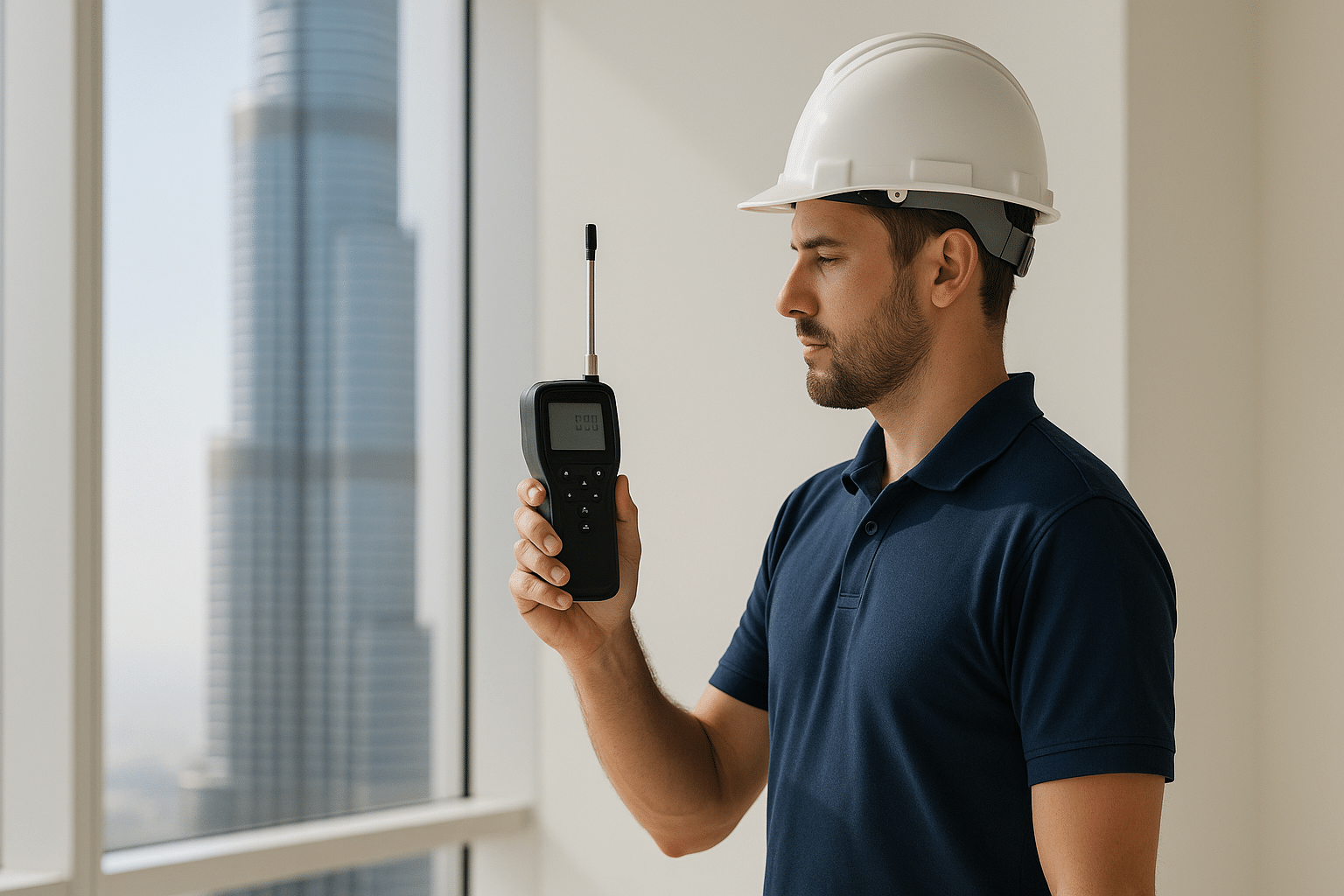
Understanding PM2.5 and PM10 readings in Dubai requires appropriate monitoring equipment selection. Laser-based particle counters provide the most accurate measurements for residential use, with prices ranging from AED 800 to AED 2,500 for quality units. These devices should measure both PM2.5 and PM10 simultaneously and include temperature and humidity sensors for comprehensive environmental assessment.
Placement strategy significantly affects understanding PM2.5 and PM10 readings in Dubai homes. Monitors should position away from direct airflow from air conditioning vents, windows, and doors to avoid measurement distortion. Multiple units placed in different rooms provide the most comprehensive assessment, as particulate levels can vary substantially between bedrooms, living areas, and kitchens.
Monitoring frequency and data interpretation complete the process of understanding PM2.5 and PM10 readings in Dubai. Continuous monitoring provides the most valuable data, revealing patterns related to occupancy, appliance use, and outdoor conditions. Smart monitors that connect to mobile applications enable real-time tracking and historical analysis, helping residents identify pollution sources and evaluate intervention effectiveness.
PM Reduction Techniques for UAE Conditions
Understanding PM2.5 and PM10 readings in Dubai naturally leads to implementing effective reduction strategies. Mechanical filtration using HEPA filters represents the gold standard for particulate removal, with efficiency ratings of 99.97% for particles as small as 0.3 micrometres. These systems typically cost between AED 1,200 and AED 3,500 for whole-house units, with replacement filters averaging AED 300-600 annually.
Ventilation management plays a crucial role in understanding PM2.5 and PM10 readings in Dubai context. During dust events or high pollution periods, minimizing outdoor air intake prevents particulate infiltration. During cleaner periods, increased ventilation helps dilute indoor-generated particles. Smart ventilation systems that automatically adjust based on outdoor air quality readings provide optimal balance between energy efficiency and indoor air quality.
Source control completes the comprehensive approach to understanding PM2.5 and PM10 readings in Dubai homes. Using doormats, removing shoes indoors, and regular vacuuming with HEPA-filtered machines reduce particle introduction. Avoiding aerosol products and minimizing indoor combustion sources like candles and incense further decreases fine particulate generation. These behavioural adaptations complement technological solutions for comprehensive particulate management.
Dubai Regulatory Framework and Standards
Understanding PM2.5 and PM10 readings in Dubai involves recognising the local regulatory context. The Dubai Municipality establishes air quality standards through the Environment Department, with monitoring stations strategically positioned throughout the emirate. These stations provide public data that contributes to understanding PM2.5 and PM10 readings in Dubai across different neighbourhoods and conditions.
The UAE National Agenda includes air quality targets aligned with World Health Organization guidelines, though implementation considers regional specificities. Understanding PM2.5 and PM10 readings in Dubai requires acknowledging that natural background levels exceed many international standards due to desert dust, making direct comparison with European or North American cities potentially misleading.
Building regulations increasingly address indoor air quality, with new developments required to incorporate ventilation systems that mitigate particulate infiltration. Understanding PM2.5 and PM10 readings in Dubai’s newer buildings often shows improved performance compared to older structures, reflecting evolving construction standards and increased awareness of environmental health considerations.
Expert Tips for Managing PM Exposure
Based on my extensive experience with understanding PM2.5 and PM10 readings in Dubai, I recommend these evidence-based strategies for reducing exposure. First, establish baseline measurements in your home before implementing interventions. Monitor for at least two weeks to understand normal fluctuations and identify problem areas.
Second, focus on bedroom air quality since we spend approximately one-third of our lives sleeping. Use standalone HEPA purifiers in bedrooms, particularly for children and individuals with respiratory conditions. These units typically cost between AED 600 and AED 1,500 and can reduce bedroom particulate levels by 80-90%.
Third, time outdoor activities strategically using air quality index applications that provide real-time understanding PM2.5 and PM10 readings in Dubai. Schedule exercise during periods of lower pollution, typically mid-afternoon when atmospheric mixing is greatest. Avoid outdoor activities during and immediately after dust events when particulate concentrations peak.
Fourth, maintain HVAC systems meticulously. Replace filters quarterly rather than annually due to Dubai’s high particulate loading. Upgrade to higher efficiency filters where system compatibility allows. Professional duct cleaning every 2-3 years prevents accumulated particles from recirculating throughout your home.
Finally, create clean zones within your home where particulate levels are minimized. These areas should have enhanced filtration, limited traffic, and strict no-shoe policies. Use these spaces during high pollution periods, particularly for vulnerable family members.
Frequently Asked Questions
What are dangerous PM2.5 levels in Dubai?
Understanding PM2.5 and PM10 readings in Dubai requires context-specific interpretation. Levels above 35 μg/m³ for PM2.5 typically indicate unhealthy conditions, though sensitive individuals may experience effects at lower concentrations. During dust events, levels can exceed 150 μg/m³, requiring immediate protective measures.
How often should I check my air quality monitor?
For comprehensive understanding PM2.5 and PM10 readings in Dubai, check your monitor daily and note patterns related to weather and household activities. Review historical data weekly to identify trends and assess intervention effectiveness. Calibrate professional-grade monitors annually.
Do air purifiers really work for Dubai conditions?
Quality HEPA air purifiers effectively reduce particulate levels in Dubai homes, typically achieving 80-95% reduction in enclosed spaces. Their effectiveness depends on proper sizing for room volume, regular filter replacement, and appropriate placement away from obstructions.
How does Dubai compare to other cities for PM pollution?
Understanding PM2.5 and PM10 readings in Dubai shows levels generally higher than European cities but lower than many Asian megacities. Desert dust contributes significantly to PM10 levels, while PM2.5 concentrations reflect urban pollution patterns similar to other developed cities.
Can plants improve indoor air quality for particulate matter?
While plants provide psychological benefits, their actual impact on understanding PM2.5 and PM10 readings in Dubai homes is minimal. Mechanical filtration remains vastly more effective for particulate removal, though plants may contribute marginally to overall indoor environmental quality.
Understanding PM2.5 and PM10 readings in Dubai represents an essential skill for protecting health in the UAE’s unique environment. By combining accurate monitoring with context-aware interpretation and targeted interventions, residents can significantly reduce particulate exposure and create healthier indoor environments. Remember that effective air quality management requires ongoing attention rather than one-time solutions, particularly in Dubai’s dynamic atmospheric conditions.

JV de Castro, IAC2
JV de Castro is the Chief Technology Officer at Saniservice, where he leads innovation in indoor environmental sciences, IT infrastructure, and digital transformation. With over 20 years of experience spanning architecture, building science, technology management, digital media architecture, and consultancy, he has helped organizations optimize operations through smart solutions and forward-thinking strategies. JV holds a Degree in Architecture, a Masters of Research in Anthropology, an MBA in Digital Communication & Media, along with certifications in mold, building sciences and advanced networking. Passionate about combining technology, health, and sustainability, he continues to drive initiatives that bridge science, IT, and business impact.