Air Quality Testing After Renovation Projects Dubai Guide
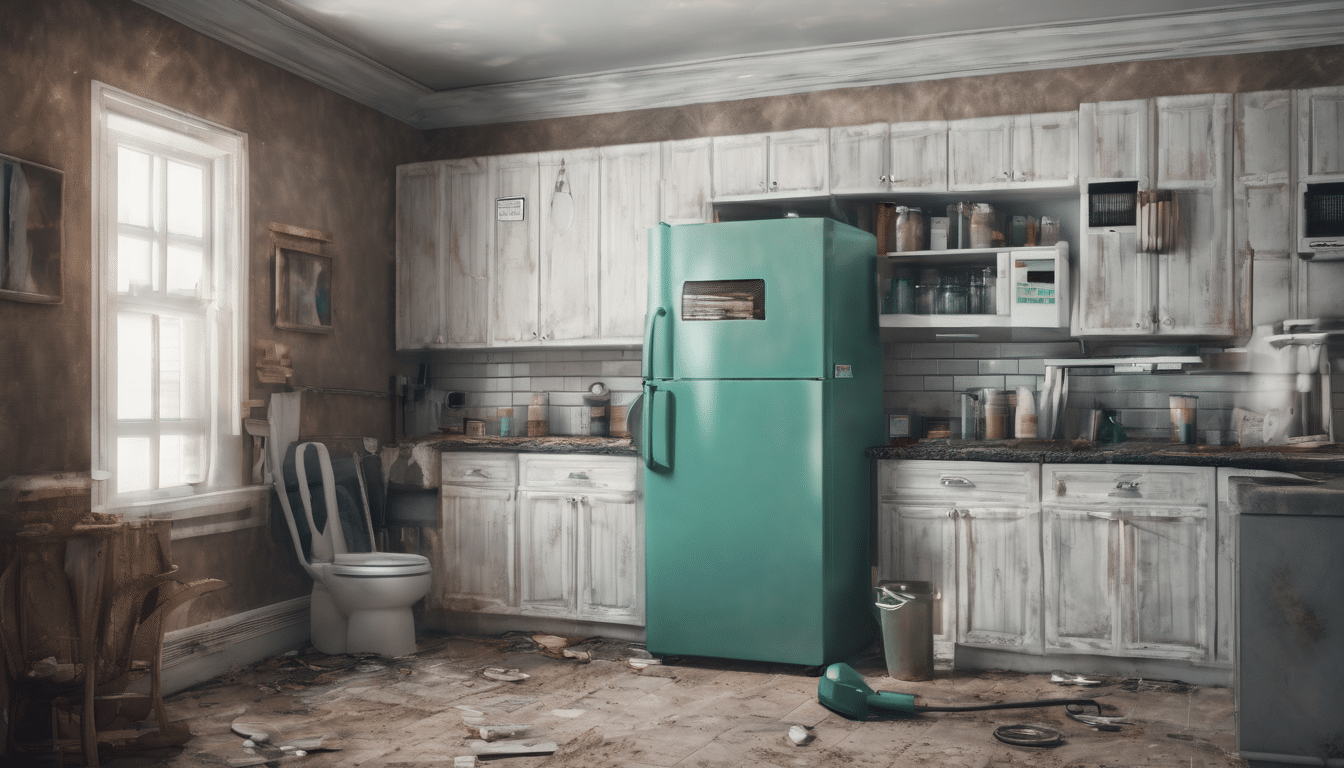
Air quality testing after renovation projects in Dubai is not just advisable—it is essential for health protection. Renovation activities release volatile organic compounds from paints, adhesives, and new materials, generate fine particulate matter from cutting and sanding, and can disturb hidden mould colonies in building cavities. In Dubai’s climate, where air conditioning runs continuously and humidity fluctuates dramatically, these contaminants become concentrated in indoor environments. Professional Air Quality Testing after renovation projects provides scientific validation that your newly renovated space is truly safe for occupancy, especially for children, elderly residents, and those with respiratory conditions.
The need for thorough air quality testing after renovation projects becomes particularly critical in Dubai’s rapidly constructed buildings. Many villas and apartments here were built with minimal regard for indoor environmental quality, and renovation work often reveals pre-existing moisture issues or poor ventilation design. Without proper testing, homeowners might occupy spaces with formaldehyde levels exceeding WHO guidelines or mould spore counts that trigger allergic reactions. As an IAC2 Certified Indoor Air Consultant who has directed hundreds of post-renovation assessments, I consistently find that what you cannot see or smell often presents the greatest risk to your family’s wellbeing.
Why Air Quality Testing After Renovation Projects Matters in Dubai
Air quality testing after renovation projects serves as your final quality assurance check before occupying a renovated space. In Dubai’s construction environment, where rapid project completion often takes precedence over environmental considerations, testing provides documented evidence that your investment has not compromised your indoor air. The combination of new building materials, disturbed dust from demolition, and potential moisture intrusion during renovation creates a perfect storm of contaminants that standard cleaning cannot address.
During our field investigations at Saniservice, we have documented formaldehyde levels exceeding 0.1 ppm in recently renovated Dubai apartments—levels that would trigger immediate action in regulated industries. This occurs because many imported building materials contain formaldehyde-based resins that off-gas continuously, particularly in our hot climate where elevated temperatures accelerate chemical release. Without professional air quality testing after renovation projects, families might occupy these spaces unaware of the chronic exposure occurring every day.
Key Contaminants to Test For After Renovation
Comprehensive air quality testing after renovation projects should address three primary contaminant categories: chemical, particulate, and biological. Chemical contaminants include volatile organic compounds from paints, varnishes, adhesives, and new furniture. Formaldehyde, benzene, toluene, and xylene are particularly common in renovation scenarios. Particulate matter includes construction dust, drywall particles, and silica dust that can penetrate deep into lungs. Biological contaminants include mould spores disturbed during demolition and bacteria from water intrusion during plumbing work.
Volatile Organic Compounds (VOCs)
VOCs represent the most immediate concern after renovation projects. These chemicals evaporate from wet products like paints and stains and continue off-gassing from materials like engineered wood, carpets, and furniture for months after installation. In Dubai’s air-tight buildings with recirculating AC systems, VOC concentrations can reach levels 2-5 times higher than outdoor air. Professional air quality testing after renovation projects uses photoionization detectors and laboratory analysis to quantify these exposures accurately.
Particulate Matter
Construction generates enormous quantities of fine particles that standard vacuuming cannot remove. These particles settle in HVAC systems, behind cabinets, and in upholstery, continuing to aerosolize long after construction concludes. Our thermal imaging assessments frequently reveal dust reservoirs in ductwork and wall cavities that would never be identified without specialized equipment. Air quality testing after renovation projects should include particle counting with laser photometers to quantify PM2.5 and PM10 levels.
When to Conduct Air Quality Testing After Renovation
The timing of air quality testing after renovation projects significantly impacts results accuracy. Testing too early may capture temporary elevations that will dissipate, while testing too late might miss the window for corrective action. The ideal timeframe is 5-7 days after final cleaning but before furniture movement and occupancy. This allows for the initial off-gassing peak to pass while still capturing persistent contamination issues.
In Dubai’s climate, we recommend conducting air quality testing after renovation projects during typical operating conditions—with AC running at normal settings and windows closed. This provides the most realistic representation of actual exposure conditions. Avoid testing immediately after unusual ventilation events like extensive window opening, as this temporarily dilutes contaminants without resolving the underlying issue. For baseline comparison, consider testing before renovation begins to identify pre-existing conditions that might complicate post-renovation interpretation.
Professional Air Quality Testing After Renovation Projects Methodology
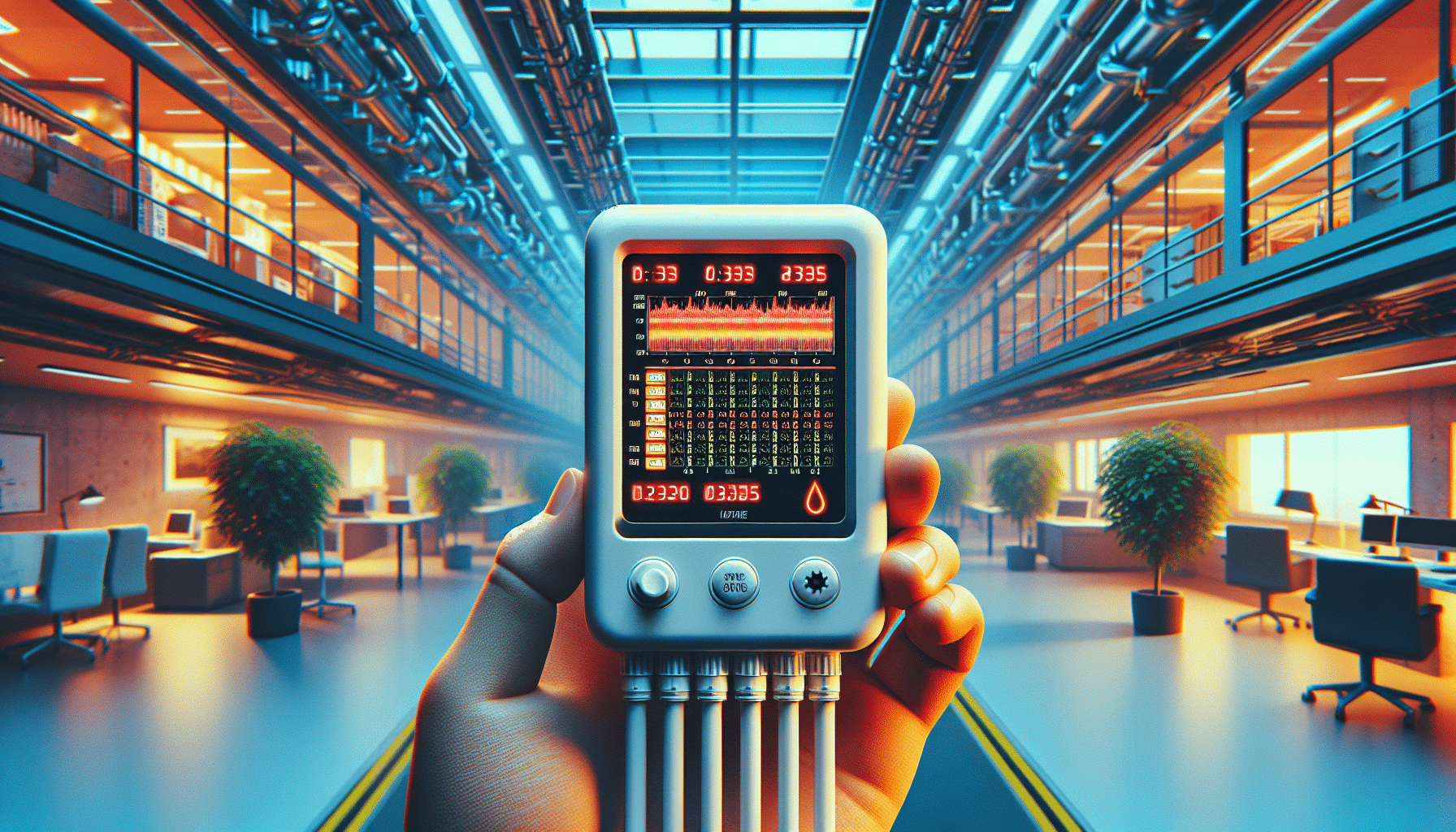
Certified air quality testing after renovation projects follows a systematic approach beginning with a visual inspection using borescopes and thermal imaging to identify hidden contamination sources. This is followed by air sampling using calibrated pumps and collection media specifically designed for the target contaminants. Samples are then analyzed in accredited laboratories using methods such as GC-MS for VOCs, spore trap analysis for mould, and gravimetric analysis for particulate matter.
At our Dubai laboratory, we’ve developed specialised protocols for air quality testing after renovation projects that account for local conditions. For example, we test for xerophilic mould species that thrive in AC systems rather than just the hydrophilic species common in temperate climates. We also analyse for chemical compounds specifically used in regional construction materials that might not appear on standard testing panels. This localized expertise makes a significant difference in result accuracy and relevance.
Interpreting Air Quality Test Results After Renovation
Understanding laboratory reports from air quality testing after renovation projects requires professional interpretation beyond simple comparison to reference standards. While numerical values indicate exceedances, the pattern of contamination often reveals more about source and persistence. For example, elevated toluene alone might indicate recent painting, while a cocktail of multiple VOCs suggests broader material off-gassing. Similarly, mould spore counts must be interpreted in context of outdoor levels and species identification.
In our post-renovation assessments, we pay particular attention to ratio analysis between different contaminants. Formaldehyde levels that remain elevated weeks after renovation suggest continuous emission sources rather than temporary off-gassing. mould spore types that differ from outdoor profiles indicate indoor amplification rather than infiltration. These nuanced interpretations separate professional air quality testing after renovation projects from DIY approaches that provide data without context.
Common Mistakes in DIY Air Quality Testing After Renovation
Many homeowners attempt DIY air quality testing after renovation projects using consumer-grade devices that provide misleading results. These devices often lack calibration, have poor specificity, and cannot detect the full range of relevant contaminants. For example, consumer VOC sensors might respond to alcohol from cleaning products while missing formaldehyde entirely. Similarly, DIY mould test kits that only identify genus without species provide limited actionable information.
The most significant limitation of DIY approaches to air quality testing after renovation projects is sampling strategy. Without understanding air dynamics, contamination sources, and building science, homeowners might sample in locations that miss the highest concentrations. Professional assessors use thermal imaging to identify thermal bridges where condensation occurs, borescopes to examine wall cavities, and air pressure measurements to understand contaminant migration paths—all essential for accurate assessment.
Selecting a Professional Service for Air Quality Testing After Renovation Projects
Choosing the right provider for air quality testing after renovation projects requires verification of credentials, methodology, and laboratory capabilities. Look for IAC2 or equivalent certification, evidence of local experience, and transparent sampling and analysis methods. The provider should explain exactly what they test for, how they interpret results, and what corrective actions they recommend when issues are identified.
In Dubai, specifically inquire about experience with air quality testing after renovation projects in similar properties and climates. The challenges in a Jumeirah villa with marble flooring differ significantly from a Downtown high-rise with carpeting. Ask about laboratory turnaround times—delays of weeks diminish the usefulness of results for making occupancy decisions. Finally, ensure the provider offers comprehensive reporting with clear explanations and recommendations rather than just data sheets.
Frequently Asked Questions
How soon after renovation should I conduct air quality testing?
Schedule air quality testing after renovation projects 5-7 days after final cleaning but before moving in furniture. This captures persistent contaminants while allowing initial off-gassing to subside. In Dubai’s climate, test with AC operating normally to simulate actual living conditions.
What is the most important test after home renovation?
Volatile organic compound testing is most critical after renovation due to numerous new materials off-gassing simultaneously. Formaldehyde specifically requires attention as it appears in many building products and poses significant health risks at elevated concentrations common post-renovation.
Can I stay in my home during testing after renovation?
Occupancy during air quality testing after renovation projects is not recommended as activities like cooking, cleaning, and even breathing affect results. For accurate assessment, the property should be vacant with systems operating normally but without human activity that could contaminate samples.
How long do renovation contaminants typically persist?
Most VOC off-gassing decreases significantly within 2-4 weeks, but some materials like engineered wood and certain insulation products can emit formaldehyde for months. Particulate matter can persist indefinitely in ductwork and cavities without professional remediation. mould spores remain airborne until properly addressed.
Does Dubai’s climate affect post-renovation air quality?
Yes, Dubai’s high temperatures accelerate chemical off-gassing, while humidity fluctuations promote mould growth in building materials. AC systems recirculate contaminants throughout properties, making professional air quality testing after renovation projects particularly important in this climate.
Expert Recommendations for Post-Renovation Air Quality
Based on hundreds of post-renovation assessments in Dubai properties, I recommend these essential actions: First, insist on low-VOC materials during renovation planning to reduce initial contamination. Second, implement thorough cleaning including HVAC duct cleaning before final inspection. Third, conduct professional air quality testing after renovation projects before occupancy to establish baseline conditions. Fourth, maintain enhanced ventilation for several weeks after moving in, using supplemental air purification if necessary. Finally, consider periodic retesting if occupants experience unexplained health symptoms that might indicate persistent contamination.
Air quality testing after renovation projects provides peace of mind that your newly transformed space is truly healthy for your family. In Dubai’s unique building environment, where construction practices and climate create distinctive challenges, professional assessment with local expertise makes the difference between guessing about air quality and knowing with scientific certainty. The relatively small investment in proper testing protects against potentially significant health consequences and ensures your renovation investment enhances your wellbeing rather than compromising it.

JV de Castro, IAC2
JV de Castro is the Chief Technology Officer at Saniservice, where he leads innovation in indoor environmental sciences, IT infrastructure, and digital transformation. With over 20 years of experience spanning architecture, building science, technology management, digital media architecture, and consultancy, he has helped organizations optimize operations through smart solutions and forward-thinking strategies. JV holds a Degree in Architecture, a Masters of Research in Anthropology, an MBA in Digital Communication & Media, along with certifications in mold, building sciences and advanced networking. Passionate about combining technology, health, and sustainability, he continues to drive initiatives that bridge science, IT, and business impact.