Ventilation System Upgrades for Improved Indoor Air Quality
Ventilation System Upgrades for Improved Indoor Air Quality represents a strategic investment in your property’s environmental health, particularly in Dubai’s unique climate where sealed buildings and constant air conditioning create distinctive challenges. The scope and approach for these upgrades vary significantly based on your building’s specific characteristics, contamination profile, and desired outcomes. Unlike generic solutions, proper Ventilation System Upgrades for Improved Indoor Air Quality requires customised planning that begins with comprehensive diagnostic assessment.
In Dubai’s construction landscape, where buildings range from decades-old villas to modern high-rises, Ventilation System Upgrades for Improved Indoor Air Quality must account for local environmental factors including extreme summer humidity, fine desert dust penetration, and the particular microbial profile that thrives in air-conditioned environments. The process begins not with equipment selection but with understanding what your current system is—and isn’t—achieving for your indoor environment.
Property Variables Affecting Ventilation System Upgrades for Improved Indoor Air Quality
The physical characteristics of your property fundamentally shape the approach to Ventilation System Upgrades for Improved Indoor Air Quality. Building size and layout determine airflow patterns and equipment capacity requirements. Larger villas with multiple zones may require decentralised systems with individual controls, while apartments might benefit from compact energy recovery ventilators. Building age significantly influences upgrade complexity—older Dubai properties often have outdated ductwork designs that require complete re-engineering, while newer constructions may only need component upgrades.
Occupancy patterns directly impact ventilation requirements. A family home with children requires different air exchange rates than a seldom-occupied investment property. Commercial spaces with high occupant density need substantially higher fresh air intake calculations. The architectural design itself, including ceiling heights, window placement, and room configurations, affects how air moves through spaces and where ventilation equipment can be installed without compromising aesthetics or functionality.
Building Envelope Considerations
The tightness of your building envelope directly impacts ventilation strategy. Older Dubai villas often have significant air leakage through windows and doors, which can undermine mechanical ventilation effectiveness. Modern high-rises with sealed facades require precisely calculated mechanical ventilation to prevent stale air accumulation. During assessment, specialists use pressure testing to quantify envelope leakage and determine whether ventilation systems should compensate for or work with existing air infiltration patterns.
Ventilation System Upgrades for Improved Indoor Air Quality – Contamination and Condition Assessment for Ventilation Syste
Existing contamination levels dramatically influence the scope of Ventilation System Upgrades for Improved Indoor Air Quality. When microbial growth or particulate accumulation is present within current ductwork, simply adding new ventilation components without remediation can spread contaminants throughout the property. Laboratory analysis of swab samples from existing ducts determines whether cleaning, sealing, or complete replacement is necessary before implementing upgrades.
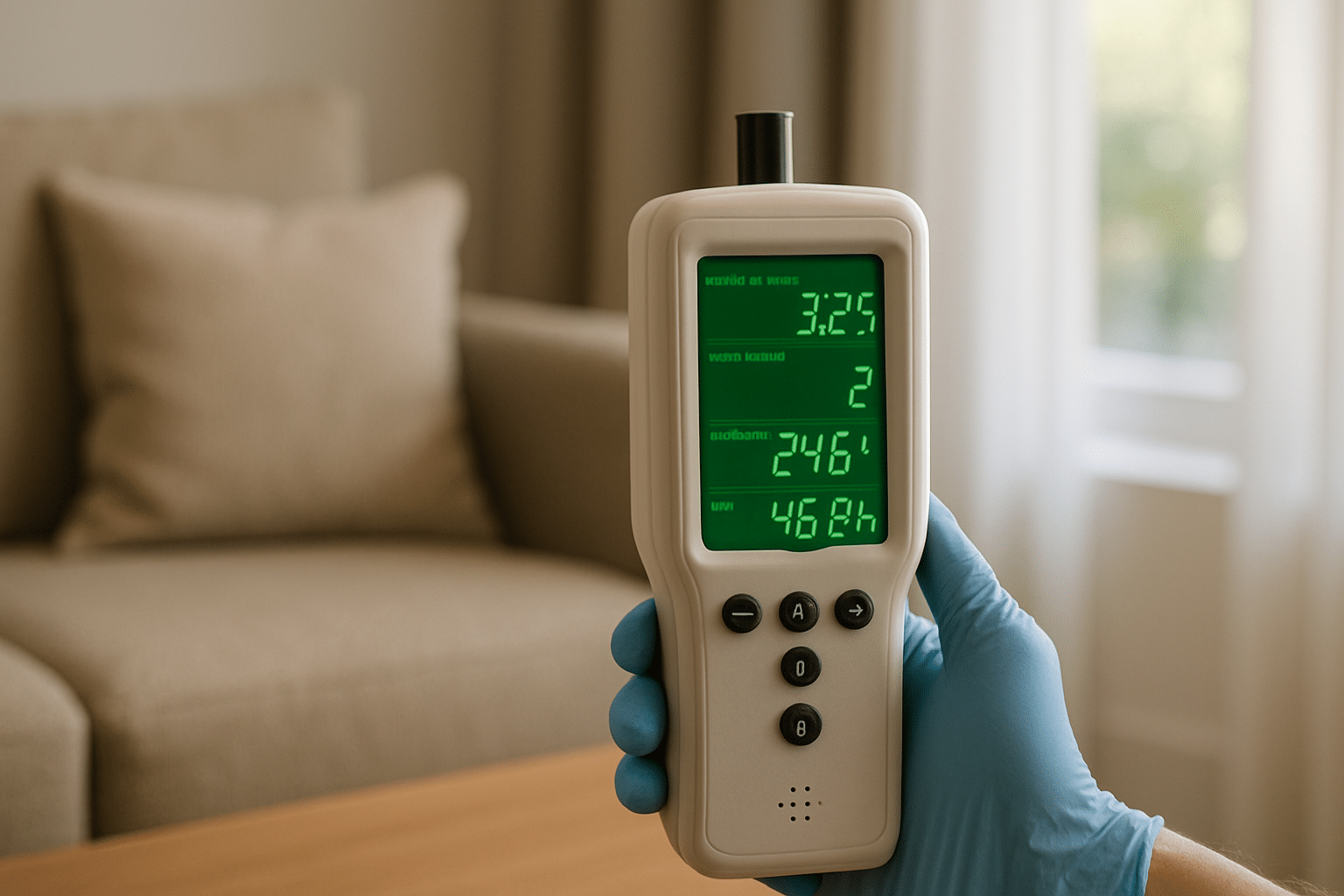
System condition evaluation includes assessing current equipment performance, ductwork integrity, and filtration effectiveness. Thermal imaging often reveals hidden moisture issues within wall cavities or ceiling spaces that could compromise new ventilation equipment. Airflow measurements establish baseline performance metrics that upgrade targets must exceed. This diagnostic phase ensures that Ventilation System Upgrades for Improved Indoor Air Quality addresses root causes rather than merely adding equipment to underperforming systems.
Ventilation System Upgrades for Improved Indoor Air Quality – Certification Standards and Compliance Requirements
Ventilation System Upgrades for Improved Indoor Air Quality often must meet specific certification standards, particularly for commercial properties or residential buildings seeking green certification. Dubai Municipality guidelines establish minimum ventilation rates for different occupancy types. International standards like ASHRAE 62.1 provide detailed calculations for fresh air requirements based on space usage and occupant density.
WELL Building Standard certification requires particularly rigorous ventilation parameters with continuous monitoring capabilities. Projects aiming for LEED certification need documentation of improved indoor environmental quality metrics post-upgrade. These standards don’t just dictate equipment specifications but require verification through post-installation testing and ongoing performance monitoring. The certification pathway chosen significantly influences the complexity and documentation requirements of Ventilation System Upgrades for Improved Indoor Air Quality.
Technology Selection for Ventilation System Upgrades
The technological approach to Ventilation System Upgrades for Improved Indoor Air Quality varies based on climate adaptation needs. Energy recovery ventilators (ERVs) prove particularly valuable in Dubai’s climate, pre-conditioning incoming air to reduce HVAC load while maintaining humidity control. Heat recovery ventilators (HRVs) offer alternative efficiency benefits for certain building types. Demand-controlled ventilation systems using CO2 sensors automatically adjust fresh air intake based on actual occupancy rather than theoretical maximums.
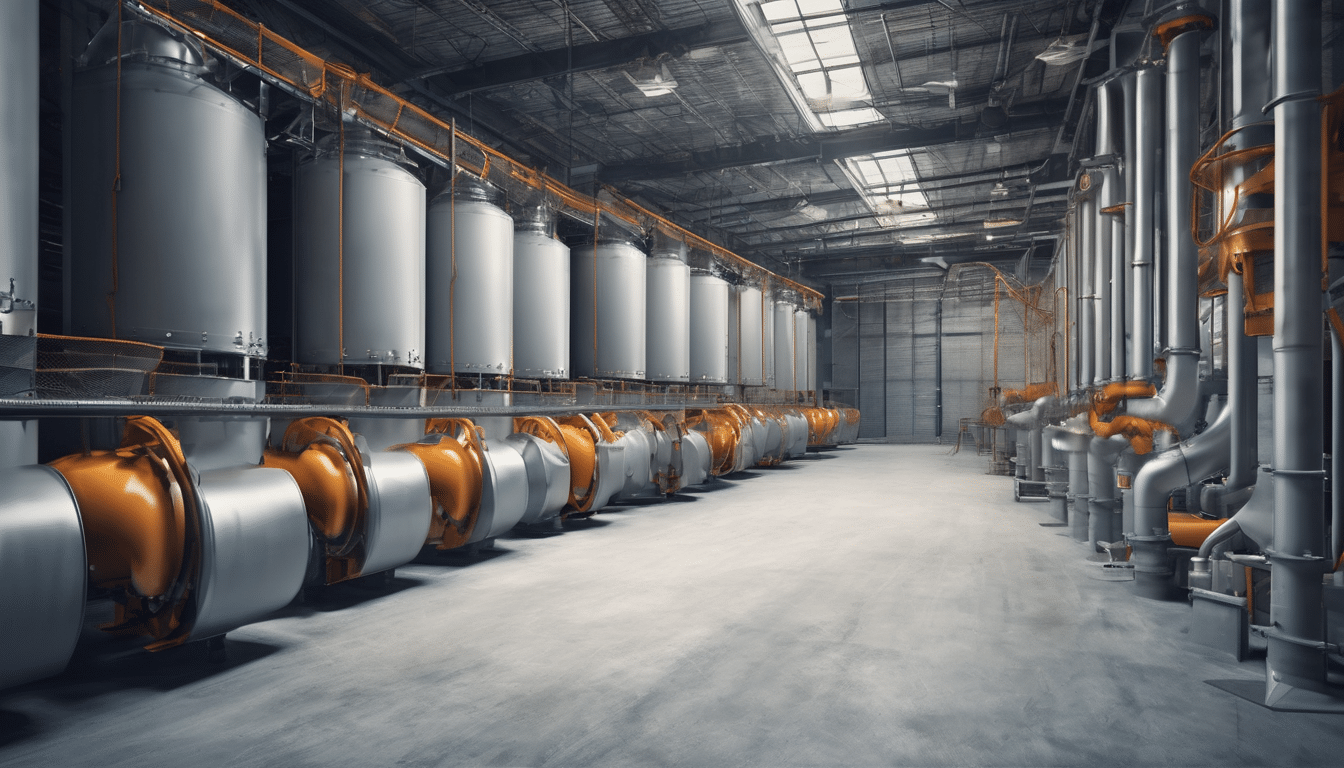
Filtration technology integration represents a critical component of comprehensive Ventilation System Upgrades for Improved Indoor Air Quality. High-efficiency particulate air (HEPA) filters, carbon filters for VOC removal, and UV-C light systems for microbial control can be integrated into ventilation systems based on specific air quality challenges identified during assessment. The technology selection process balances performance requirements with energy efficiency considerations and maintenance practicality.
Implementation Process for Ventilation System Upgrades
Professional implementation of Ventilation System Upgrades for Improved Indoor Air Quality follows a structured methodology beginning with comprehensive design planning. Engineering calculations determine required air exchange rates, equipment sizing, and ductwork modifications. Installation typically involves coordinating with existing HVAC systems, electrical requirements, and building structural considerations. The process requires careful sequencing to minimise disruption while ensuring all components integrate properly with existing building systems.
Post-installation verification represents a critical phase often overlooked in ventilation projects. Performance testing confirms that systems deliver designed airflow rates and achieve target indoor air quality parameters. Balancing adjustments fine-tune system operation across different zones. Documentation provided after completion includes operation manuals, maintenance schedules, and performance verification reports that become valuable for property records and any future certification efforts.
Requesting Professional Assessment for Ventilation Upgrades
Initiating Ventilation System Upgrades for Improved Indoor Air Quality begins with a professional site assessment rather than equipment selection. Specialists conduct comprehensive evaluation of your current ventilation performance, air quality measurements, and building-specific factors that influence upgrade options. The assessment process typically includes visual inspection, diagnostic testing, and discussion of your specific indoor air quality goals and budget parameters.
The assessment report provides detailed recommendations for Ventilation System Upgrades for Improved Indoor Air Quality tailored to your property’s unique characteristics. It outlines recommended technologies, implementation phasing options, projected performance improvements, and maintenance requirements. This professional assessment transforms ventilation upgrades from equipment installation into a strategic indoor environmental quality improvement project with measurable outcomes and verified results.
Frequently Asked Questions
How long do ventilation system upgrades typically take in Dubai properties?
Implementation timelines for Ventilation System Upgrades for Improved Indoor Air Quality vary significantly based on property size, system complexity, and whether ductwork modifications are required. Most residential projects complete within 3-7 days of installation work following the assessment and planning phase. Commercial projects with multiple zones may require 2-3 weeks of implementation with careful scheduling to minimise business disruption.
What maintenance do upgraded ventilation systems require in Dubai’s climate?
Ventilation System Upgrades for Improved Indoor Air Quality typically include scheduled maintenance requirements specific to Dubai’s environmental conditions. Filter replacements every 3-6 months address fine desert dust accumulation. Quarterly cleaning of energy recovery cores prevents microbial growth in high humidity. Annual professional servicing ensures mechanical components continue operating at designed efficiency levels in our challenging climate.
Can ventilation upgrades be implemented in phases based on budget constraints?
Professional assessments for Ventilation System Upgrades for Improved Indoor Air Quality often include phased implementation options that align with budget availability. Priority components addressing immediate air quality concerns can be installed initially, with additional enhancements added later. This approach allows property owners to spread investment while still achieving meaningful indoor air quality improvements at each implementation phase.
Do ventilation system upgrades require Dubai Municipality approval?
Ventilation System Upgrades for Improved Indoor Air Quality in residential properties typically don’t require municipal approval unless structural modifications are involved. Commercial projects often need permitting, particularly when altering mechanical room configurations or increasing electrical loads. Professional assessment includes identifying any regulatory requirements specific to your property type and location within Dubai.
How soon will we notice improved air quality after ventilation upgrades?
Improvements from Ventilation System Upgrades for Improved Indoor Air Quality are typically noticeable immediately after system activation, with optimal performance stabilising within the first week of operation. The most significant changes residents report include reduced stuffiness, elimination of odours, and improved sleep quality. Verification testing conducted 30 days post-installation provides measurable confirmation of air quality parameter improvements.
Ventilation System Upgrades for Improved Indoor Air Quality represents one of the most impactful investments in your property’s environmental health and occupant wellbeing. The process begins with understanding your specific building’s needs through professional assessment rather than selecting equipment from a catalogue. By considering property variables, contamination status, and certification requirements, specialists develop tailored solutions that deliver measurable improvements in indoor air quality, comfort, and overall building performance.

JV de Castro, IAC2
JV de Castro is the Chief Technology Officer at Saniservice, where he leads innovation in indoor environmental sciences, IT infrastructure, and digital transformation. With over 20 years of experience spanning architecture, building science, technology management, digital media architecture, and consultancy, he has helped organizations optimize operations through smart solutions and forward-thinking strategies. JV holds a Degree in Architecture, a Masters of Research in Anthropology, an MBA in Digital Communication & Media, along with certifications in mold, building sciences and advanced networking. Passionate about combining technology, health, and sustainability, he continues to drive initiatives that bridge science, IT, and business impact.